
Where to Stay in Montenegro: Best Areas & Towns
Where to stay in Montenegro: pick your base by trip type - Kotor and the Boka for scenery, Budva for beaches and nightlife, Tivat, Bar or the north.
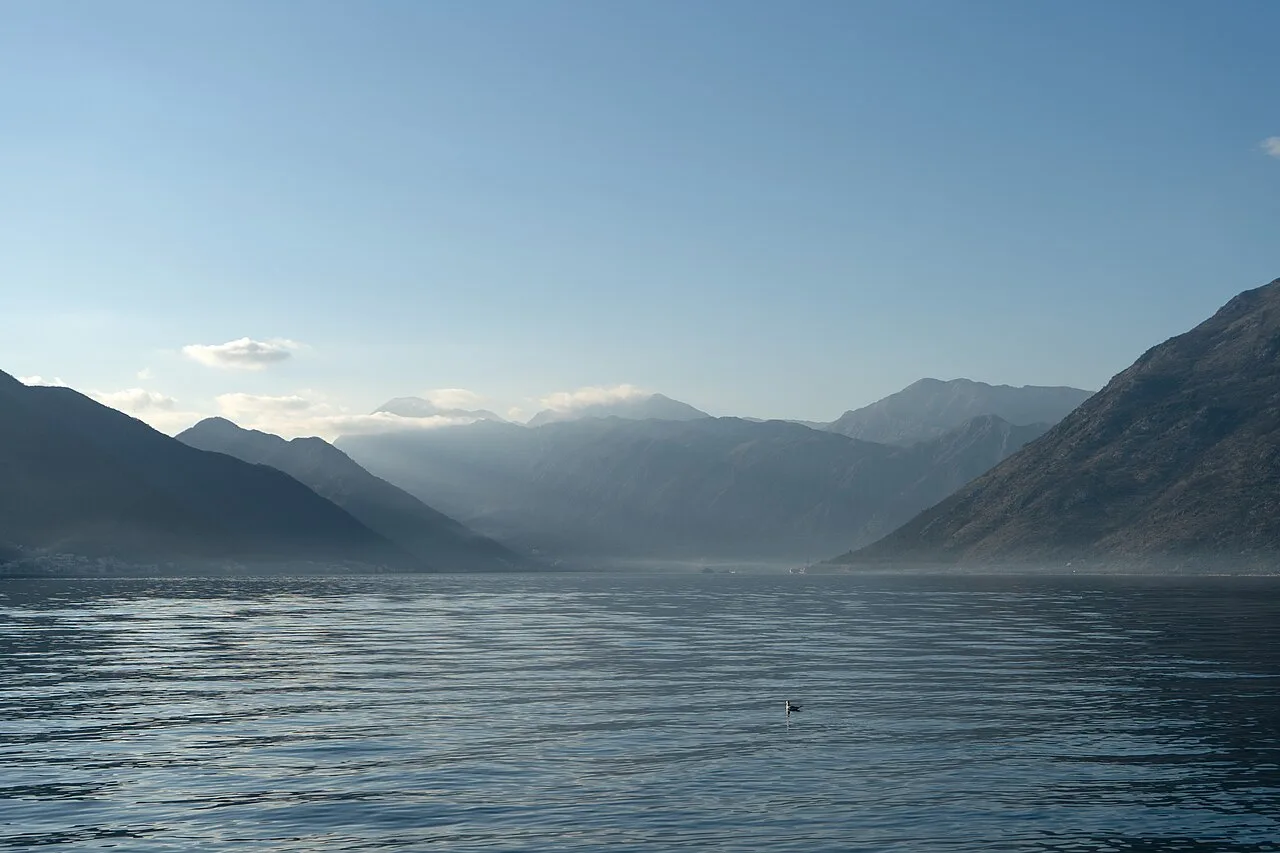
For a first trip, base yourself in one place and take day trips - the country is small enough that most of the highlights sit within a two-hour drive of the Bay of Kotor. The choice comes down to what you want out of the trip: the Bay of Kotor (Boka) for medieval towns and dramatic scenery, the Budva Riviera for beaches and nightlife, Tivat for an easy, well-connected base near the airport, or Bar and the south for cheaper, quieter, sandy beaches. Only go inland - Žabljak or Kolašin in the mountains - if hiking and rafting are the point of the trip.
Every base has its own strength and its own price, and the whole choice comes down to which trade-off suits the trip you are planning. Where a full town guide exists, there’s a link to it.
The quick answer: match your base to your trip
| You want… | Base here |
|---|---|
| Old towns, mountains, the postcard bay | Kotor (or Perast / Herceg Novi) |
| Beaches by day, clubs by night | Budva (or Bečići) |
| An easy, central base near the airport | Tivat |
| Long sandy beaches, lower prices, fewer crowds | Ulcinj (arrive via Bar) |
| Hiking, rafting, canyons, cooler air | Žabljak / Kolašin |
| A night by the lake, birds and wineries | Virpazar (Lake Skadar) |
Most people should pick from the top three. The coast is where nearly all the accommodation, restaurants and day-trip operators are, and buses link the coastal towns cheaply - Kotor to Budva runs every 30-60 minutes in summer, with tickets around €3.50-6, plus a €1.30 station fee when you leave from Kotor. You don’t need to move hotels to see the bay and the Riviera; you can day-trip between them.
Bay of Kotor (Boka): scenery and old stone
If you came for the Montenegro of the photographs - a fjord-like bay ringed by mountains, walled Venetian towns, church-topped islets - base in the Boka. It’s the most spectacular corner of the country and, for a first visit, the one most people fall for.
Kotor is the obvious anchor: a UNESCO-listed old town wrapped in city walls that climb the mountain behind it, and a central position that puts Perast and Herceg Novi to the west, Budva and the southern coast to the south, and Lovćen and Cetinje up the switchbacks behind. Nearly everything worth seeing is under two hours away. The trade-off is real, though, and worth knowing before you book: Kotor takes cruise ships, and on days when one (or three) is in, the old town fills to a crawl by late morning and the narrow approach road clogs with traffic. Stay here and you get the town at its best - early mornings and evenings, after the day-trippers leave - but plan sightseeing around the ships, not against them. Our Kotor guide covers the walls, the old town and how to time a visit, and where to stay in Kotor breaks the bay down base by base - the Old Town against Dobrota, Muo, Prčanj and Perast.
Perast, fifteen minutes up the bay, is the quiet alternative: a single row of baroque stone palazzi facing the two island churches, no beach scene and barely any traffic. It suits couples and anyone who wants calm over convenience - but it’s tiny, restaurants are limited, and you’ll rely on a car or the bus for everything else.
Herceg Novi sits at the mouth of the bay, closest to Croatia. Think of it as a less-crowded, cheaper Kotor: Venetian fortresses, a long seafront promenade, stepped old-town lanes and cliffside cafés, with more affordable rooms and far fewer cruise crowds. It’s the pick for families and a slower holiday, and it’s the natural base if you’re flying into Dubrovnik (DBV) rather than Tivat. What it isn’t is a nightlife town - for that you’d day-trip or move to Budva. Our where to stay in Herceg Novi guide breaks the town down further: the Old Town against flat, spa-town Igalo against the riviera chain east toward Kumbor and Bijela.
The Boka’s own airport is Tivat (TIV), a short hop from any of these towns.
Budva Riviera: beaches and nightlife
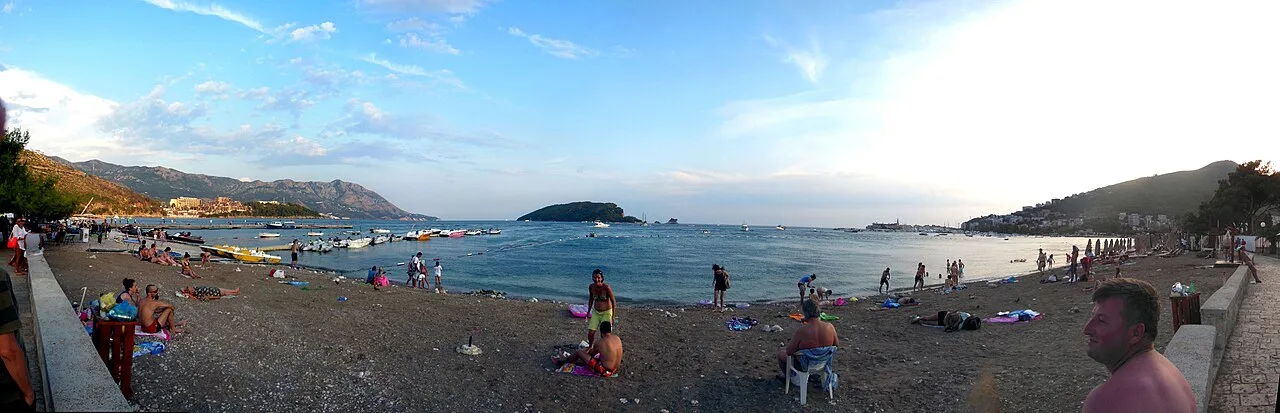
If the trip is about swimming, sunbathing and going out, base on the Budva Riviera. Budva pairs a small walled old town with the best run of town beaches on the coast - Mogren, Jaz and the long Slovenska strip - and it’s the undisputed capital of Montenegrin nightlife, with open-air clubs lining the shore that don’t get going until the early hours. It’s also, of the three big coastal bases, usually the cheapest for a room. The catch is the flip side of all that: in July and August it’s the loudest, busiest, most built-up stretch of the coast, and the beaches and clubs draw a young party crowd. Our Budva guide covers the old town, the beaches and the nightlife scene in detail, and where to stay in Budva weighs the Old Town against Bečići, Rafailovići, Pržno and Sveti Stefan area by area. If you’re torn between the Riviera and the bay, Kotor or Budva compares the two head to head on beaches, nightlife, prices and day trips.
Bečići, the next bay along, is the calmer version: a long sandy beach backed by resort hotels, an easy walk or short bus from Budva’s old town. It’s a good compromise if you want the beach and easy access to the nightlife without sleeping on top of it. Genuinely all-inclusive hotels are rare on this coast - a few of them, including one in Bečići, are named in our all-inclusive Montenegro guide.
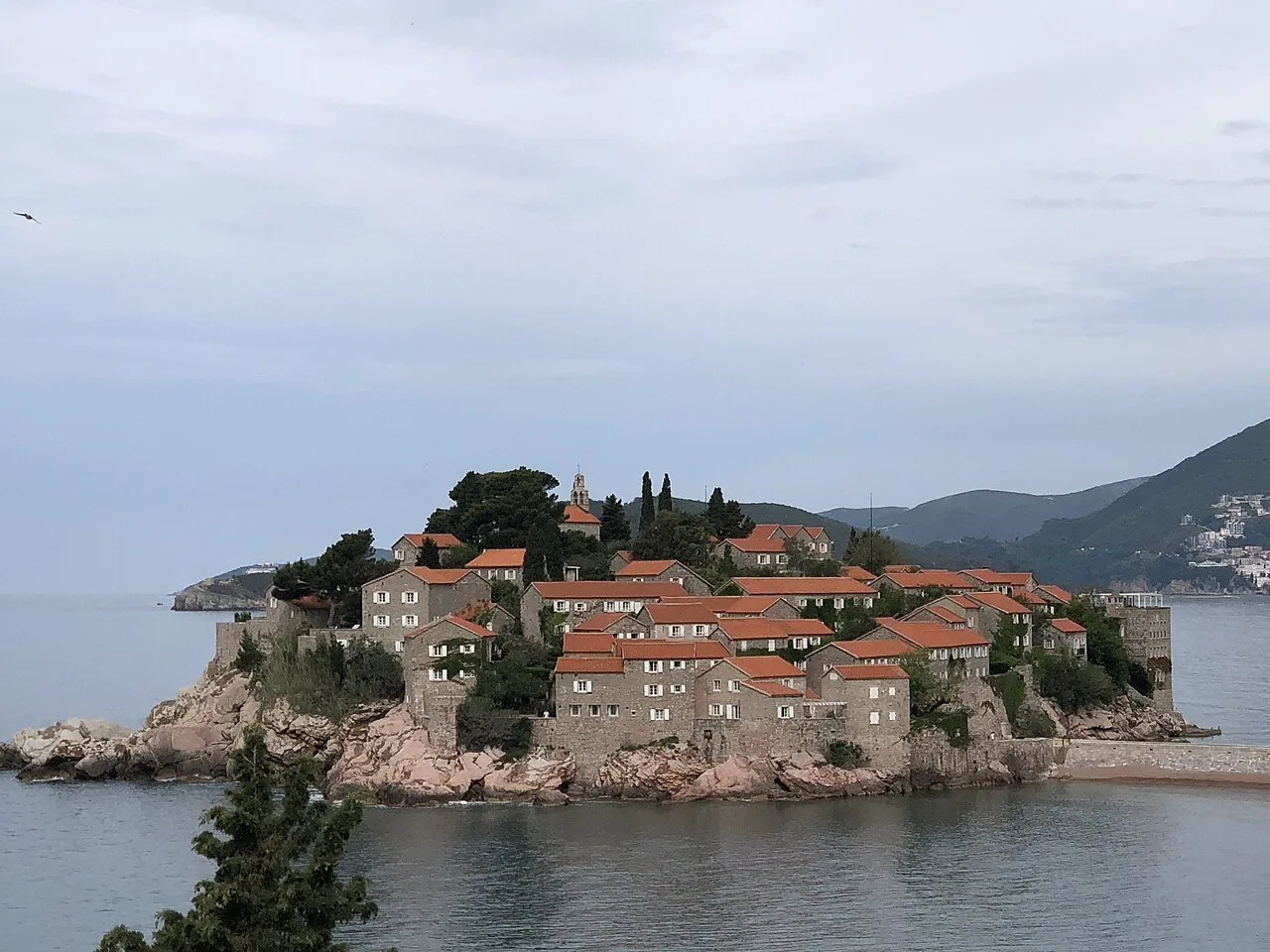
Sveti Stefan is the famous one - a fortified islet joined to the shore by a causeway, its stone village run as an Aman resort. It closed in 2021 in a dispute over public beach access and reopened as an Aman hotel in July 2026 under a settlement: Sveti Stefan Beach and King’s Beach are now open to the public, while Queen’s Beach stays reserved for guests, and the villa-covered islet itself remains off-limits to non-guests. So you can swim below it and stay in hotels on the mainland opposite, but you can’t wander onto the island - it’s a scenic, premium base rather than a party one. For a full rundown of the coast’s best swimming, see best beaches in Montenegro.
The Riviera’s nearest airport is Tivat (TIV), about 20 minutes by road; Podgorica (TGD) is roughly 1.5-2 hours.
Tivat: the easy, central base
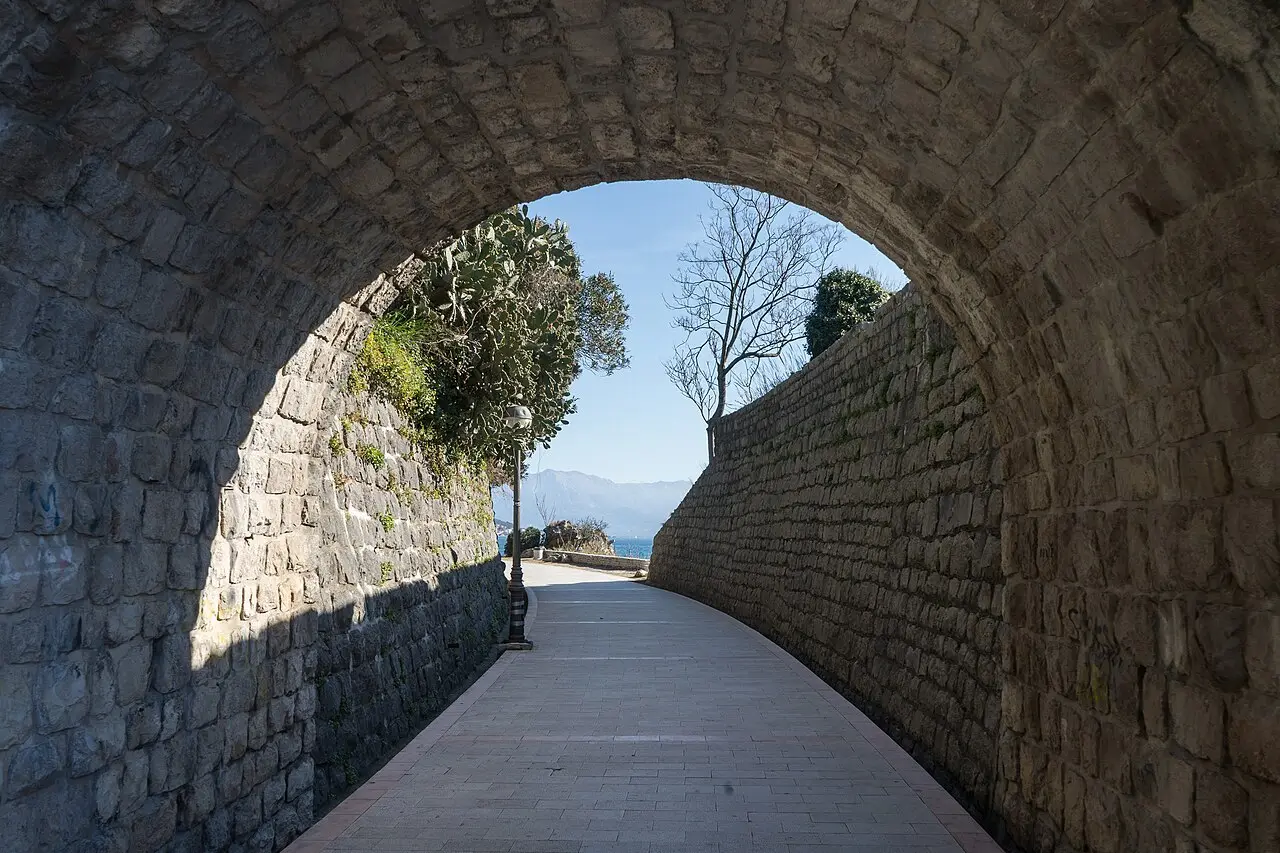
Tivat is the practical choice. Its airport is almost in town, so you can be at your hotel fifteen minutes after landing; it’s about 20 minutes to both Kotor and Budva; and the waterfront is flat, walkable and lined with cafés. The centrepiece is Porto Montenegro, a superyacht marina built on a former naval shipyard, with boutiques, restaurants and the Naval Heritage museum. Beaches like Plavi Horizonti on the nearby Luštica peninsula are an easy drive.
What Tivat lacks is old-stone atmosphere - it’s a modern town, not a medieval one, so people chasing walled lanes sometimes find it plain. But as a comfortable, well-connected base for touring the whole bay, or a low-stress place to spend your first and last nights around a flight, it’s hard to beat. See the Tivat guide for the marina, the beaches and getting around, and where to stay in Tivat for Porto Montenegro versus the Pine seafront and Luštica.
Bar and the south: sandy beaches and value
South of Budva the coast changes character. Bar is a working port and railway town rather than a resort, so it’s better thought of as an arrival and transit point than a place to sleep - it’s where the ferry from Italy docks and where the scenic train inland begins, but there’s little reason to base a holiday here. For the south, the base to book is Ulcinj, near the Albanian border: it fronts the long stuff - Velika Plaža, a sandy beach that runs for around 13 km, and the river island of Ada Bojana - and has a more Ottoman-flavoured old town. This end of the country is warmer, cheaper and less polished than the Boka. Base in Ulcinj for beach time on a budget and to escape the bay’s crowds; accept that you’re further from Kotor and the scenery, and that it’s a longer haul from most airports. Once you’ve picked the south, see where to stay in Ulcinj for the Old Town versus Velika Plaža decision. The nearest airport is Podgorica (TGD).
The north: mountains, not sea
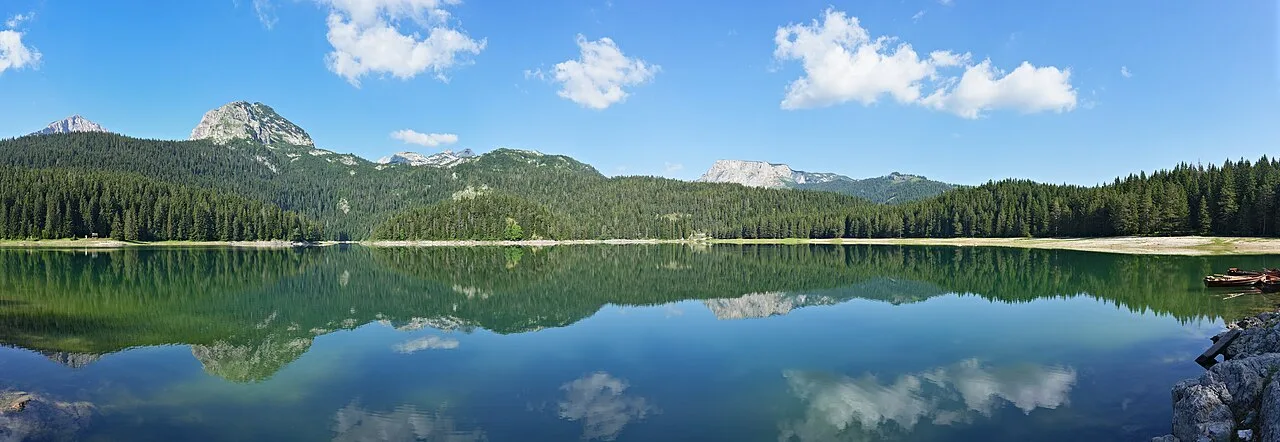
Montenegro’s interior is a different holiday altogether. Žabljak, the highest town in the Balkans, is the gateway to Durmitor National Park - the Black Lake, the Tara Canyon (Europe’s deepest, and the country’s rafting hub) and serious hiking. Kolašin is the smaller mountain town, a ski base in winter and the way in to Biogradska Gora’s old-growth forest. It’s cool in summer when the coast bakes, and the landscapes are the equal of anything on the water.
Be clear-eyed about the trade-off: this is a long drive from the coast, and you’d base here only if the mountains are the reason you came. Most visitors treat the north as a two-night add-on to a coastal trip rather than a main base. If you’re weighing it up, our Durmitor National Park guide covers what’s up there, and how many days in Montenegro has sample plans that fold in a mountain leg. The nearest airport is Podgorica (TGD).
Lake Skadar (Virpazar): a night by the water
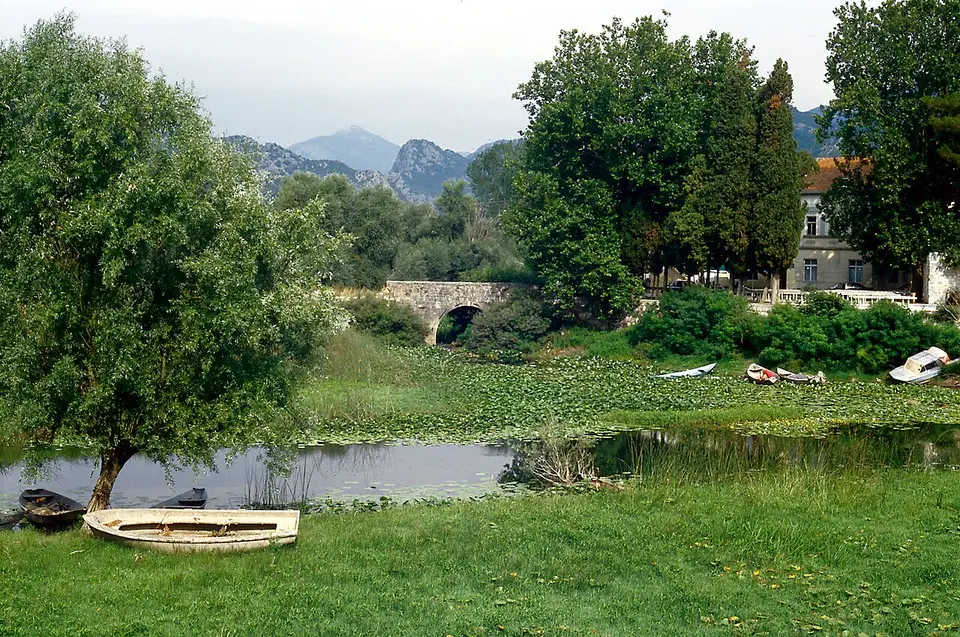
Virpazar, a small village on the shore of Lake Skadar between Podgorica and the coast, is worth a night if you like slow, watery landscapes. It’s the launch point for boat trips across the Balkans’ largest lake - a birdwatching haven - and for the wineries of the Crmnica region. It’s not a whole-trip base, but it slots neatly between the coast and the capital or the north. See the Lake Skadar guide for the boat trips and viewpoints.
What about Podgorica?
Skip it as a holiday base. Podgorica is the capital and the country’s transport hub - its airport (TGD) has the most year-round flights, and buses and the train radiate from here - but it’s an inland administrative city with little to hold a tourist. Stay a night only if a late or early flight forces it, or if you’re heading straight for the mountains. The Podgorica guide covers what there is to see if you do pass through, and if you are staying over, where to stay in Podgorica sorts the areas from the convenient (Nova Varoš) to the merely practical (by the station).
Planning notes
One base is usually enough. From the Boka or the Riviera you can reach nearly every coastal sight and most inland ones as a day trip, and the coastal buses make it cheap to move around without a car - the full breakdown is in getting around Montenegro. The main reason to split your stay across two bases is adding Durmitor: coast first, then two nights in the north.
Book early for July and August - the coast is at its busiest and rooms in Kotor, Budva and Tivat go fast and pricey. Late spring and early autumn are gentler on both crowds and prices; for the full season-by-season picture, see the best time to visit Montenegro. Once you’ve settled on a base, you can compare places to stay and day tours from it using the boxes below.
Nearby / read also
- Kotor - the walled old town and the most dramatic base in the bay.
- Budva - beaches, the old town and the coast’s nightlife.
- Tivat - Porto Montenegro and the easy, central base near the airport.
- Podgorica - the capital and transport hub.
- Best beaches in Montenegro - where to swim, coast to coast.
- Montenegro travel guide - the whole country in four regions, and how to split the days.
- How many days in Montenegro - 3-, 5- and 7-day plans by interest.
- Best time to visit Montenegro - season by season.
- Getting around Montenegro - buses, taxis, car and ferries.
- Durmitor National Park - the north’s hiking and rafting hub.
- Lake Skadar - boat trips and wineries by the lake.
Read also

Before you go · 16 min read
Bay of Kotor Boating Rules: Licence, Speed Limits & Fines
Updated · September 5, 2026Montenegro boat rules 2026: certificate at 18 for self-drive, 6 knots within 300 m, 18-knot corridors, no motor boats in the Blue Cave, fines from €500.

Before you go · 12 min read
13 Montenegro Travel Mistakes to Avoid
Verified · August 29, 2026Concrete Montenegro travel mistakes with real numbers: toll lanes, ferry queues, ATM fees, park fees per day, and roads slower than the map admits.

Before you go · 10 min read
Kotor or Herceg Novi: Which Bay Town to Stay In
Updated · September 25, 2026Kotor or Herceg Novi as your Bay of Kotor base? Old towns, beaches, cruise crowds, Dubrovnik access and prices compared - who each town suits.

Before you go · 14 min read
All-Inclusive Montenegro: Resorts That Actually Exist
Updated · August 23, 2026Real all-inclusive hotels in Montenegro are rare - most listings are half board. The five that are genuine, and how to check before you book.