
Montenegro Hiking Season: Best Months for the Mountains
When to hike in Montenegro: high trails in Durmitor and Prokletije clear from late June to September, while the coast walks best from October to May.
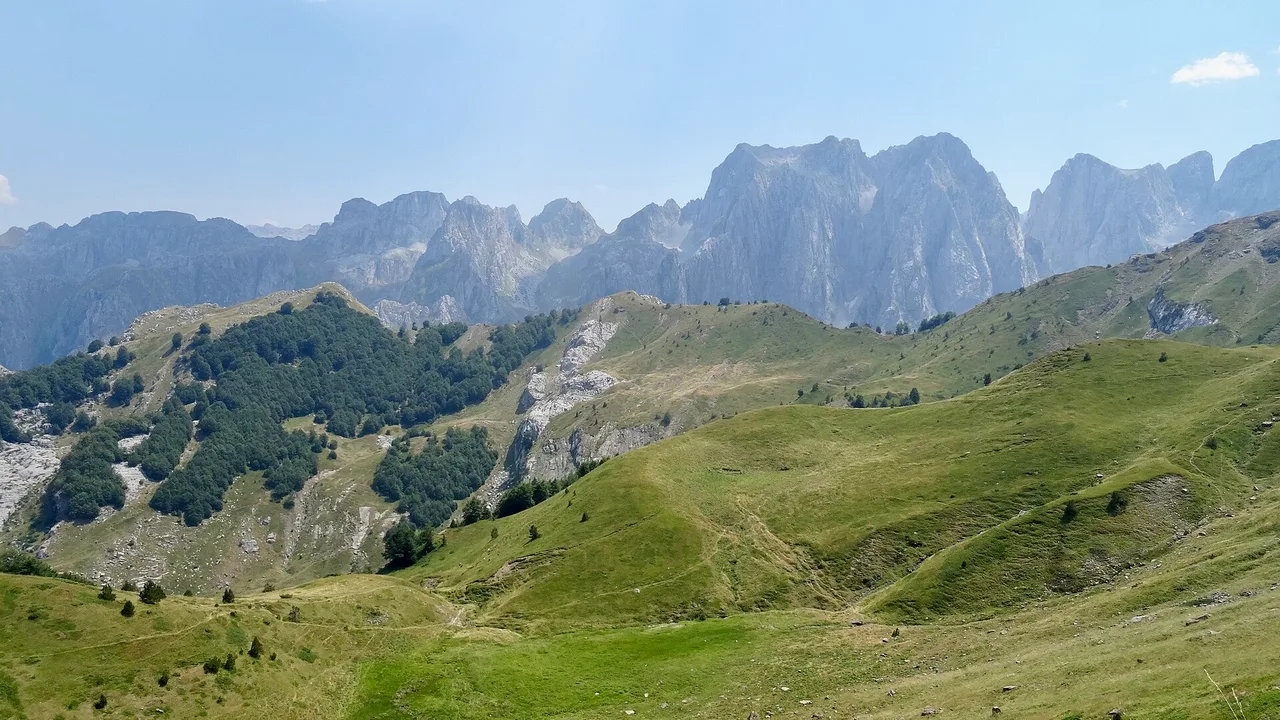
The high trails in Montenegro are reliably walkable from late June to the end of September, and if you can only pick one month, pick September. That is a different answer from the one you get for the coast, where May, June and October walk best. Up on the high ridges those same months can mean snow in the gullies, a locked-in cloud base and a pass road nobody has cleared yet. The country is small enough to swim in the morning and stand on a mountain by lunch, but its two halves run on calendars about two months apart, and that offset is what catches out most first-time hikers.
Two hiking seasons, two months apart
Ask when the hiking season starts here and the honest reply is a question back: at what altitude? The ground runs from sea-level limestone to 2,534 m, and each band clears on its own schedule, which gives you four overlapping seasons rather than one.
| Where | Prime window | What decides it |
|---|---|---|
| High Durmitor, Prokletije, Komovi (1,800-2,500 m) | Late June - late September | Snow in north-facing gullies and on the passes |
| Bjelasica, Sinjajevina, lower northern trails | June - October | Meltwater and mud in spring, first snow in late autumn |
| Lovćen and the Bay ridges (Vrmac, the Ladder of Kotor) | October - May | Summer heat, not snow |
| Lake Skadar and lowland paths | March - May, October - November | Humidity and blazing afternoons in midsummer |
The numbers behind that table are blunt. Žabljak, the base town for Durmitor, sits at 1,456 m, and its warmest month averages a high of about 22°C in August while the coast is pushing 30°C; in January the average low up there’s roughly -7°C (climate averages for Žabljak, checked 1 August 2026). Our Montenegro weather by month guide lines up the coastal figures beside them.
Late June to mid-September: when the high trails open
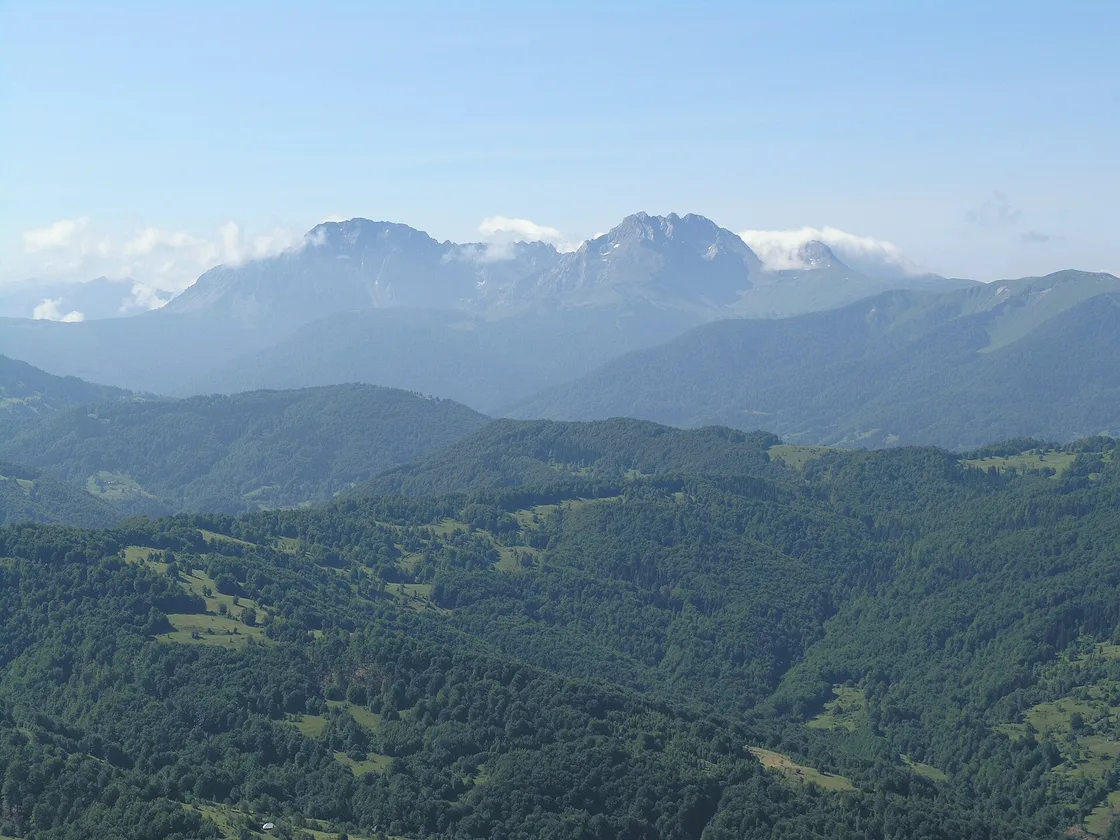
Nobody publishes an opening date for a mountain, which is why this window is a range and not a schedule. Snow leaves the meadows in May, hangs on in shaded gullies and on the high saddles through June, and has gone from most marked routes by the end of June. From then until the equinox the classic days are on: Bobotov Kuk (2,523 m) in Durmitor, the ridges above the Grebaje and Ropojana valleys in Prokletije, and the long haul up Zla Kolata (2,534 m), the highest summit in the country. Zla Kolata isn’t an ordinary day out: its summit stands on the Albanian border, so a route that steps over the line needs the cross-border permit described below, arranged weeks ahead.
Early June is the gamble. The meadows look like high summer, the guesthouses are cheap and half empty, and then you reach a north-facing traverse at 2,200 m and find old, hard snow with a runout you don’t want to test in trail shoes. If you’re locked into early-summer dates, build the trip around lakes, forests and ridges below about 1,800 m, and count any summit as a bonus.
The roads follow the same logic. The Sedlo pass at 1,907 m, the highest paved pass in Montenegro and the spine of the Durmitor Ring drive, is a late-May to October road: snow shuts the top sections in winter, and passes clear last in spring. That matters even if you never drive it, because several Durmitor trailheads sit along it.
July and August up high: cool air, big storms, cheap beds
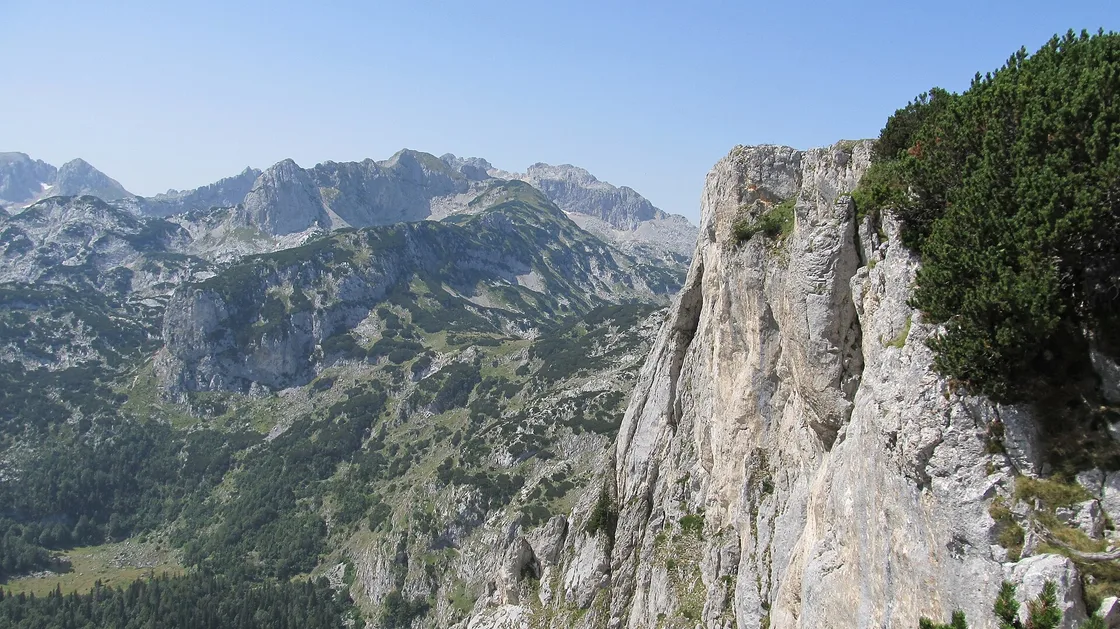
Here’s the inversion that surprises people who know Montenegro only as a beach country. July and August are the north’s best-value months. While Budva and Kotor are at their most expensive and most crowded, Žabljak and Kolašin are simply having their season: rooms cost a fraction of coastal rates, the air sits in the low twenties, and the trails carry a small share of the crowd you’d meet on an Alpine equivalent.
What you pay for that’s the sky. Žabljak’s own climate summary names July and August as the best months to be there and adds the warning in the same breath: afternoon thunderstorms. Above 1,800 m on a limestone plateau there’s no tree cover, which makes you the tallest thing on it when one arrives. The local habit is to start at first light and be off exposed ground by early afternoon, which also buys calm air and the best light. Carry a shell and a warm layer even when it’s 30°C at the coast.
High-summer crowds pile into a few spots and ignore everything else. The Black Lake shore in Durmitor National Park can feel like a promenade at midday in August; walk 40 minutes uphill from the same car park and you’ll have the mountain largely to yourself.
September: the month to book
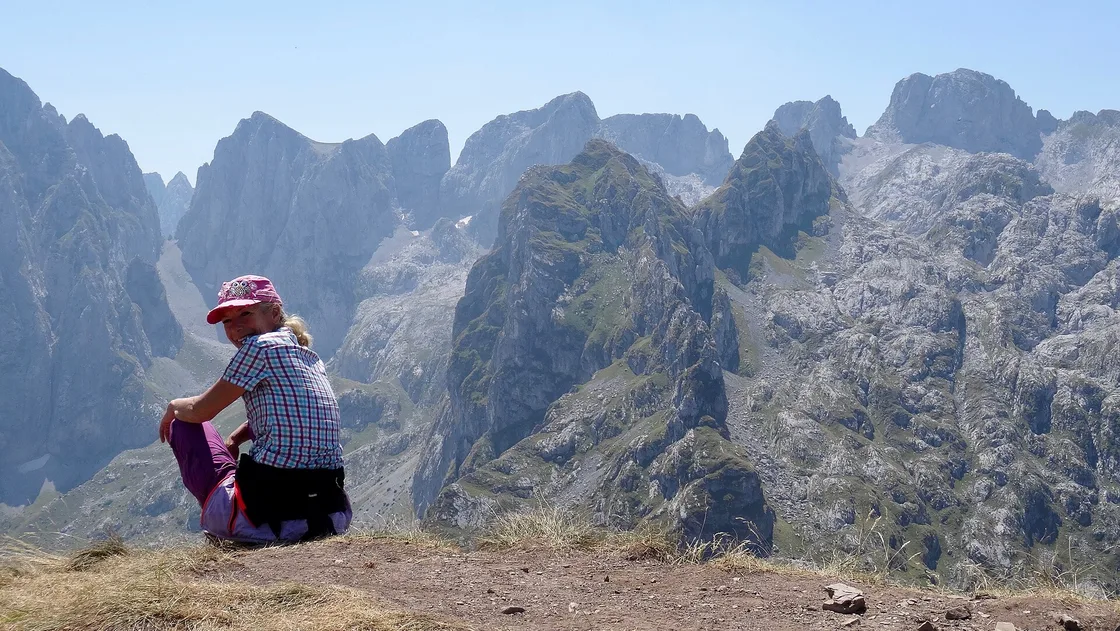
If a Montenegrin mountain guide gets to choose the dates, they choose September. The storm risk drops, the air turns clear enough to pick out the Adriatic from the northern ridges, the summer visitors have gone home, and the guesthouses are still open. Water is the thing to plan around: springs and seasonal streams run low by late summer, so fill up where you can rather than trusting a source marked on an old map.
The window has an edge, and in the far north it arrives sooner than you’d expect. Around Plav and Gusinje, the villages that serve Prokletije, guesthouses start closing from mid-October, and once they do the logistics of a multi-day walk get much harder. Late September into the first days of October is the last comfortable slot for a hut-to-hut trip up there.
May, June and October: the honest shoulder
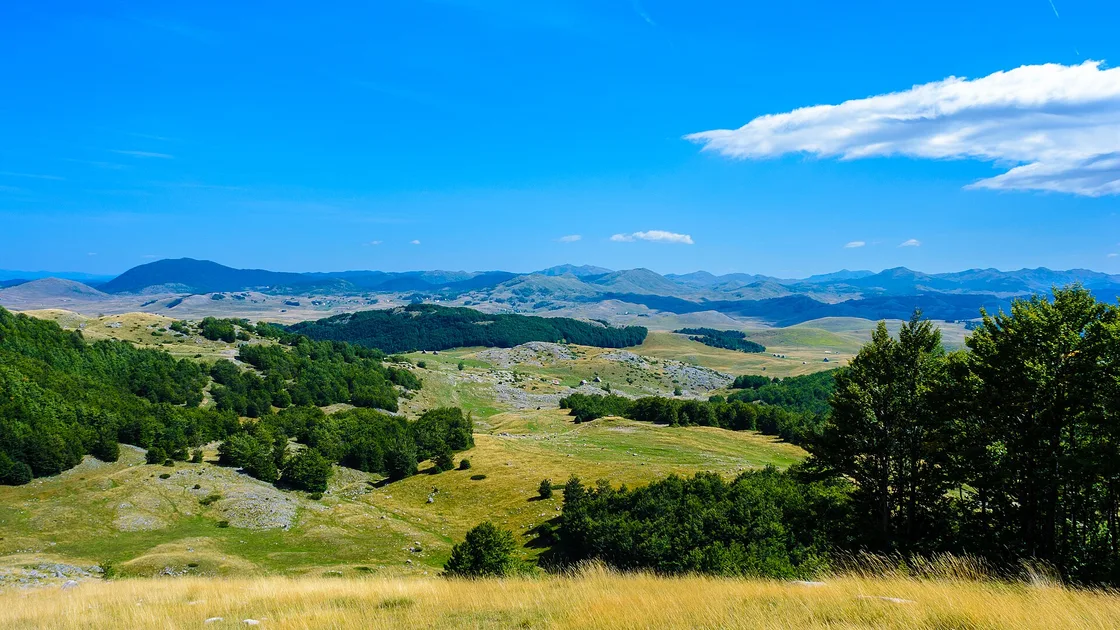
Shoulder-season walking here’s excellent, as long as you match the month to the right ground.
- May and early June belong to the middle altitudes. Waterfalls are loud with meltwater, the pastures are full of flowers, and the beech forests of Bjelasica around Biogradska Gora are at their best. The lake loop there and the trail up to Dolovi work weeks before the high Durmitor routes do.
- Late June is the changeover. Some years the passes are clear by the 15th; some years snow sits on them until the very end of the month. Ask at a park visitor centre or your guesthouse rather than trusting a blog written in a different year.
- October is beautiful and shortening. The light is the best of the year and the beech woods turn, but daylight is down to about eleven hours, the first snow can land on the tops, and services thin out weekly. Keep plans modest and turnaround times early.
Winter: the coast becomes the trail
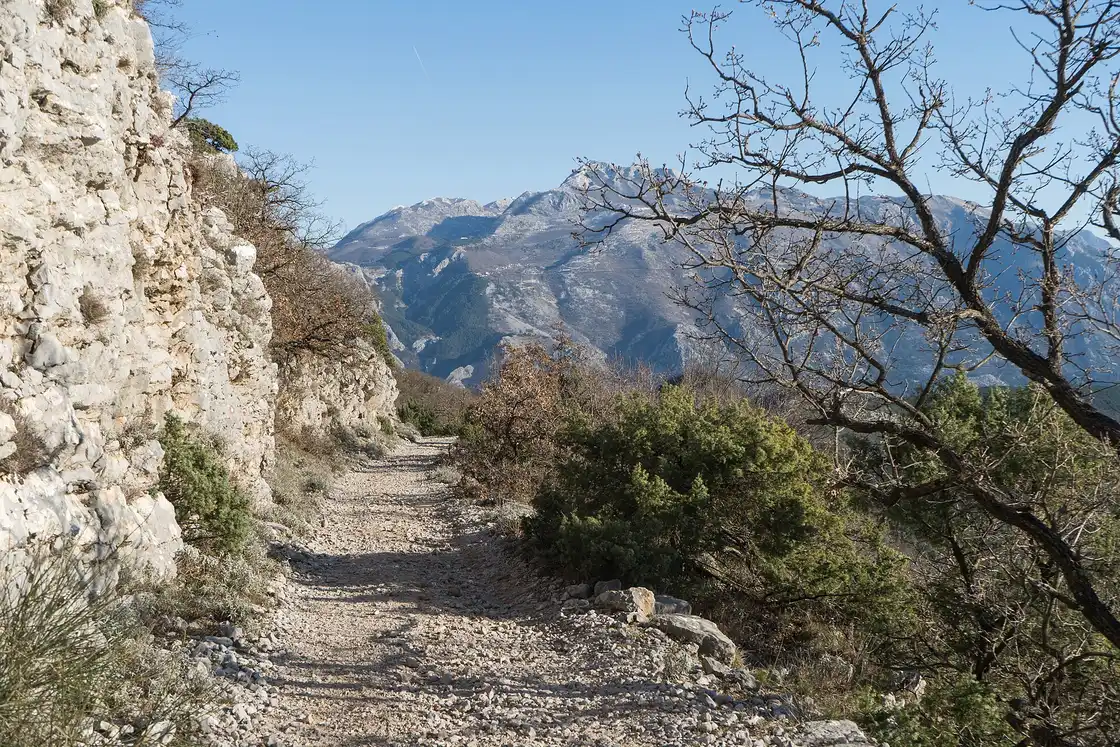
November to March isn’t a dead season for walking, it’s a relocation. The limestone ridges above the Bay of Kotor - Vrmac, the zigzag of the Ladder of Kotor, the old road to Njeguši, the paths inside Lovćen National Park - are at their best exactly when the north is buried. In January and February you get bare oak, empty trails and snow on the peaks opposite while you walk in a fleece. The same routes in July are a shadeless slog.
Up north, winter turns walking into a different sport. The national parks rent snowshoes for €4 a day and poles for €3, Žabljak’s Savin Kuk runs as a small ski area, and the mountain roads and passes close or turn chain-only. Anything above the treeline in winter is avalanche terrain, which calls for a guide rather than a guidebook.
What a hiking day actually costs
Montenegro is cheap to walk in, and the official price list is short. These rates come from Nacionalni parkovi Crne Gore, the national parks authority, checked 1 August 2026.
| Item | Official rate |
|---|---|
| Durmitor day ticket | €5 per person per day |
| Biogradska Gora day ticket | €4 per person per day |
| Prokletije day ticket | €3 per person per day |
| Lovćen day ticket | €3 per person per day |
| Park guide | €40 for 4 hours, €80 for 8 hours |
| Trekking poles / snowshoes | €3 / €4 per day |
Children under 15 enter all five national parks free, which quietly changes the arithmetic of a family trip. And a park guide at €40 for a half day is the bargain of Montenegrin hiking: for the price of two pizzas on the Budva seafront you get someone who knows which gully still holds snow and when the cloud usually rolls in. If you’re eyeing Bobotov Kuk or a first day in Prokletije, that’s the money best spent.
Fees are collected at staffed points in season and card machines are unreliable, so carry cash. An annual all-parks pass, about €13.50 when we last checked, pays for itself over three or four park days. Rates move year to year; this is the published position today.
Permits, rescue and the small print
Start with the cross-border permit for the Peaks of the Balkans trail, the multi-day route linking Montenegro, Albania and Kosovo through the Prokletije. Crossing on foot at those remote points is legal only with an authorisation, which you apply for with a copy of your passport and the exact date and place of each crossing. It’s valid only for the day you name, and walking across without one risks a fine of roughly €300 (Peaks of the Balkans border permits, checked 1 August 2026). The thru-hike is the usual reason people apply, but the same rule covers any step over the line, which is where a border summit like Zla Kolata comes in. Local agencies tell you to allow a couple of weeks, so this is a booking-time job. Confirm the current process before you rely on any of it.
Then there’s what happens when things go wrong. Canada’s government travel advice for Montenegro is unusually direct about the mountains: trails “are not always marked and weather conditions can change rapidly, even in summer”, and it tells travellers to “buy travel insurance that includes helicopter rescue and medical evacuation” (travel.gc.ca, checked 1 August 2026). It also notes that doctors and hospitals here often expect immediate cash payment. Standard leisure policies frequently cap or exclude hiking above a set altitude, and Montenegro’s best days out sit above it: our Montenegro travel insurance guide covers what to look for. The emergency number country-wide is 112.
Flying in for the mountains: which airport, which month
For a beach holiday, Tivat is the obvious airport. For a hiking trip, the answer flips.
Podgorica (TGD) sits closer to the trailheads - roughly 125 km and 2.5 hours to Žabljak, against about 170 km and 3.5 hours from Tivat - and, more to the point, it runs all year. Tivat (TIV) is a seasonal airport whose schedule concentrates into roughly April or May through October, so an October hiking week or a February trip on the coastal ridges is far easier to build around Podgorica. Our Tivat vs Podgorica airport comparison has the drive times.
Buses will get you to Žabljak and Kolašin, but they stop far short of the passes, the katun tracks and the Prokletije valleys, which is where a hire car stops being optional.
One last piece of timing. If you want the mountains and the sea in one trip, September hands you both: warm water on the coast, stable air in the north, and the August crowds gone. That’s the one month when the shoulder-season answer in our best time to visit Montenegro guide and the mountain answer here finally agree.
Nearby / read also
- Durmitor National Park - the Black Lake, Bobotov Kuk and the Tara canyon.
- Best hikes in Montenegro - twelve trails from the Ladder of Kotor to Grebaje.
- Where to stay in Žabljak - the base town for the high trails.
- Biogradska Gora National Park - gentler Bjelasica walking, weeks earlier.
- Montenegro weather by month - coastal and mountain numbers side by side.
- Best time to visit Montenegro - the whole-country view, coast first.
- Montenegro travel insurance - altitude limits and rescue cover.
Read also

Before you go · 16 min read
Bay of Kotor Boating Rules: Licence, Speed Limits & Fines
Updated · September 5, 2026Montenegro boat rules 2026: certificate at 18 for self-drive, 6 knots within 300 m, 18-knot corridors, no motor boats in the Blue Cave, fines from €500.

Before you go · 12 min read
13 Montenegro Travel Mistakes to Avoid
Verified · August 29, 2026Concrete Montenegro travel mistakes with real numbers: toll lanes, ferry queues, ATM fees, park fees per day, and roads slower than the map admits.

Before you go · 10 min read
Kotor or Herceg Novi: Which Bay Town to Stay In
Updated · August 26, 2026Kotor or Herceg Novi as your Bay of Kotor base? Old towns, beaches, cruise crowds, Dubrovnik access and prices compared - who each town suits.

Before you go · 14 min read
All-Inclusive Montenegro: Resorts That Actually Exist
Updated · August 23, 2026Real all-inclusive hotels in Montenegro are rare - most listings are half board. The five that are genuine, and how to check before you book.