
Kotor or Budva: Where Should You Stay in Montenegro?
Kotor or Budva as your Montenegro base? Beaches, nightlife, old towns, prices and day trips compared - plus who each town actually suits.
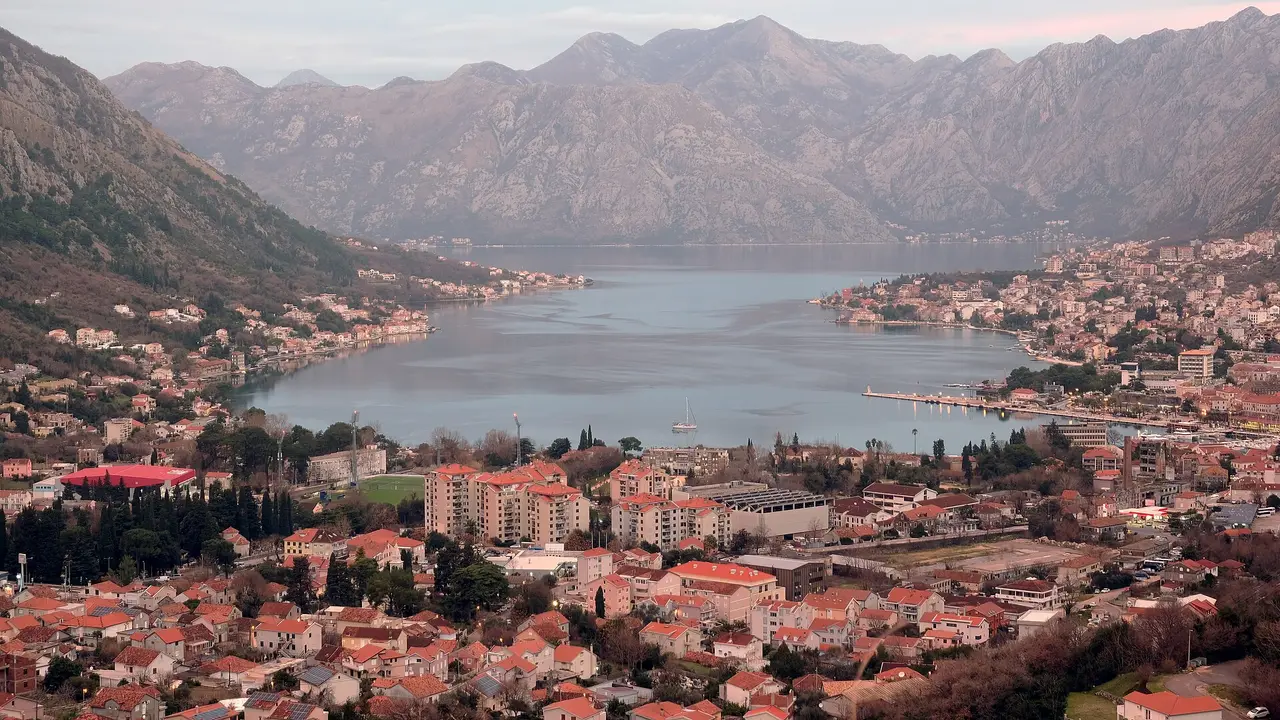
For a first trip built around beaches, nightlife and easy day-to-day convenience, stay in Budva. For a quieter, more scenic base with a medieval old town and bay excursions on the doorstep, stay in Kotor. They’re only about 20 to 30 km apart - a 30-minute drive or a frequent bus - so the “wrong” choice is never a disaster, and with five nights or more the smart move is to split your stay and get both. The real question is which one you sleep in, and that comes down to what your trip is actually for.
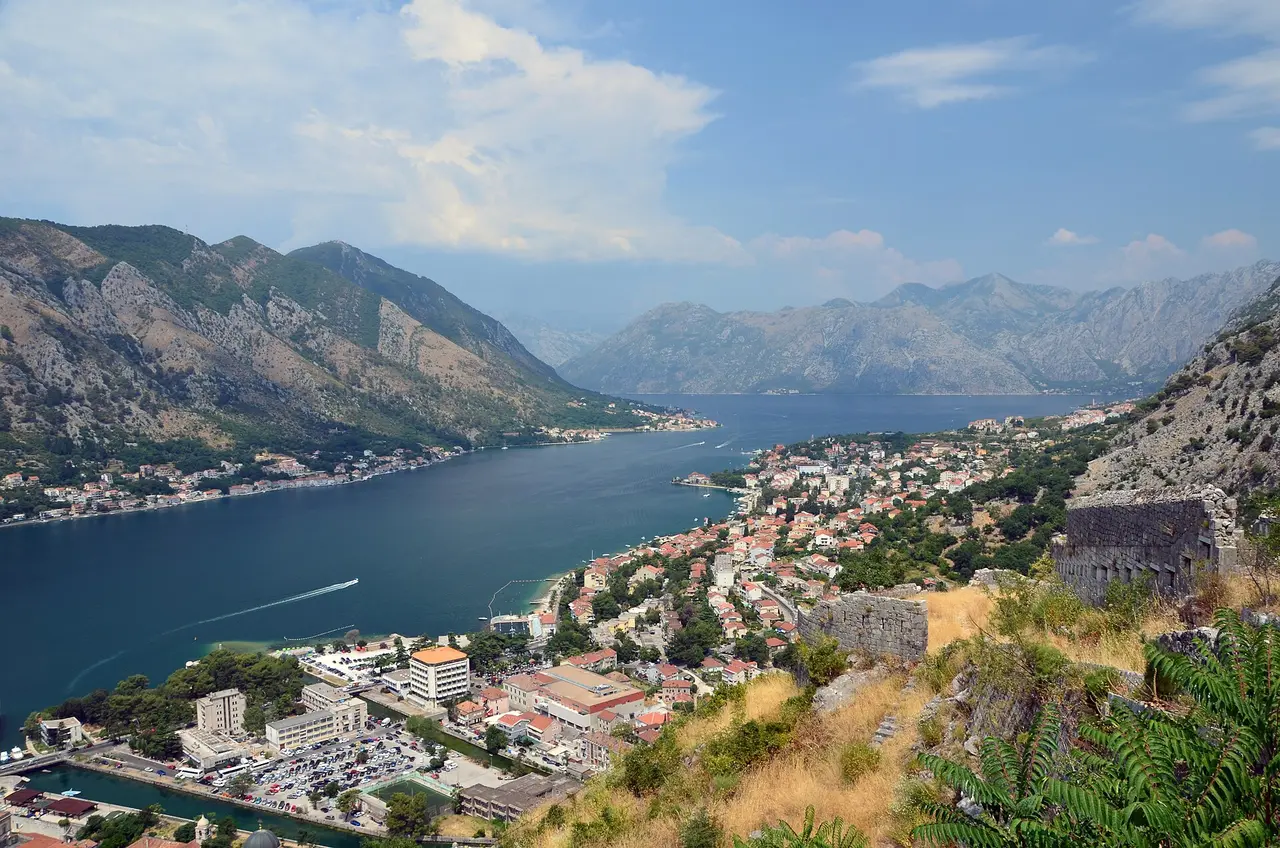
Budva sits on the open Adriatic and is Montenegro’s resort capital: a string of beaches, the biggest nightlife on the coast, and everything packed into a small, walkable core. Kotor sits at the very back of the Bay of Kotor, a fjord-like inlet ringed by near-vertical mountains, with a UNESCO-listed old town and calm bay water instead of surf. That single geographic difference - open sea versus enclosed bay - is what drives almost every practical trade-off between them, from where you swim to how loud the night gets.
Beaches: Budva wins, clearly
If a beach holiday is the point of your trip, this is the whole decision. Budva has its own Riviera - the long town beach of Slovenska plaza, the pretty cliff coves of Mogren a short walk from the Old Town, and the resort beach of Becici just south, with Kamenovo and Sveti Stefan further down the coast. You can walk out of your hotel and be on sand or pebble in minutes.
Kotor has almost no beach of its own. It sits on an enclosed bay, so the water is flat and calm - lovely for a gentle swim off a concrete platform, but there’s no open-sea beach in town. The nearest bathing spots are the small beaches and jetties at Dobrota and Prcanj, a ten to fifteen minute walk along the shore, and for proper open-water swimming you drive out to Plavi Horizonti on the Lustica peninsula, roughly 20 minutes away. Base in Kotor for the scenery and the old town, not for beach days.
Nightlife and evenings: two different moods
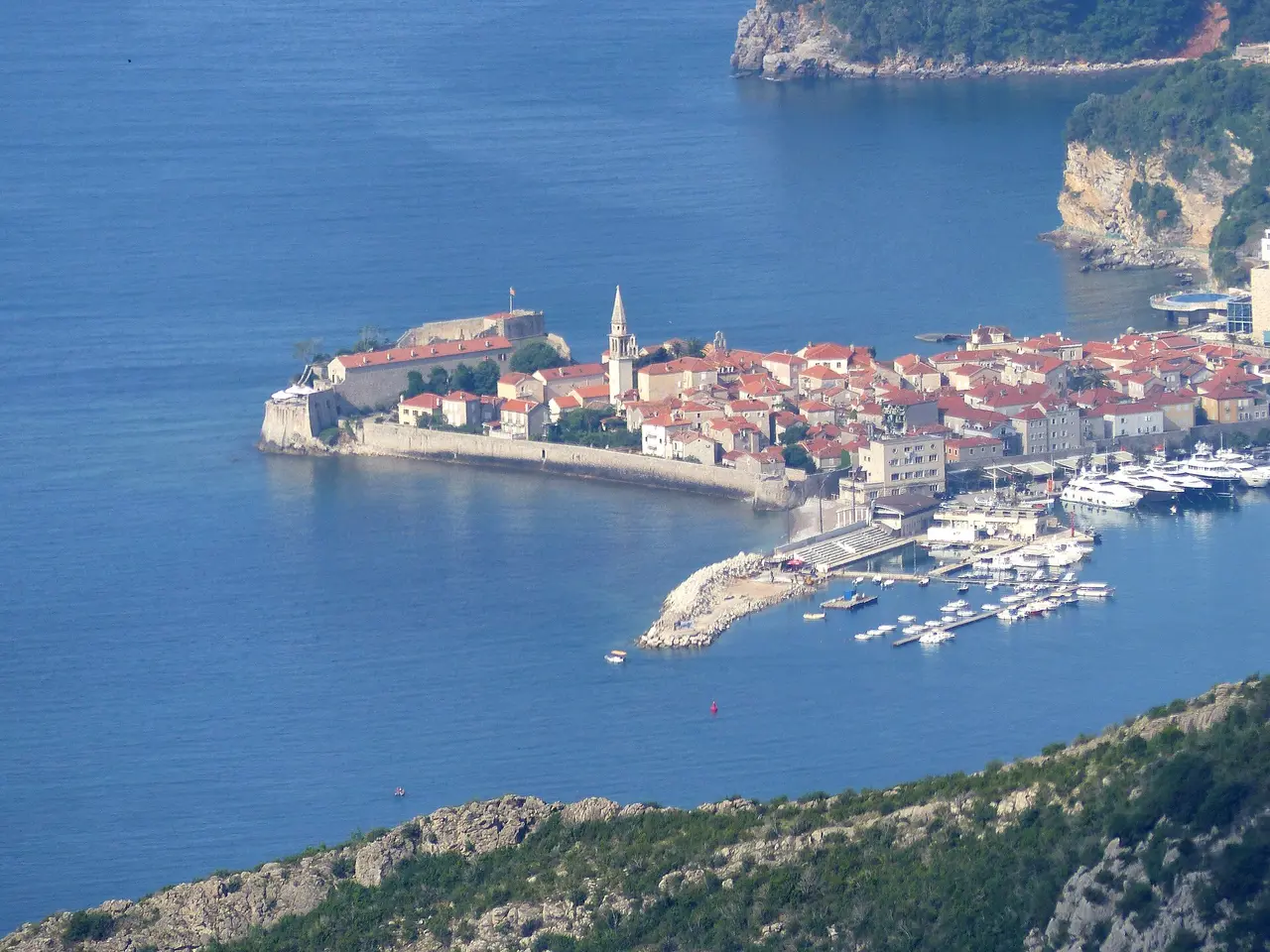
Budva is the nightlife capital of the Montenegrin coast. Beach bars run into the evening, the Old Town lanes are full of restaurants and bars, and the big clubs above town - Top Hill is the famous one, on the hillside overlooking the resort - go until sunrise in summer. If you want a lively, sometimes rowdy holiday where the night is as much a part of it as the day, Budva delivers.
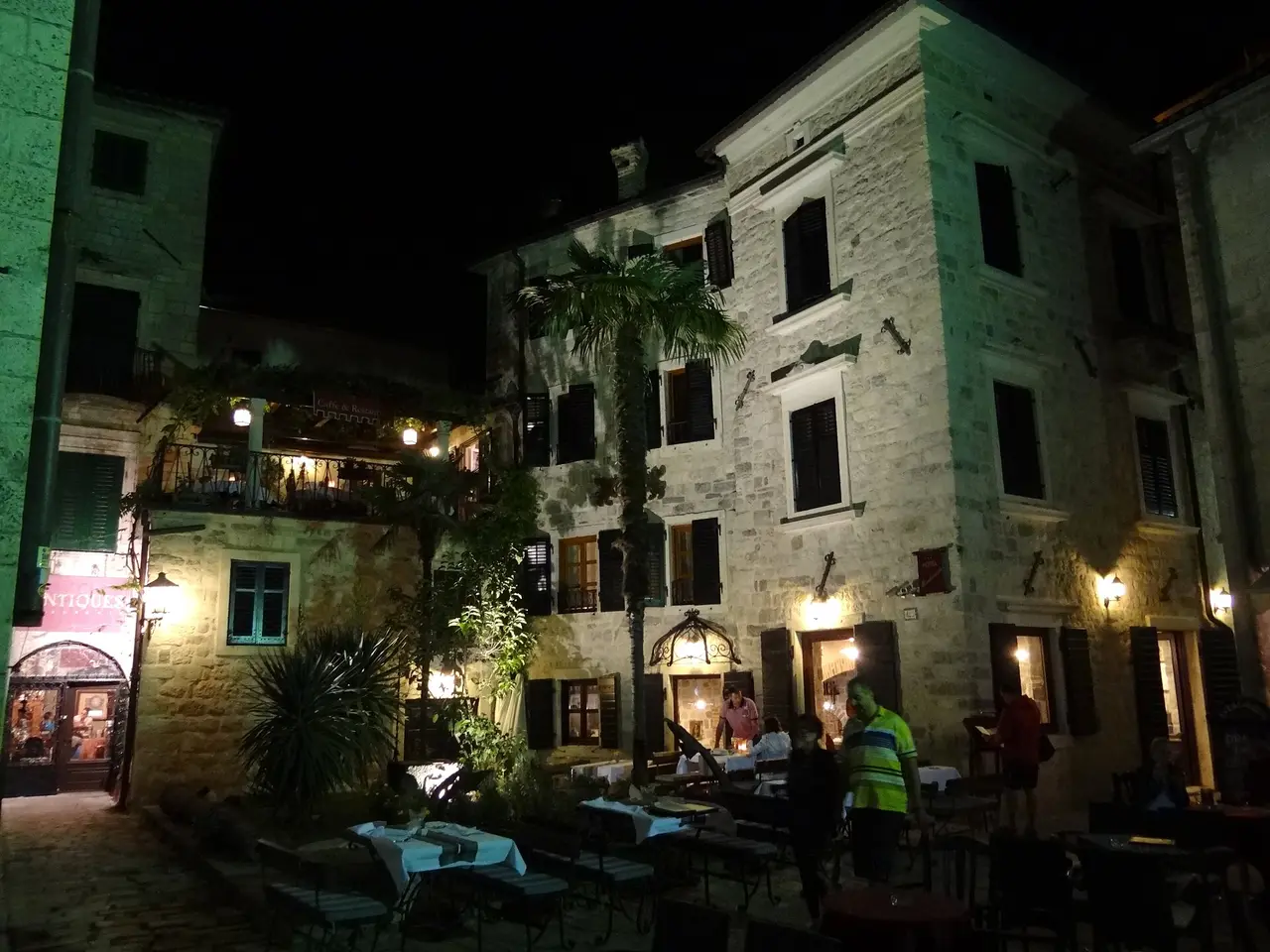
Kotor is calmer, and deliberately so. There are bars and good restaurants inside the walls, and the old-town squares fill with diners on a summer night, but it’s a wine-on-a-terrace scene rather than a club-till-dawn one. Plenty of people find that a relief after a hot day of sightseeing. Choose Budva if the party is part of the plan, Kotor if you would rather the evening wind down over dinner in a stone square.
The old towns: both walled, but different in scale
Both towns are built around a walled medieval core you can only explore on foot, and both are lovely - but they feel different. Kotor’s Old Town is the more dramatic: a UNESCO World Heritage maze of stone lanes, churches and squares, backed by fortifications that zig-zag up the mountain to the San Giovanni fortress. It’s larger, older-feeling and more atmospheric, and the climb up the walls for the view over the bay is one of Montenegro’s signature things to do.
Budva’s Old Town is smaller but genuinely charming - a compact tangle of honey-coloured lanes on a little peninsula, with a citadel at the tip, sea walls dropping to the Adriatic and a marina alongside. It’s busier and more commercial, wrapped by the modern resort rather than standing apart from it. For medieval character and scale, Kotor edges it; for an old town with beaches and buzz right beside it, Budva has the better package.
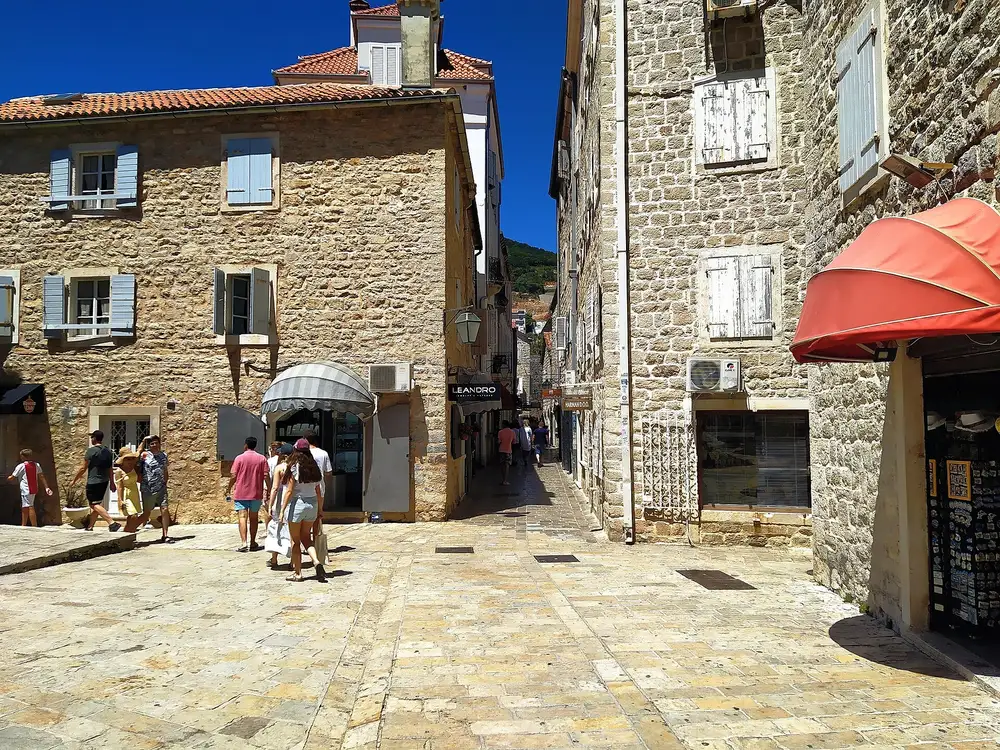
For the full detail on each - what to see, where to eat and where to sleep within them - see the Kotor guide and the Budva guide.
Getting there and getting around
Both towns are easy to reach from the coastal airport. Tivat (TIV) is about 8 km from Kotor (15 minutes) and about 20 km from Budva (25 to 30 minutes) - so on arrival, Kotor is marginally quicker, but both are a short transfer away. Podgorica (TGD), the year-round inland airport, is around an hour from Budva and closer to an hour and three-quarters from Kotor, so if you are flying into Podgorica, Budva is the slightly shorter run. Which airport to pick is its own decision - see Tivat vs Podgorica airport.
Between the two towns, buses run every 30 to 60 minutes, take 40 to 50 minutes and cost about €4 to €5 (checked June 2026 - reconfirm); a taxi does it in around half an hour for roughly €20 to €35. There is no Uber or Bolt in Montenegro, so use marked taxis and agree the fare first. Because the link is so frequent, you can easily base in one town and visit the other for a day. If you plan to roam more widely, a hire car makes the beaches, mountains and villages far easier - see getting around Montenegro for buses, taxis and ferries, and note that Budva’s old-town car parks fill by mid-morning in July and August.
Prices and where to sleep
Neither town is expensive by Western-Europe standards, but they price a little differently. Budva has far more rooms across every bracket - big resort hotels, apartments and mid-range places - and in the shoulder season it’s often the better value simply because there’s more supply. Kotor’s old-town accommodation tends to sit at the pricier, more boutique end in peak summer, partly because space inside the walls is limited. Rates move a lot with the season, so compare live prices for your exact dates rather than trusting a headline figure.
Within each town, the trade-offs are similar: sleep in the old town for atmosphere and walkability but expect noise and no parking, or stay just outside for space, easier parking and lower prices. We break this down street by street in where to stay in Kotor and where to stay in Budva. If you’re still deciding on the wider region - the bay, the Riviera, the north - start with where to stay in Montenegro. For two towns on the same bay rather than this open-coast choice, see Kotor or Herceg Novi.
Day trips: what each base opens up
Both towns make good springboards, and their day-trip lists overlap because they’re so close. From Kotor, the bay is your backyard: a boat out to Perast and the island church of Our Lady of the Rocks, a cruise around the fjord, the serpentine drive up to Lovcen and the old capital Cetinje, and of course Budva itself. From Budva, you have the beaches south to Sveti Stefan, the Riviera coast road, and easy trips to Kotor and the bay, with Lake Skadar and the mountains a longer haul.
The honest takeaway: if your interests lean towards scenery, hiking, boat trips and old-world atmosphere, Kotor puts more of that on your doorstep. If they lean towards beaches, swimming and going out, Budva does. Neither locks you out of the other.
So, Kotor or Budva?
Here is the quick decision:
- First visit, beaches and nightlife, want everything in one walkable place - stay in Budva.
- Scenery, the old town, boat trips and calmer evenings - stay in Kotor.
- Travelling with kids who want sand - Budva, hands down.
- Couples or culture-first travellers after atmosphere - Kotor.
- Five nights or more - split your stay: two or three nights in each, and let the frequent bus do the rest.
Whichever you choose, you’re 30 minutes from the other, so you’re really only deciding where to unpack. Pick the base that matches how you want to spend your evenings and mornings, day-trip to the other, and you get the best of Montenegro’s coast either way. Still weighing the beaches themselves? See the best beaches in Montenegro before you commit.
Read also

Before you go · 16 min read
Bay of Kotor Boating Rules: Licence, Speed Limits & Fines
Updated · September 5, 2026Montenegro boat rules 2026: certificate at 18 for self-drive, 6 knots within 300 m, 18-knot corridors, no motor boats in the Blue Cave, fines from €500.

Before you go · 12 min read
13 Montenegro Travel Mistakes to Avoid
Verified · August 29, 2026Concrete Montenegro travel mistakes with real numbers: toll lanes, ferry queues, ATM fees, park fees per day, and roads slower than the map admits.

Before you go · 10 min read
Kotor or Herceg Novi: Which Bay Town to Stay In
Updated · August 26, 2026Kotor or Herceg Novi as your Bay of Kotor base? Old towns, beaches, cruise crowds, Dubrovnik access and prices compared - who each town suits.

Before you go · 14 min read
All-Inclusive Montenegro: Resorts That Actually Exist
Updated · August 23, 2026Real all-inclusive hotels in Montenegro are rare - most listings are half board. The five that are genuine, and how to check before you book.