
Best time to visit Montenegro: season by season
When to visit Montenegro: July-August for the warmest sea, May-June and September-October for sightseeing without the crowds.
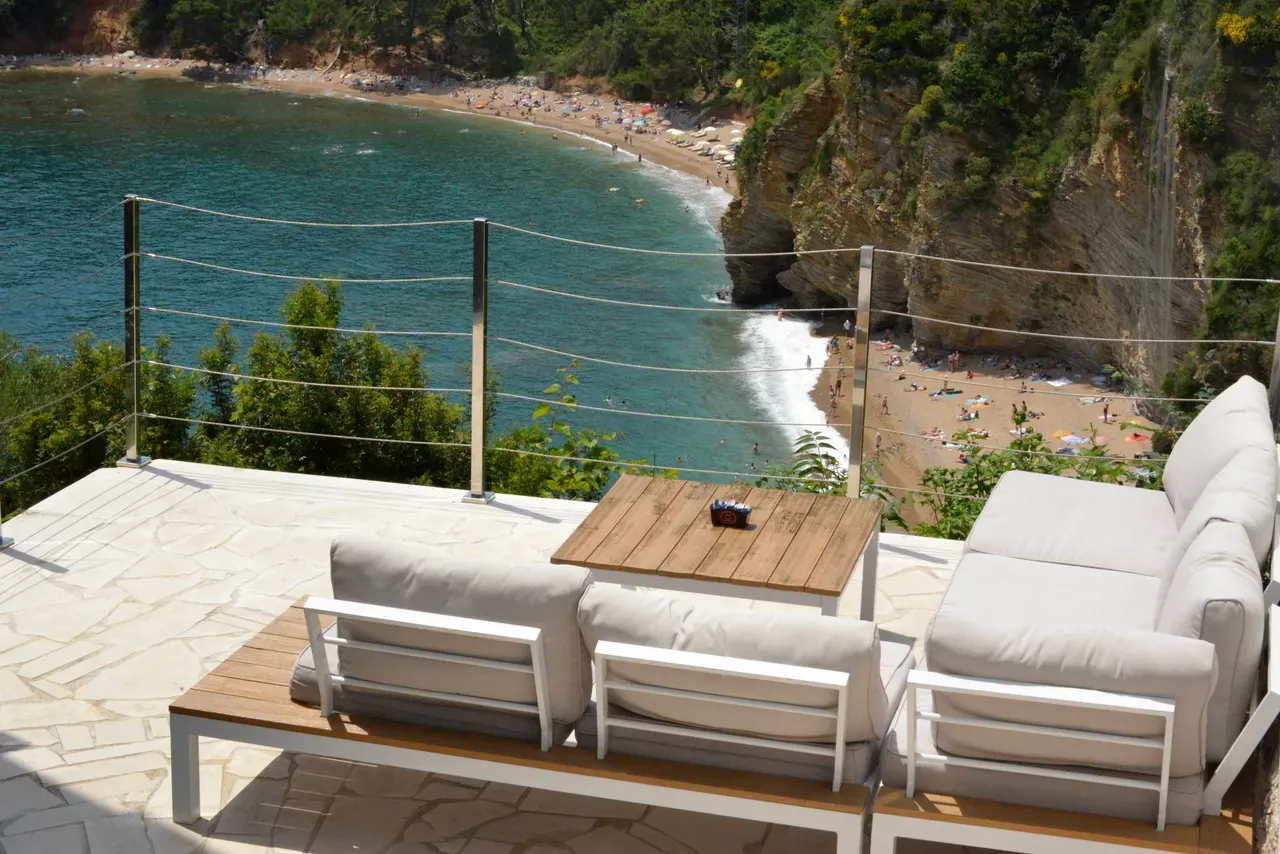
The best time to visit Montenegro is July and August if you want the warmest Adriatic and a full beach season, but the smartest window for most travellers is the shoulder season - May-June and September-October - when the weather is mild, prices drop and the coast empties out. Come in winter only if your goal is skiing or quiet, rainy seaside towns. This is a compact country where the warm coast and snow-capped mountains sit a couple of hours apart, so “the best time” really depends on whether you came for the sea, the trails or the slopes.
Quick answer by month
Montenegro packs Mediterranean beaches, the fjord-like Bay of Kotor and high alpine peaks into a small area, and each has its own peak. Use the table below as a starting point, then read the season notes for the detail. For the month-by-month temperature, sea and rainfall figures, see our Montenegro weather by month guide.
| Season | Months | Weather | Crowds & prices | Best for |
|---|---|---|---|---|
| Spring shoulder | May-Jun | Mild, warming | Low to moderate | Sightseeing, hiking, road trips |
| High summer | Jul-Aug | Hot ~28-32°C | Busiest, priciest | Beaches, swimming, festivals |
| Autumn shoulder | Sep-Oct | Warm, mellow | Moderate, falling | Warm sea + fewer crowds |
| Winter | Nov-Mar | Cool, rainy coast | Quiet coast, ski season inland | Skiing, low-cost city breaks |
The single biggest factor is the summer concentration: more than 40% of the country’s annual overnight stays fall in July and August alone. Travel a few weeks either side of that window and you get much the same scenery for far less money and stress.
Summer (July-August): warmest sea, biggest crowds
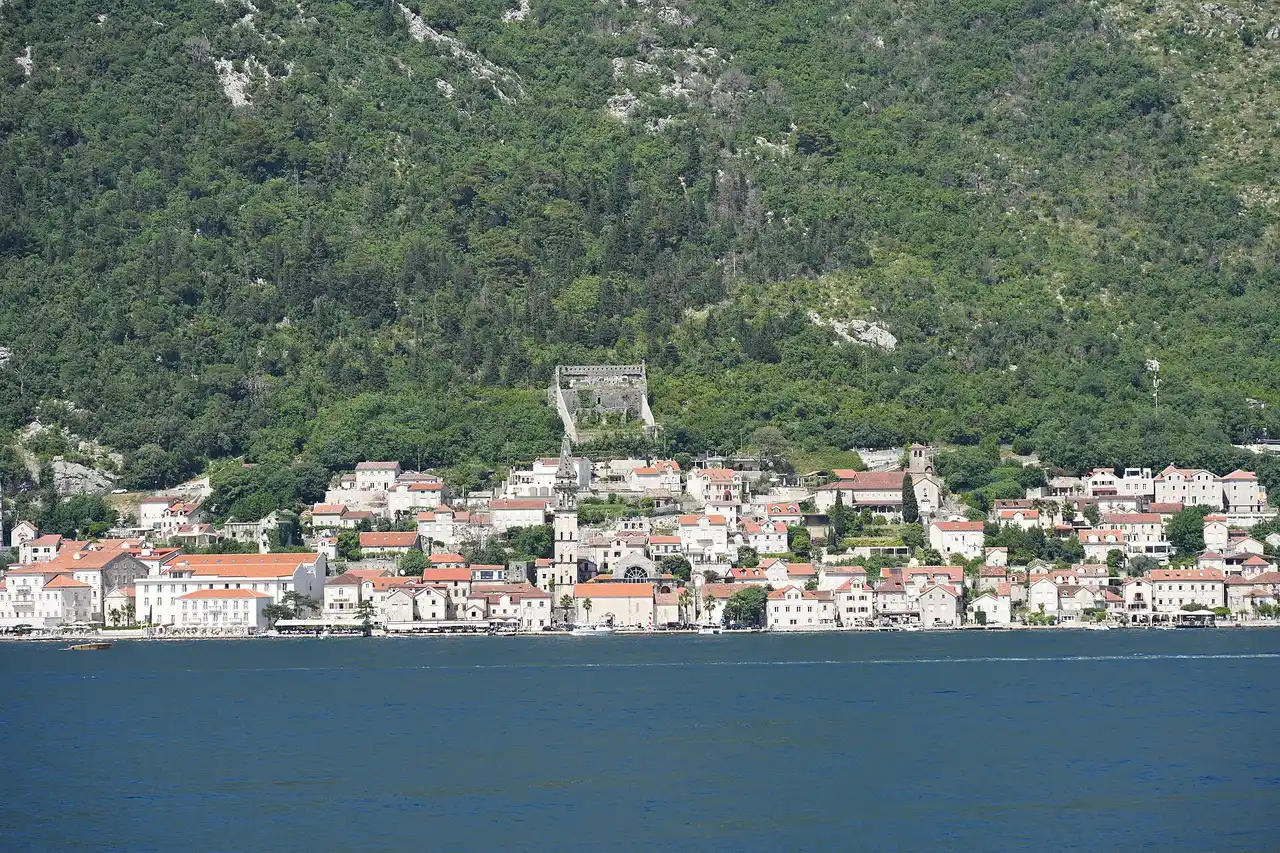
If your idea of Montenegro is long days on the beach and warm swims, summer delivers. Daytime temperatures on the coast typically sit around 28-32°C, and the sea is at its warmest - roughly 24-25°C - so it’s comfortable to swim for hours. If swimming drives your dates, you’ll want our Montenegro sea temperature guide - it tracks the water month by month. Don’t plan peak summer blind: this is also the busiest and most expensive time to visit. The Budva Riviera, Kotor’s old town and the most popular beaches get genuinely packed, accommodation books out, and road traffic around the Bay of Kotor slows to a crawl on the hottest weekends.
Summer is also festival season. Late August brings EXIT2 Montenegro (Sea Dance), a major electronic-music festival on the Budva coast, while KotorArt runs across July and August inside the UNESCO-listed old town of Kotor with classical concerts, theatre and street performance - our Montenegro events calendar has the full year, including the February carnival season most summer visitors never see. If festivals and a guaranteed beach climate are the point of your trip, that’s your window - you’ll need to book early and budget for peak prices.
Practical tip: if you must travel in high summer, base yourself slightly away from the busiest hubs and start beach days early. You’ll want your own car to reach quieter coves and escape inland when the coast gets too hot and crowded - see our guide to renting a car in Montenegro for how that works.
Shoulder seasons (May-June and September-October): the sweet spot
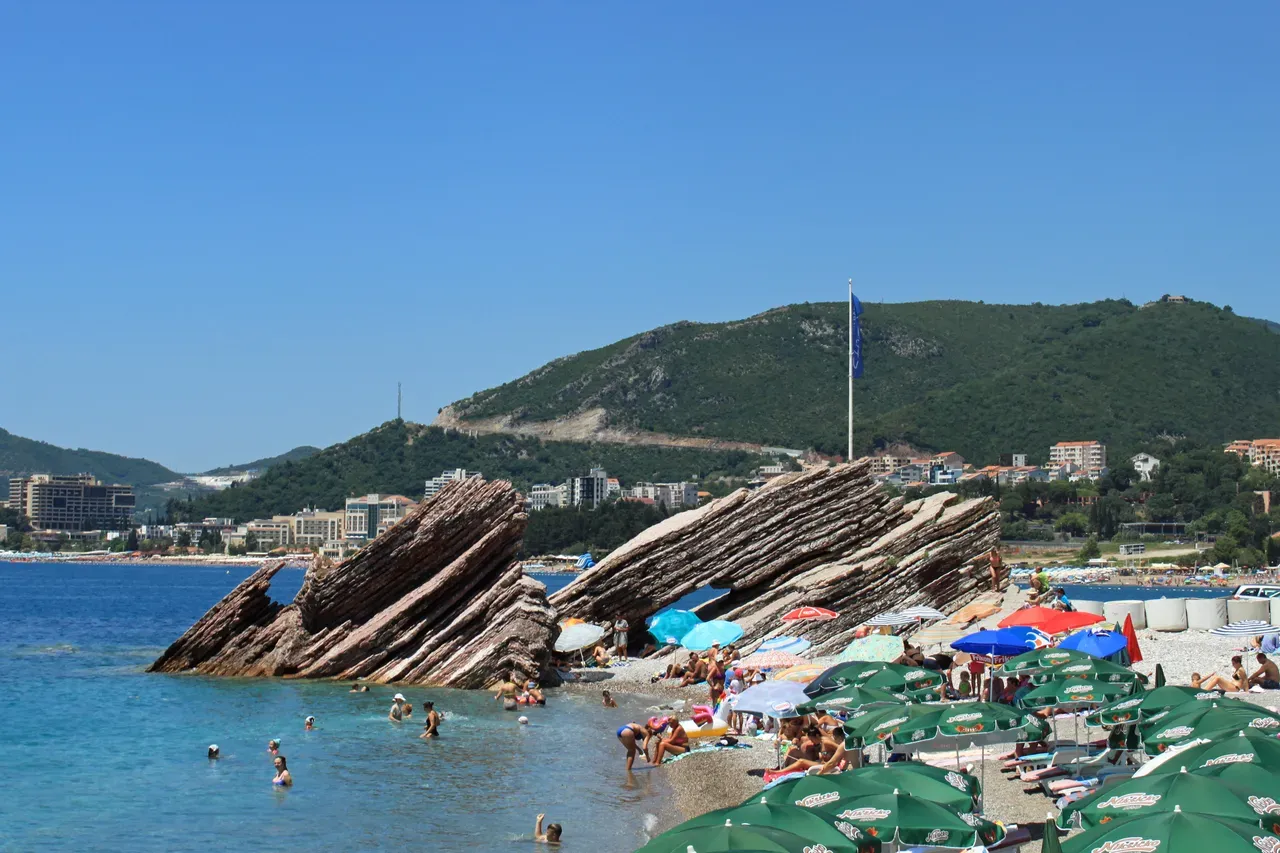
You’ll find the shoulder months the best time to visit Montenegro for most travellers. In May and June the landscape is green, wildflowers are out, and temperatures are mild and pleasant for walking the Kotor city walls, exploring old towns and driving the mountain serpentines without the summer heat. Crowds are far thinner than in peak season and prices are noticeably lower. The sea warms up through June and is comfortable for swimming from roughly June onward, so an early-summer trip can still include beach days.
September and October may be the best compromise of all. September in particular keeps a warm sea - the Adriatic holds its summer heat well into autumn - so you’ll still swim, but the August crowds have largely gone home and rates have softened. October cools down and brings more changeable weather, yet stays excellent for sightseeing, hiking and road trips, with golden light on the mountains and the Bay of Kotor.
These are the months we’d recommend for a first trip that mixes coast, culture and nature. They’re ideal for the kind of multi-stop itineraries you’ll find in our Montenegro travel guide, and for getting out onto the trails before or after the high heat. The Tara River rafting season also runs right through this window - roughly May to October - so a shoulder-season trip can pair beach time with a day on the river.
Winter (November-March): quiet coast, snowy mountains
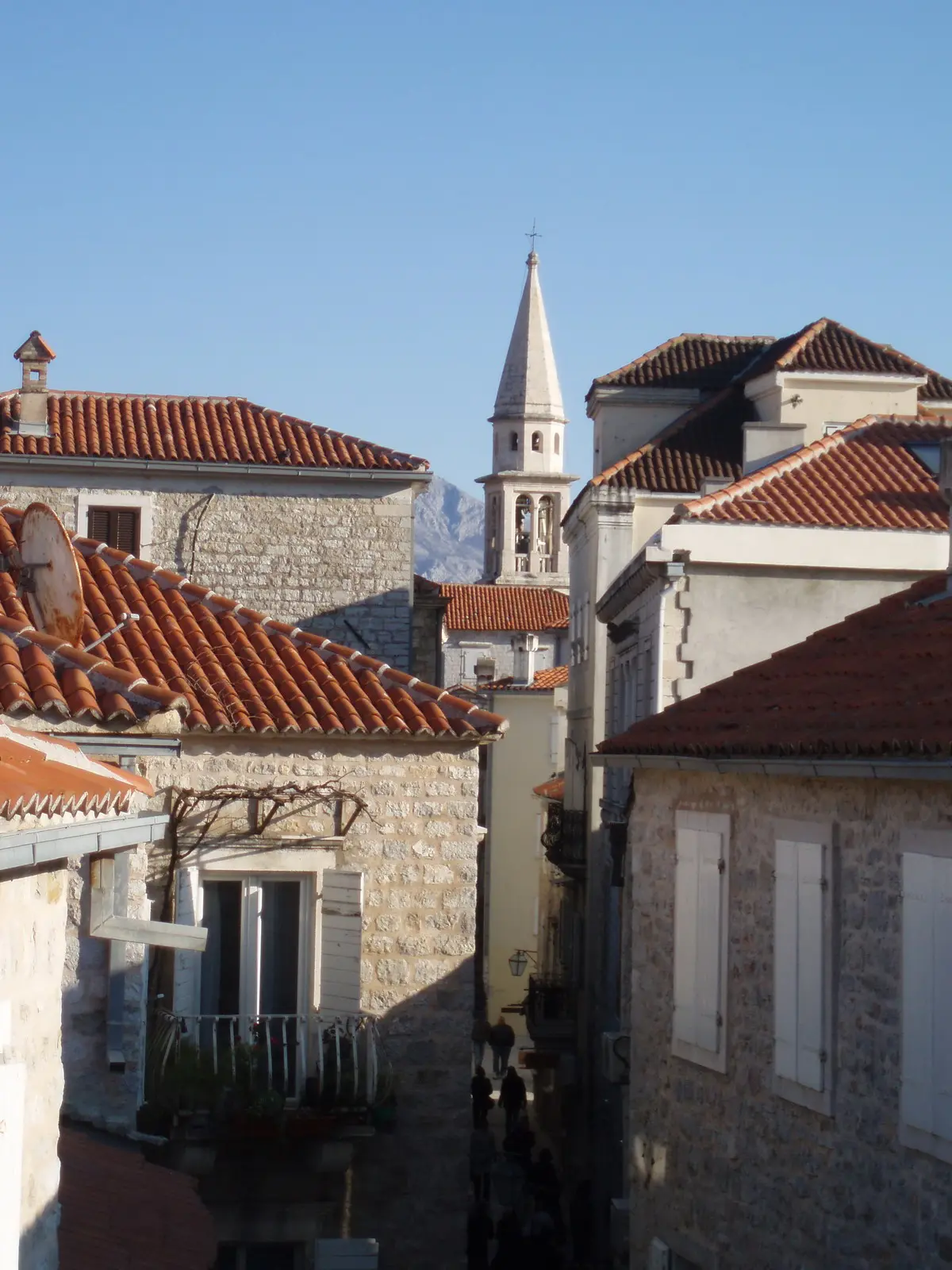
Winter splits Montenegro in two. On the coast it’s the off-season: many towns are quiet, some restaurants and hotels close, and the weather turns cool and rainy. That said, a winter city break in Kotor or Budva can be atmospheric and very cheap, with old towns almost to yourself - just pack for rain and don’t expect to swim.
Inland, winter is the high season for a different crowd. The mountain towns of Žabljak and Kolašin turn into ski resorts, and the Durmitor range is snow-covered and dramatic. Žabljak sits beside Durmitor National Park, while Kolašin has the country’s best-known ski lifts. If you want snow, frozen lakes and a fireplace rather than a beach, this is when to come. Conditions vary year to year, so check current snow reports before booking - our Montenegro in winter guide covers the ski passes, the snow reality and what stays open on the coast.
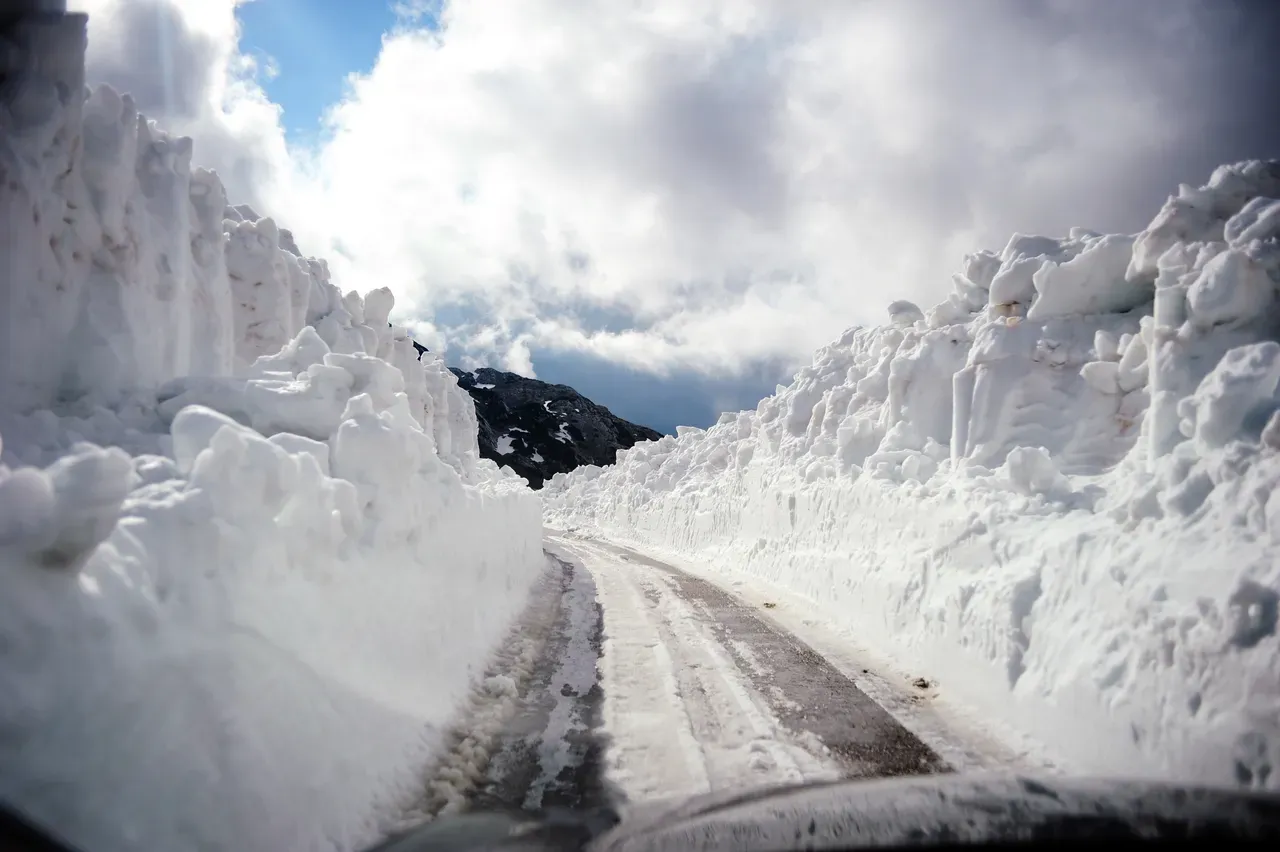
To understand why the mountains are worth a winter visit at all, it helps to know what’s up there - our guide to Durmitor National Park covers the peaks, lakes and the Tara Canyon in detail across the seasons.
When to go for swimming, hiking and skiing
It helps to choose your season around the single thing you most want to do:
- Swimming and beach time: the sea is comfortable for swimming roughly from June to September, often into early October. July and August are warmest but busiest; September gives you warm water with fewer people.
- Sightseeing, old towns and road trips: the shoulder months (May-June, September-October) are ideal - mild weather, manageable crowds and good light for photos.
- Hiking and the mountains: late spring through early autumn opens the high trails in Durmitor and the north; midsummer can be hot lower down but pleasant at altitude. The mountain calendar runs about two months behind the coast, which our best time for hiking in Montenegro guide breaks down month by month.
- Rafting the Tara: the season runs roughly May to October, peaking with higher water in late spring.
- Skiing: Žabljak and Kolašin run through the winter months (typically December to March), snow permitting.
Money, crowds and practical notes
Budget tracks the calendar closely. The further you travel from July and August, the more you save on accommodation and the easier it’s to find space without booking months ahead. Shoulder-season rates are often a fraction of peak prices for the same room, and you’ll spend less time queuing or stuck in coastal traffic.
A few practicalities apply year-round. Montenegro uses the euro (€), and there’s a small tourist tax of roughly €1 per person per day, usually collected by your accommodation - treat that as a rough figure and check the current rate locally. Whatever the season, having a car gives you the most freedom, because the best of the country is spread between the coast and the mountains and public transport is limited outside the main routes.
Nearby / read also
- Montenegro travel guide - the full overview: getting there, getting around and what to see.
- Montenegro weather by month - the month-by-month temperature, sea and rainfall numbers.
- Montenegro in September - a close look at the best shoulder month on the coast.
- Montenegro with kids - a relaxed family itinerary built around shallow beaches, short drives and midday shade.
- Durmitor National Park - the mountains that drive the winter and hiking seasons.
- Renting a car in Montenegro - why a car makes any season easier here.
Read also

Before you go · 16 min read
Bay of Kotor Boating Rules: Licence, Speed Limits & Fines
Updated · September 5, 2026Montenegro boat rules 2026: certificate at 18 for self-drive, 6 knots within 300 m, 18-knot corridors, no motor boats in the Blue Cave, fines from €500.

Before you go · 12 min read
13 Montenegro Travel Mistakes to Avoid
Verified · August 29, 2026Concrete Montenegro travel mistakes with real numbers: toll lanes, ferry queues, ATM fees, park fees per day, and roads slower than the map admits.

Before you go · 10 min read
Kotor or Herceg Novi: Which Bay Town to Stay In
Updated · August 26, 2026Kotor or Herceg Novi as your Bay of Kotor base? Old towns, beaches, cruise crowds, Dubrovnik access and prices compared - who each town suits.

Before you go · 14 min read
All-Inclusive Montenegro: Resorts That Actually Exist
Updated · August 23, 2026Real all-inclusive hotels in Montenegro are rare - most listings are half board. The five that are genuine, and how to check before you book.