
Where to Stay in Budva: Best Areas, Beaches & Hotels
Where to stay in Budva by area: Old Town for nightlife, Bečići and Rafailovići for calmer beaches, Pržno and Sveti Stefan for quiet - and what each costs.
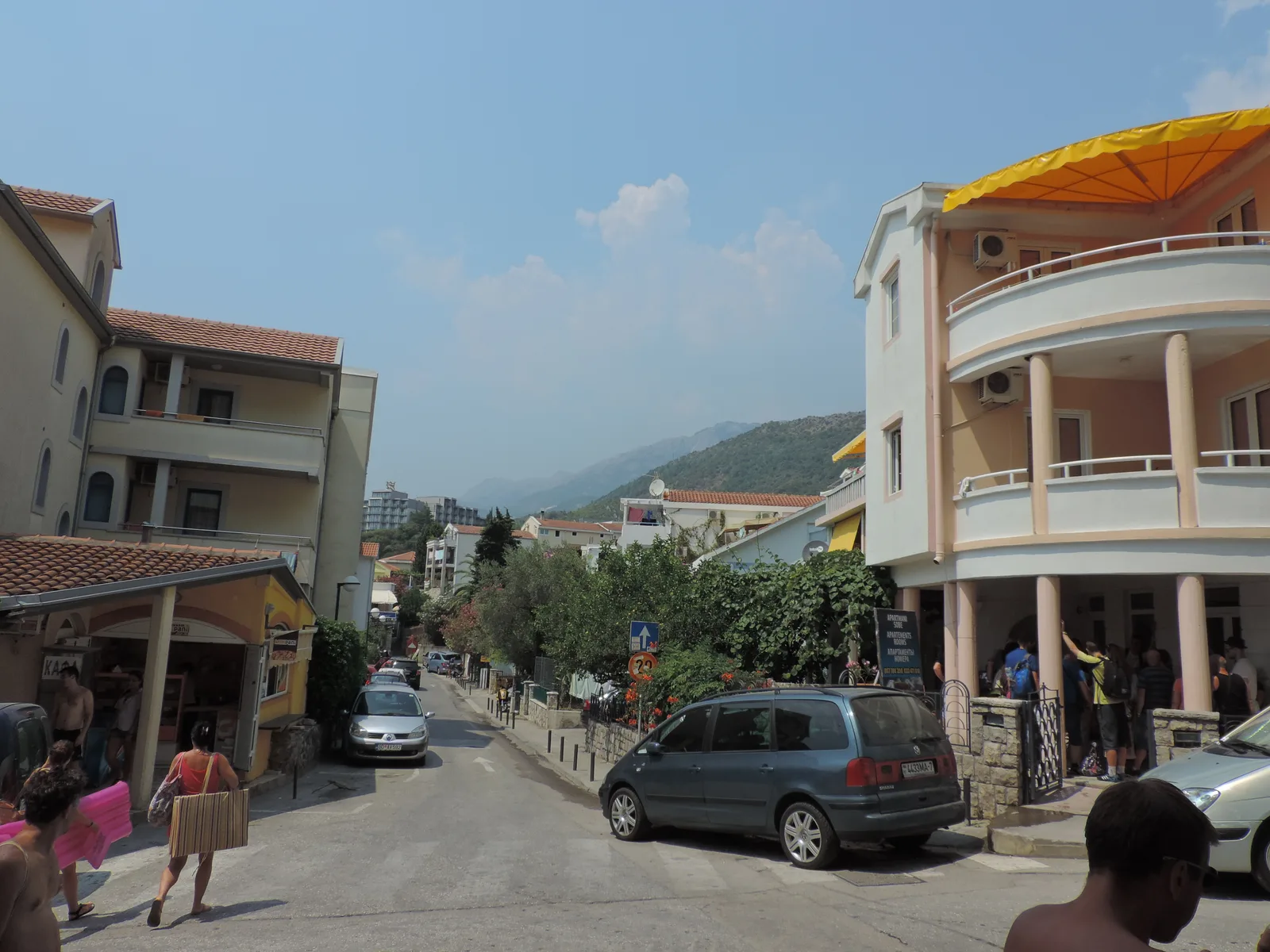
For most first-time visitors, the best place to stay in Budva is in or just behind the Old Town if you want the nightlife on your doorstep, or Bečići a couple of kilometres east if you want a long sandy beach and a quiet night’s sleep. Those two cover most people. Beyond them, Rafailovići and Pržno are quieter still, and Sveti Stefan is the scenic, upmarket end. The one thing to know before you book anything: a lot of Budva’s accommodation sits directly above the nightlife strip, so in July and August the difference between a great stay and a sleepless one often comes down to which street you pick. This guide breaks the Budva Riviera into areas, who each suits, and roughly what you pay.
For the town itself - the walled Old Town, the citadel, the beaches and how to get there - see the full Budva travel guide. This page is only about where to base yourself. If you’re still deciding between Budva and other parts of the country, start with where to stay in Montenegro, which weighs the coast, the bay and the mountains against each other.
The quick answer: match the area to your trip
| You want… | Stay in… |
|---|---|
| Nightlife and the Old Town on your doorstep | Old Town / Slovenska (accept the noise) |
| A long sandy beach and a calm night, still near the action | Bečići (usually a little cheaper too) |
| A quieter beach village with the same easy access | Rafailovići |
| Small, laid-back and a touch upmarket | Pržno |
| Scenic and premium, the postcard view | Sveti Stefan (mainland side) |
Budva is compact, and the whole Riviera runs on one coast road, so nowhere here’s far from anything else - Bečići to the Old Town is a twenty-minute walk along the seafront, and buses and taxis link the lot cheaply. You do not need to be in the Old Town to enjoy it; plenty of people sleep in calmer Bečići and stroll in for the evening.
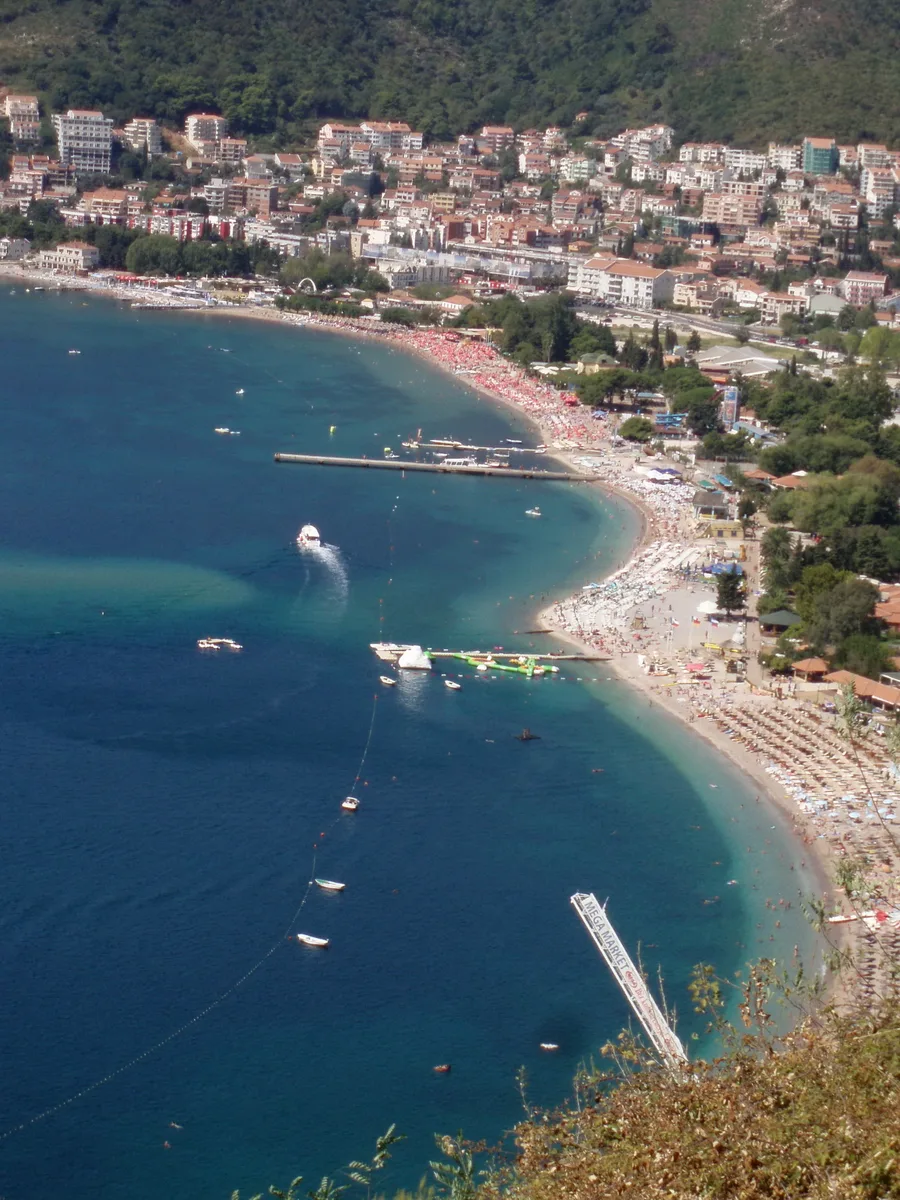
The Old Town and Slovenska: central, walkable, loud
Staying in or right behind the Old Town puts you in the most atmospheric part of Budva - the walled medieval core, the town beach, the bars and the clubs, all on foot. If your trip is about going out, this is where to be: you roll out of the Old Town lanes and into the nightlife without a taxi. It’s also, area for area, usually the cheapest central option for a simple room.
The catch is noise, and it’s a real one. A large share of the accommodation here sits directly above or beside the nightlife strip on Mediteranska, where the bars warm up around 10 pm and the beach clubs run music well into the night. The long Slovenska plaža promenade turns into a nightlife hub after dark too. In peak season, a room over the strip can mean thumping bass until the early hours. If you book here, search deliberately for a quieter side street or a place set back from the front, and don’t trust a high rating alone - check exactly where it is. Bring earplugs for July and August either way.
Bečići: the sandy-beach base, quieter and a bit cheaper
Bečići, the next bay east around the headland, is the compromise most people should consider. It has one of the longest sand beaches on the coast, backed by resort hotels and apartments, and the town behind the beach is markedly calmer than central Budva - by 11 pm it is largely quiet, with no midnight club corridor. And the Old Town is a twenty-minute walk along the waterfront path, so you keep easy access to the sights and the nightlife without sleeping on top of them.
It tends to cost a little less, too: rooms of equivalent quality in Bečići usually sit below central Budva. Full detail on the resort - hotels, promenade and the rhythm of the day - is in the Bečići resort guide. That combination - long beach, calmer nights, lower prices, short walk in - makes it the pick for families, couples and anyone who wants the beach holiday without the racket. The trade-off is that Bečići itself is more resort-strip than characterful old town, so if atmosphere is the point, you’ll still be walking into Budva for it.
Iberostar Waves Bellevue, right on this beach, is among the handful of hotels on this coast that genuinely run all-inclusive rather than half board with an upsell - our all-inclusive Montenegro guide covers what that includes and names the others.
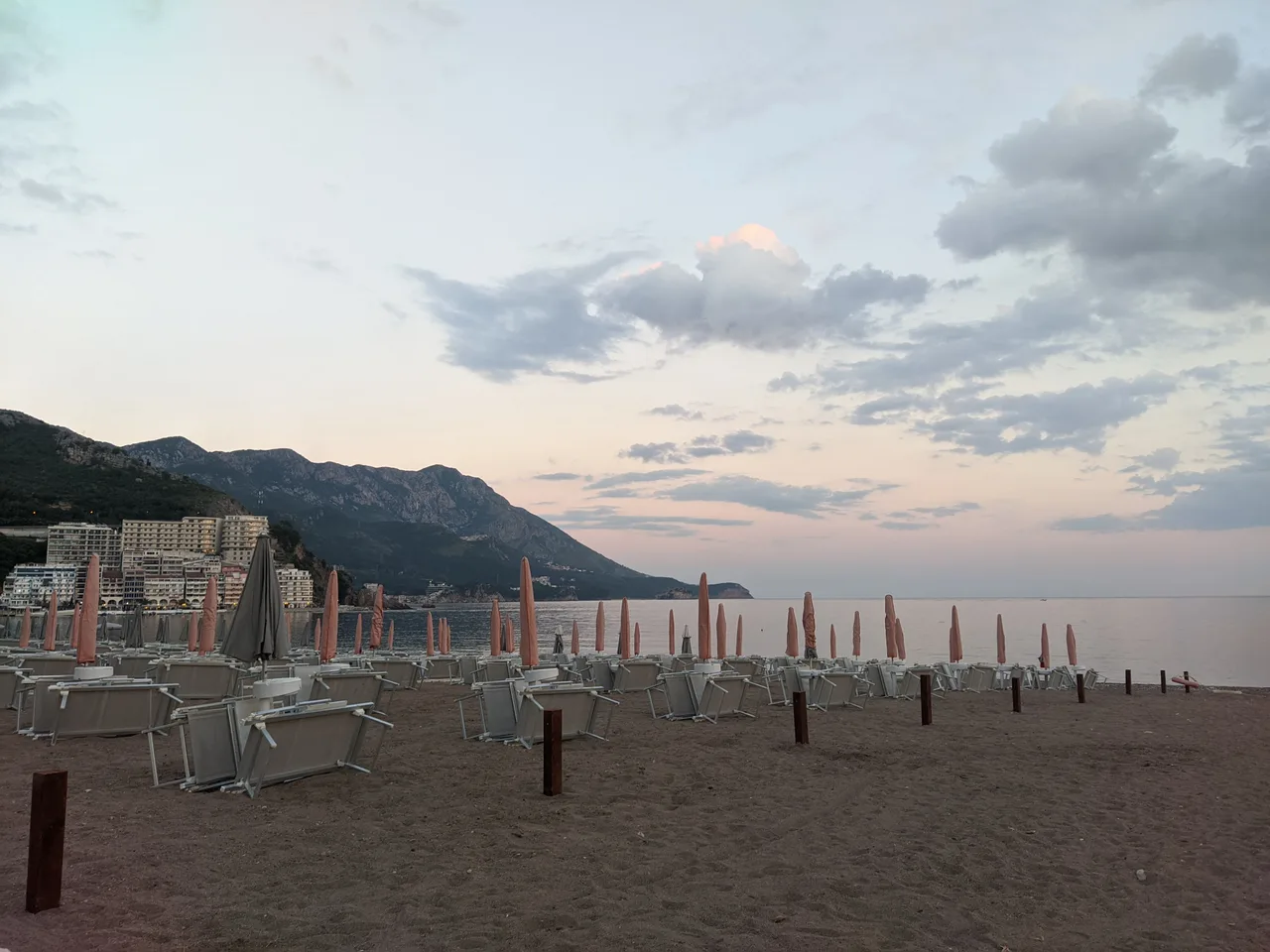
Rafailovići: quieter again, same easy reach
Carry on past Bečići and the beach runs straight into Rafailovići, a small former fishing village at the far end of the same sand. It’s quieter than Bečići, with a more low-key, local feel, family-run apartments and a scatter of smart hotels with their own beach frontage, and it’s known for its fish konobas (taverns) along the water. You’re still on the same continuous beach, so you can walk the whole strip back toward Budva, but you sleep somewhere calmer and a little more characterful. It suits people who want the beach and the quiet without going all the way to the isolation of Sveti Stefan. Price-wise Rafailovići sits at about the same level as Bečići - noticeably cheaper than central Budva for comparable places.
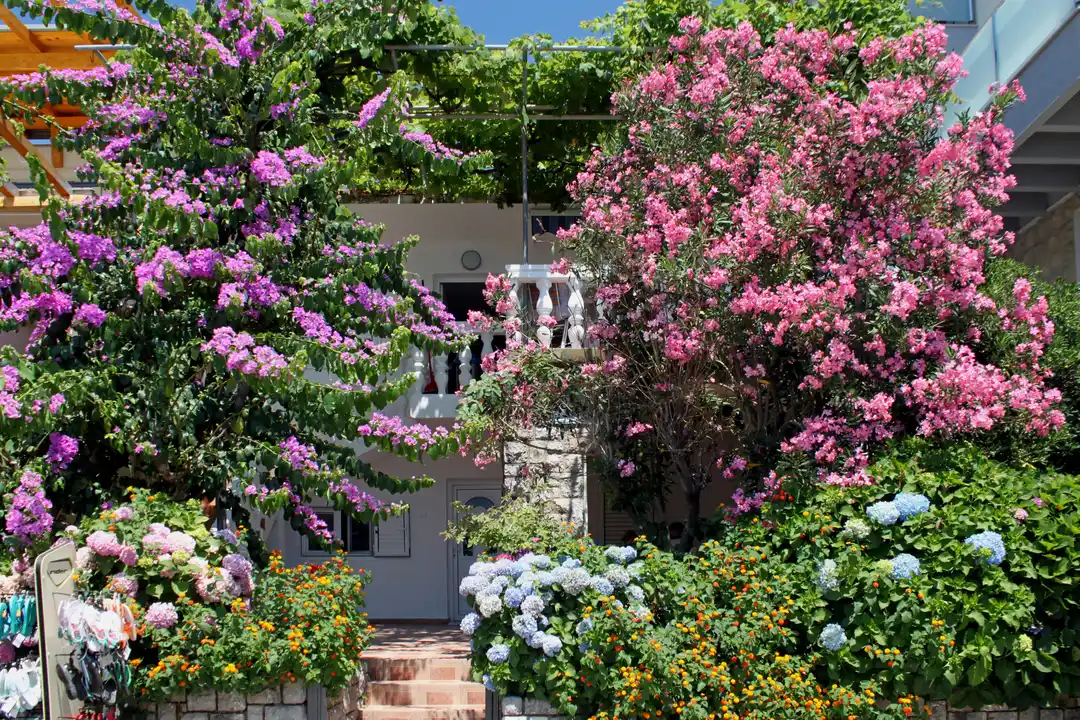
Pržno and Sveti Stefan: the quiet, upmarket end
Further south, past the resorts, the Riviera turns quieter and more scenic. Pržno is a small, laid-back village just north of Sveti Stefan - a lovely little beach, a handful of good fish restaurants, and a calm, intimate feel. It makes a good base if you want somewhere peaceful and still within a short drive or bus of Budva’s beaches and sights; the trade-off is that it’s small, so it’s more a place to unwind than to be in the thick of things.
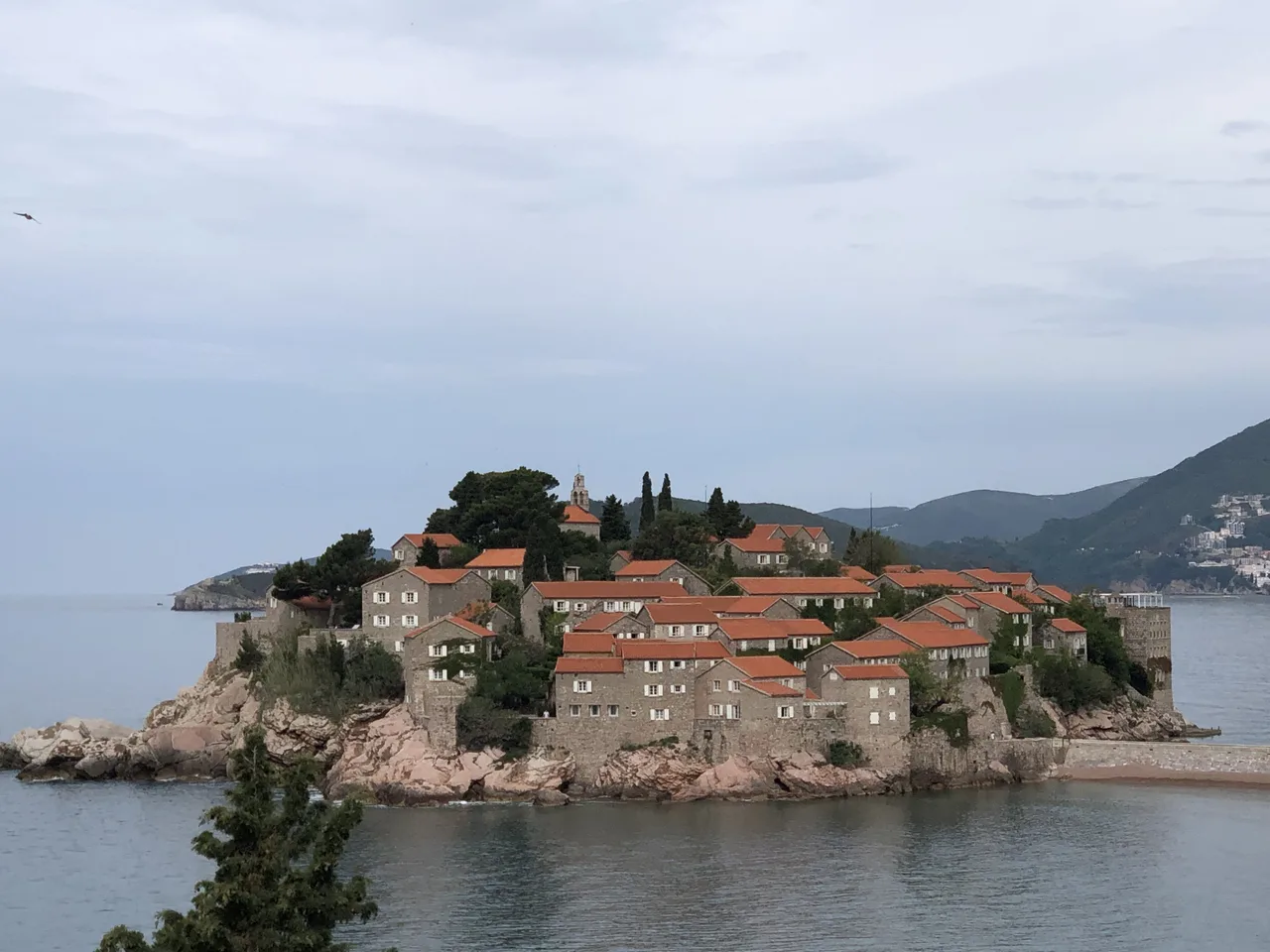
Sveti Stefan is the scenic, premium end of the coast. The famous fortified islet reopened as an Aman hotel in July 2026: the islet itself stays off-limits to non-guests, but under the settlement Sveti Stefan Beach and King’s Beach are now open to the public, while Queen’s Beach is reserved for hotel guests. You can’t stay on the island unless you’re at the Aman, but the mainland opposite has hotels and apartments with the postcard view, and it’s a calm, upmarket base rather than a party one. It’s for couples and anyone chasing the scenery over the nightlife. For how these beaches compare with the rest of the coast, see the best beaches in Montenegro.
What it costs, and when to book
Budva is the busiest resort on the coast, so prices swing hard by season. As a rough guide from the booking sites, budget rooms start around €25-30 a night, mid-range sits near €60, and the top hotels run well into the hundreds - but those figures move a lot with the season and the exact area, so treat them as ballpark, not gospel, and check live prices when you book. Two patterns hold: central Budva and the Old Town cost more than Bečići and the villages for equivalent quality, and everything jumps in July and August, the peak beach-and-party months, when rooms fill and rates climb.
Book well ahead for peak summer if you want a specific area or a quiet room near the strip. Late spring and September are the sweet spot - warm sea, thinner crowds, softer prices - and they take a lot of the noise problem off the table too. Once you’ve settled on an area, you can compare specific places to stay using the box below.
A couple of practical odds and ends. Many beaches are part-lined with paid loungers and umbrellas, but there’s usually free space alongside them too; on the pebbly stretches, water shoes make life easier. On length of stay, two or three nights is enough for the Old Town, a couple of beaches and a day trip to Kotor; longer only if the beach holiday is the point of the trip. And remember Montenegro uses the euro (€) despite not being in the EU - cards are taken widely, but it’s worth keeping a little cash for loungers, parking and small cafés.
Getting there and around
Budva is right on the main coastal road and easy to reach:
- By air. The nearest airport is Tivat (TIV), about 20 km (roughly 30 minutes by car), busy with seasonal flights in summer. Podgorica (TGD) is around 60 km (about an hour to 90 minutes). Dubrovnik (DBV) in Croatia is also used, but involves a border crossing.
- Getting around the Riviera. The coast road links the Old Town, Bečići, Rafailovići, Pržno and Sveti Stefan, with frequent local buses and cheap taxis, so you don’t strictly need a car to move between them - handy if you base in one area and beach-hop. For the full transport picture, see getting around Montenegro.
- Day trips. Kotor is about 20 km up the bay, an easy half-day; the Old Town guide has more on Budva as a base for the wider coast.
Nearby / read also
- Budva travel guide - the Old Town, the citadel, the beaches and the full picture.
- Where to stay in Montenegro - the coast, the bay and the mountains compared.
- Best beaches in Montenegro - where to swim, coast to coast.
- Budva nightlife - the bars, beach clubs and the season.
- Getting around Montenegro - buses, taxis and moving along the Riviera.
Photos
Read also

What to see · 10 min read
Hiking Bobotov Kuk: Durmitor Highest Peak
Verified · September 4, 2026Bobotov Kuk hike at 2,523 m: Sedlo (~10 km RT) vs Lokvice from Black Lake, €5 park fee, cables, season and early-start tips.

What to see · 10 min read
Swimming in the Bay of Kotor: Beaches & Lidos
Updated · August 31, 2026Can you swim in Kotor? Yes - on Dobrota pontoons, Morinj and small Boka shores. Water quality, season and what to expect.

What to see · 11 min read
Rent a Boat in Kotor Bay: No Licence Needed
Updated · September 5, 2026Private boat rental in Kotor Bay 2026: skippered hire from €90/h, bareboat prices, licence rules, speed limits and where boats leave from.

What to see · 9 min read
Piva Lake & Canyon: Montenegro's Emerald North
Updated · August 27, 2026Piva Lake guide: the 45 km emerald reservoir, Mratinje Dam, boat trips from Plužine, the relocated Piva Monastery and how to pair it with Durmitor.