
Durmitor National Park: Black Lake, Hikes & Tara Canyon
Durmitor National Park guide: the Black Lake loop, Bobotov Kuk hikes, Tara Canyon rafting, 2026 park fees and the best time to visit from Podgorica.
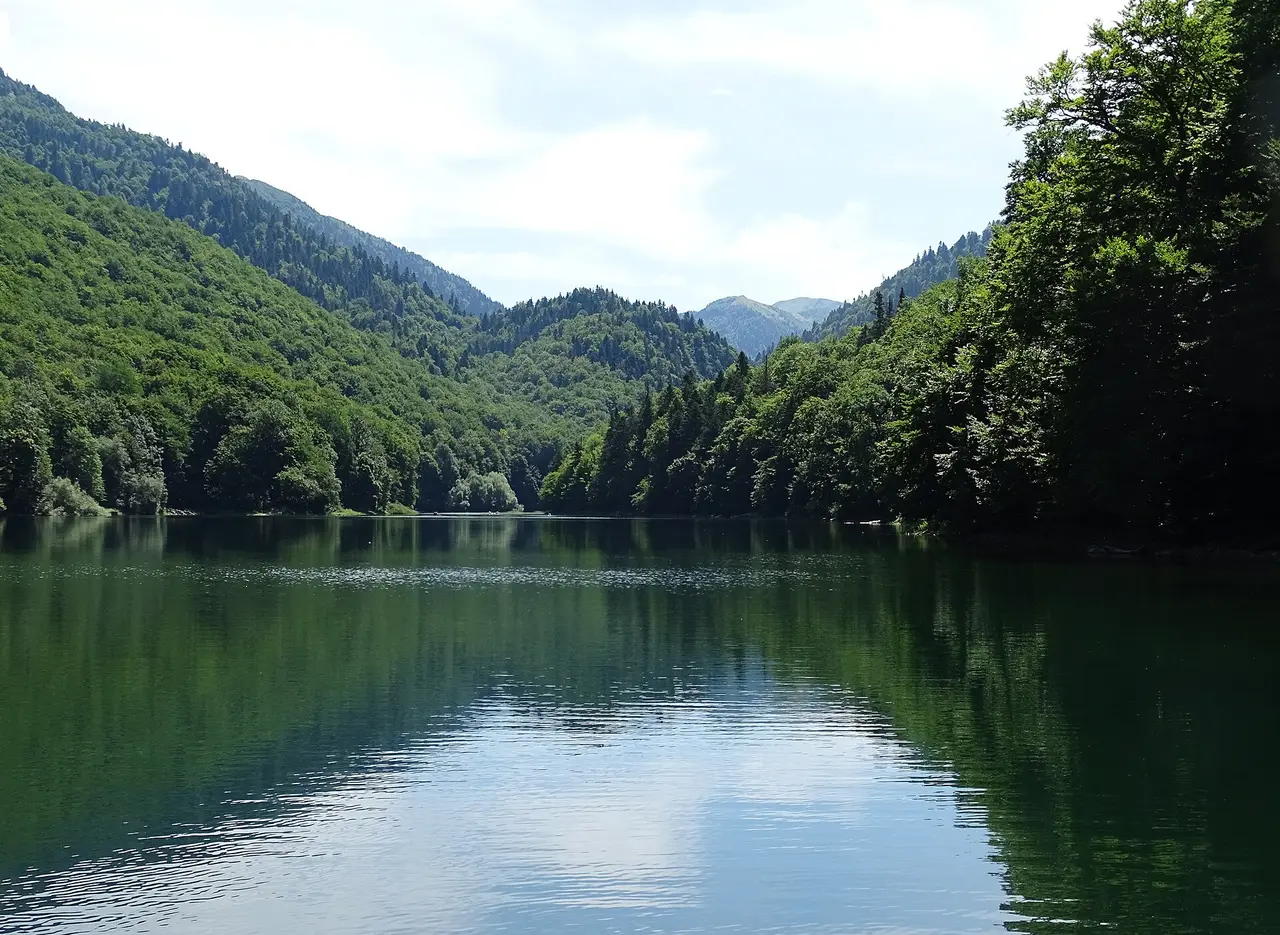
Durmitor National Park is the high-mountain heart of northern Montenegro: a UNESCO World Heritage massif of glacial lakes, sharp limestone peaks and the deepest river canyon in Europe. Most visitors base themselves in the small town of Žabljak, walk the easy loop around the Black Lake, photograph the Tara Canyon from the Đurđevića Tara Bridge, and - if they have the legs for it - climb to a summit or two. It is roughly a 2.5-3 hour drive from Podgorica, and the best window for hiking runs from June to September.
Why Durmitor is worth the drive
Combine the park with Piva Lake and Canyon on the same northern loop from Žabljak.
Durmitor sits on a limestone plateau in Montenegro’s mountainous north, and it earned its UNESCO World Heritage status for exactly the landscape you come to see: a compact range scoured by Ice Age glaciers, dotted with lakes and split by gorges. The park combines several “wow” features in one place - eighteen glacial lakes (locals call them gorske oči, the “mountain eyes”), peaks rising past 2,500 m, and the Tara River carving the deepest canyon on the continent.
What makes it practical as well as beautiful is the gateway town. Žabljak sits at 1,456 m, which makes it one of the highest towns in the Balkans, and it’s the obvious base: the Black Lake trailhead is on its doorstep, and rafting trips, viewpoints and longer hikes all radiate out from here. You can taste the park in a single day trip, but two or three nights let you slow down and actually walk it. For where to sleep in town - the centre, the Black Lake road or a mountain cabin - and how it prices out, see our guide to staying in Žabljak.
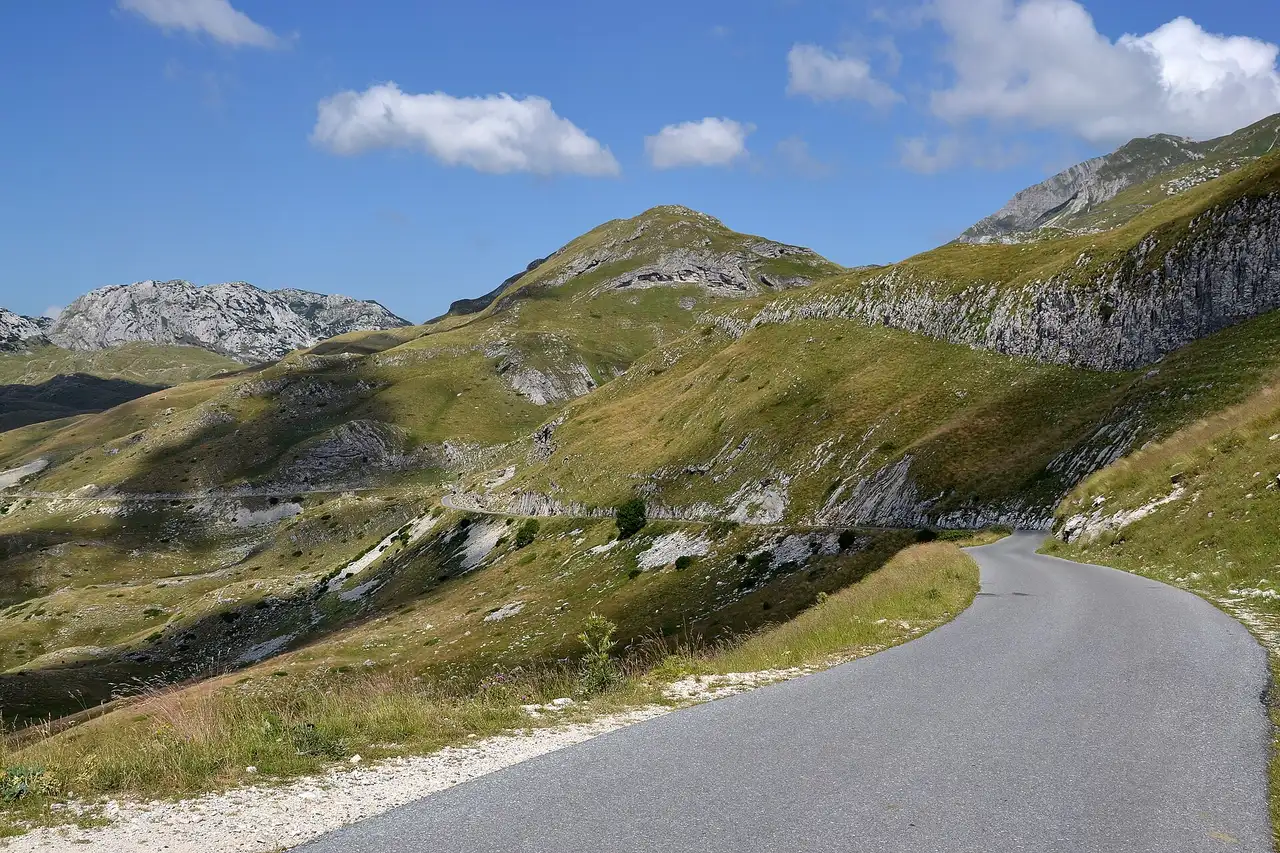
The Black Lake (Crno jezero)
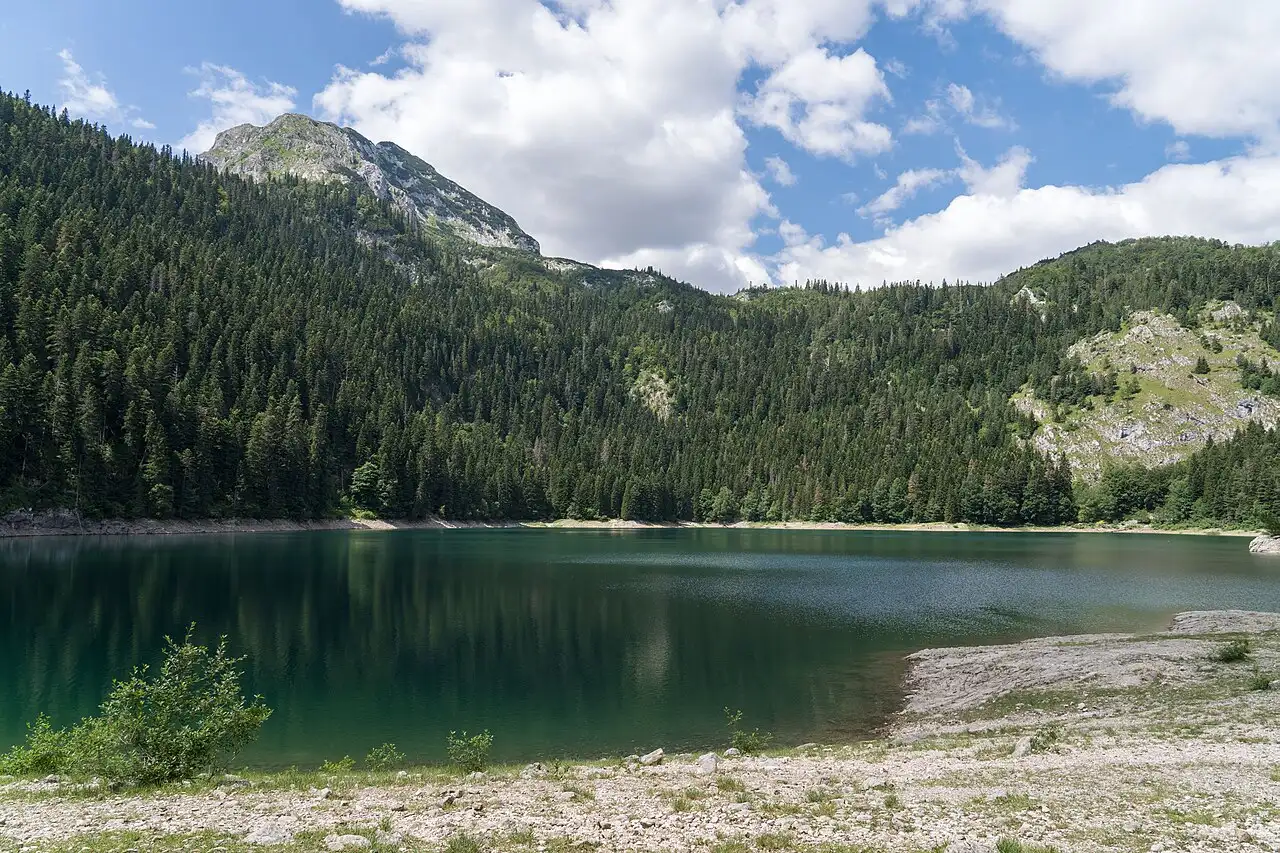
If you do only one thing in Durmitor, make it the Black Lake. This glacial lake is the park’s icon - dark, still water ringed by spruce forest with the peaks reflected on a calm morning. It sits less than 2 km from Žabljak, and an easy walking loop of roughly 3.5 km circles the shoreline: mostly flat, well-trodden, and comfortably done in an hour to 90 minutes at a gentle pace, which makes it one of the few Durmitor walks that works for families and anyone wanting a soft introduction to the massif.
The lake is really two basins joined by a narrow neck; in high summer the water level drops and you can sometimes walk across between them. The far basin, further from the entrance, thins out the crowds noticeably - so if you want the mirror-still photo without a queue, keep walking past the first shore. Come early or late in the day for the best light and the fewest people; midday in July and August is the busiest the park gets. If you would rather be on the water than beside it, you can hire a boat for €10 an hour at the pier (€5 an hour if you bring your own, per the park’s published list) - the easiest way to escape the shoreline traffic for half an hour.
On fees, budget about €5 per person per day for the national park ticket (some sources still quote €3 in the quieter shoulder months); it’s collected on the approach to the Black Lake during the staffed summer season, with parking €1 an hour for a car (€2 for an off-road vehicle). That single ticket is valid across the whole park for the day, including the Đurđevića Tara Bridge area, so pairing the lake with the canyon costs you once; and if you plan to visit several of Montenegro’s national parks, the €13.50 all-parks annual pass quickly pays for itself. Bring a little cash, wear proper shoes even for the loop (roots and stones), and confirm the current rate on the day.
The Black Lake is also the natural starting point for going deeper. Several of the park’s other lakes and trails branch off from here, so even if you only plan the loop, you’ll see signposts tempting you toward the high country.
Bobotov Kuk and hiking the high peaks
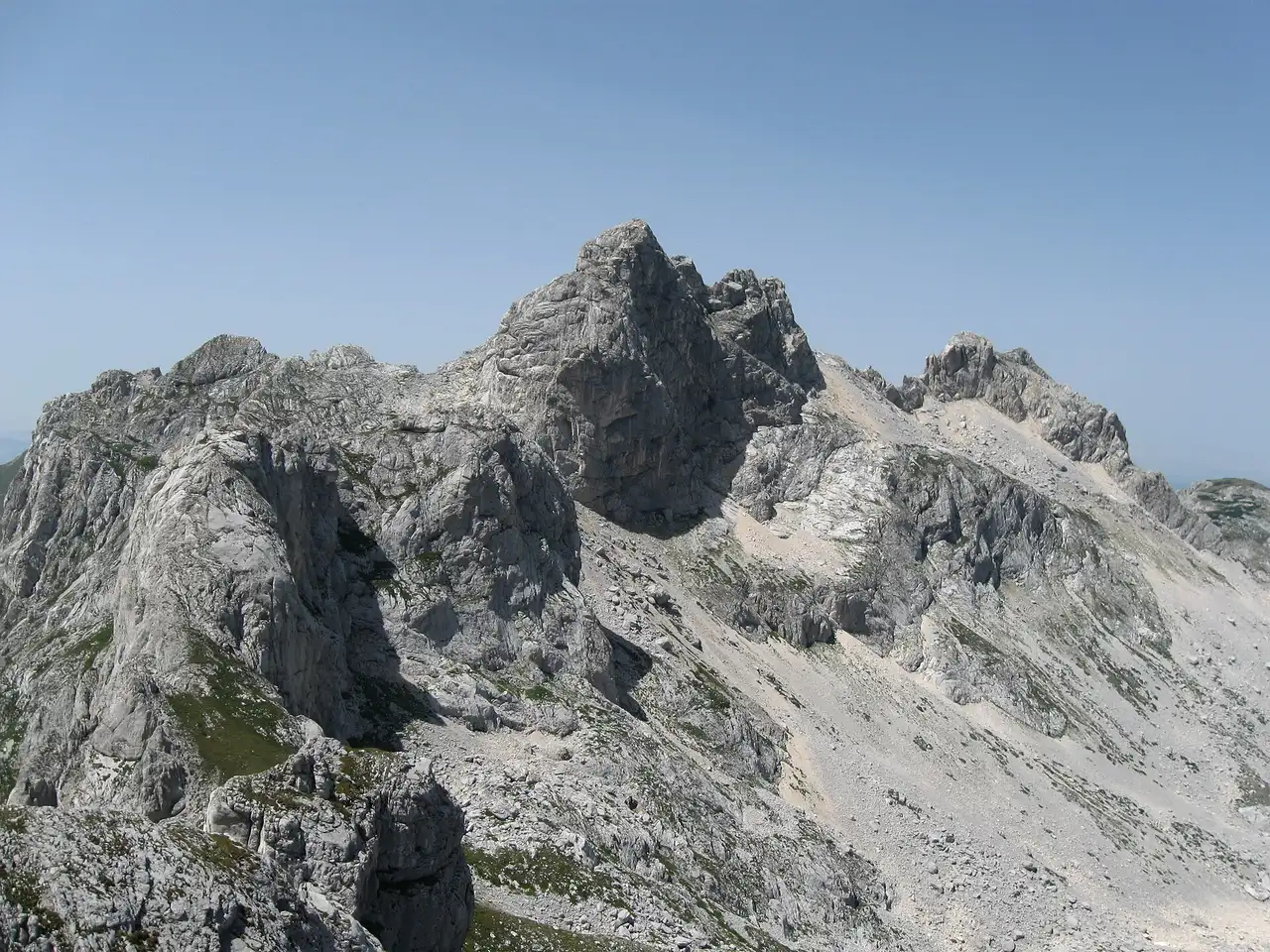
Durmitor is serious hiking territory. The headline summit is Bobotov Kuk at 2,523 m, the highest peak in the massif and a demanding full-day hike that shouldn’t be underestimated - it involves a long approach, steep ground and exposure near the top, and it is firmly for fit, experienced walkers with good weather and an early start. It’s not a casual stroll, and the mountain weather can turn fast. Approaches from Sedlo and Black Lake, fees and timing live on Hiking Bobotov Kuk.
You do not have to summit Bobotov Kuk to enjoy the high terrain, though. The massif is laced with marked trails of every length, linking the glacial lakes, ridges and viewpoints. Plan around the season: the high routes are best from June to September, when most of the snow has cleared and the days are long. Outside that window, paths can hold snow well into early summer and weather closes in early in autumn. Whatever you choose, carry layers, water and a map, and check the forecast - see our best time to visit Montenegro guide for how the mountain seasons differ from the coast, when to hike in Montenegro for which weeks the passes clear, and best hikes in Montenegro for a trail-by-trail picker across Durmitor, the bay and Prokletije.
The Tara Canyon and rafting
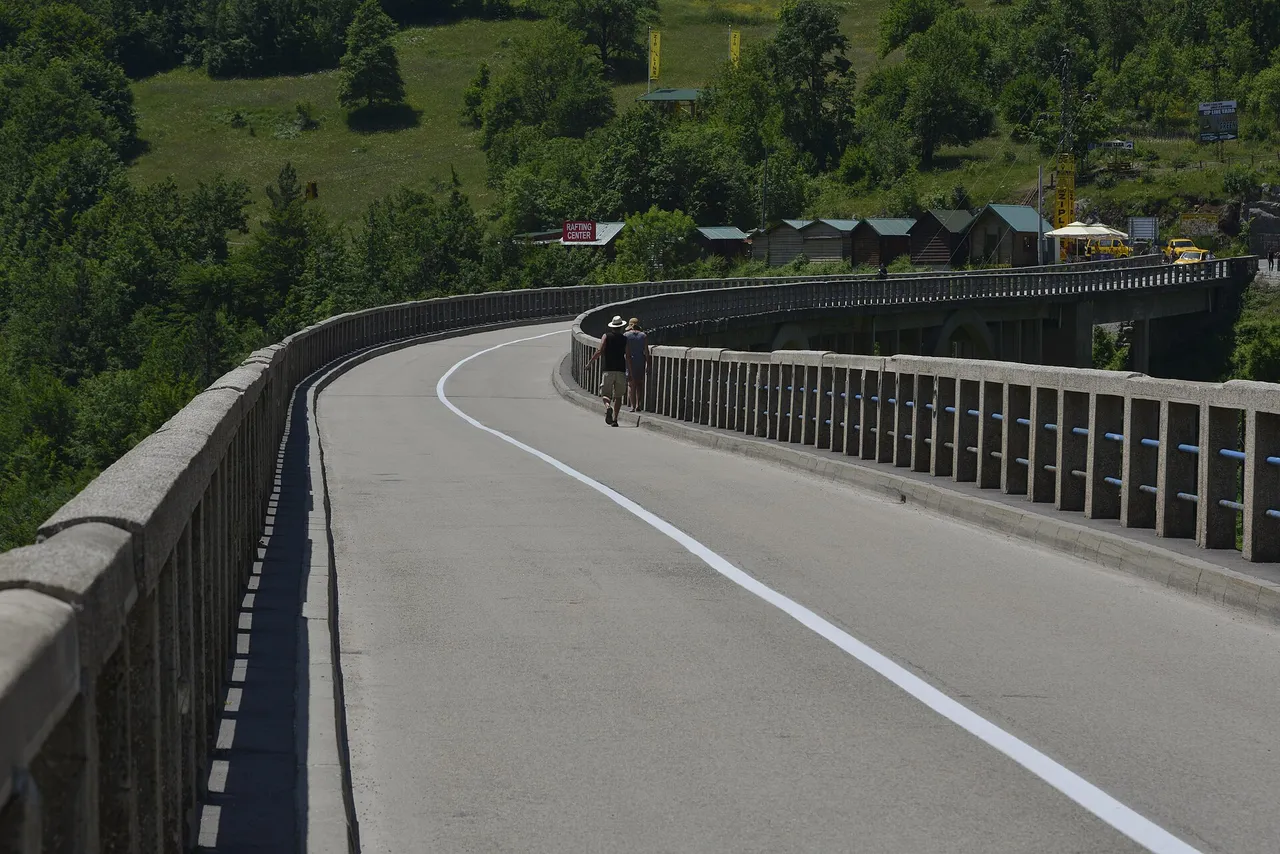
A short drive from Žabljak takes you to the park’s other signature sight: the Tara River Canyon, the deepest canyon in Europe at around 1,300 m. It is crossed by the elegant Đurđevića Tara Bridge, an arched concrete span that’s a destination in its own right - the view down into the gorge from the bridge is one of the most photographed scenes in Montenegro, and there are zip-lines and viewpoints clustered around it.
The classic active experience here’s Tara rafting. Trips run on the river’s emerald water roughly from May to October, with the volume and excitement highest in spring snowmelt and gentler later in the season. Operators offer everything from short half-day floats to longer descents, and most include the gear and a guide. If you’re visiting in summer and want one adventure to remember, this is it. Our full guide to Tara Canyon rafting, ziplines and viewpoints breaks down the season, the roughly €70 half-day and how to fit it into a day.
| Highlight | What it is | Effort | Best months |
|---|---|---|---|
| Black Lake loop | Easy ~3.5 km lakeshore walk | Easy | Jun-Sep (open most of year) |
| Bobotov Kuk | Highest peak, 2,523 m | Hard, full day | Jun-Sep |
| Tara rafting | River trip through Europe’s deepest canyon | Moderate | May-Oct |
| Đurđevića Tara Bridge | Iconic canyon viewpoint | Easy | Year-round |
Getting there and getting around
Durmitor is in the north, so it takes a little effort to reach - that remoteness is part of why it stays wild. From Podgorica it’s about 124 km and 2.5-3 hours by car, on mountain roads that are scenic but slow, so leave a margin and avoid driving the highest sections after dark. From the coast (Kotor, Budva) it’s a longer half-day haul. Bus boards, private transfers and day-tour options are in getting to Durmitor and Žabljak.
A car is by far the most flexible way to explore: the trailheads, the bridge and the rafting launch points are spread out, and public transport between them is limited. With your own wheels, the Durmitor Ring road trip links the Black Lake, the Tara Bridge and the Sedlo pass into one day’s driving from Žabljak. If you are planning a wider Montenegro trip, see our notes on renting a car in Montenegro. Prefer to skip the driving? Organised day trips and guided rafting and hiking tours run from the coast and from Žabljak - a good option if your time is short or you would rather leave the mountain roads to someone else.
Activities shift with the calendar. Summer (roughly June-September) is for hiking, lake walks and rafting; winter turns Žabljak into a modest ski area, with snow on the plateau and slopes nearby. Spring and autumn are quieter and beautiful but can be wet and cold at altitude. For where Durmitor fits in a broader itinerary, our Montenegro travel guide maps the country region by region.
Nearby / read also
- National parks of Montenegro compared - which of the five parks to pick, and what fits in one trip.
- Ostrog Monastery
- Lovćen National Park - Montenegro’s other mountain park, above Kotor and Cetinje.
- Biogradska Gora National Park - the north’s gentler park, a glacial lake and primeval forest near Kolašin.
- Durmitor Ring road trip - the day-drive loop from Žabljak.
- Montenegro travel guide
- Best time to visit Montenegro
- Renting a car in Montenegro
On the map
The map loads on click - to keep the page lightweight.
The map didn’t load. Check your connection and refresh the page.
Distance ≈124 km · ≈2.5-3 h
- Podgorica ≈124 km · ≈2.5-3 h
Read also

What to see · 10 min read
Hiking Bobotov Kuk: Durmitor Highest Peak
Verified · September 4, 2026Bobotov Kuk hike at 2,523 m: Sedlo (~10 km RT) vs Lokvice from Black Lake, €5 park fee, cables, season and early-start tips.

What to see · 10 min read
Swimming in the Bay of Kotor: Beaches & Lidos
Updated · August 31, 2026Can you swim in Kotor? Yes - on Dobrota pontoons, Morinj and small Boka shores. Water quality, season and what to expect.

What to see · 11 min read
Rent a Boat in Kotor Bay: No Licence Needed
Updated · September 5, 2026Private boat rental in Kotor Bay 2026: skippered hire from €90/h, bareboat prices, licence rules, speed limits and where boats leave from.

What to see · 9 min read
Piva Lake & Canyon: Montenegro's Emerald North
Updated · August 27, 2026Piva Lake guide: the 45 km emerald reservoir, Mratinje Dam, boat trips from Plužine, the relocated Piva Monastery and how to pair it with Durmitor.