
Cetinje, Montenegro: Old Royal Capital Guide
Cetinje travel guide: the old royal capital - the monastery and its relics, Njegoš's Biljarda, the National Museum, the embassy-era streets and Lovćen.
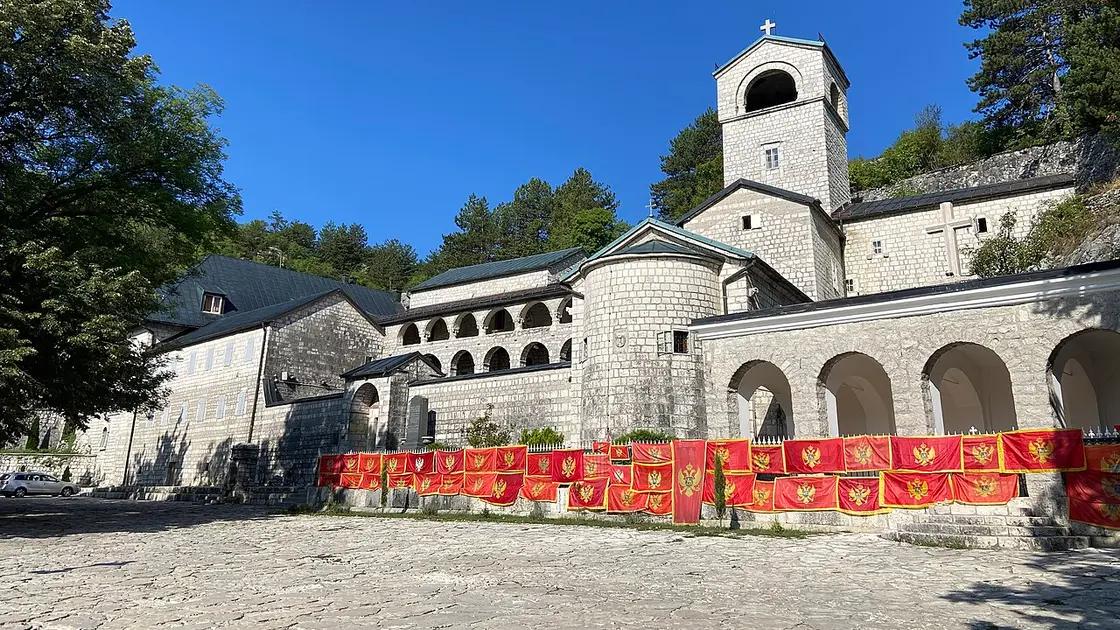
Cetinje is the old royal capital of Montenegro and its cultural and spiritual heart - a small inland town of low stone houses and faded 19th-century grandeur set in a karst plain at the foot of Mount Lovćen. This is where the country’s story is kept: the monastery that guards two of Orthodoxy’s most precious relics, the residences and museums of the poet-prince Njegoš and King Nikola, and the streets of former embassies from the decades when Cetinje was a European capital. Podgorica is the working capital now, but Cetinje is still the honorary one, and it makes a rewarding half- or full-day, usually paired with the drive up to Lovćen.
Is Cetinje worth visiting?
Yes - if you want the history and culture behind the coast’s scenery. Cetinje (population around 12,500) isn’t a beach or a resort; it sits inland at about 670 m, cooler and quieter than the coast, and its appeal is entirely about heritage. The town was founded in 1482 by Ivan Crnojević (who added its monastery two years later, in 1484), became the seat of Montenegro’s rulers and its capital, and for a few decades before 1918 was a genuine little European capital with foreign embassies, a court and a building boom. Much of that survives, slightly faded, which is exactly the charm.
Come here for the Cetinje Monastery and its relics, the National Museum spread across the old royal buildings, Njegoš’s Biljarda, and a walkable centre of old legations and cafés. It’s also the natural base for Lovćen National Park and the Njegoš Mausoleum on the mountain above. What it’s not is lively nightlife or a coastal holiday - it’s a place for a thoughtful day among the country’s history. Most visitors come as a day trip from Kotor, Budva or Podgorica, often combining it with Lovćen.
What to see in Cetinje
The sights sit close together in the walkable centre, so you can see the main ones on foot in a few hours. Here’s what to prioritise.
Cetinje Monastery and its relics
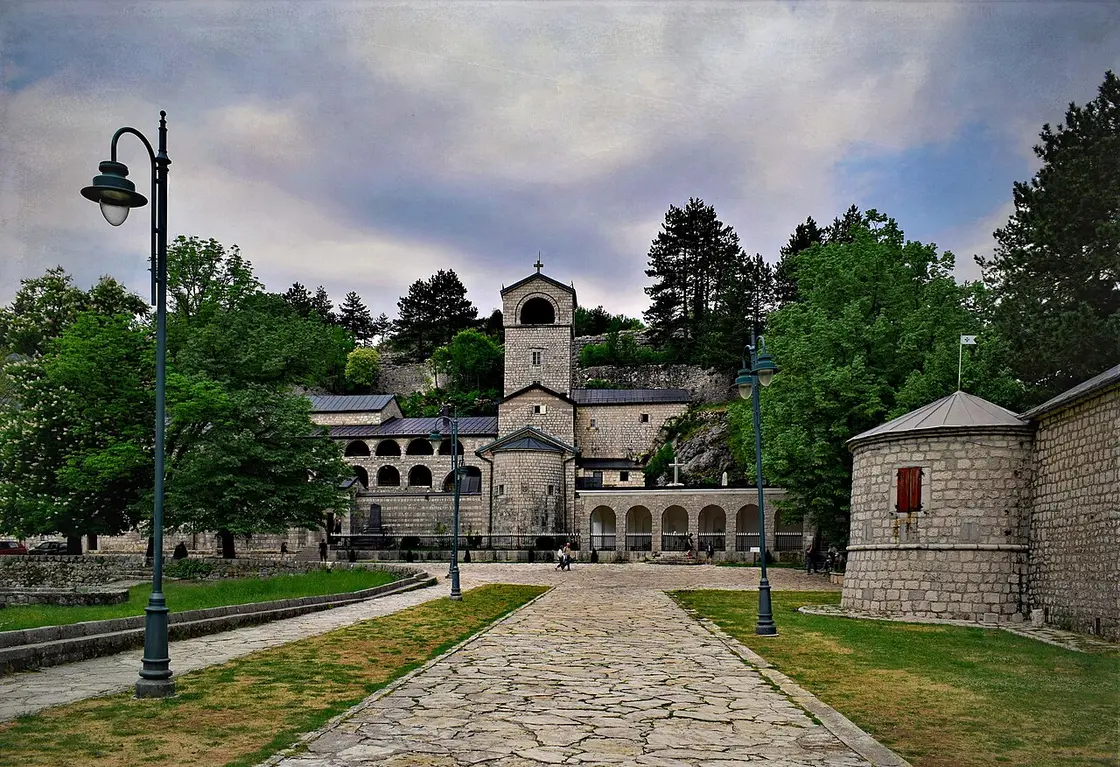
The Cetinje Monastery is the town’s spiritual centre and its most important stop. Founded in 1484 by Ivan Crnojević, destroyed and rebuilt several times over the centuries of Ottoman wars, it’s today the seat of the Metropolitanate of Montenegro and a working monastery. The reason it draws pilgrims from across the Orthodox world is what it holds: two of the most revered relics in Orthodoxy. One is the right hand of St John the Baptist, kept in a jewelled reliquary - it reached Montenegro from Malta in the late 18th century, was held at Ostrog and later moved here, and was even taken to Russia briefly in 2006 to be venerated by huge crowds. The other is a particle of the True Cross. The monastery also keeps the relics of St Peter of Cetinje (Petar I) and a treasury and library of old manuscripts. It’s a place of worship, so dress modestly (covered shoulders and knees); the monks show the relics, and entry is generally free or by donation - check the etiquette and hours on the day.
Biljarda - the Njegoš Museum
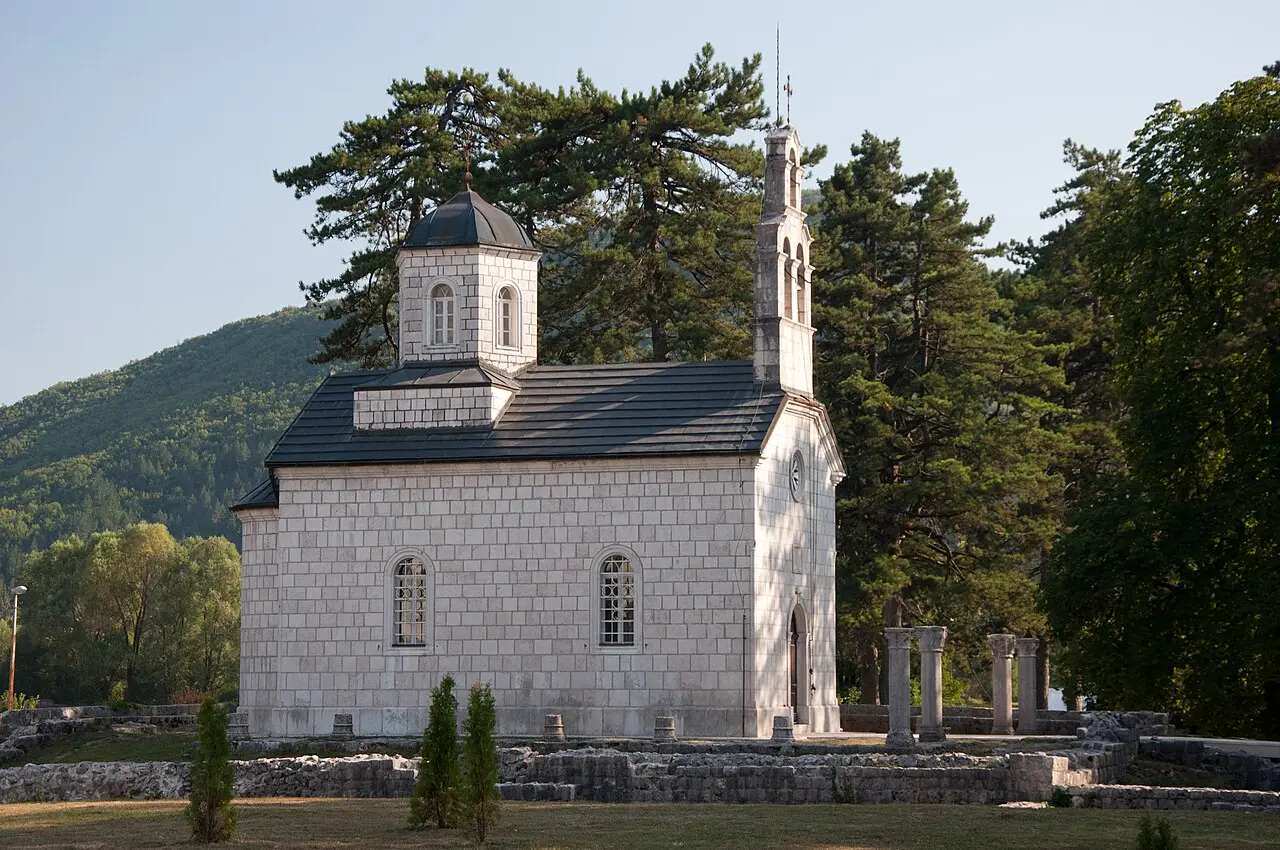
Right by the monastery is the Biljarda, the former residence of Petar II Petrović-Njegoš - the 19th-century prince-bishop who ruled Montenegro and wrote its most famous poem, The Mountain Wreath. Built in 1838, the low fortified building got its odd name from the billiard table (biljar) that Njegoš had hauled up from the coast, an extraordinary luxury for the time and place. It now houses the Njegoš Museum, with his furniture, weapons, portraits and personal effects. It’s the best single place to understand the figure who looms over Montenegrin history and whose mausoleum crowns Lovćen above the town.
The National Museum of Montenegro
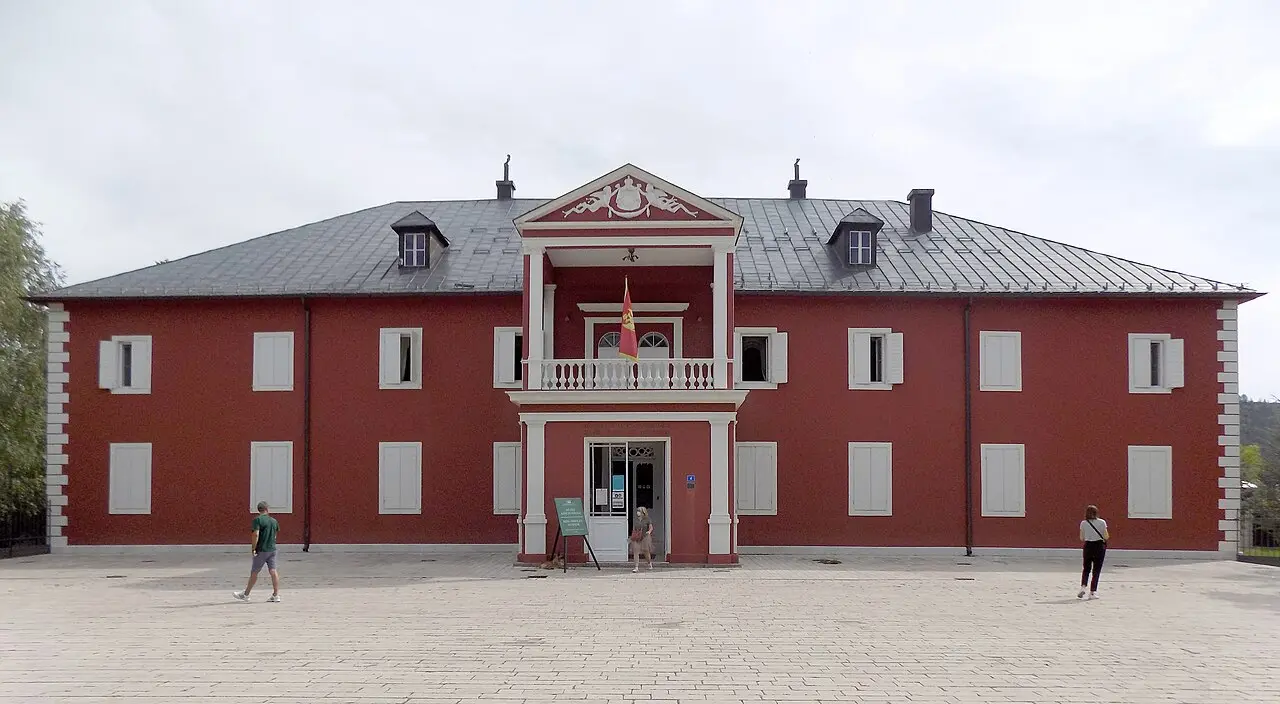
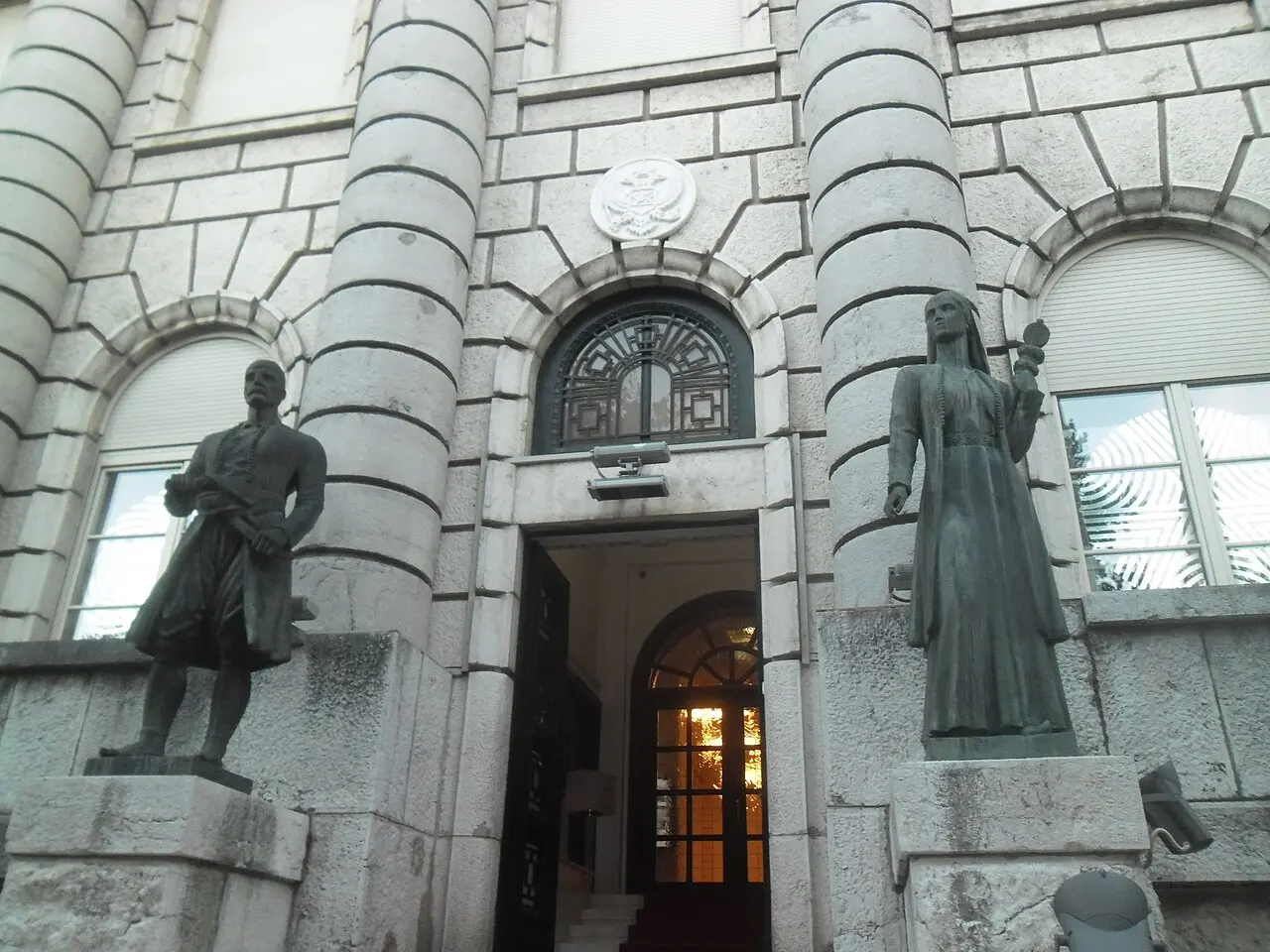
Cetinje is effectively one big museum town: the National Museum of Montenegro is an umbrella of several collections in the old royal buildings, all within a few blocks. The centrepiece is King Nikola’s Palace (the Court Museum), the royal residence the family moved into from the Biljarda, kept much as it was with thrones, arms, portraits and period rooms. Alongside it are the History Museum and the Art Museum (the national gallery, whose treasures include a famously venerated icon). Opening hours and combined tickets change, so check the museum’s current details locally; between them, a couple of hours here tells the whole story of the Montenegrin state.
The embassy streets and the old capital
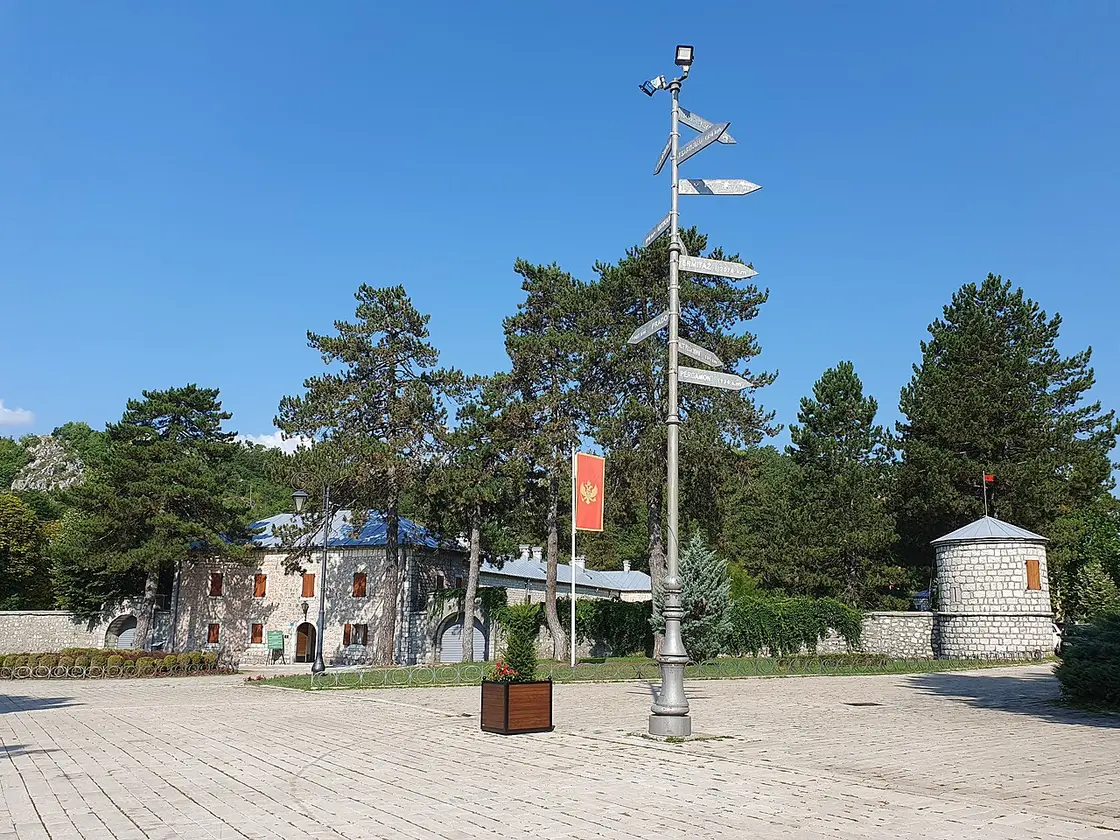
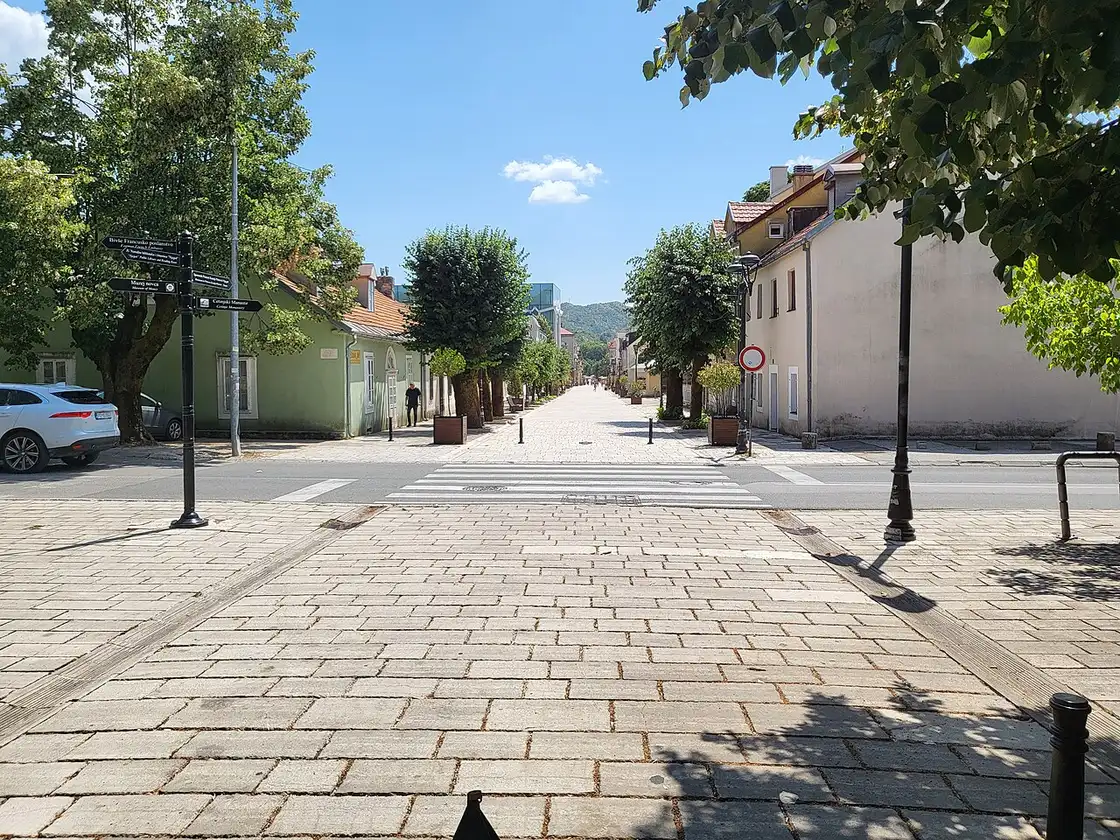
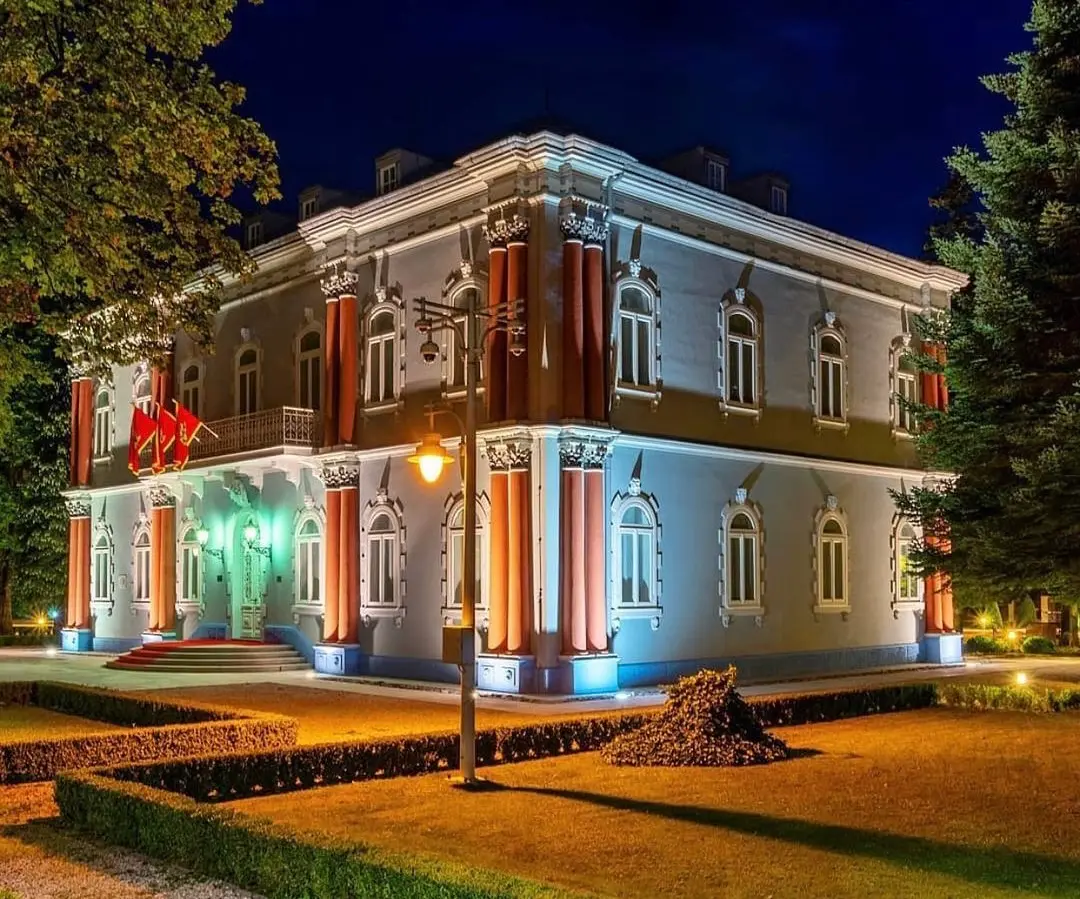
Cetinje’s other pleasure is simply walking it. Because it was the royal capital before 1918, foreign powers built legations and embassies here, and the old Russian, British, French, Italian and other missions are among the handsomest buildings in town - most now schools, faculties and institutions, but still recognisable. Stroll the main pedestrian street, Njegoševa, with its cafés and its signposts pointing to the monastery and the “former legations,” and the scale of the place tells you everything: this was a country’s capital that never grew into a city, and so kept the feel of a 19th-century court town. The elegant Blue Palace (Plavi Dvorac), once the heir apparent’s residence and now an official state building - it’s a good example of the era’s architecture.
Lovćen and the Njegoš Mausoleum
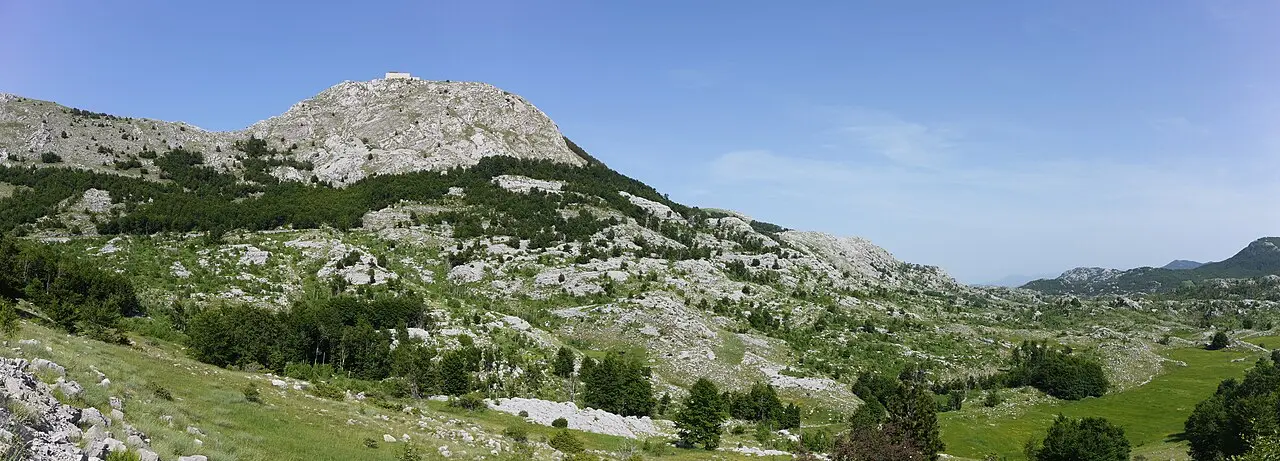
Cetinje is the gateway to Lovćen National Park, the mountain that rises straight behind the town - the park road climbs from about 13 km out of the centre. The highlight up there’s the Mausoleum of Njegoš on the peak of Jezerski Vrh (about 1,657 m), often called the highest mausoleum in the world. You reach the tomb through a tunnel and up a stairway of 461 steps, and the reward is a 360-degree panorama that on a clear day takes in the Bay of Kotor, the coast and much of Montenegro. It pairs naturally with a Cetinje visit - many day tours from the coast do both - though you’ll want a car or a tour, as public transport up the mountain is limited. Our full Lovćen National Park guide has the mausoleum, the serpentine drive and the new cable car in detail.
How to get to Cetinje
Cetinje sits inland between the coast and Podgorica, and it’s an easy trip from either.
- By car. Cetinje is roughly 30 km from Budva and 36 km from Podgorica (about 40 and 45 minutes), and it’s reached from Kotor either the long way round or up the dramatic Kotor-Lovćen serpentine for the views. Driving is the easiest way to add Lovćen. See our guide to renting a car in Montenegro.
- By bus. Regular buses run to Cetinje from Podgorica and from Budva/Kotor on the coast, cheaply and fairly often; the trip takes well under an hour from either side. The wider network is in getting around Montenegro.
- On a day tour. Many organised day trips from the coast combine Cetinje with Lovćen and the Njegoš Mausoleum, which solves the transport up the mountain.
- By air. The nearest airport is Podgorica (TGD), about 35 km away; Tivat (TIV) on the coast is a bit further. Neither is far.
Where to stay
Most people visit Cetinje as a day trip and sleep on the coast or in Podgorica, and that works well given how close everything is. But staying over has its own appeal: once the day-trippers and tour buses leave, the old capital is quiet and atmospheric in the evening, and there are guesthouses, small hotels and rental rooms in and around the centre at prices below the coast. A night here suits anyone who wants an early, unhurried start on Lovćen, or simply likes the idea of the historic town to themselves. For choosing a base for the whole trip, see our where to stay in Montenegro guide.
Where to eat
Cetinje’s cooking is inland and Montenegrin: hearty rather than coastal, built on the mountain staples of Njeguški prosciutto and cheese (from the village of Njeguši on the Lovćen road, the home of both), grilled meats, lamb, and kačamak and cicvara - cornmeal-and-cheese and cornmeal-and-cream dishes from the highlands. It’s heartier fare than the fish of the coast, and it goes with local Vranac red and Krstač white. There are cafés and konobas along and just off Njegoševa. Prices are generally lower than the coast and the food is honest and local; as ever, we don’t quote prices we can’t verify, so check menus on the day.
Practical tips for visiting Cetinje
A few things worth knowing before you go:
- Currency. Montenegro uses the euro (€), even though it’s not in the EU. Carry some cash for museum tickets, the monastery donation and small cafés.
- Dress for the monastery. It’s a working monastery - cover shoulders and knees, and be discreet with photography, especially around the relics.
- Combine it with Lovćen. The mausoleum and the park are the obvious pairing; allow half a day for both, and note you generally need a car or a tour to get up the mountain.
- When to go. Cetinje is inland and higher, so it’s cooler than the coast and can be crisp outside summer. Spring to autumn is comfortable; see our best time to visit Montenegro guide.
- How long to stay. Half a day covers the monastery, the Biljarda and a museum; a full day lets you add more museums, the embassy streets and Lovćen.
For where Cetinje fits into a wider trip, our Montenegro travel guide maps the country region by region, and you can browse more destinations in our cities guide. Down on the coast, Kotor and Budva are the usual bases for a Cetinje day trip.
Nearby / read also
- Kotor travel guide - the walled bay town, and the serpentine road up toward Cetinje and Lovćen.
- Budva travel guide - the coast’s resort capital, an easy day trip away.
- Podgorica travel guide - the modern administrative capital, about 36 km east.
- Things to do in Montenegro - where Cetinje and Lovćen fit among the highlights.
- All cities in Montenegro
Photos
On the map
The map loads on click - to keep the page lightweight.
The map didn’t load. Check your connection and refresh the page.
Read also

Cities · 9 min read
Bečići, Montenegro: Beach Resort Guide
Updated · September 23, 2026Bečići resort guide: 2 km beach, hotels from Splendid to Iberostar, the promenade walk to Budva, season tips and how to get there from Tivat.

Cities · 13 min read
Petrovac, Montenegro: Guide to the Quiet Beach Town
Updated · September 25, 2026Petrovac travel guide: 600 m of red sand, the Kastio fort, the chapel islet, buses from Budva in half an hour, and whether to base here or in Budva.

Cities · 12 min read
Herceg Novi, Montenegro: Old Town, Forts & Riviera
Updated · September 25, 2026Herceg Novi travel guide: the sunny stepped Old Town, the Forte Mare, Kanli Kula and Spanjola forts, the Igalo spa and how to get there from the border.

Cities · 12 min read
Žabljak: Where to Stay in Montenegro's Mountain North
Updated · September 25, 2026Žabljak travel guide: the base town for Durmitor - where to stay (centre, Black Lake road or a cabin), the Savin Kuk ski area, prices and how to get there.