
Ferry from Italy to Montenegro 2026: Routes That Run
Ferry from Italy to Montenegro 2026: no direct sailing, and Bari-Dubrovnik is suspended. Take Bari-Durres overnight, or fly Rome-Podgorica from €64.80.
From Italy this autumn you reach Montenegro one of two ways: Adria Ferries’ overnight Bari-Durres crossing and a drive north through Albania, or a 90-minute Air Montenegro flight from Rome into Podgorica, priced at €64.80 one-way (~$74 / £56) for 2 October when we checked on 23 September 2026. Neither direct sailing into Bar is running - Bar-Bari has no ship, and Adria Ferries’ Ancona-Bar page returns a 404 - and the Croatian workaround has just gone too: Jadrolinija suspended its Bari-Dubrovnik boat until 21 October 2026, which is where that line’s season was due to end anyway. So the choice comes down to one question: are you taking a car?
Our Bar-Bari ferry guide has the full story of that one line, and how to get to Montenegro lines up every arrival option, air and land included, side by side. Everything below was checked on 23 September 2026 - these lines change season by season, so confirm before you book.
What happened to the Italy-Montenegro ferries
The two routes that used to connect Italy and Montenegro by sea broke down for 2026, and for two different reasons.
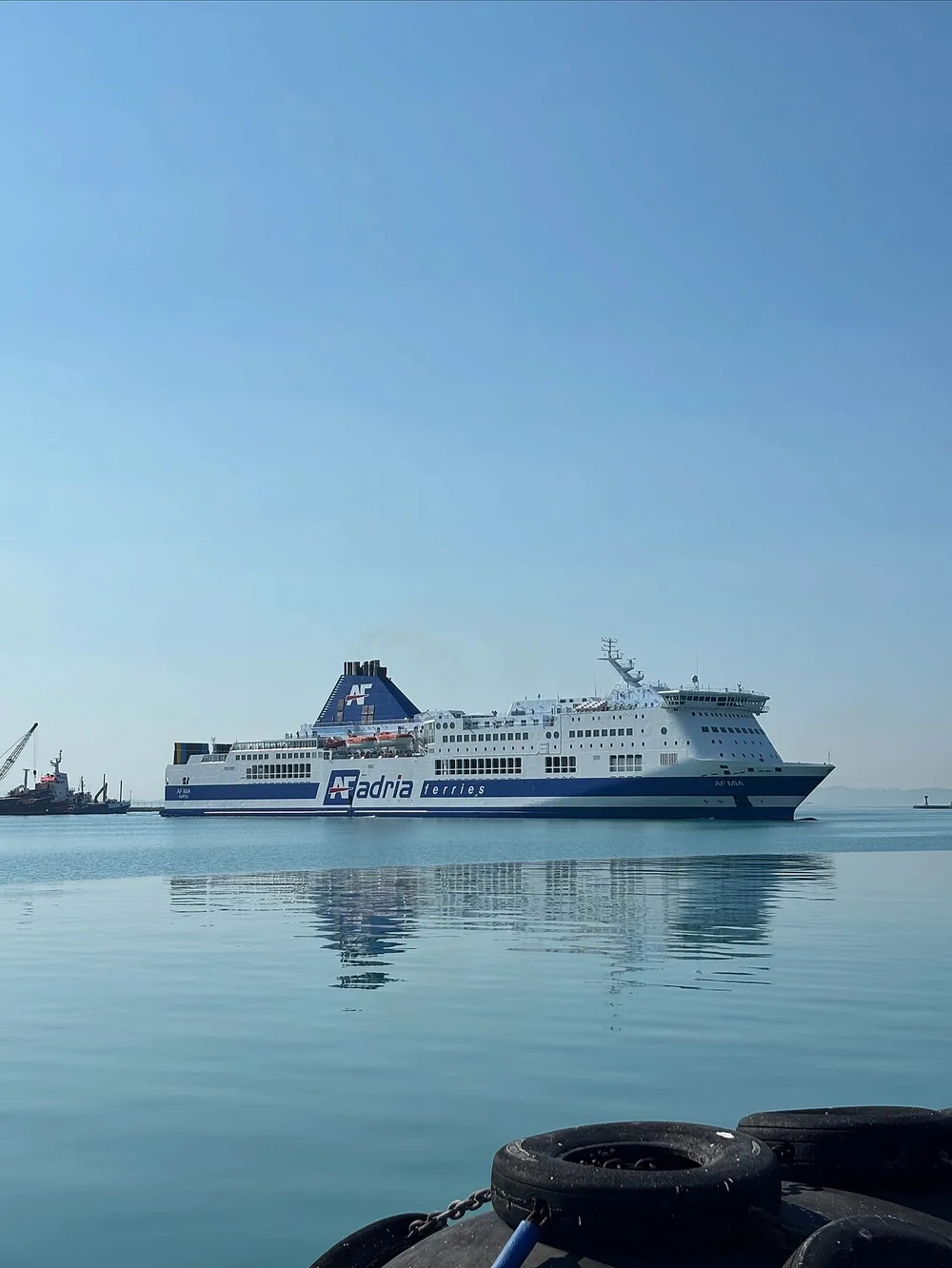
Bar-Bari stopped because Jadrolinija had no ship to put on it; the full story is in our Bar-Bari ferry guide. Ancona-Bar is a separate problem, and a physical one: Barska Plovidba’s director told the Montenegrin press in April that the Ancona-Bar-Durres line was in doubt because berth Gat V in the Port of Bar has not been repaired - and that even once it is, port approval for the AF Mia to tie up there is not a given. In 2025 the ship had to use an alternative berth inside the port to keep the season alive.
Checking the operator independently on 23 September 2026 gives the same answer from the other end: the line list inside Adria Ferries’ own booking engine returns Ancona-Durazzo and Bari-Durazzo only, in both directions, the site navigation matches it, and the dedicated Ancona-Bar page still returns a 404. Bar does still have a destination page in the Adria Ferries menu - it just has no line attached to it.
You’ll still find blog posts and price-comparison pages quoting fares and schedules for both routes. Those numbers are recycled from earlier seasons, and in Adria Ferries’ case Bar is gone from the route list.
What to do instead in 2026
Two routes get you from Italy to Montenegro this autumn, and the choice splits on one question - are you bringing a car? The season matters too, because the Croatian boat that used to be the third option is out of service.
| Who you are | Until 21 October 2026 | From 22 October 2026 |
|---|---|---|
| With your own car | Bari - Durres, overnight, close to daily, then 2.5-3h north to Ulcinj or Bar. Deck passage €62 low season, €108 high, a car €104/€170, plus €15 per passenger and €20 per vehicle in port fees | The same. Bari - Durres runs all winter; nothing else carries a car towards Montenegro |
| Without a car | Fly Rome - Podgorica, about 1h30, €64.80 one-way (~$74 / £56) with Air Montenegro on 2 October | The same, and the flight is the only sensible route once the nights get long |
| Hoping for Bari - Dubrovnik | Suspended. Jadrolinija has cancelled its international sailings until 21 October 2026 | Gone for the year. The 2026 season runs out on 21 October, and no 2027 dates are published |
Bari - Durres is the crossing for drivers heading anywhere in Montenegro this autumn, and from 22 October it is the only sea route left. Adria Ferries runs it close to daily all year: from mid-September the boat leaves Bari at 23:00 and docks in Durres at 08:00, with a 22:00 departure through winter and spring and an extra daytime sailing in high summer. From Durres the coastal drive north to Ulcinj or Bar is 2.5-3 hours, and it’s better than its reputation. One caution on the money: the fare table on the operator’s site is still headed “SEASON 2025”, so it gives you the shape of the price, not the price - put your own date through the booking system on adriaferries.com, and remember the port fees come on top of the fare.
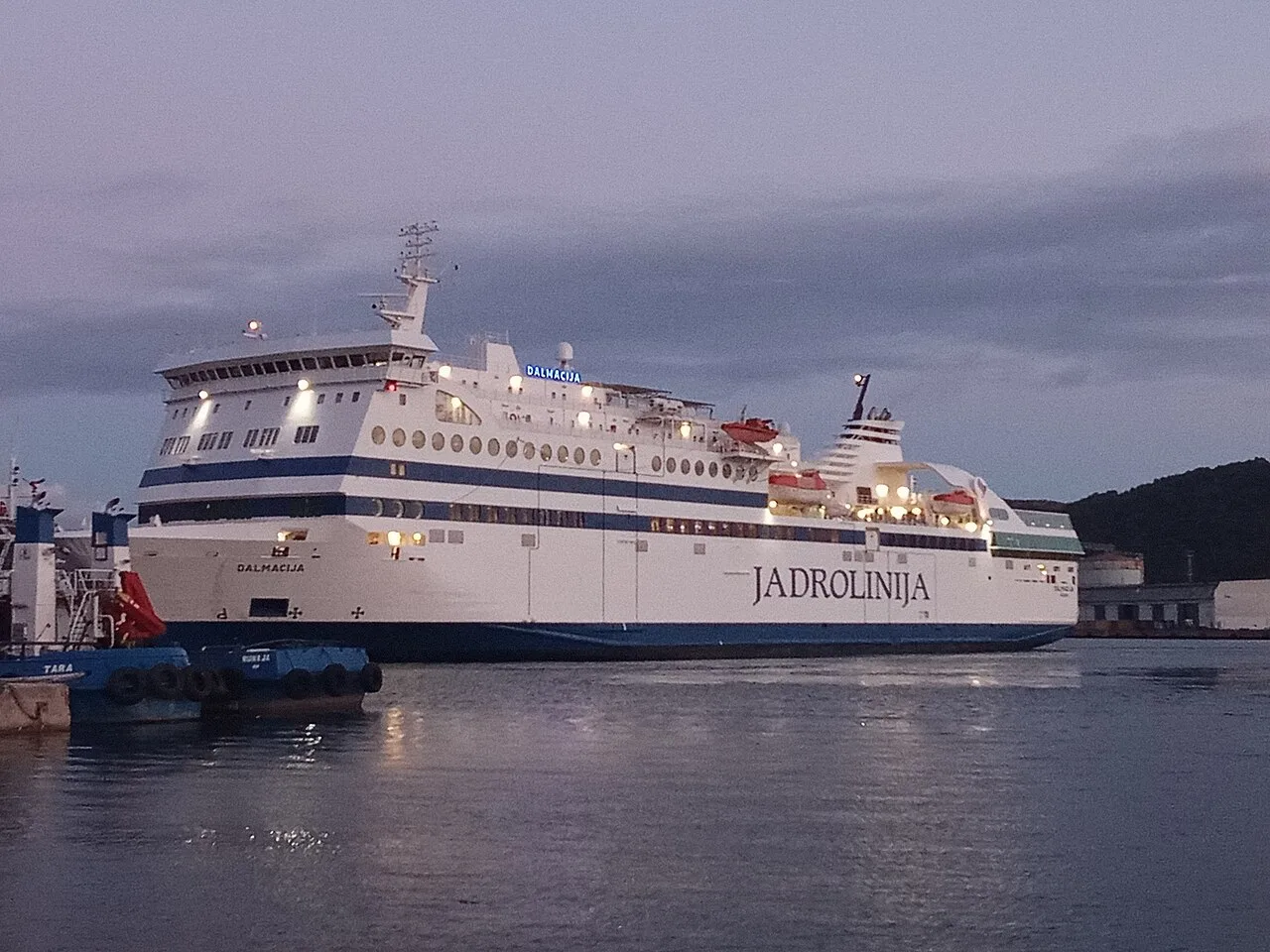
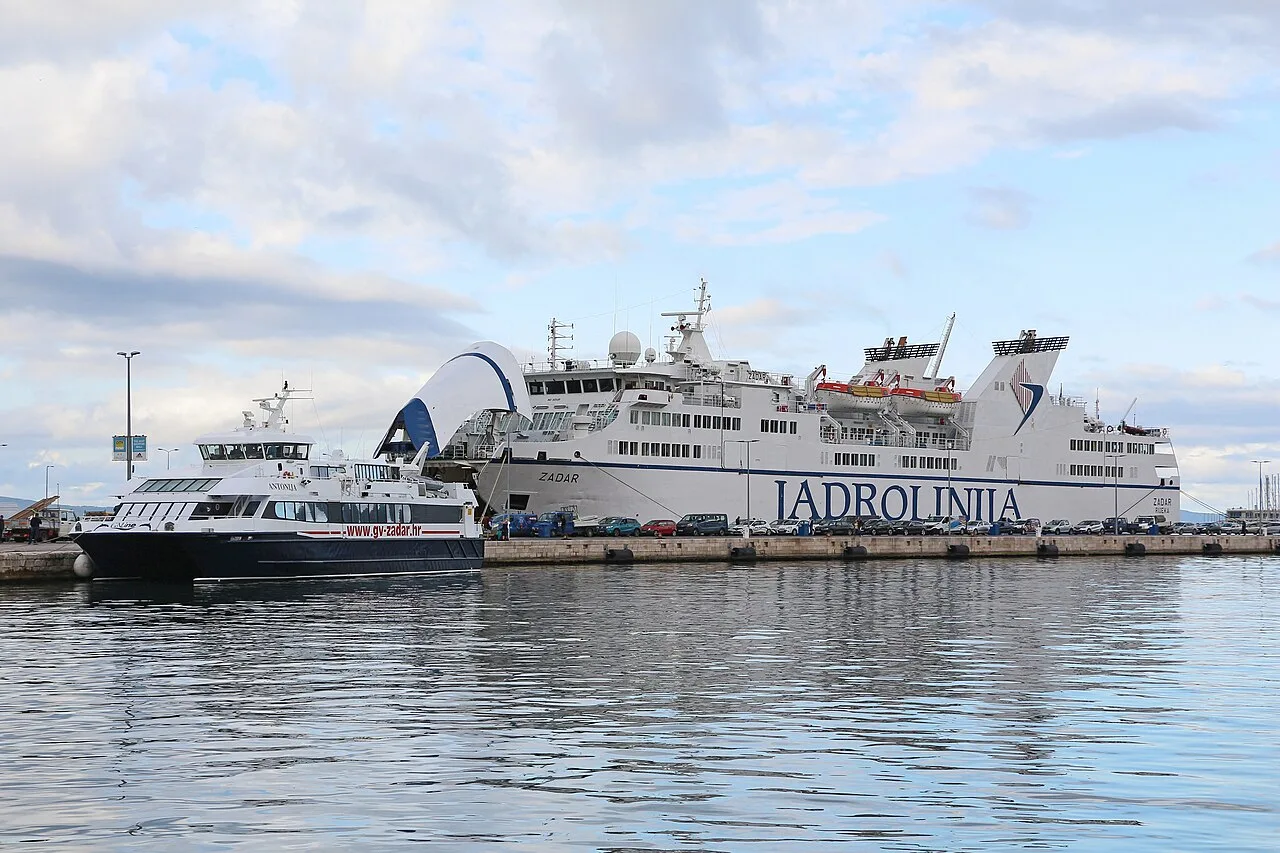
Bari - Dubrovnik was the drivers’ shortcut to the Bay of Kotor until this month. Jadrolinija’s notice board says a technical issue on the ferry Dalmacija has taken lines 53 Split-Ancona, 54 Dubrovnik-Bari and 56 Split-Bari out of service until 21 October 2026, with compensation under EU Regulation 1177/2010 for ticket holders. That date is not a coincidence: the operator’s own Route 54 timetable for 2026 ends with a final sailing window of 20-21 October, so the suspension wipes out every sailing that was left. If you had planned the two-hour drive south from Dubrovnik to Kotor, our guide to Kotor to Dubrovnik still covers that road - you’ll just be arriving at the airport rather than the ferry terminal.
Without a car, fly. Air Montenegro’s Rome-Podgorica fare was €64.80 one-way on the day we checked, for a direct flight of about 90 minutes. Against that, the boat to Durres costs €62 for deck passage before port fees, and then asks for a night at sea and three hours of driving; the ferry earns its place when the vehicle is the point, not the crossing itself.
If Ancona-Bar or Bar-Bari come back
Neither crossing is bookable right now, so we’re not printing a 2026 fare table for either - the numbers still circulating online are undated and recycled, and in at least one case belong to a different route entirely (a “Barska Plovidba price list” making the rounds is actually the Bar-Ancona grid, not Bar-Bari).
The two lines were also different animals, which matters if you’re planning around a comeback. Ancona-Bar was the overnight one - the last timetable the agency published has it leaving Ancona in the late afternoon and Bar at 20:30 or later - and it was sold by cabin grade: on that same price list an outside two-berth cabin ran €145 in low season and €270 in high, a deck passage €90/€145, a car €125/€216, with boarding taxes of €15 per passenger and €20 per vehicle on top. Bar-Bari was a daytime run of about eight hours, once a week, between 1 July and 27 August. If a 2027 season is confirmed, budget for a proper ferry fare on either, not a budget flight - and note that Barska Plovidba sells through a phone-and-email agency desk rather than a booking engine, so you may be buying the old-fashioned way.
Bringing a car: what to book and what to carry
Book the car deck first and the cabin second. Vehicle capacity is the constraint, not berths, and peak August dates go before the passenger decks do. Everything else follows from Montenegro not being in the EU:
- Motor insurance. Check your policy actually covers Montenegro. Many EU and UK policies need a Green Card naming it, and the port is a bad place to discover otherwise.
- The vehicle’s registration document (V5C or the equivalent) in the driver’s name, plus your driving licence.
- A hire car needs written permission. Most Italian rental agreements exclude Montenegro or charge a cross-border fee, and you need the rental company’s authorisation letter to put the car on the boat. Confirm this before you pay for a ferry ticket, not after.
- Time at the port. Check-in for an international sailing closes well before departure; plan on being there two hours ahead, and read your operator’s own deadline.
Once you’re ashore, driving in Montenegro covers the road tolls, the fuel situation and the parking rules, and the Sozina tunnel on the inland road from Bar to Podgorica costs about €2.50.
Entering Montenegro: passports and paperwork
Arriving by sea, wherever you land, puts you through the same immigration rules as arriving by air, and for Western passports they’re gentle. Citizens of the EU, UK, US, Canada, Australia and New Zealand enter visa-free for up to 90 days in any 180-day period, on a passport. There’s no ETIAS for Montenegro itself, because the country is outside the EU and Schengen - though ETIAS will matter for the Italian port you sail from, and for Dubrovnik if you take the Croatian route.
Three practical points for a ferry arrival:
- Everyone on the booking needs their own travel document at check-in, and names on tickets have to match passports. Ferry desks are stricter about this than airline apps are.
- You must be registered with the police or a tourist office within 24 hours of arrival. A hotel does it automatically; a private apartment or a camper on the coast is where people get caught out.
- EU nationals travelling on a national ID card rather than a passport get up to 30 days, against 90 on a passport, per gov.me - so bring the passport if you’re staying longer.
Rules for your own nationality are the ones that count, and they change: check the Government of Montenegro visa page and your own foreign ministry before you sail. Our full guide to Montenegro entry requirements goes through the documents, the 24-hour registration and the ETIAS question in detail.
Onward from Bar
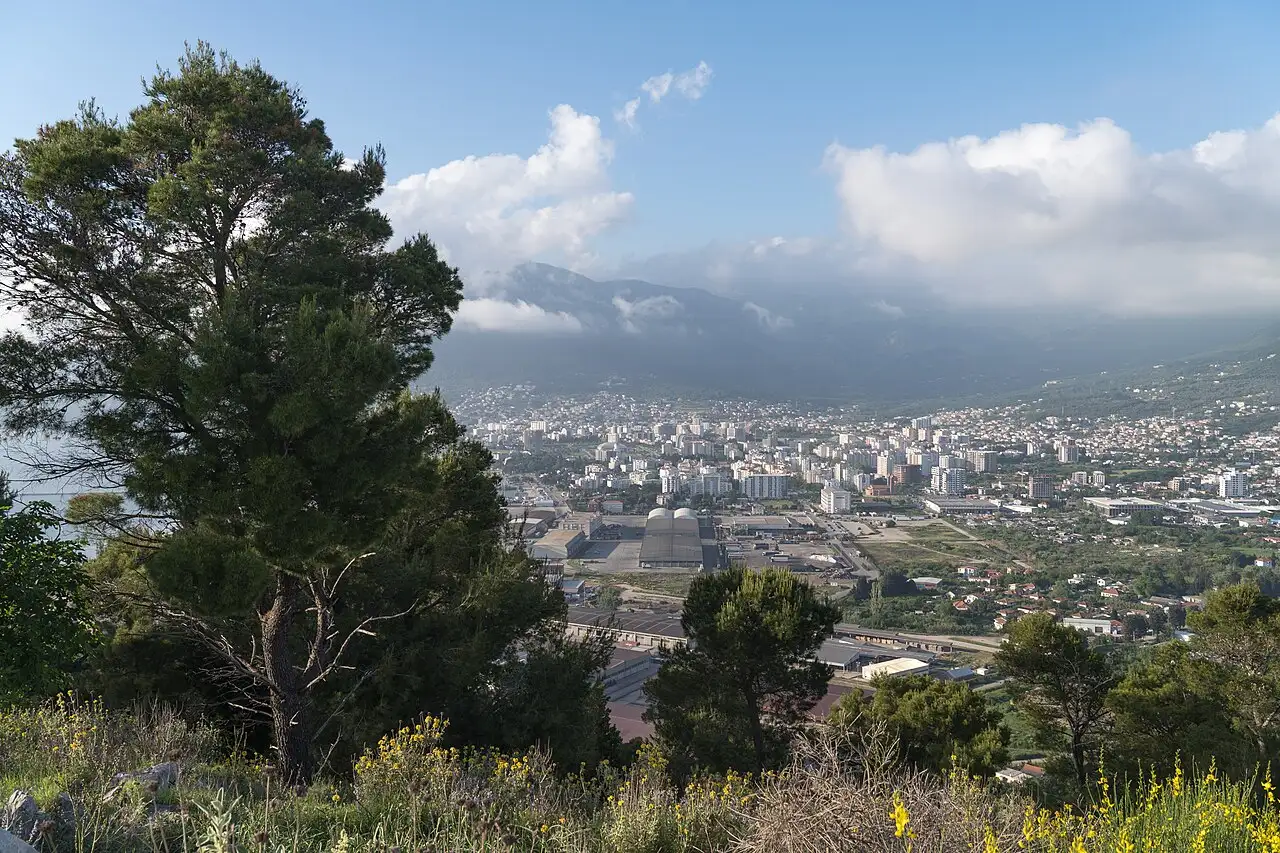
If you come up from Durres, Bar is where the railway starts and the coast buses run from - the first Montenegrin town where you can stop driving and let someone else do it. It’s a working commercial and ferry port rather than a resort, so don’t expect a postcard old town on the waterfront; the interest is inland, at Stari Bar.
From Bar you have real options for getting on:
- By car: you’re already mobile. The coast road runs north to Budva (about 40 km) and on to Kotor (about 60 km).
- By bus: intercity buses run along the coast to Budva, Kotor and beyond, and inland to Podgorica. The full picture is in getting around Montenegro, and if you’re not renting, Montenegro without a car shows how far buses and the train get you.
- By train: Bar is the coastal terminus of the scenic railway up to Podgorica, Kolašin and on to Belgrade - cheap and beautiful, if slow.
Boats people confuse with this
Two other services get lumped in with “ferry to Montenegro,” and neither is a car ferry from Italy. There is a small car ferry across the Bay of Kotor (Kamenari-Lepetane) that shortcuts the inner bay, useful once you are in the country and covered in getting around Montenegro, and seasonal passenger boats and catamarans from Dubrovnik down to Kotor, which carry people but not vehicles. If the point is your car, Bari-Durres plus the drive north is the closest thing to a direct option this year.
Euros, cash and when to book
Montenegro uses the euro (€) even outside the EU, so there’s no currency change coming from Italy; cards work in town, but carry some cash for the terminal, buses and small stops. Book the Bari-Durres car deck early in August - vehicle space is the constraint, not seats - and if you’re travelling after late October, plan on Durres or a flight, because the Dubrovnik boat will have stopped for the winter and neither direct sailing into Bar is coming back this year.
Nearby / read also
- Bar-Bari ferry - the deeper story of why that specific line stopped, and when it might return.
- Getting around Montenegro - buses, taxis, car, the bay ferry and trains.
- Montenegro without a car - how far buses and the train get you.
- Driving in Montenegro - roads, tolls, fuel and parking for your own car.
- Montenegro entry requirements - documents to enter and to bring a vehicle.
- Kotor to Dubrovnik - the drive and the border if you sail into Croatia instead.
- Kotor - the walled old town and the Bay of Kotor.
- Where to stay in Montenegro - pick your base by trip type once you land.
Read also

Transport · 9 min read
Getting to Durmitor & Žabljak: Bus, Car, Tours
Verified · September 3, 2026Podgorica bus €10-12 (2h15-2h45), Budva €22-25, Kotor €20-23, drive times and KiwiTaxi from €253. Fares checked 3 Sep 2026.

Transport · 10 min read
Montenegro to Albania: Buses, Borders & Day Trips
Verified · August 22, 2026Budva-Tirana buses (~5.5 h), Ulcinj-Shkodër via Sukobin, Božaj/Hani i Hotit, day trips and the ride back, in one place.

Transport · 14 min read
Taxis in Montenegro: Apps, Prices & Scams to Avoid
Updated · September 25, 2026Montenegro taxi fares in August 2026: real municipal price bands in Budva, Kotor and Podgorica, airport surcharges, apps, and scams to avoid.

Transport · 8 min read
Balkan Car Hire: Crossing Borders Without a Refusal
Verified · August 15, 2026A hire car crosses these borders on paperwork, not luck: written permission, a Green Card in some countries and not others, and one country nobody insures.