
Ulcinj, Montenegro: Long Beach, Old Town & Ada
Ulcinj travel guide: Velika Plaža and its 13 km of sand, the walled Old Town and its pirate past, Ada Bojana, the salt-pan flamingos and how to get there.
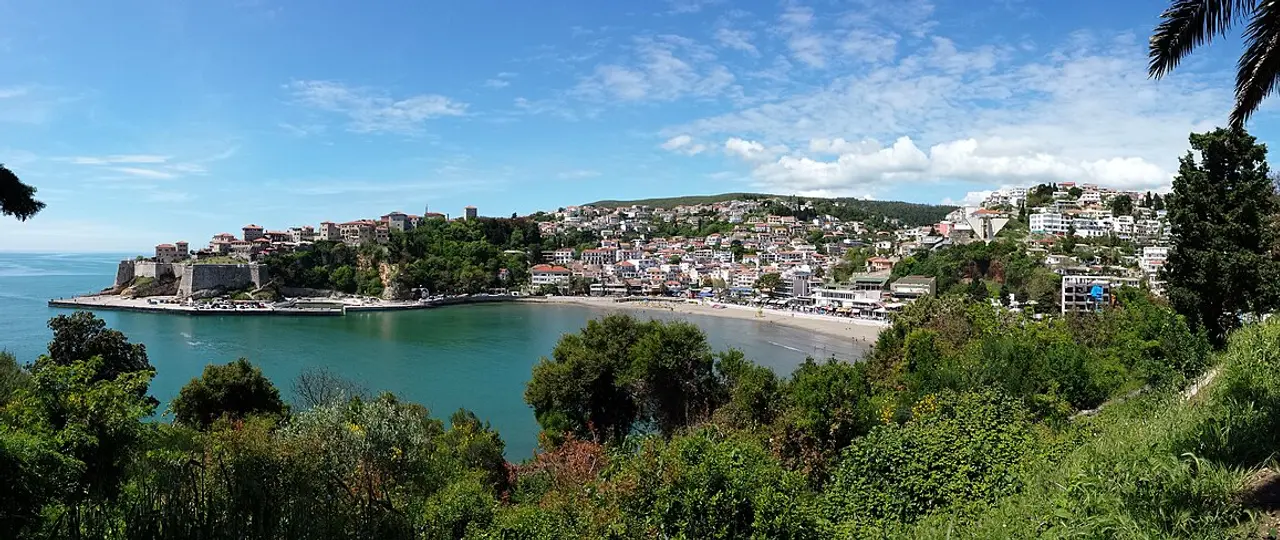
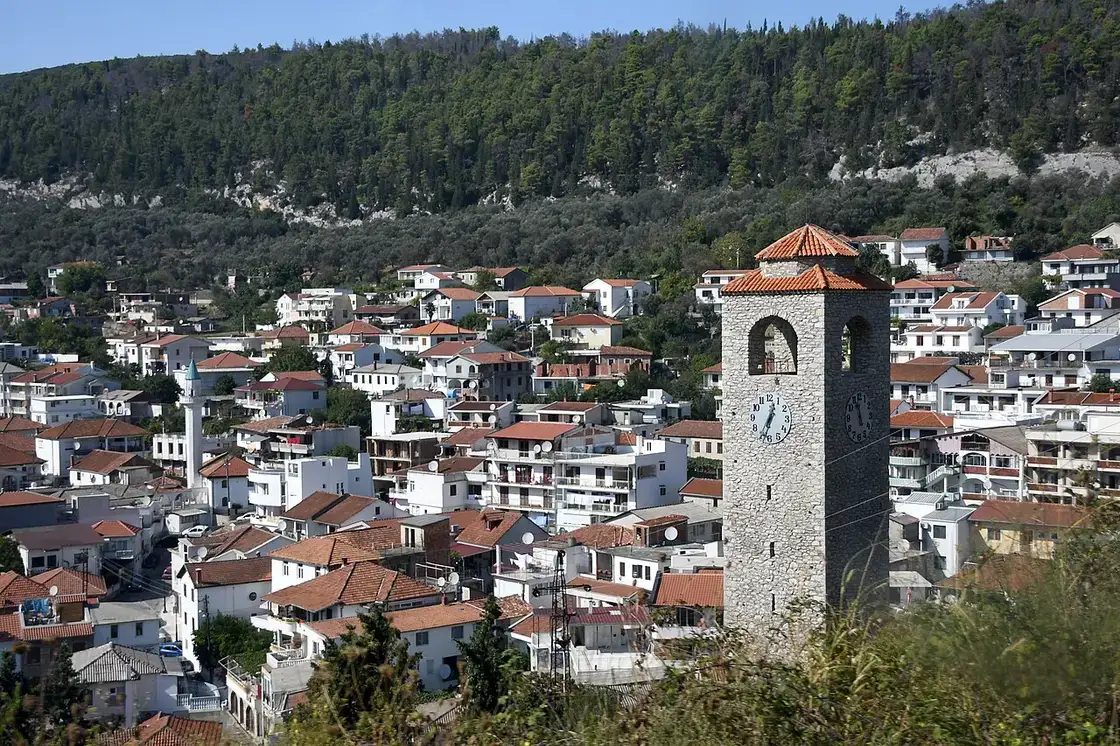
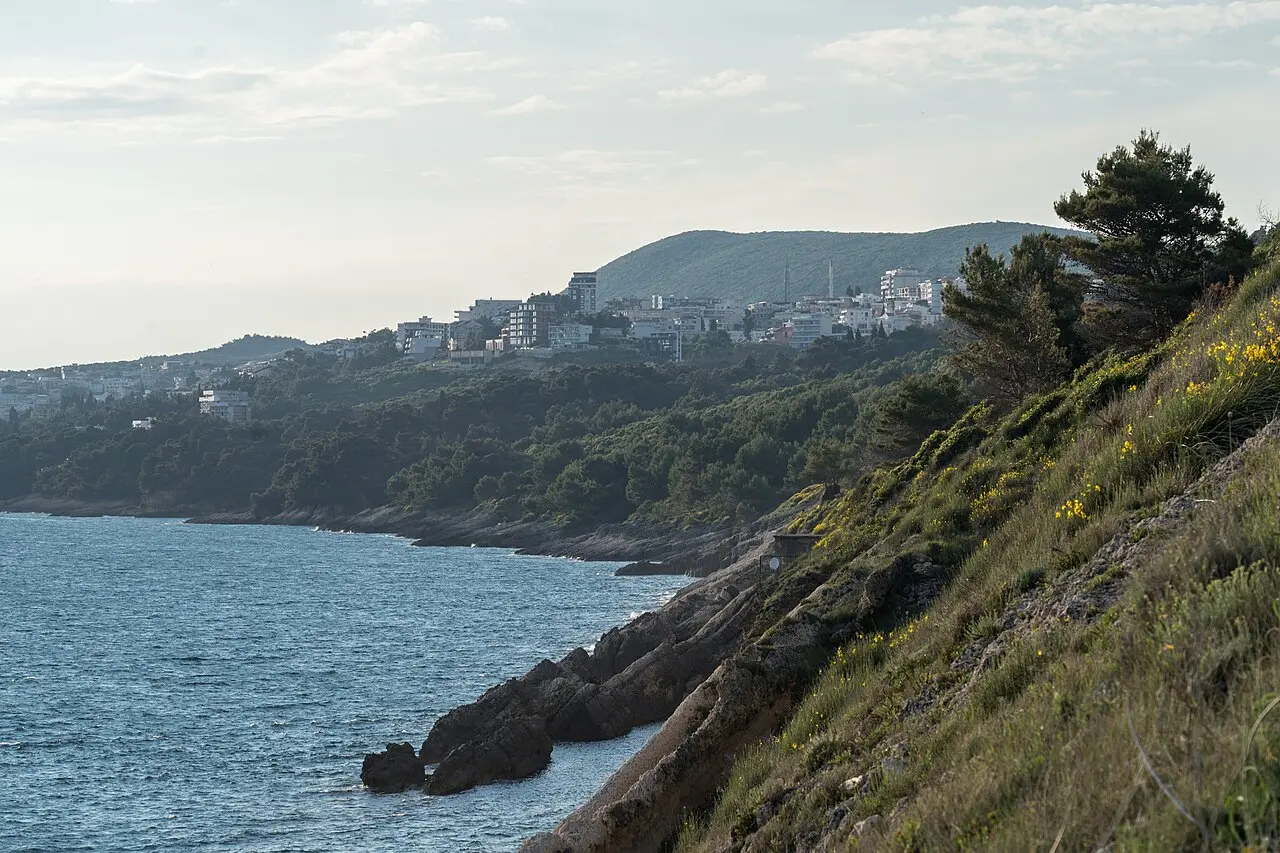
Ulcinj is Montenegro’s southernmost coastal town and its most distinctive: a walled Old Town on a rocky bluff, an old-Ottoman skyline of minarets, and the longest sandy beach on the whole Adriatic just south of it. This is where the country runs out of coast - the Bojana river marks the Albanian border - and it feels different from the Bay of Kotor: warmer, cheaper, more Mediterranean-Ottoman, with an Albanian-speaking majority. People come for the sand at Velika Plaža, the river island of Ada Bojana, and a fortress old town with a genuinely wild history as a pirate base. If you want beach days over medieval sightseeing, this is the corner to choose.
Is Ulcinj worth visiting?
Yes - especially for sand, sun and a change of character. Ulcinj (population around 11,500 in the town, roughly 21,000 in the municipality) is unlike anywhere else on the coast. It has Montenegro’s largest Albanian community, so you hear Albanian on the streets and the call to prayer from the minarets, and the food, the pace and the feel all lean south toward the Mediterranean and the Ottoman past. It’s the warmest part of the country and, being far from the Bay of Kotor and the airports, generally cheaper and less polished.
What it’s not is a Kotor-style set piece. The Old Town is smaller and rougher, the modern town is unglamorous, and it takes effort to reach. The reason to come is the beaches and the different atmosphere: the enormous sweep of Velika Plaža, the naturist-and-kitesurf island of Ada Bojana, the flamingos on the old salt pans, and a fortress old town you can wander for an hour. If your trip is about sand and escaping the bay’s crowds, Ulcinj rewards the drive south; if it’s about the Boka’s scenery, keep it as a day trip or a two-night add-on.
What to see in Ulcinj
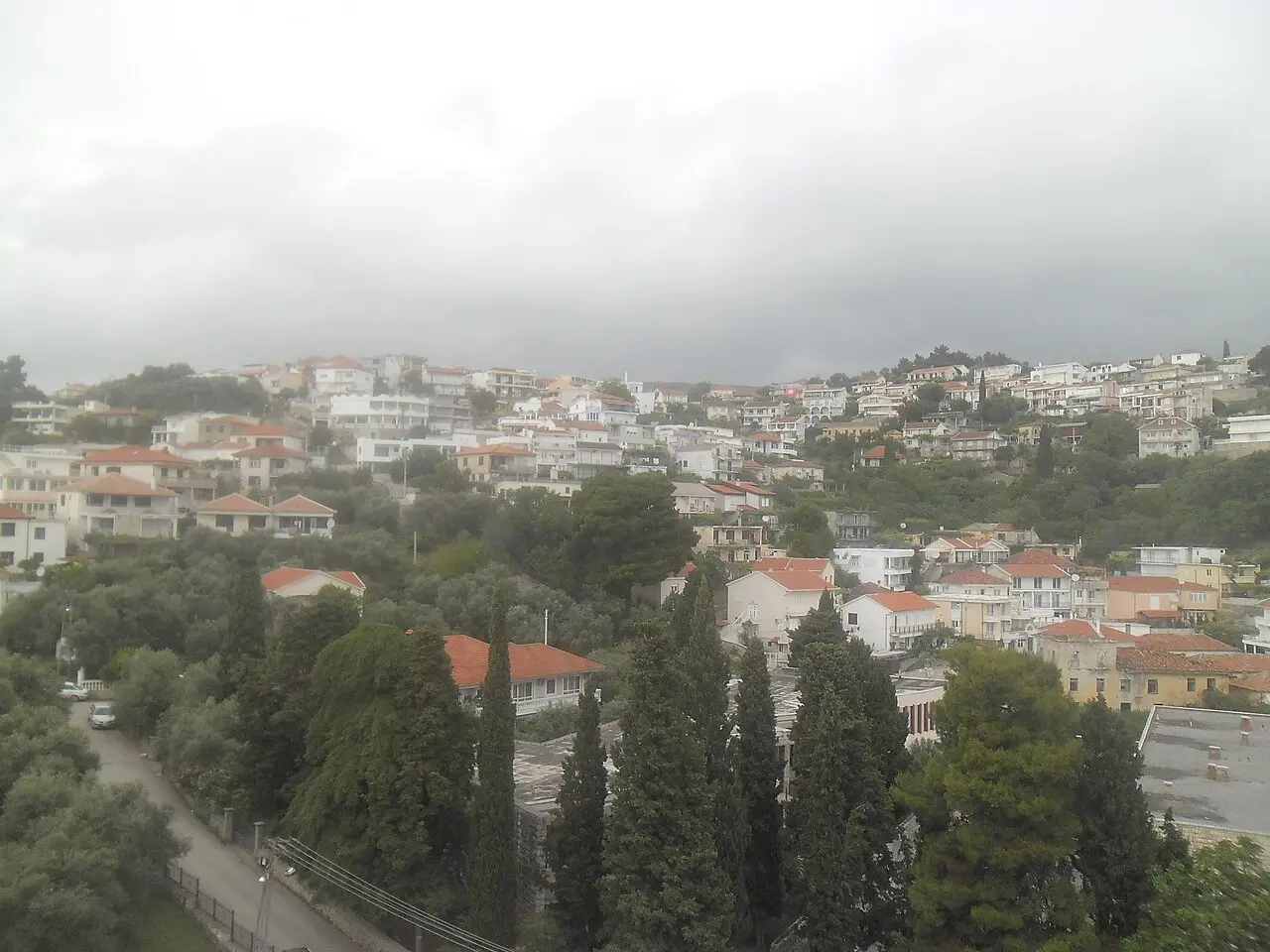
The town divides between the Old Town on its bluff and the modern streets below, with the beaches spread south and the salt pans east. Here’s what to prioritise.
The Old Town and its pirate past
The Old Town (Stari Grad) is a walled medieval citadel perched on a rocky promontory above the harbour and the town beach. It is smaller and more lived-in-and-crumbling than Kotor’s - a tangle of stone lanes, ramparts and old houses, some now hotels and cafés, with big views over the sea. What makes it memorable is the history. In the 17th and 18th centuries Ulcinj was one of the most notorious pirate bases on the Adriatic: corsairs of North African and Albanian origin - the Italians called them lupi di mare, “sea wolves” - worked out of here with a fleet said to number in the hundreds of ships, raiding shipping and running what was reportedly the largest slave market on the Adriatic, on a small square in the Old Town. (A persistent local legend even claims the writer Cervantes was held captive here - treat that as legend, not fact.)
Look, too, for the Church-Mosque (Crkva-Džamija), a single building that tells the whole story of the town: it was built as a Renaissance church in 1510, converted into a mosque by the Ottomans in 1571, and today holds the local archaeological museum. There is usually a small entry fee to the Old Town and museum - check locally.
Mala Plaža and the town beaches
Right below the Old Town is Mala Plaža (“Small Beach”), the town’s central sandy beach - a compact crescent of dark sand tucked under the fortress, busy and lively in summer with bars and loungers on its doorstep. It’s convenient and pretty, framed by the old walls, but it’s small and it fills, so it’s the swim you take between other things rather than a day-long spot. For space and real sand, you head south to Velika Plaža.
Velika Plaža: the longest sand on the Adriatic
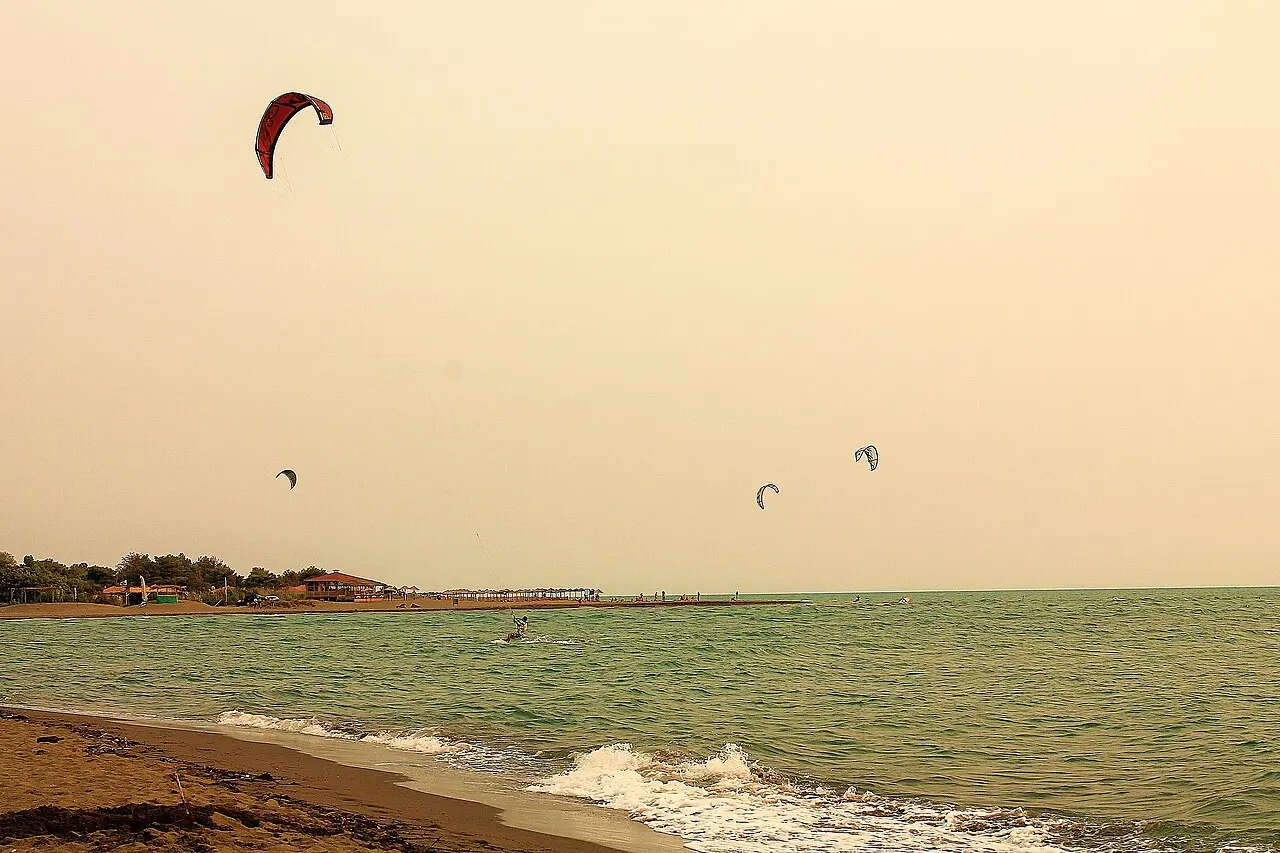
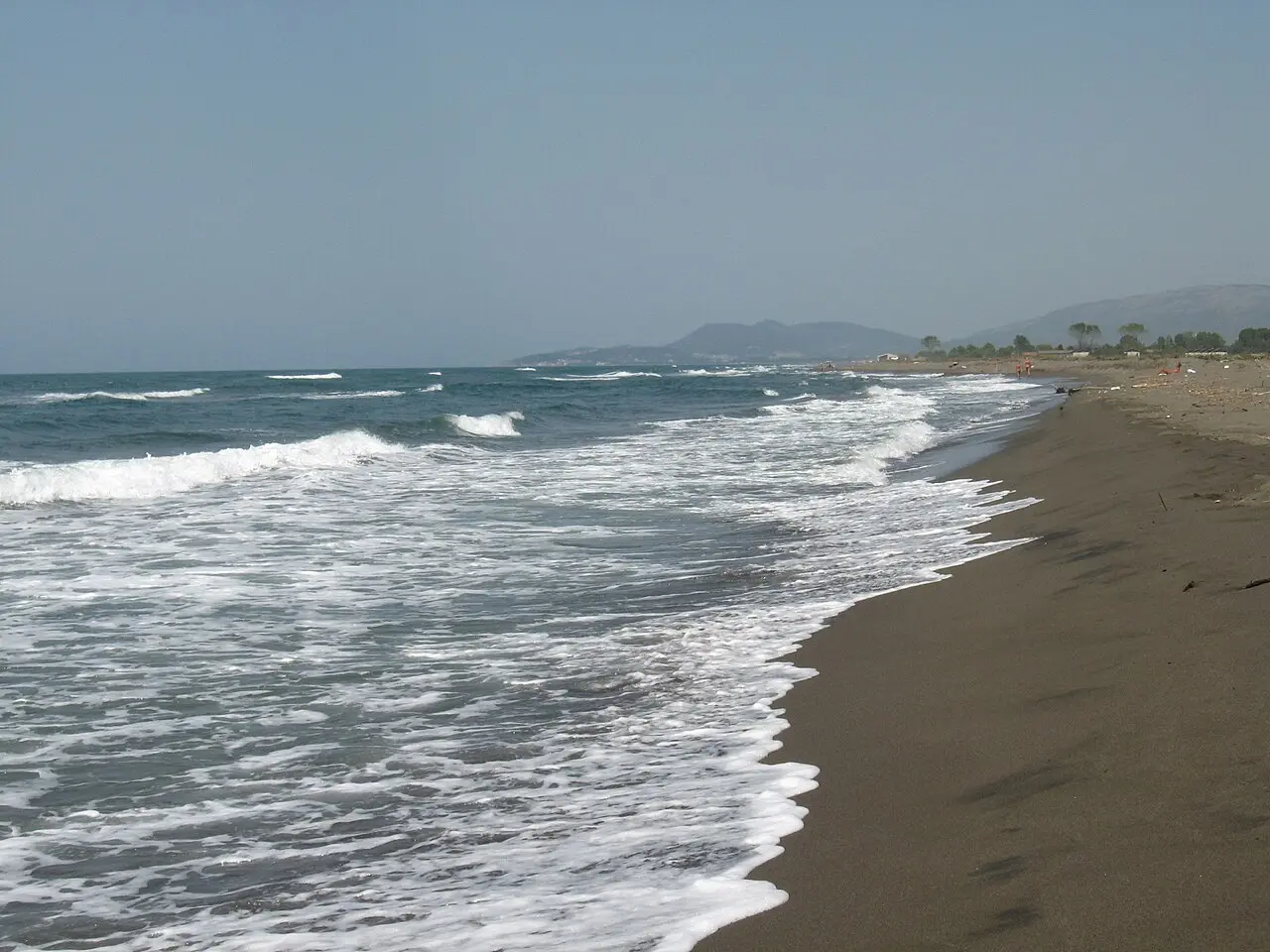
Velika Plaža (“Long Beach”) is the headline: around 13 km of fine, dark sand running southeast from the edge of town toward the Bojana river - the longest beach in Montenegro and on the whole Adriatic. The water is shallow and warms fast, which makes it a family favourite, and the broad, flat shore has bars and watersports near the access roads with long empty stretches in between. The other draw is wind: a steady afternoon breeze makes the beach one of the region’s main kitesurfing and windsurfing hubs, with schools running from spring into autumn. It earns its place among the best beaches in Montenegro as the country’s sand capital - very different from the pebble coves up around Budva.
Ada Bojana: the river island
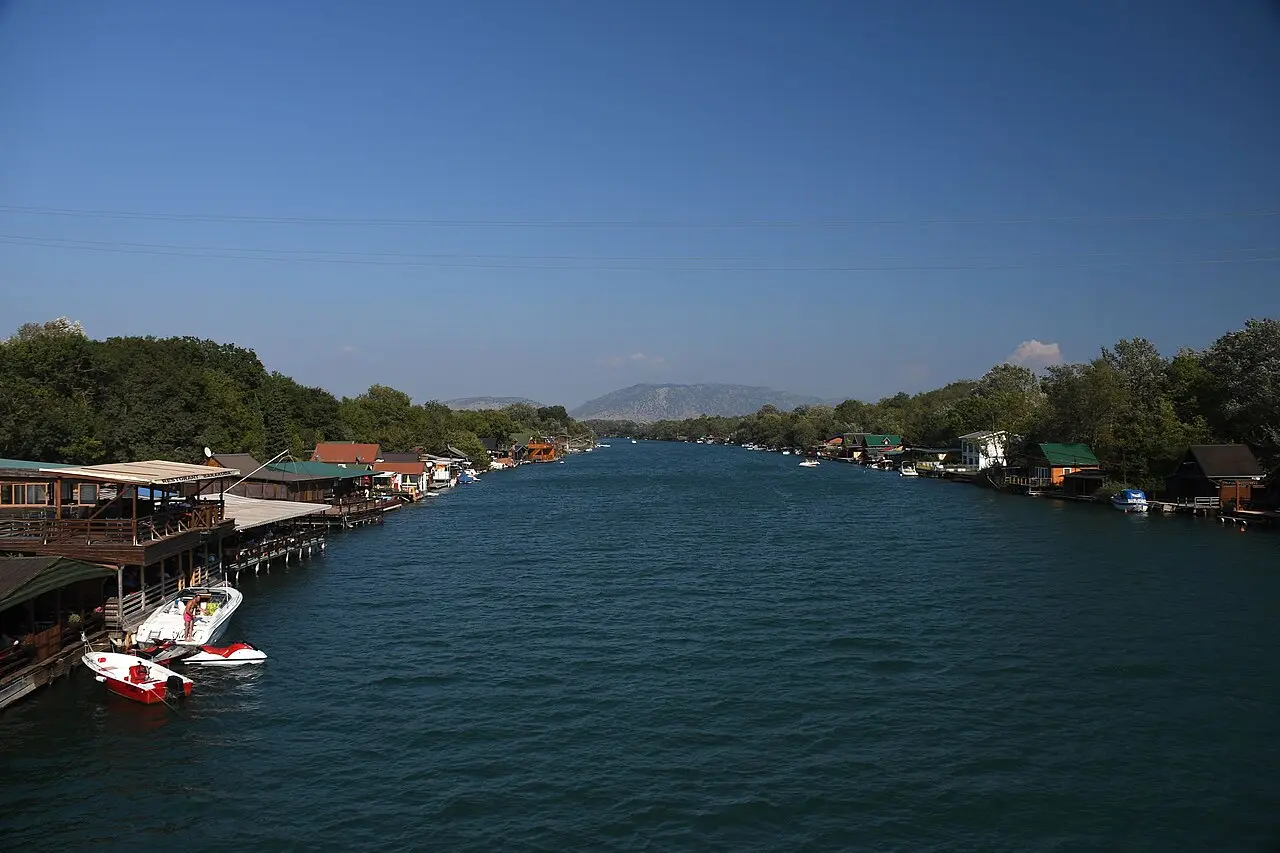
At the very end of Velika Plaža, where the Bojana (Buna) river meets the sea on the Albanian border, lies Ada Bojana - a triangular river island, water on two sides and open Adriatic on the third, about 15 km from Ulcinj. It’s a place apart: a long-established naturist (nudist) resort occupies much of the island and its sandy beach, and the wind that feeds Velika Plaža also makes this a kitesurfing spot. The other reason to come is to eat. The river channel is lined with wooden fish restaurants built on stilts over the water, where you pick your fish from a tank; the local speciality is jegulja, Bojana eel, usually stewed - its flavour comes from the brackish water at the river mouth. Even if you’re not staying, Ada Bojana makes a memorable half-day: a swim, a walk and a long lunch on the river.
The salt pans and the flamingos
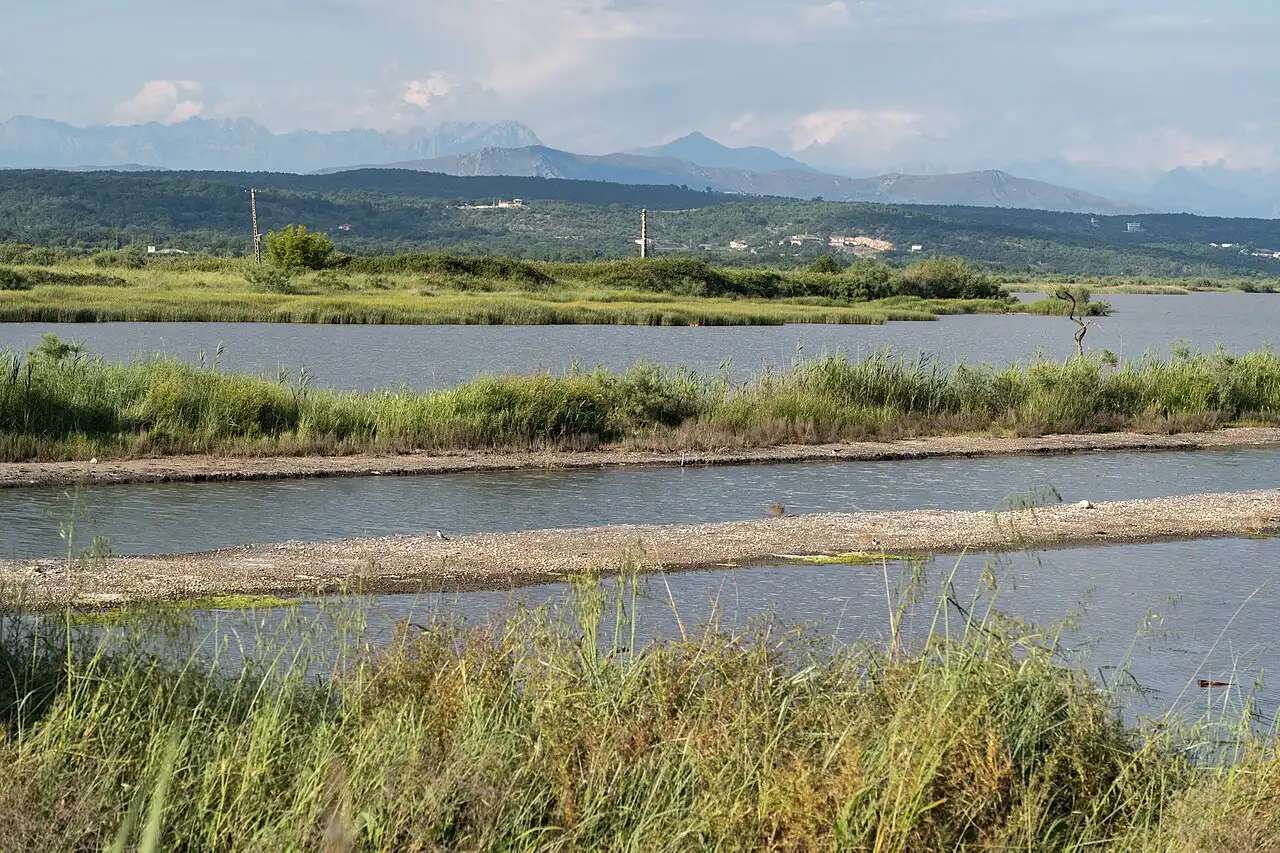
Just east of town, the Ulcinj Salina is a vast expanse of former salt-production pans (salt was made here until around 2011) that has become one of the most important birdwatching sites on the eastern Adriatic. Over 250 bird species have been recorded, and this is the only place on the eastern Adriatic where Greater Flamingos live year-round - an estimated couple of thousand of them at times. Walking and cycling paths with observation points let you see the pans without disturbing the birds; it’s a flat, quiet, completely different half-day from the beach. Spring and autumn are the best for numbers, though some flamingos stay all year. Inland, freshwater Lake Šas (Šasko jezero) is another birding and fishing spot for anyone with more time.
Where to stay
Ulcinj suits a range of budgets, and where you stay depends on what you’re here for. For atmosphere and sightseeing, base yourself in or just below the Old Town, near Mala Plaža - walkable, characterful, lively in the evenings. For a straightforward beach holiday, the apartments and hotels strung along Velika Plaža put you on the sand, though you will want a car or the local shuttle to get into town. For something wilder - naturism, kitesurfing, river-fish dinners - stay out at Ada Bojana itself. Prices here are generally lower than the Boka and the Budva Riviera, and the season is long and warm. As everywhere, July and August are the busiest and dearest. Our where to stay in Ulcinj guide breaks down the Old Town against the Velika Plaža strip area by area; for the wider picture, see where to stay in Montenegro.
How to get to Ulcinj
Ulcinj is the end of the line on the coast - there is no airport and no railway here, so you arrive by road, usually via Bar.
- By car. Ulcinj is about 25-30 km south of Bar (roughly 30-40 minutes) on the coastal road, and about an hour and a half south of Budva. Driving is much the easiest way to reach the beaches, Ada Bojana and the salt pans, which are spread out. See our guide to renting a car in Montenegro.
- By bus. Intercity buses run down the coast to Ulcinj from Bar, Budva and Kotor, cheaply and fairly often in summer; the bus station is a short way from the centre. The full picture is in getting around Montenegro, and Montenegro without a car covers how far you get without renting. From here the next hop south is into Albania - Montenegro to Albania covers the Sukobin crossing and day trips to Shkodër.
- By train, then bus. The scenic railway from Podgorica and Belgrade ends at Bar; from there it’s a short bus or taxi hop on to Ulcinj. If you’re arriving on the ferry from Italy, the same applies - dock at Bar, then continue south.
- By air. The nearest airport is Podgorica (TGD), around 70 km inland; Tivat (TIV) on the bay is further. Neither is close, which is part of why Ulcinj stays quieter than the central coast.
Where to eat
Ulcinj’s food leans south and to the sea: fresh Adriatic fish and seafood, grilled meats, and strong Ottoman and Mediterranean influences you feel more here than anywhere else in Montenegro. The signature experience is the stilt fish restaurants on the Bojana at Ada Bojana, where the speciality is river eel (jegulja) and you choose your fish from the tank. In the Old Town and along Mala Plaža you’ll find ćevapi and grills, seafood, and the sweet-and-savoury baking of the region. Local olive oil is everywhere - the hills around town are full of groves. We don’t quote fixed prices we can’t verify, so check current menus locally, but Ulcinj generally eats well and cheaper than the resort towns up the coast. For named addresses on the Bojana and inside the walls, see our where to eat in Ulcinj guide.
Practical tips for visiting Ulcinj
A few things worth knowing before you go:
- Currency. Montenegro uses the euro (€), even though it’s not in the EU. Carry some cash for beach loungers, the Old Town and small places.
- Getting around. The sights are spread out - Old Town, Velika Plaža and Ada Bojana are all a drive apart - so a car or the seasonal beach shuttles help a lot.
- When to go. This is the warmest corner of the country with a long season. July and August are hot and busy; late spring and September are excellent - warm sea, thinner crowds, and better birdwatching at the salt pans. See our best time to visit Montenegro guide.
- How long to stay. A day covers the Old Town and Mala Plaža; two or three days let you add Velika Plaža, Ada Bojana and the flamingos at the salt pans without rushing.
For where Ulcinj fits into a wider trip, our Montenegro travel guide maps the country region by region, and you can browse more destinations in our cities guide. Heading back north, Bar and its old town and railway are the first stop.
Nearby / read also
- Bar travel guide - the port and the ruined Stari Bar, 25-30 km north.
- Best beaches in Montenegro - where Velika Plaža fits against the rest of the coast.
- Getting around Montenegro - buses, the train to Bar, taxis and car.
- Where to stay in Montenegro - pick your base by trip type.
- All cities in Montenegro
Photos
On the map
The map loads on click - to keep the page lightweight.
The map didn’t load. Check your connection and refresh the page.
Read also

Cities · 9 min read
Bečići, Montenegro: Beach Resort Guide
Updated · September 23, 2026Bečići resort guide: 2 km beach, hotels from Splendid to Iberostar, the promenade walk to Budva, season tips and how to get there from Tivat.

Cities · 13 min read
Petrovac, Montenegro: Guide to the Quiet Beach Town
Updated · September 25, 2026Petrovac travel guide: 600 m of red sand, the Kastio fort, the chapel islet, buses from Budva in half an hour, and whether to base here or in Budva.

Cities · 12 min read
Herceg Novi, Montenegro: Old Town, Forts & Riviera
Updated · September 25, 2026Herceg Novi travel guide: the sunny stepped Old Town, the Forte Mare, Kanli Kula and Spanjola forts, the Igalo spa and how to get there from the border.

Cities · 12 min read
Žabljak: Where to Stay in Montenegro's Mountain North
Updated · September 25, 2026Žabljak travel guide: the base town for Durmitor - where to stay (centre, Black Lake road or a cabin), the Savin Kuk ski area, prices and how to get there.