
Montenegro Travel Guide 2026: How to Plan Your Trip
Montenegro travel guide for 2026: where to go on the coast and in the mountains, how many days you need, getting around, entry rules and what it costs.
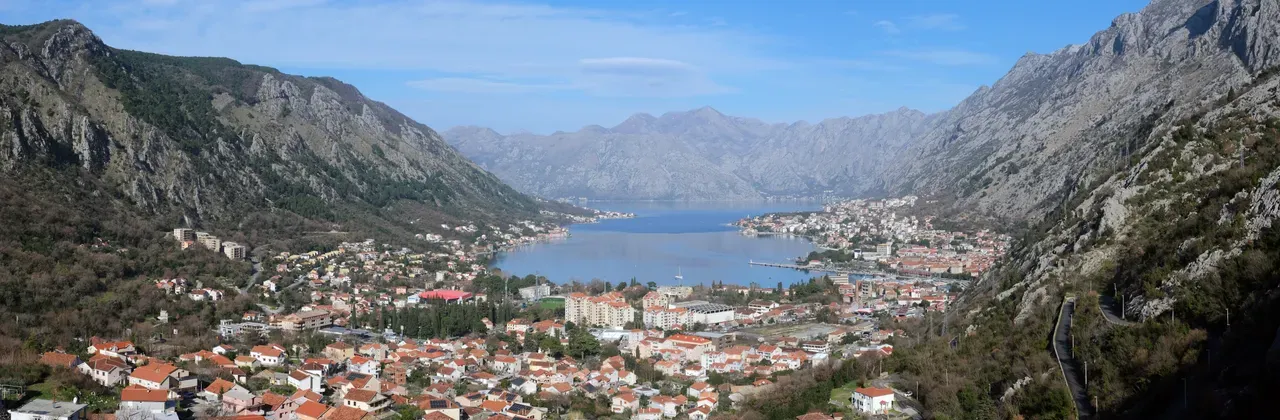
Montenegro is small enough to drive end to end in about four hours and varied enough that you won’t want to: a UNESCO old town wrapped around a fjord-like bay, a riviera of sand and pebble beaches, and glacial lakes and 2,000 m peaks an hour and a half inland. For a first trip, the practical answer is a coastal base for most of your nights plus two or three days inland, and a car for at least part of it.
The country receives about 2.6 million arrivals and 15.6 million overnight stays a year (MONSTAT, 2024 figures), and 96.1% of those nights were booked by foreign visitors. The more useful number is where they sleep: 93.8% of all overnight stays were spent on the coast. That single statistic explains the whole trip-planning problem here - the sea is crowded and well served, the mountains are quiet and thinly served, and the gap between them is a two-hour drive nobody warns you about.
Is Montenegro worth visiting?
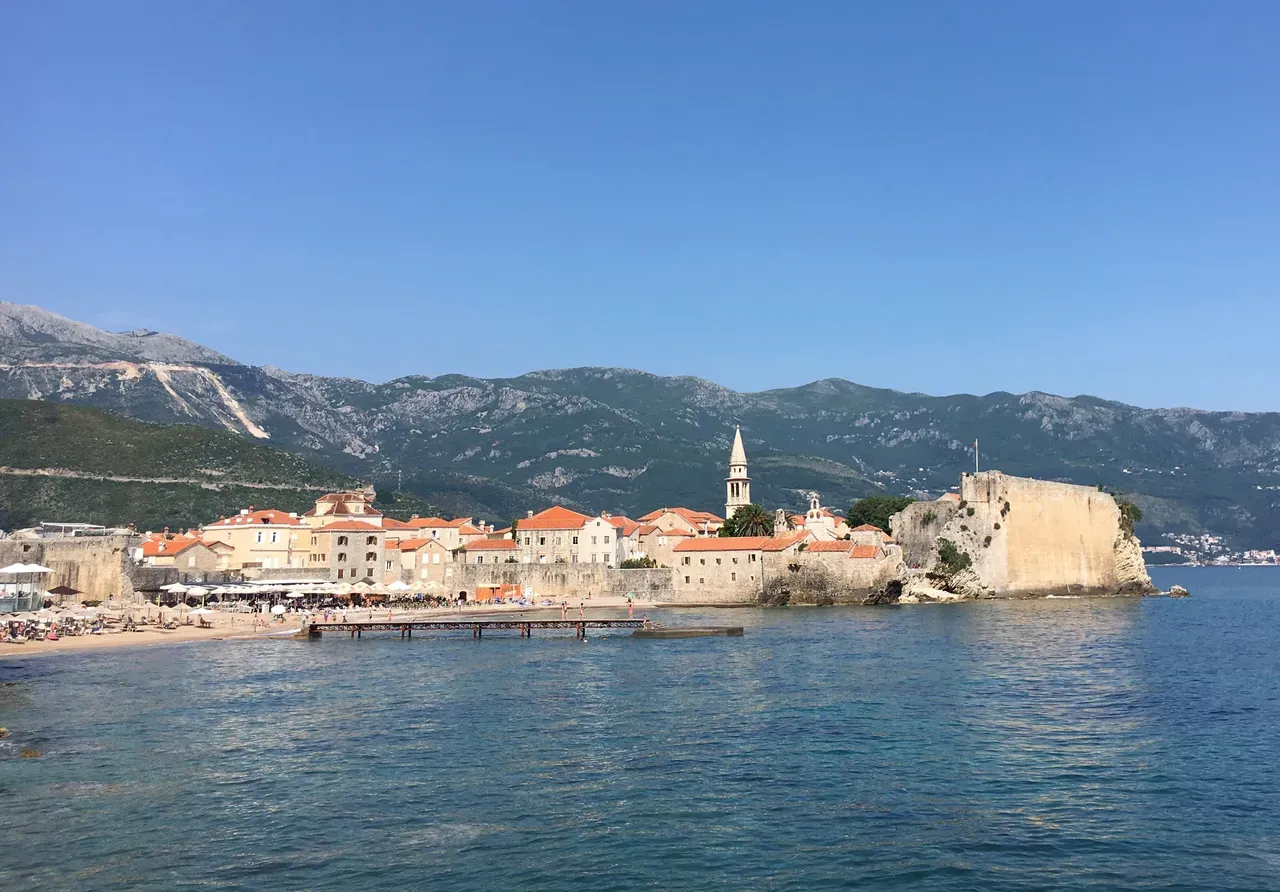
Yes, particularly if you like variety and short drives. You can swim in the morning, be walking a mountain trail by early afternoon and back at a seaside konoba for dinner. Five national parks, the largest lake in the Balkans, a monastery built into a cliff and a walled town that stands comparison with Dubrovnik are all reachable on day trips from a coastal base.
It’s not a secret, though. July and August are hot and genuinely busy, the coast road jams, and the famous places fill by mid-morning. The shoulder months give you the same scenery with a fraction of the crowd - see best time to visit Montenegro for the month-by-month version. If you’re still weighing the country up against its neighbours, our is Montenegro worth visiting piece argues both sides.
The four Montenegros, and which to pick
Think of the country as four blocks rather than a list of towns - our things to do in Montenegro guide ranks the individual sights inside them. Most disappointing trips come from trying to do all four in a week.
The Bay of Kotor (Boka). A drowned river valley ringed by mountains, with Kotor at its head: marble lanes, a UNESCO-listed old town and the fortress climb above it. Perast, Herceg Novi and Tivat with its superyacht marina share the same water. Cool, dramatic, and the swimming is patchier than the open coast.
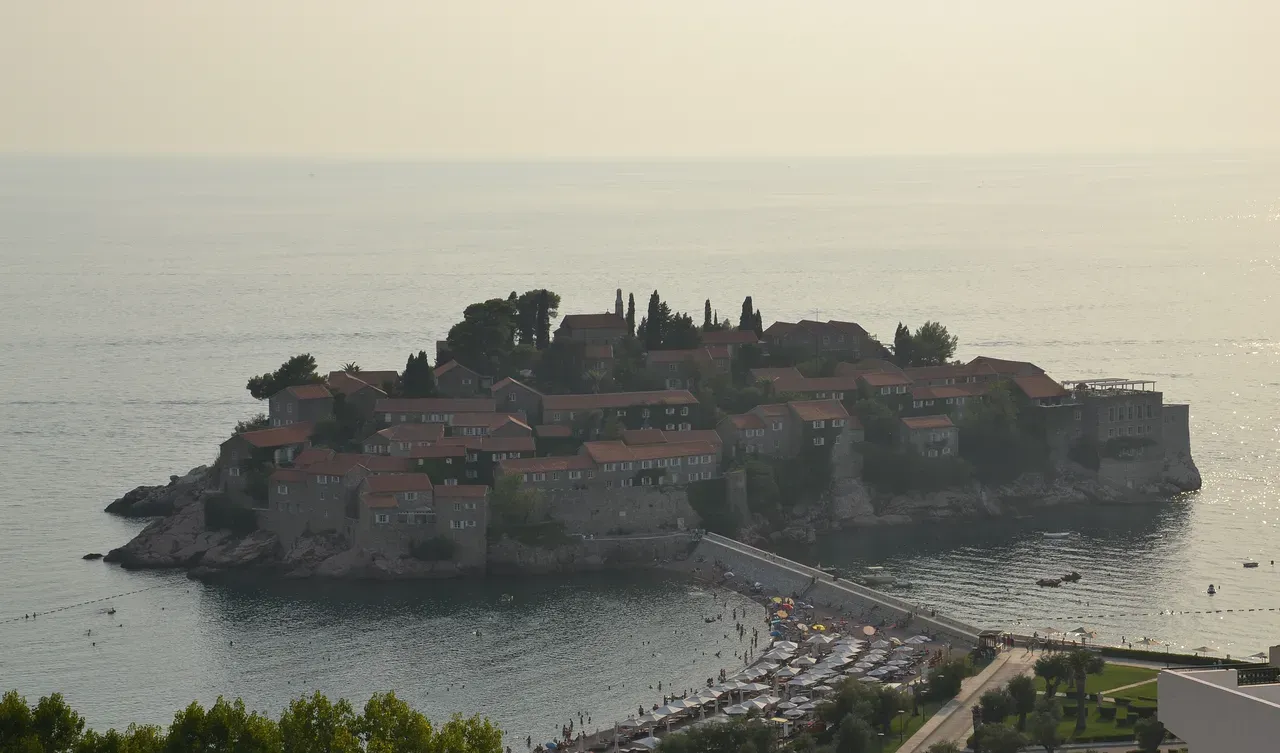
The Budva Riviera and the south. Budva for the beaches and the nightlife, Sveti Stefan for the photograph, Petrovac for a quieter version, then Bar and Ulcinj, which has the longest sand in the country. That’s where most beach holidays happen.
The centre. Podgorica (the capital and the year-round airport), Cetinje (the old royal capital), Lake Skadar and Ostrog Monastery. Under-visited, easy from either the coast or the north.
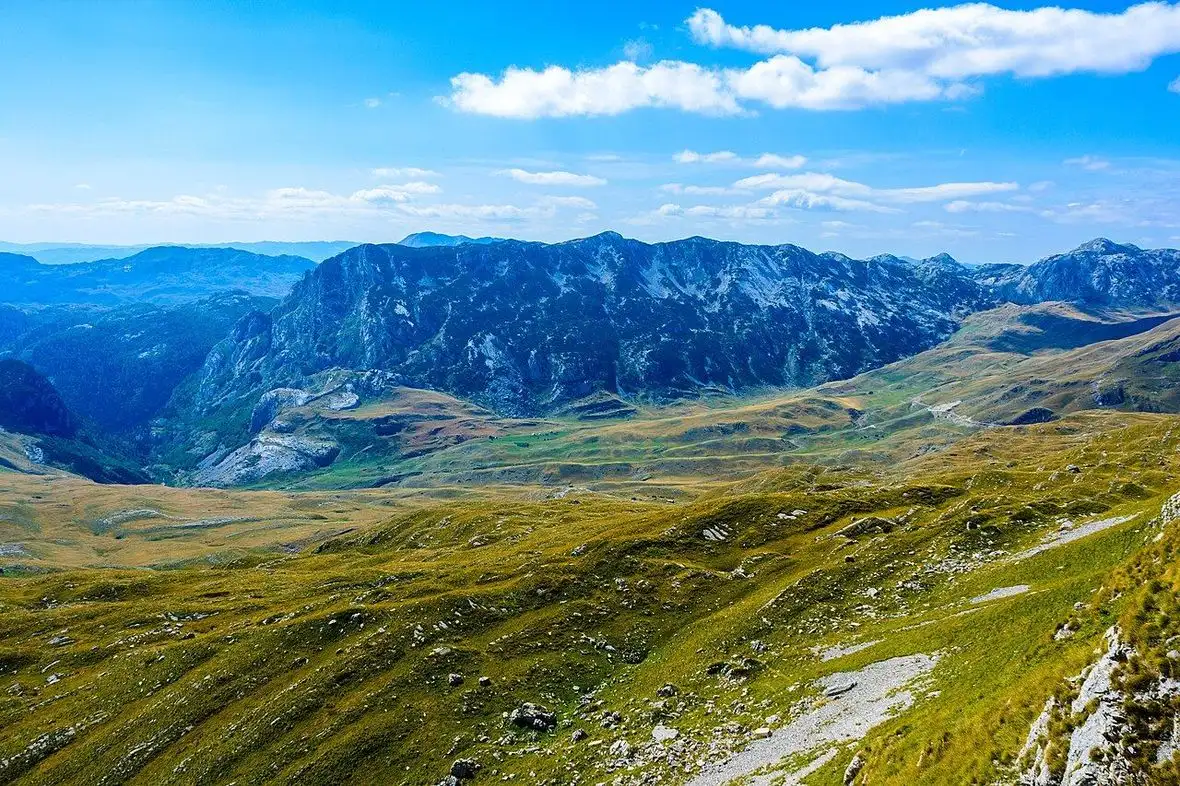
The north. Durmitor around Žabljak, the Tara Canyon, Biogradska Gora and the ski towns. Wilder, colder, ninety minutes to three hours from the sea, and it takes at least two nights to be worth the drive.
| If you’ve | Do this | Skip |
|---|---|---|
| 3-4 days | Bay of Kotor + one beach day | The north |
| 5-7 days | Coast base + a 2-day mountain loop | Trying both coasts and the north |
| 10+ days | Coast, north, Skadar and Cetinje at a real pace | Nothing, but book the north first |
How many days in Montenegro turns that table into actual dates.
A week that works
The version we’d repeat: three nights on the bay (Kotor or Perast), two nights on the riviera for the beaches, then two nights up at Žabljak for Durmitor and the Tara Canyon, driving back down via Ostrog or Lake Skadar. It keeps the driving to one long day, sees both halves of the country properly and avoids the classic error of basing in Budva and commuting to everything.
The full day-by-day version, with distances and where to sleep, is our 7-day Montenegro itinerary. Shorter trips are better spent going deeper into the bay than wider across the map.
The mountains and national parks
Inland, the country changes character completely. Durmitor National Park is the flagship: glacial lakes, high limestone ridges, and the Tara Canyon, the deepest river canyon in Europe and the country’s rafting centre - the trails, the Black Lake and how to get there are in our Durmitor National Park guide.
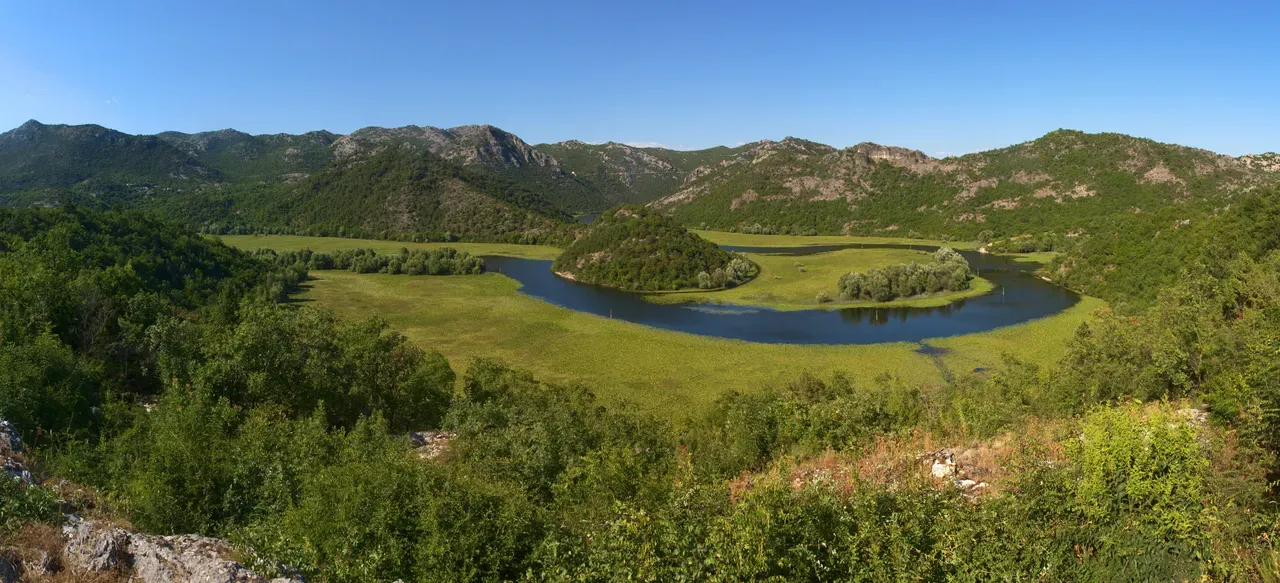
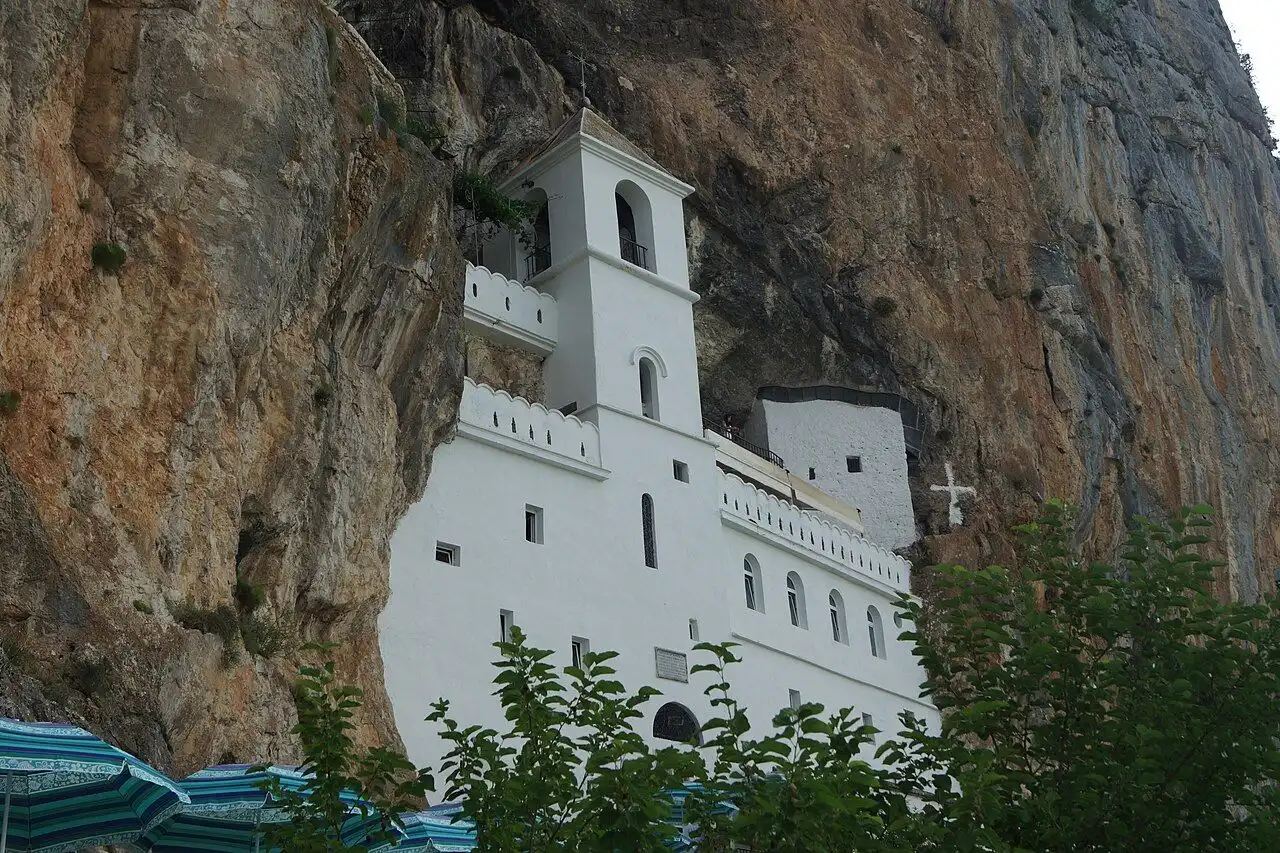
There’s more than Durmitor. Lovćen rises straight behind Kotor and holds the mountaintop mausoleum of Njegoš, the poet-ruler, at the top of a long flight of steps. Biogradska Gora protects one of the last patches of primeval forest in Europe around a calm glacial lake. Lake Skadar, the biggest lake in the Balkans and shared with Albania, is a boating and birdwatching landscape of island monasteries and river meanders. And Ostrog Monastery is cut into a sheer cliff face and still working as a pilgrimage site - the white church appears glued to the rock. Browse them all in the attractions hub.
Beaches: what the coast actually offers
Montenegro’s coast is roughly 290 km long and mostly pebble, with the real sand concentrated in the south. The bay beaches are calm and often small; the open riviera has the swimming; Ulcinj has the long shallow sand that suits children. Sea temperatures run 21-23°C in June, 25-26°C at the August peak and 23-24°C in September - the month-by-month water is in Montenegro sea temperature - which is why September is the connoisseur’s month here. For the beaches worth a drive rather than a walk, start with best beaches in Montenegro.
Getting there and getting around
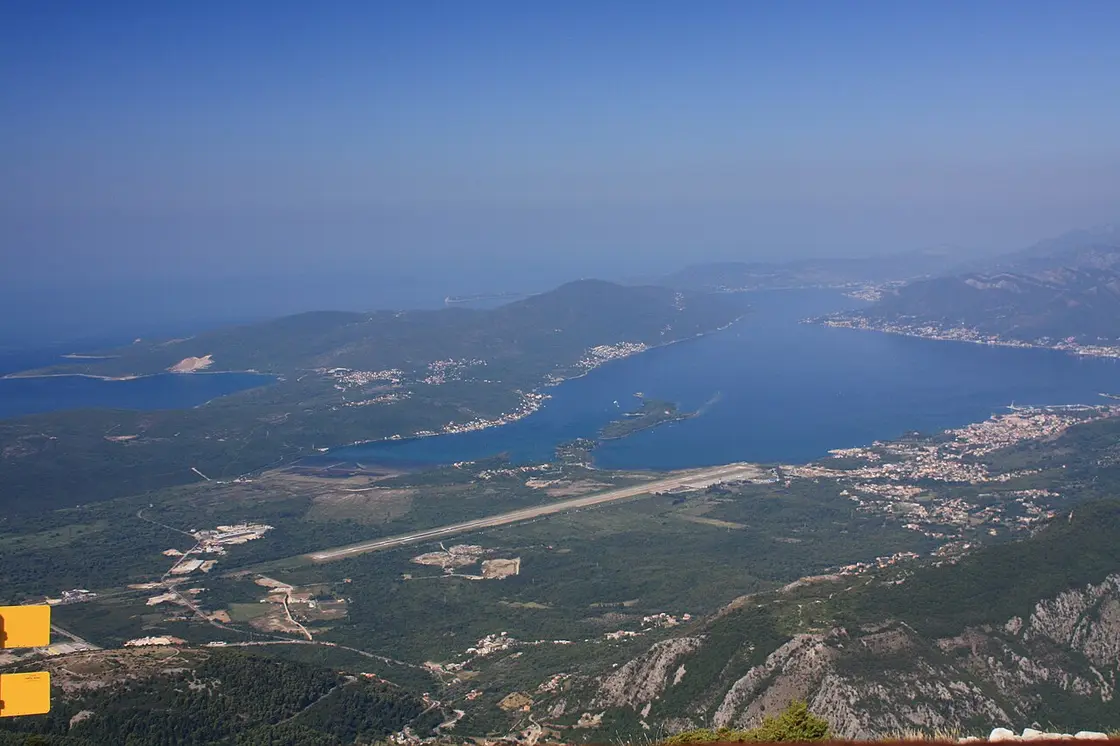
Montenegro has two airports and they had their best year yet in 2025: just over three million passengers between them, a first, with Podgorica taking about 1.75 million of that (reported figures). Podgorica (TGD) runs year-round and inland; Tivat (TIV) sits on the bay and swells with summer charters - our Tivat vs Podgorica airport comparison covers which to book. Flying into Dubrovnik in Croatia and crossing the land border is a legitimate third option for the western bay. A seasonal car ferry from Italy into Bar isn’t running in 2026 - our Bar-Bari ferry guide explains why, and ferry to Montenegro covers what’s actually sailing this year and what to book instead. For the full picture across all three airports, the ferry and every land border, our how to get to Montenegro guide walks through the whole decision.
On the ground, treat this as a car country with decent bus bones. Buses connect the coastal towns frequently and cheaply; the national parks, the viewpoints and the back roads effectively need a car. Two details save real time: the Kamenari-Lepetane ferry across the narrows of the bay (every 15-20 minutes in summer, €5 a car) and the Sozina tunnel on the Bar-Podgorica road (€2.50), which cuts out a long mountain detour.
One thing to watch in 2026: the motorway north is still a work in progress. The first 41 km section from Smokovac to Mateševo opened in 2022, and construction of the next 23 km, Mateševo to Andrijevica, formally began on 26 June 2026 at a cost of around €694 million. Until it’s done, the road to the far north is ordinary two-lane mountain highway, so budget time accordingly - and note that the heavy construction on the new section is expected to start from mid-2027, not this summer. The full picture is in getting around Montenegro, and the paperwork side in renting a car in Montenegro.
Where to base yourself
| Base | Best for | Vibe |
|---|---|---|
| Kotor | Old town, the bay, the walls climb | Historic, dramatic |
| Budva | Beaches plus nightlife | Lively, busy in summer |
| Tivat | Marina, short airport hop | Polished, modern |
| Herceg Novi | Quiet bay, Croatia day trips | Relaxed, green |
| Petrovac | Family beach days | Small, low-key |
| Ulcinj | Long sandy beaches | Laid-back, southern |
| Žabljak | Durmitor, hiking, rafting | Alpine, cool at night |
Two bases beat one for a week - the comparison of what each costs and who it suits is in where to stay in Montenegro - and both should be a short walk from somewhere you can eat. Individual town guides live in the cities hub.
Entry, money and the small print
Most Western travellers enter Montenegro without a visa: citizens of the EU, the UK, the US, Canada and Australia can normally stay up to 90 days in any 180-day period. Rules change, so confirm your own nationality on the official source (gov.me) before you book; our Montenegro entry requirements guide keeps a dated review of the detail, including the registration rule.
The practical basics:
- Currency: the euro (€). Montenegro uses it despite not being in the EU, so there’s nothing to exchange if you arrive from the Eurozone. Cards work in towns; carry cash for beaches, small konobas, buses and parking.
- Registration within 24 hours. A hotel or registered rental does this for you. Independent travellers in private apartments are the ones who get caught out.
- Tourist tax. Set by each municipality, typically €1 per person per night; the Tivat tourist board publishes under-12s free and €0.50 for ages 12-18. It’s usually added to your accommodation bill.
- Emergency number: 112, country-wide.
- EU accession is in progress, not done. Montenegro had closed 18 of 33 negotiating chapters as of 14 July 2026 and the government is aiming for membership in 2028. For a visitor it changes nothing this year: the euro is already the currency and there’s no visa either way.
For what a trip actually costs, see is Montenegro expensive and the worked example in our one-week Montenegro budget.
When to go
May to October is the season, with reliable swimming from June to September. June and September are the sweet spot: warm sea, open restaurants, no scrum. July and August are hot, full and priced for it - if those are your dates, book beds early and start sightseeing before nine. From late October the coast winds down, while the ski towns wake up between roughly December and March.
Nearby / read also
- 7-day Montenegro itinerary - the week we would repeat, day by day.
- Things to do in Montenegro - the sights, ranked and honest.
- Where to stay in Montenegro - pick a base by trip type.
- Getting around Montenegro - buses, ferry, car and the roads.
- Best beaches in Montenegro - sand, pebble and which is worth the drive.
- Best time to visit Montenegro - month-by-month weather, crowds and prices.
- 13 Montenegro travel mistakes to avoid - the concrete traps: tolls, ferry queues, park fees and more.
Read also

Before you go · 16 min read
Bay of Kotor Boating Rules: Licence, Speed Limits & Fines
Updated · September 5, 2026Montenegro boat rules 2026: certificate at 18 for self-drive, 6 knots within 300 m, 18-knot corridors, no motor boats in the Blue Cave, fines from €500.

Before you go · 12 min read
13 Montenegro Travel Mistakes to Avoid
Verified · August 29, 2026Concrete Montenegro travel mistakes with real numbers: toll lanes, ferry queues, ATM fees, park fees per day, and roads slower than the map admits.

Before you go · 10 min read
Kotor or Herceg Novi: Which Bay Town to Stay In
Updated · August 26, 2026Kotor or Herceg Novi as your Bay of Kotor base? Old towns, beaches, cruise crowds, Dubrovnik access and prices compared - who each town suits.

Before you go · 14 min read
All-Inclusive Montenegro: Resorts That Actually Exist
Updated · August 23, 2026Real all-inclusive hotels in Montenegro are rare - most listings are half board. The five that are genuine, and how to check before you book.