
Budva, Montenegro: Old Town, Beaches & Nightlife Guide
Budva travel guide: the walled Old Town and citadel, Mogren, Jaz and Bečići beaches, Sveti Stefan, nightlife and how to get there in 2026.
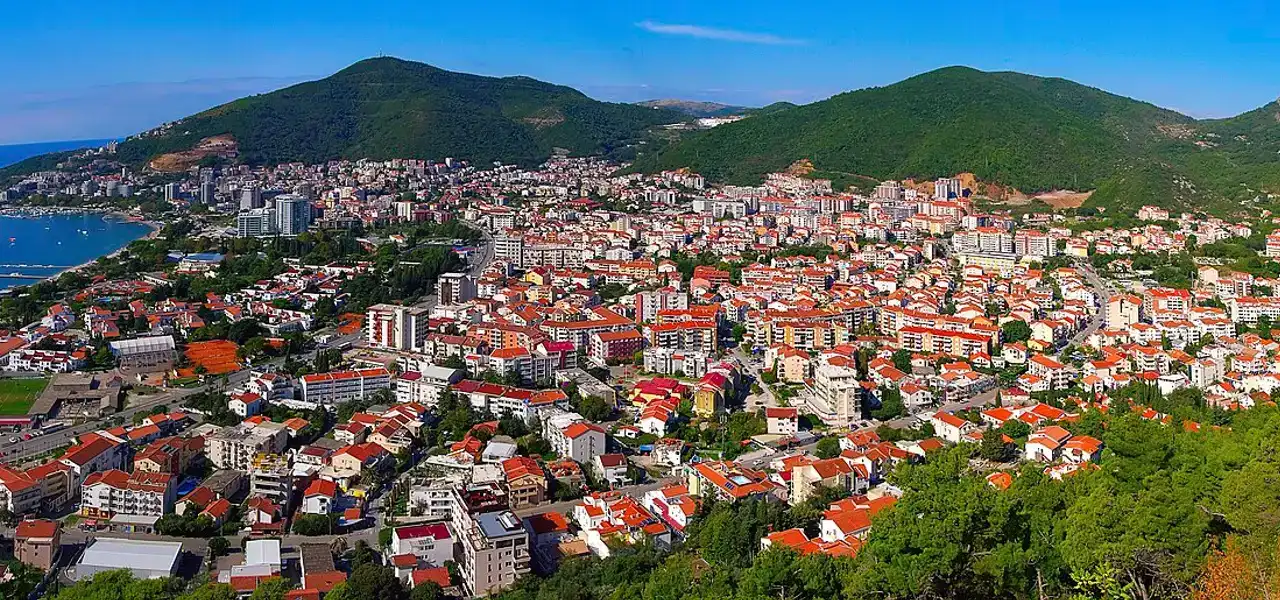
Budva is the heart of the Montenegrin coast and the country’s busiest beach resort: a small, walled medieval Old Town on a rocky peninsula, ringed by sandy bays and backed by a long string of beaches known as the Budva Riviera. By day it’s about the sea - the town beach, the cove of Mogren just beyond the walls, and the wider strands at Jaz and Bečići - and by night it has the loudest, most crowded nightlife in Montenegro. With Sveti Stefan about 10 km down the coast and Kotor an easy day trip, Budva makes the natural base for the central coast.
Is Budva worth visiting?
Yes, if you want a beach holiday with a historic core and lively evenings - Budva is the Montenegrin coast at its most resort-like. The compact Old Town (Stari Grad), with its Venetian stone walls dropping straight into the sea, is genuinely pretty, and the beaches on either side of it are the main reason most people come. It’s the country’s go-to spot for sun, sea and going out, and it gets very busy: in July and August the beaches fill, the Old Town lanes are shoulder-to-shoulder by evening, and prices climb.
The trade-off is exactly that intensity. Budva isn’t quiet or undiscovered - it’s developed, built up along the riviera, and packed in peak season. If you want medieval calm, Kotor up the bay is more atmospheric; if you want exclusivity, Sveti Stefan is the picture; if you want a quiet beach town, Petrovac is 17-18 km south. But for a base that combines a walkable old town, a choice of beaches, easy day trips and the best nightlife on the coast, Budva is hard to beat. Late spring and September are far more comfortable than the August peak.
What to see in Budva
For all its beach-resort sprawl, the things worth your time in Budva cluster tightly around the Old Town and the bays on each side. Here’s what to prioritise.
The Old Town and citadel
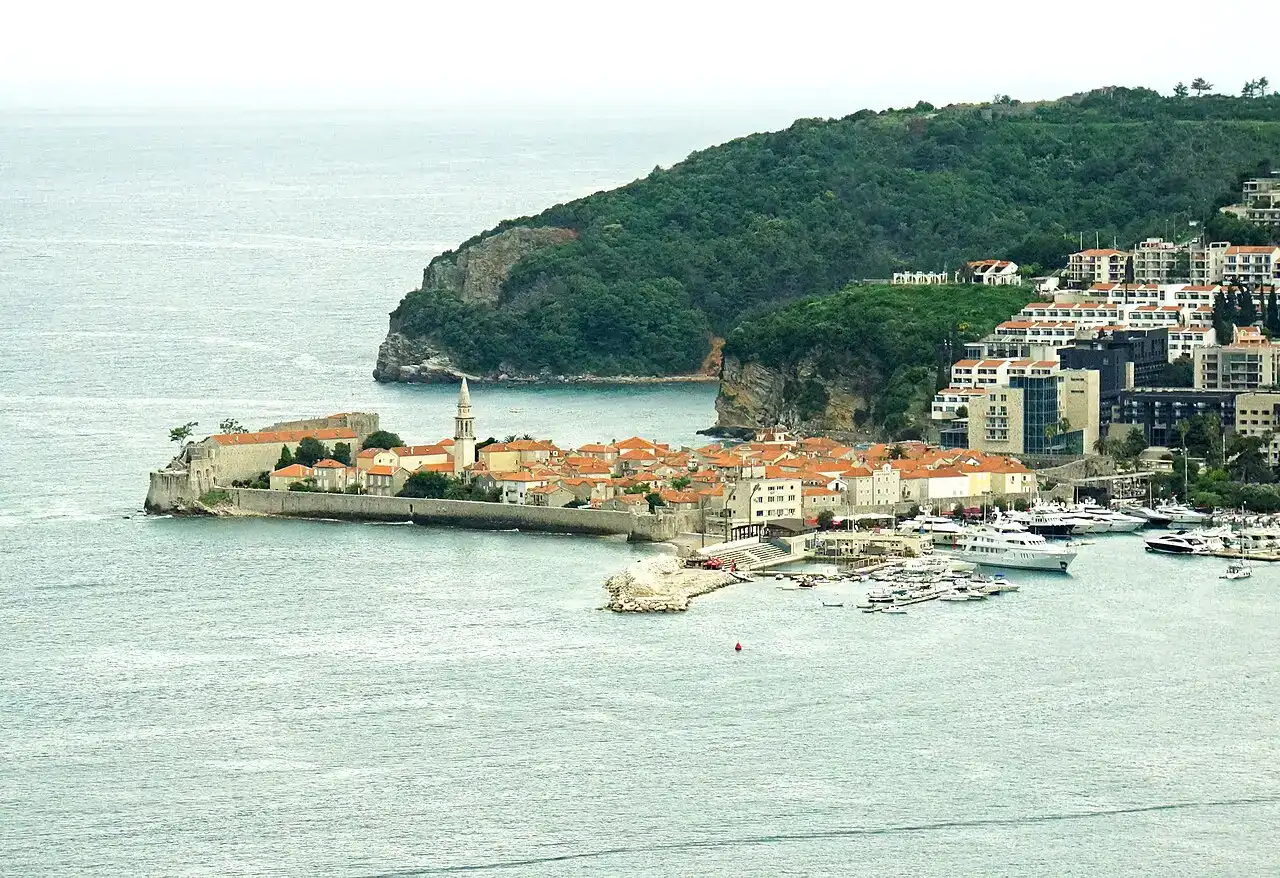
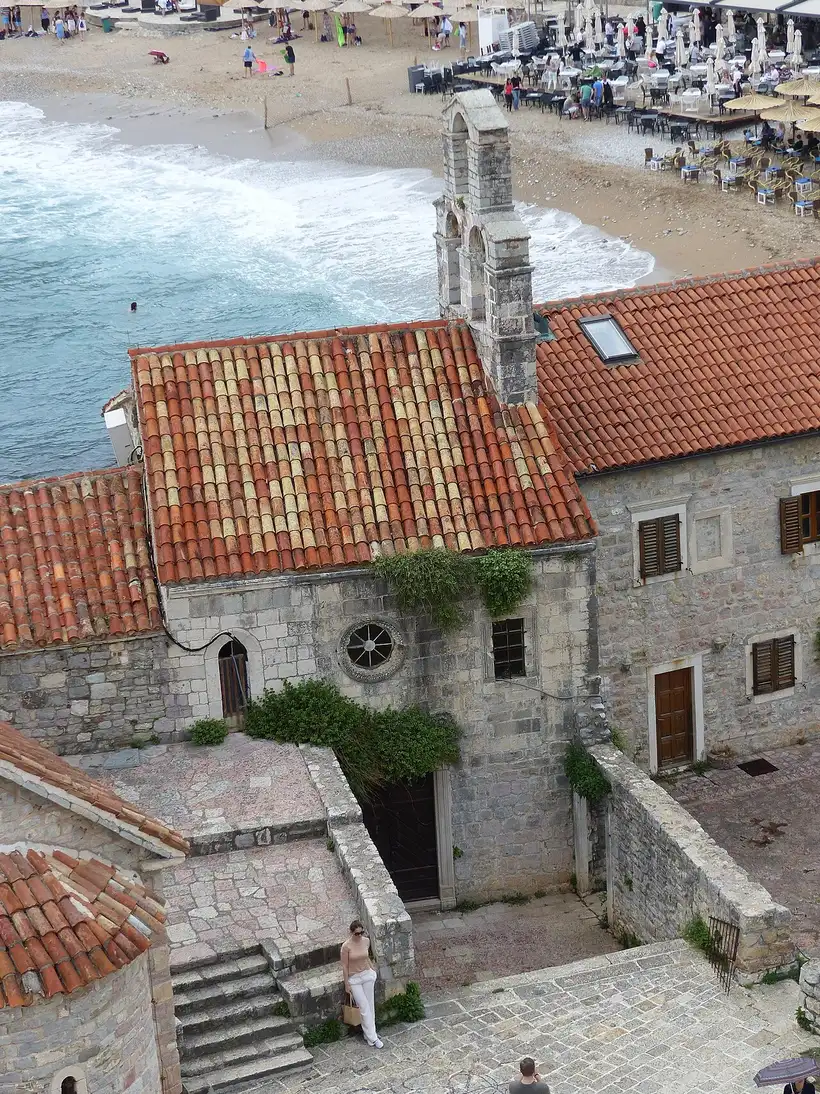
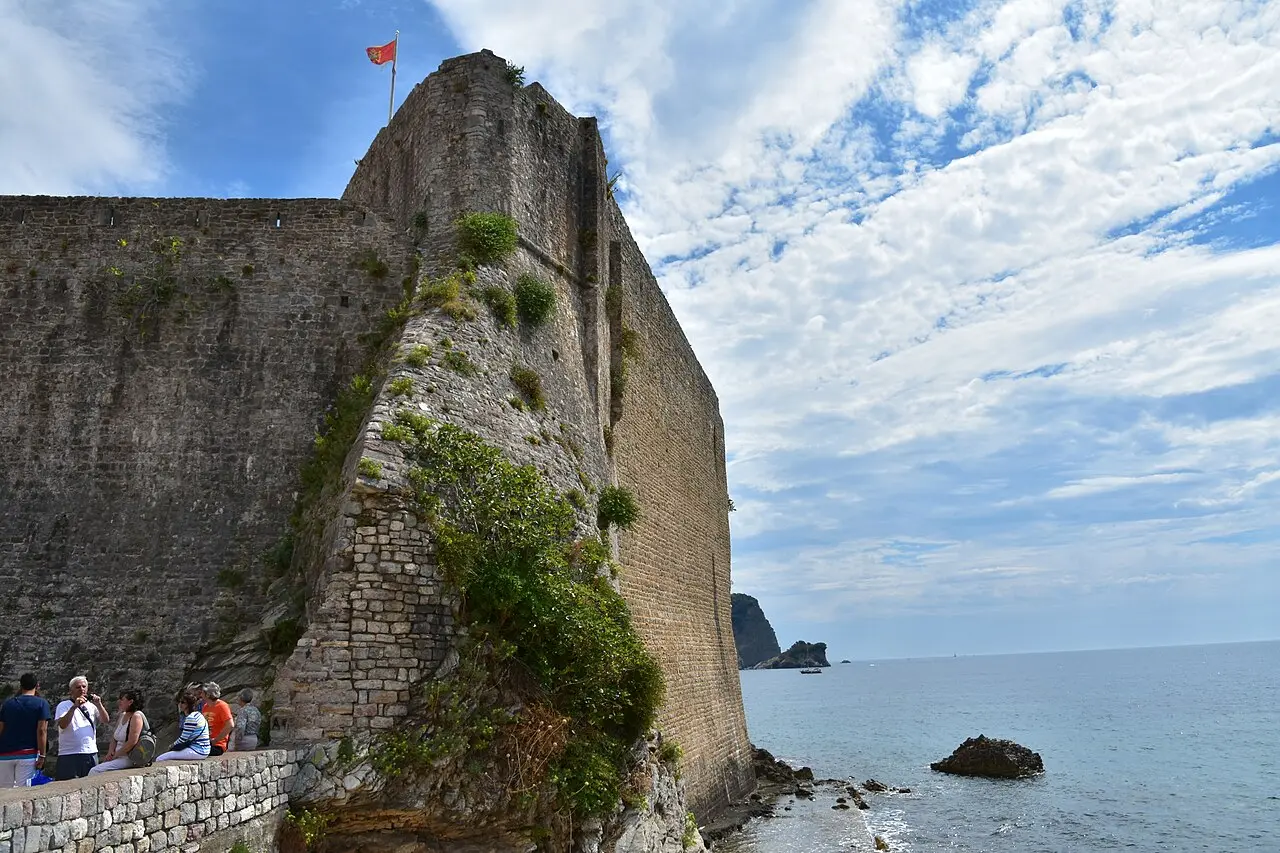
The Old Town (Stari Grad) is Budva’s centrepiece: a small grid of marble lanes, squares and churches enclosed by stone walls that rise straight out of the Adriatic. It sits on a rocky promontory, so you can walk almost the whole circuit beside the sea. Much of what stands today was rebuilt after the 1979 earthquake, which badly damaged the town, but it was restored faithfully and the old layout survives. Clustered together near the seaward tip are three churches - the Orthodox Holy Trinity, the Catholic Church of St John (Sveti Ivan) with its tall bell tower, and the small medieval Santa Maria in Punta - one of the prettiest corners of the coast.
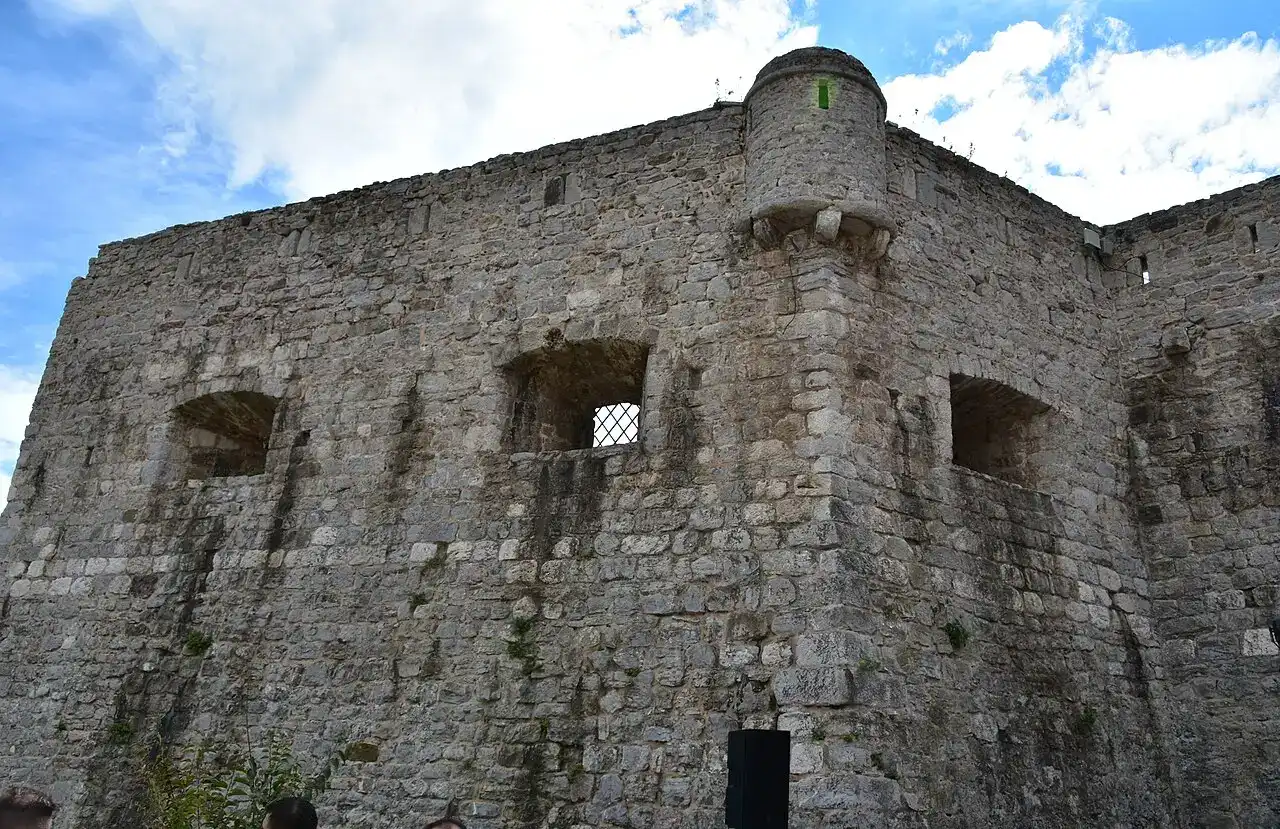
The Citadel (Citadela), the fortress at the southern point of the walls, is the Old Town’s high point in both senses. For a small entry fee (check current prices locally) you can climb the ramparts for the best views over the rooftops, the sea and the islet of Sveti Nikola offshore; inside are a small maritime museum and library. The walk along the sea walls at the base of the citadel, where the waves break right below you - it’s free and just as memorable.
The beaches: Mogren, Jaz and Bečići
Budva’s beaches are the real draw. Right beside the Old Town is Mogren beach, a pair of small sand-and-pebble coves reached by a narrow cliff-side path that starts near the town beach - the closest “scenic” beach to the walls, and crowded for it in summer. The long town beach (Slovenska plaža) runs the length of the modern seafront, busy and fully serviced with loungers, bars and watersports.
For more space, head a little out of town. Jaz beach, about 3 km west, is a wide open bay backed by green hills, with a sandy-pebble shore and room to breathe; it’s hosted big open-air concerts over the years. Bečići, just east around the headland, is one of the longest and best-known sand beaches on the coast - it’s lined with hotels and resorts, an easy walk or short drive from Budva. Between them, the Budva Riviera packs more named beaches into a few kilometres than anywhere else in the country. For a beach-by-beach rundown of the whole strip - surface, crowds and how to reach each one - see our guide to the best beaches in Budva, and to see how they compare with the rest of the coast, from Ulcinj’s long sands to Tivat’s Plavi Horizonti, our guide to the best beaches in Montenegro.
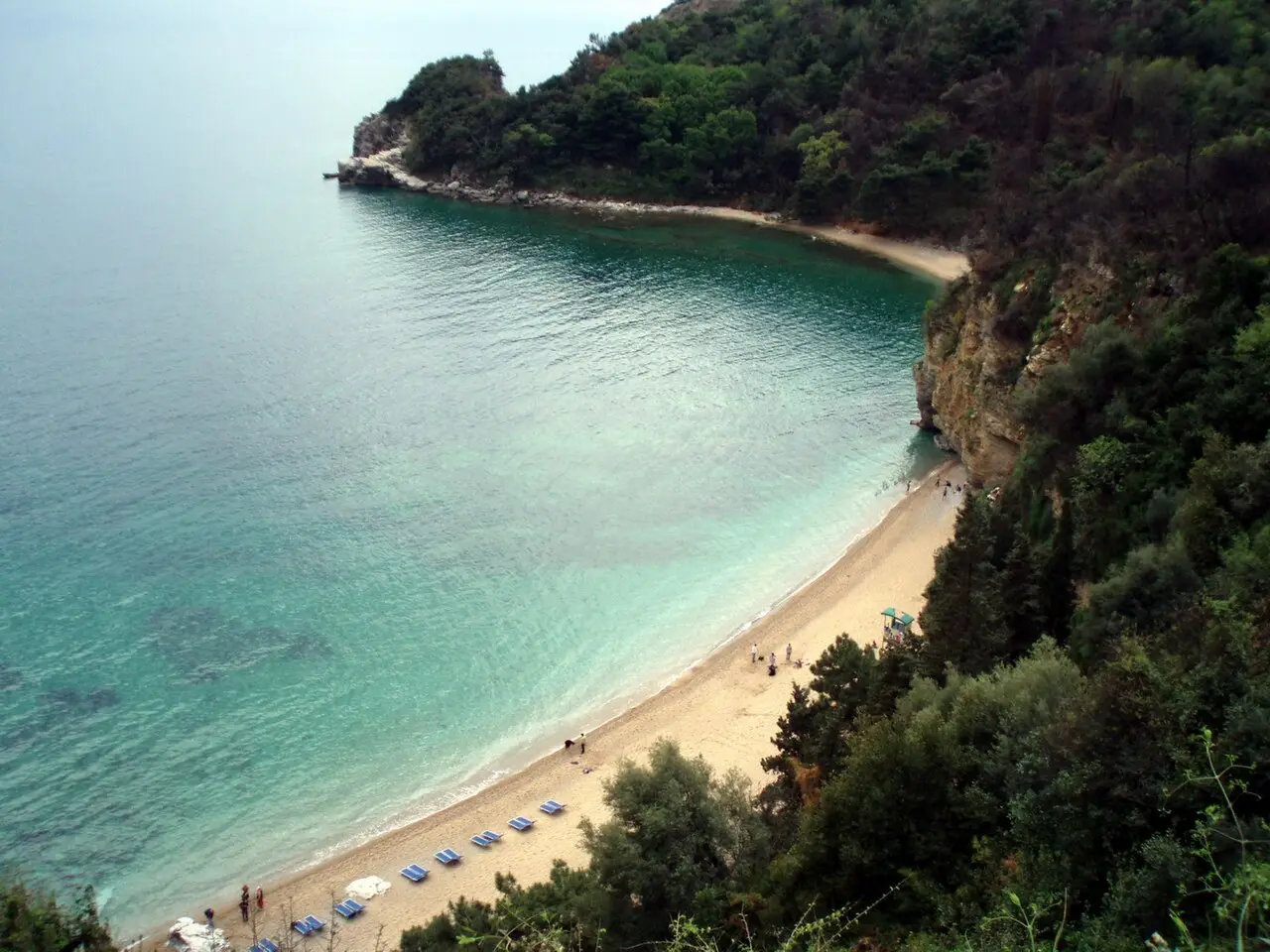
| Beach | Distance from Old Town | Character |
|---|---|---|
| Slovenska plaža (town beach) | in town | Long, busy, fully serviced |
| Mogren | ~10 min walk | Scenic coves, cliff path, crowded |
| Jaz | ~3 km west | Wide open bay, more space |
| Bečići | ~3 km east | Long sandy resort beach |
Sveti Stefan and the Budva Riviera
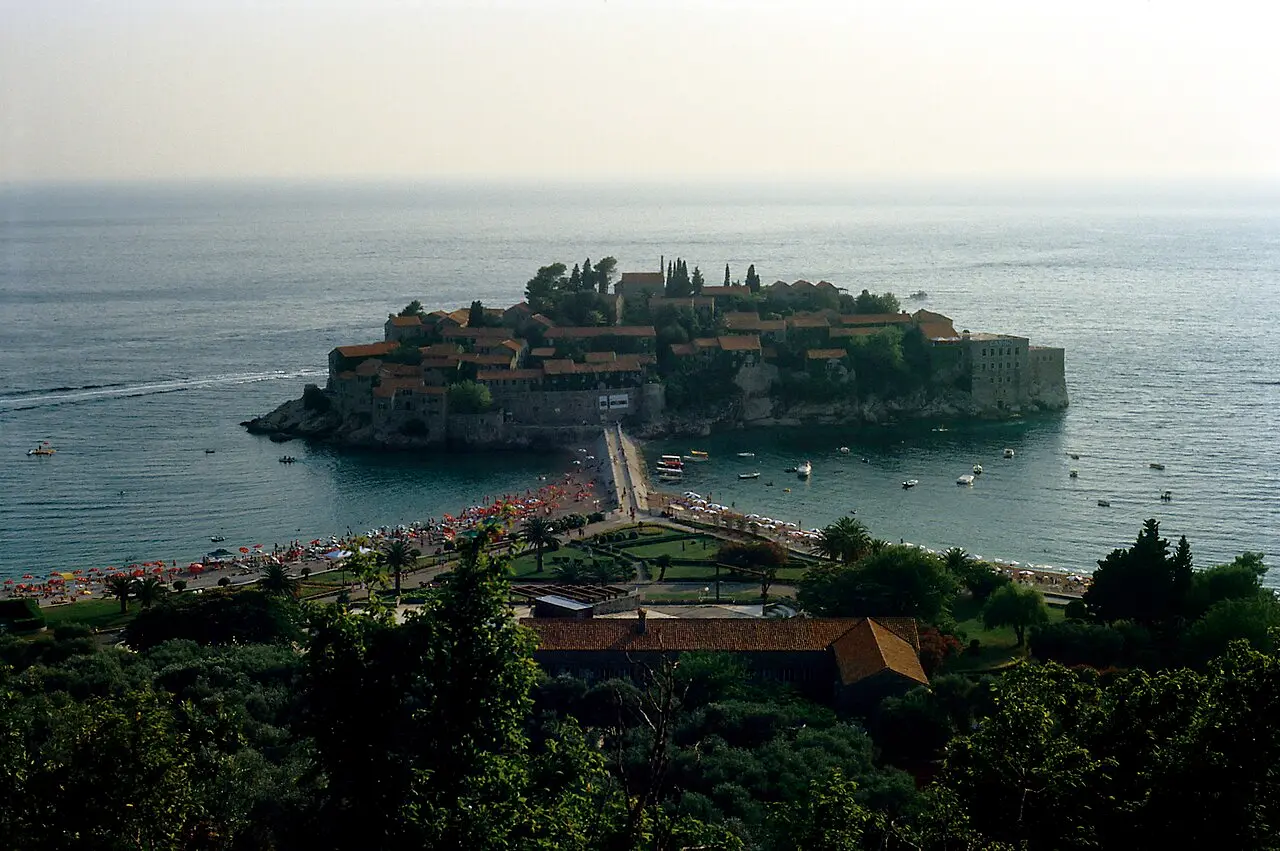
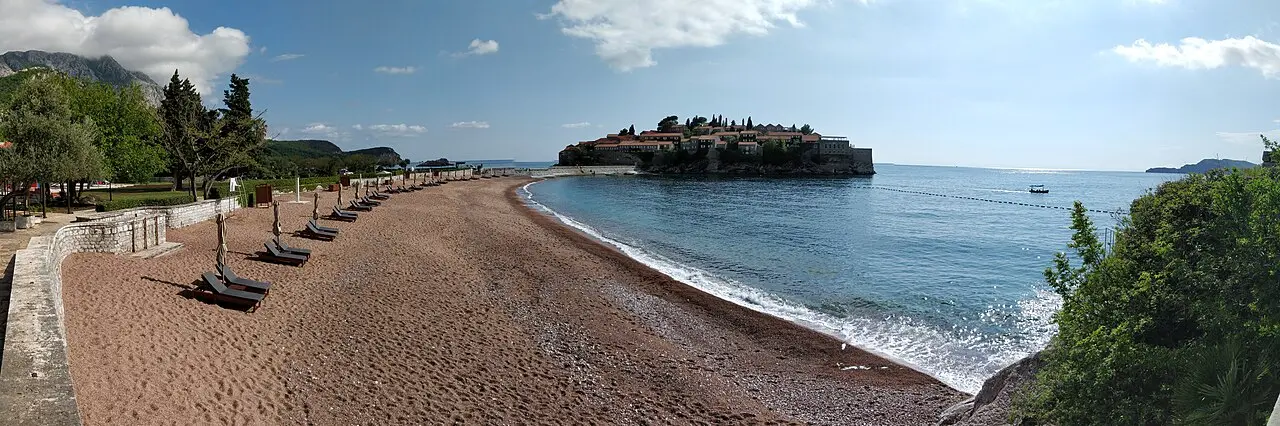
About 10 km south of Budva, the islet of Sveti Stefan - it’s the single most photographed sight on the Montenegrin coast - is a cluster of terracotta-roofed stone houses covering a tiny island, joined to the mainland by a narrow causeway. Once a fishing village, it was turned into a luxury island hotel that closed in 2021 in a dispute over public beach access, and reopened as an Aman hotel on 1 July 2026 under a settlement. The built-up islet itself stays off-limits to non-guests, but the beaches are now clearer: Sveti Stefan Beach and King’s Beach are open to the public, while Queen’s Beach is reserved for hotel guests (parts are run as paid beach clubs), and the view from the road above is the postcard. It sits within the Budva Riviera, the stretch of coast that runs from Jaz in the west through Budva, Bečići, Rafailovići and Pržno down to Sveti Stefan - the densest concentration of beaches in Montenegro and the reason the whole area is the country’s summer capital.
Nightlife
Budva’s simply the nightlife capital of Montenegro. Through July and August the bars around and below the Old Town walls and the beach clubs along the riviera stay open late, and large open-air clubs and summer festivals draw a young, party-minded crowd from across the region. For the bars, beach clubs, big venues like Top Hill and the season, see our full Budva nightlife guide. If a lively, loud summer scene is what you’re after, this is the place on the coast to find it; if it’s not, base yourself in quieter Kotor or up the riviera and visit Budva by day.
Day trips from Budva
Budva’s central position makes it a strong base for the rest of the coast and the bay. For the full rundown - real distances, bus or car, and which trips to skip - see our day trips from Budva guide.
- Kotor (~20 km). The UNESCO walled town at the head of the Bay of Kotor - it’s the obvious half- or full-day trip - see our Kotor guide for the Old Town and the walls climb, or head out on a Bay of Kotor boat tour to Perast, the island churches and the Blue Cave.
- Sveti Stefan (~10 km). A short hop down the coast for the classic view and its public beaches - it’s easy by bus, taxi or car.
- Cetinje (~30 km). The old royal capital inland - the monastery, the National Museum and Njegoš’s Biljarda, easily paired with Lovćen - is about 30-40 minutes away; see our Cetinje guide.
- Bay of Kotor. Beyond Kotor itself, the bay’s villages - Perast, Tivat’s Porto Montenegro, Herceg Novi - are all within an easy drive for a longer day out.
| Day trip from Budva | Approx. distance | How to go |
|---|---|---|
| Sveti Stefan | ~10 km | Bus, taxi or car |
| Kotor | ~20 km | Bus, car or organised tour |
| Tivat / Porto Montenegro | ~20 km | Bus, taxi or car |
Where to stay
Budva has the widest range of accommodation on the coast, from Old Town guesthouses to big riviera resort hotels. For atmosphere and walkability, stay in or just behind the Old Town, close to the walls, the town beach and the nightlife - lively, central, and noisy in peak season. For a beach-resort holiday, Bečići and Rafailovići east of town have the long sandy beaches and most of the larger hotels, while Pržno and the area around Sveti Stefan are quieter and more upmarket. Rooms fill and prices rise sharply in July and August, so book well ahead if that’s when you’re travelling; late spring and September are cheaper and calmer. For a full area-by-area breakdown of each district, who it suits and what it costs, see our guide to where to stay in Budva. Travelling with children? Bečići’s long, gentle sand and the nearby Aquapark make this the easiest family base - our Montenegro with kids itinerary builds a whole week around it.
How to get to Budva
Budva’s right on the main coastal road and well connected by both road and the regional airports.
- By air. The nearest airport is Tivat (TIV), about 20 km away (roughly 30 minutes by car), with seasonal flights to many European cities - the most convenient gateway in summer. For taxi, transfer and bus options see Tivat Airport to Budva. Podgorica Airport (TGD), the country’s main year-round airport, is around 60 km away (about 1-1.5 hours) - see Podgorica Airport to Budva for transfer options. Dubrovnik Airport (DBV) in Croatia is also used, but involves a border crossing. Not sure which to book? Our Tivat vs Podgorica airport guide weighs distance, cost and flights for a Budva trip.
- From Kotor. Budva’s about 20 km from Kotor over the hill - roughly 30-40 minutes by car or regular bus, making the two towns an easy pairing.
- From Podgorica. The capital and its airport are about an hour away by car or bus; see our Podgorica travel guide for the connections.
- By car. Driving gives the most flexibility for the riviera and day trips. The Old Town’s pedestrian-only and parking near it fills quickly in season, so factor that in - see our guide to renting a car in Montenegro.
Where to eat
Budva’s cooking is coastal Montenegrin and Adriatic: fresh fish and seafood, risotto and pasta from the long Venetian influence, grilled meats, Njeguški prosciutto and cheese from the mountains, and local Vranac red and Krstač white wines. As you’d expect in the country’s busiest resort, the restaurants right on the Old Town squares and the seafront promenade are the most touristy and priciest; you generally eat better value a few streets back, or out in the riviera villages like Pržno and Rafailovići, which are known for their fish konobas (taverns). We don’t quote fixed prices we can’t verify, so check the latest menus locally - but expect Old Town and beachfront prices to sit at the higher end for Montenegro in peak season. Not sure what to order? Our guide to Montenegrin food and wine runs through the dishes worth trying, coast and mountains alike, and our best restaurants in Budva guide names the actual places by price, from old-town konobas to a fine-dining table.
Practical tips for visiting Budva
A few things worth knowing before you go:
- Currency. Montenegro uses the euro (€), even though it’s not in the EU. Cards are widely taken; carry some cash for beach loungers, small cafés and parking.
- When to go. July and August are hot, crowded and expensive - peak beach and party season. Late spring and September are far more comfortable for the Old Town and the beaches, with warm sea and thinner crowds. See our best time to visit Montenegro guide for the seasonal picture.
- Beaches. Many beaches are part-serviced with paid loungers and umbrellas; there’s usually free space too. Mogren involves a short cliff path - wear sensible shoes.
- How long to stay. Two to three nights covers the Old Town, a couple of beaches and a Kotor day trip; longer if a beach holiday is the point.
For where Budva fits into a wider trip, our Montenegro travel guide maps the country region by region, and you can browse more destinations in our cities guide. Up the bay, Kotor is the obvious next stop; heading south instead, Budva is a launch point for the cross-border Balkans road trip through Albania to Lake Ohrid.
Nearby / read also
Photos
On the map
The map loads on click - to keep the page lightweight.
The map didn’t load. Check your connection and refresh the page.
Read also

Cities · 9 min read
Bečići, Montenegro: Beach Resort Guide
Updated · August 28, 2026Bečići resort guide: 2 km beach, hotels from Splendid to Iberostar, the promenade walk to Budva, season tips and how to get there from Tivat.

Cities · 13 min read
Petrovac, Montenegro: Guide to the Quiet Beach Town
Updated · July 31, 2026Petrovac travel guide: 600 m of red sand, the Kastio fort, the chapel islet, buses from Budva in half an hour, and whether to base here or in Budva.

Cities · 12 min read
Herceg Novi, Montenegro: Old Town, Forts & Riviera
Updated · July 12, 2026Herceg Novi travel guide: the sunny stepped Old Town, the Forte Mare, Kanli Kula and Spanjola forts, the Igalo spa and how to get there from the border.

Cities · 12 min read
Žabljak: Where to Stay in Montenegro's Mountain North
Updated · September 3, 2026Žabljak travel guide: the base town for Durmitor - where to stay (centre, Black Lake road or a cabin), the Savin Kuk ski area, prices and how to get there.