
Montenegro Family Itinerary: Things to Do with Kids
Montenegro with kids: a relaxed coastal week with shallow beaches, boat trips, a water park and easy caves, plus car-seat and sea-temperature tips.
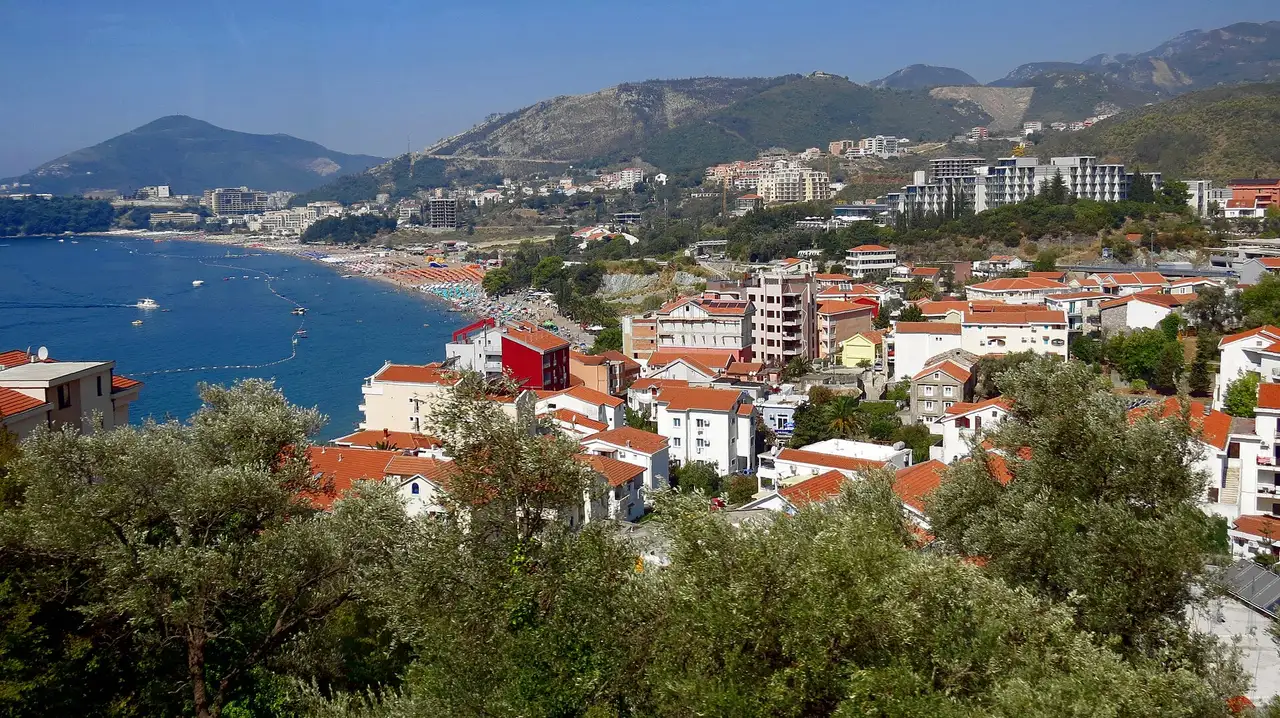
Montenegro is one of the easier Adriatic countries to travel with children: the drives between the main sights are short, the coast is lined with shallow, sandy bays, and a boat trip or a cave breaks up the beach days when someone needs a change of scene. The two bases that work best for families are the Budva Riviera (Budva or Bečići, for beaches plus everything you might need) and Tivat (calm, flat and walkable). Build the week around slow mornings, midday shade and early dinners, and seven days is plenty.
The one thing that makes or breaks a summer trip here’s the heat. July and August are beautiful but genuinely hot, so the plan below front-loads swimming for mornings and late afternoons and saves old towns, caves and drives for the cooler hours. Rent a car with a child seat you’ve reserved in advance, keep most nights on the coast, and almost everything on this list sits within an hour or two of your beach.
A relaxed family week on the coast
The mistake most first-time families make is booking a different town every night. Montenegro is small, so it’s far calmer to settle into one coastal base and take day trips out from it. A shape that works:
| Days | Base | Family plan |
|---|---|---|
| 1-2 | Budva / Bečići | Arrive, unpack, easy beach mornings, gelato, the Sveti Stefan viewpoint at sunset |
| 3 | Budva | Aquapark Budva at opening, pool and shade in the afternoon |
| 4 | Budva | Boat trip on the Bay of Kotor, then Kotor old town in the evening |
| 5-6 | North or lake (optional) | Two nights near Žabljak for Black Lake, or a Lake Skadar and Lipa Cave day back on the coast |
| 7 | Coast | Slow last beach day near the airport (Tivat is minutes from many Budva-area hotels) |
If your children are very young, skip the northern nights entirely and keep all seven days on the coast, swapping in a lake or cave as a single day trip. Older kids and teens can handle the mountain leg and usually love it. For the grown-up version of this loop, our Montenegro 7 day itinerary covers the same ground at a faster pace, and things to do in Montenegro is the wider menu to pick from.
The best beaches for young kids
Not every Montenegrin beach suits small children. Plenty of the pretty ones shelve off steeply into deep water or are pebble underfoot. The family beaches you want are the shallow, sandy ones:
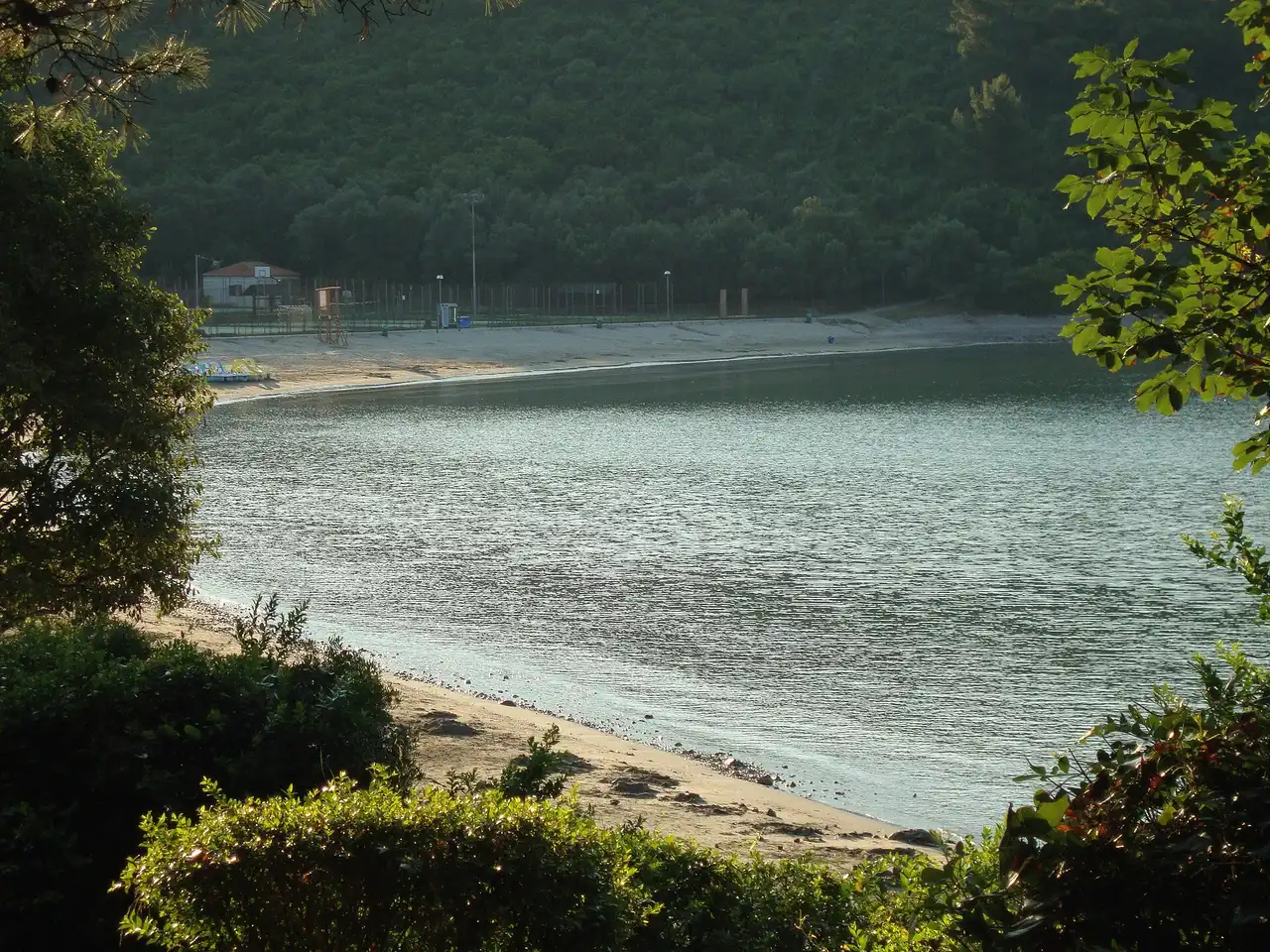
- Plavi Horizonti, on the Luštica peninsula, is the standout. The shore and the sea floor are both soft sand, the slope is gentle, and the water stays shallow even 15 to 20 metres out, so toddlers can paddle a long way before it reaches their waist. Pines and olives behind the sand give you real shade at midday.
- Jaz, just west of Budva, is shallow and has a small promenade of shops selling floaties, buckets and snorkels - handy when you’ve forgotten something.
- Bečići is a long resort beach with lifeguards and a Blue Flag, part sand and part fine shingle, backed by hotels and cafes.
For the far south, Velika Plaža at Ulcinj is over ten kilometres of shallow, warm, sandy water - the gentlest sea in the country. Our Budva beaches and best beaches in Montenegro guides sort the rest by what each one is actually like.
Aquapark Budva and the active half-day
When the sea alone isn’t enough, Aquapark Budva is the biggest water park in the country, sitting on Topliš hill just above the town with a view over the bay. It pairs proper adrenaline slides for teenagers, the Kamikaze and the Anaconda among them, with a separate shallow zone of small slides and pools for little ones, plus a wave pool and a lazy river. Entry runs around €29 for adults and about €20 for children under 1.4 metres, with under-threes free; treat those figures as a guide and check the current price, because they move each season. It only opens from June to September, so plan for summer, and go at opening before the queues and the midday sun build.
Boat trips and wildlife kids actually like
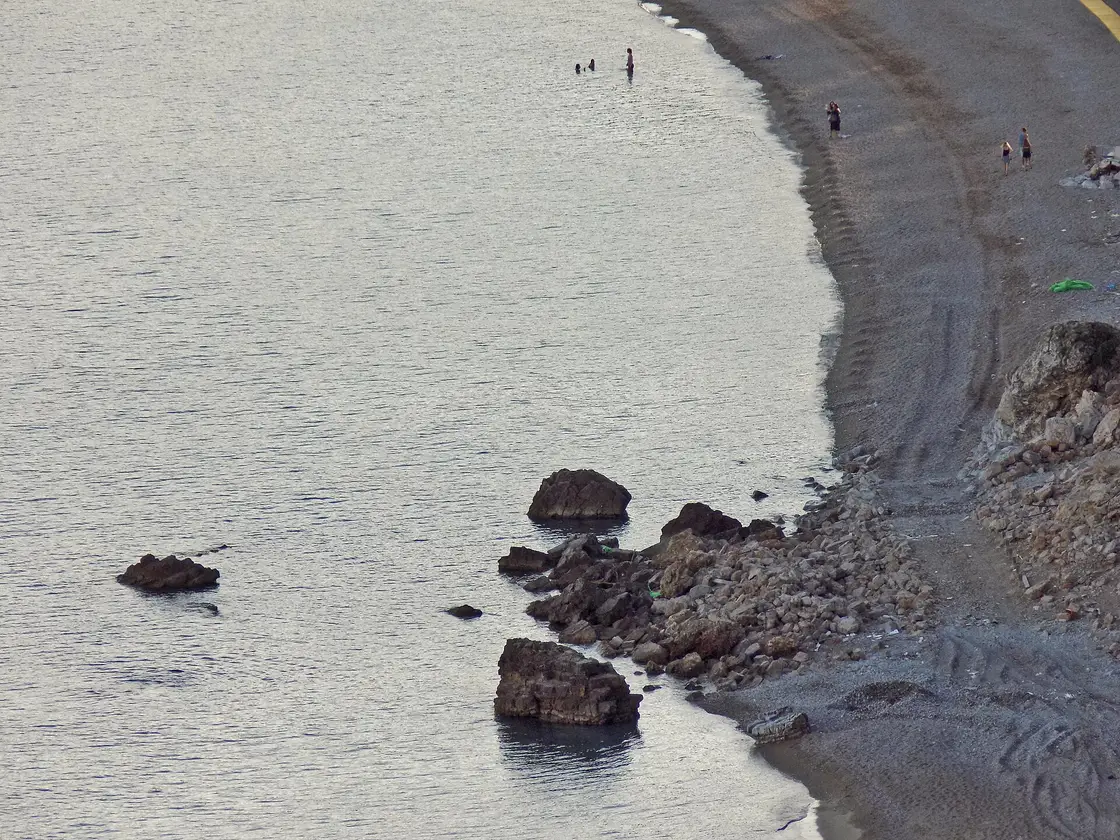
A short boat trip is the easiest way to buy yourself a calm, happy afternoon. From Kotor or Perast, the classic Bay of Kotor boat tour is gentle and quick, stopping at Our Lady of the Rocks, a tiny man-made island with a church that children can walk right around. If your kids can swim and the group is up for it, the Blue Cave trip out of Herceg Novi or Luštica ends with a swim stop in water that glows an electric blue.
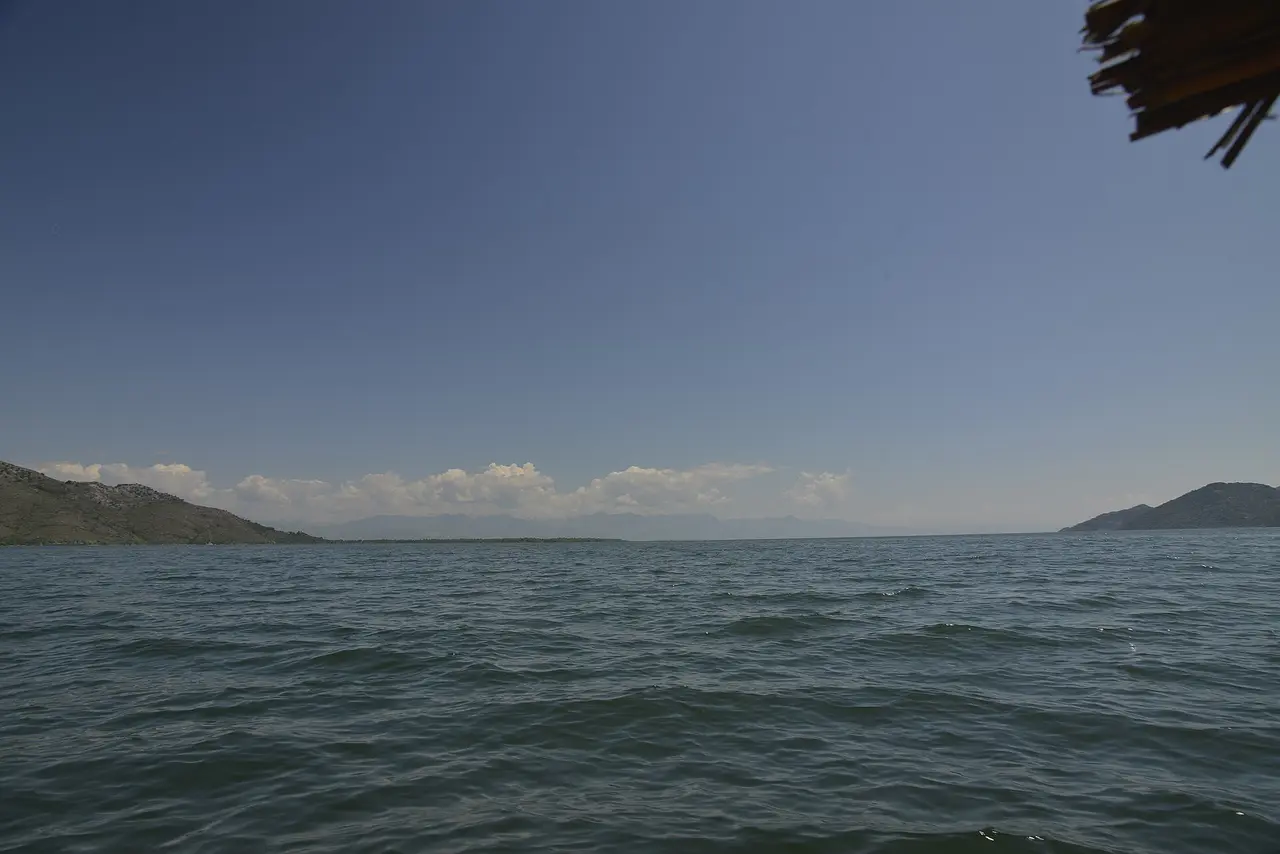
Inland, Lake Skadar is the biggest lake in the Balkans and one of the best low-effort outings with children. The flat-bottomed tour boats potter slowly through the reeds and lily pads, and in the quieter coves you can spot herons, cormorants and, if you’re lucky, the huge Dalmatian pelicans that nest here. It’s calm, shaded under a canopy, and short enough to hold small attention spans.
Caves, lakes and easy nature
For a hot afternoon, Lipa Cave near Cetinje is a brilliant change of pace, and the little tourist train that carries you from the car park to the cave mouth is half the fun for younger children. The basic visit is a guided hour along the main gallery, and the entry price of roughly €16.90 for adults, €8.90 for children aged 5 to 15 and €2 for under-fives covers the train, the guide, parking and basic accident insurance. A few things worth knowing: the summer season runs about 1 May to 1 October, you can’t book online, so turn up at the car park at least half an hour before a scheduled tour, and it’s a constant 10 to 12°C underground - pack a layer even in August.
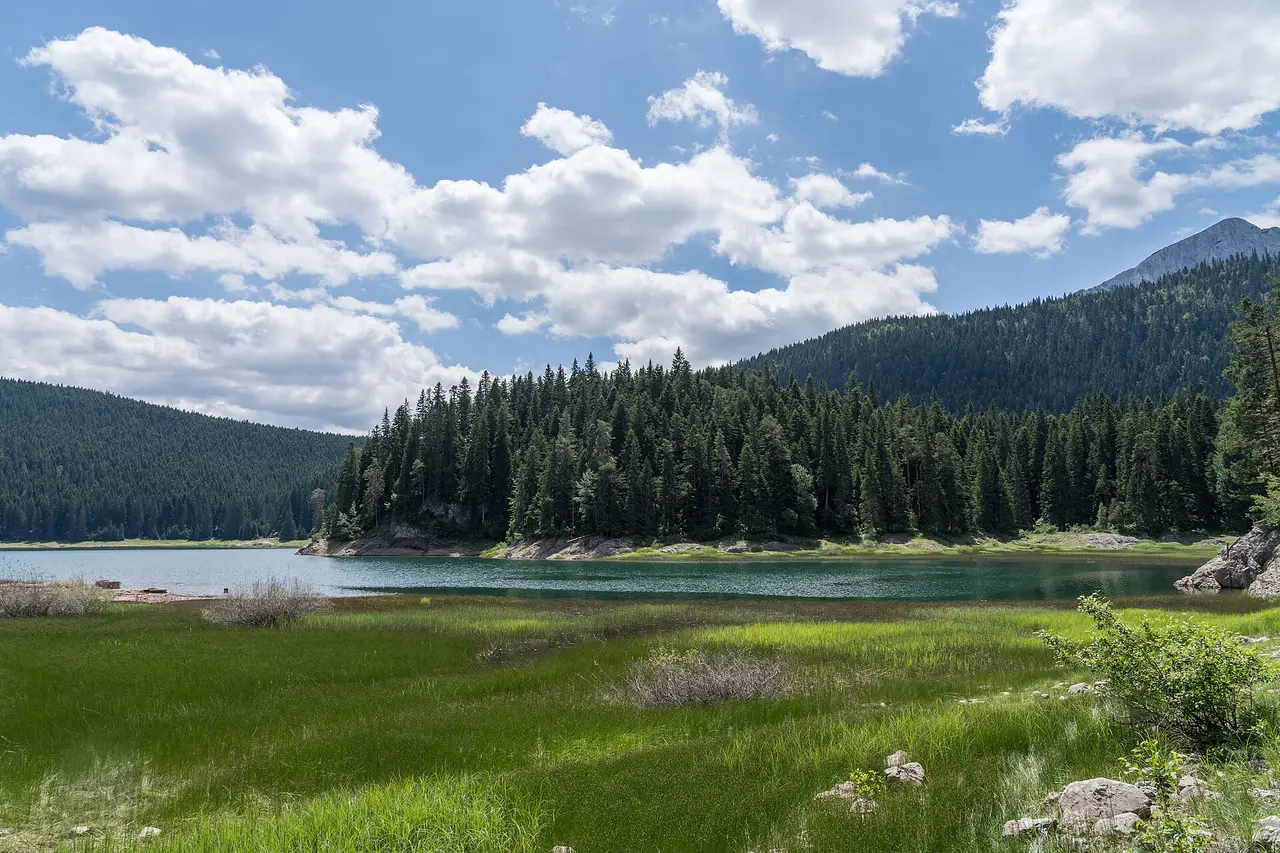
If you head north, the easiest mountain outing is Black Lake near Žabljak in Durmitor National Park: a mostly flat loop around the water that most families can manage without drama, with cafes at the near end. Quieter still is Biogradska Gora, where a gentle path circles a lake inside one of Europe’s last old-growth forests.
Old towns without the meltdown
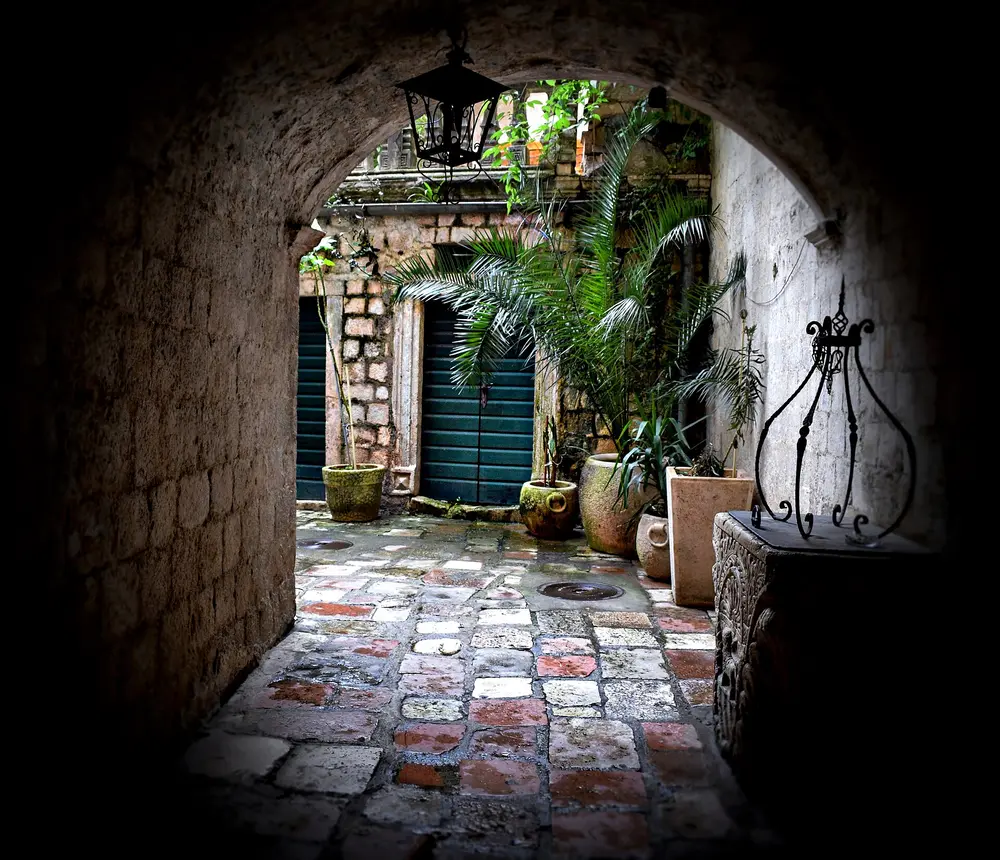
Montenegro’s walled towns are easier with children than they look, because the lanes inside are car-free - there’s no traffic to watch, and kids can run ahead. Kotor is the best of them for a family, a maze of marble alleys and squares that also happens to be full of cats; counting them becomes a game, and there’s even a small cat “museum” and a square where they gather. The one thing to plan carefully is the city walls: the climb toward the fortress is steep, exposed and hot, so it suits older children and teenagers early in the morning, not toddlers in the midday heat. Our Kotor city walls guide has the practical detail. Budva old town is smaller and flatter, an easy wander before dinner, and the Sveti Stefan viewpoint down the coast is a five-minute photo stop the whole family can agree on.
Where to stay with kids
For a first family trip, base yourself on the Budva Riviera. Bečići and Budva put you within walking distance of a sandy beach, restaurants and the water park, which cuts down on driving. Tivat is the calmer alternative: the Porto Montenegro marina has a long, flat, stroller-friendly promenade, the water in the bay is sheltered, and Tivat airport is right there for an easy last morning. Petrovac, south of Budva, is quieter again, with a small sandy bay and a low-key old harbour. Whichever you choose, an apartment with a kitchen and a washing machine tends to beat a hotel room with children - somewhere to make breakfast, dry swimsuits and put a toddler down early. Our Tivat and Budva guides cover neighbourhoods in more detail.
Practical tips for Montenegro with kids
A few country-specific things save real hassle:
- Book the child seat, don’t assume it. Montenegrin law requires young children to travel in an appropriate restraint, and under-twelves aren’t allowed in the front passenger seat; fines run roughly €40 to €100. Rental firms rent child and booster seats, often free of charge, but stock is limited in summer, so reserve one when you book the car. Our guide to renting a car in Montenegro walks through the rest.
- Time the sea to the month. In June the water is a fresh 22 to 24°C, warms through July to a peak in August of around 26°C, and stays warm at about 24°C in September - still warm but with thinner crowds, which is often the sweet spot for families. See best time to visit and the weather by month.
- Respect the midday. From roughly noon to four the sun is fierce. Use it for lunch, shade, a nap or a cave, not a bare beach; pack hats, water and high-factor sunscreen.
- Strollers and cobbles do not mix. Seafront promenades are fine, but old-town cobbles and the Kotor walls aren’t - a baby carrier is far less stressful there.
- Carry cash and cover the risks. Keep euro coins and small notes for gelato, parking and the little boats, pack a basic first-aid kit, and know that pharmacies (apoteka) are easy to find. If your teenagers plan to raft or hike, check that your policy names those activities: see travel insurance for Montenegro.
Get the rhythm right - beaches and boats in the cool hours, shade or a cave at midday, one town in the evening - and Montenegro turns out to be a remarkably relaxed place to travel with children. Start with the 7 day itinerary for the route, then pick the family-friendly stops above to slot into it.
Read also

Before you go · 16 min read
Bay of Kotor Boating Rules: Licence, Speed Limits & Fines
Updated · September 5, 2026Montenegro boat rules 2026: certificate at 18 for self-drive, 6 knots within 300 m, 18-knot corridors, no motor boats in the Blue Cave, fines from €500.

Food · 9 min read
Where to Eat in Tivat: Porto Montenegro & Konobas
Verified · September 5, 2026Where to eat in Tivat: Porto Montenegro marina tables, Kalimanj konobas, and Luštica Italian menus with prices from restaurant sources.

What to see · 10 min read
Hiking Bobotov Kuk: Durmitor Highest Peak
Verified · September 4, 2026Bobotov Kuk hike at 2,523 m: Sedlo (~10 km RT) vs Lokvice from Black Lake, €5 park fee, cables, season and early-start tips.

Food · 9 min read
Best Restaurants in Herceg Novi: Riviera Dining
Verified · September 3, 2026Where to eat in Herceg Novi: Old Town konobas, Pet Danica seafood, Meljine marina and Žanjice beach tables - our shortlist, checked Sep 2026.