
Best Things to Do in Montenegro 2026: First-Trip Guide
The top things to do in Montenegro on a first trip - Kotor, Budva, Lake Skadar, Ostrog, Durmitor and Lovcen - and how to link them into one smart loop.
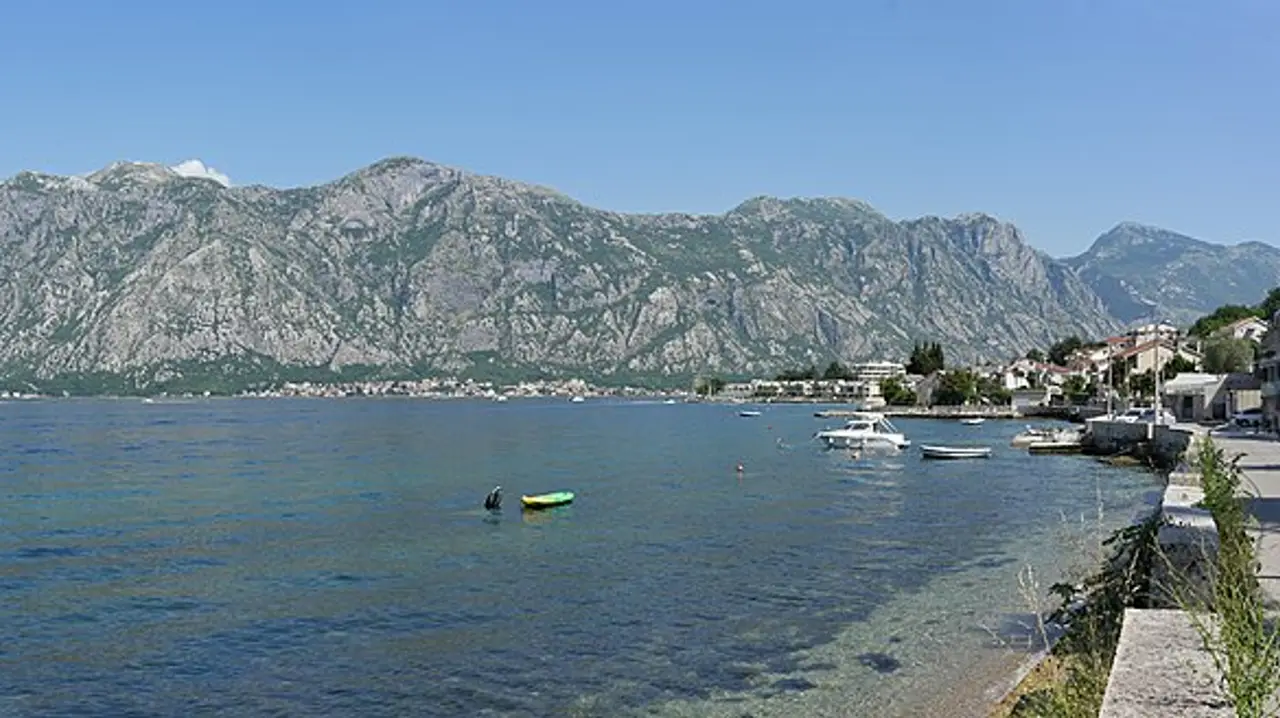
The best things to do in Montenegro are to walk Kotor’s walled Old Town, spend time on the Budva Riviera, take a boat or viewpoint stop around Lake Skadar, visit Ostrog Monastery, drive into Durmitor National Park, and use the Bay of Kotor as the country’s scenic anchor. Montenegro is small, but the trips aren’t all the same: the coast is about stone towns and beaches, the centre is about monasteries and lake landscapes, and the north is mountain country.
This guide is a country-level shortlist for a first trip. It’s not trying to name every beach, church or viewpoint. Instead, it picks the experiences that shape a strong Montenegro itinerary and explains how to connect them without wasting days on the road.
Start with Kotor and the Bay of Kotor
Kotor is the classic first stop because it compresses so much of Montenegro into one place: a UNESCO-listed old town, stone defensive walls, a cruise-port waterfront and mountains that rise straight behind the roofs. The Old Town is small enough to cross in minutes, but it works best when you slow down: enter through the Sea Gate, wander the squares, step into the Cathedral of Saint Tryphon, then climb at least part of the wall route toward San Giovanni for the view over the bay.
The climb up to the San Giovanni fortress is about 1,350 steps and roughly 260 m of ascent, so do it early or late: by midday the stone bakes and the cruise crowds thicken. Take water and proper shoes, and check the wall ticket on the spot - it is usually a paid entry in summer. You do not have to push all the way to the top; the classic bay view opens up around halfway. The Kotor city walls guide has the full route, and if you’re arriving by ship, the Kotor cruise port guide covers what you can do in a few hours ashore.
The wider Bay of Kotor is just as important as the town. The water curls inland between steep limestone slopes, linking Kotor, Dobrota, Perast, Tivat and small shore villages. A Bay of Kotor boat tour toward Perast and Our Lady of the Rocks is the easy version; the slow shore-road drive gives you more freedom to stop for views and coffee. Some of those boats run on to the Blue Cave on the Luštica side, where the water glows electric blue around midday. For the city details, use the full Kotor guide, then plug the bay into a wider Montenegro 7-day itinerary.
Spend a day on the Budva Riviera
Budva is Montenegro’s beach-and-nightlife counterweight to Kotor. The old town is walled and photogenic, but the mood is more resort-like: long promenades, beach clubs, summer crowds and a string of nearby coves. It’s the right base if swimming, restaurants and late evenings matter as much as sightseeing.
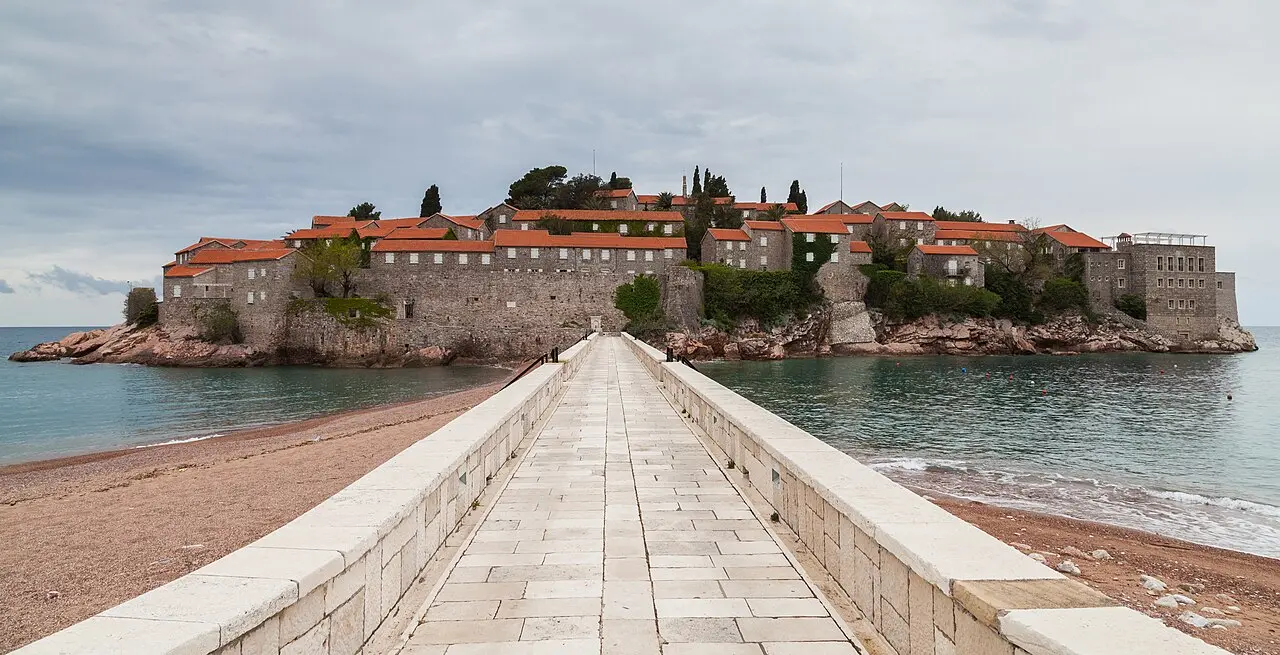
The easiest Budva day mixes three pieces: the Old Town in the morning, a beach break around Mogren or the wider Riviera, and the Sveti Stefan viewpoint before sunset. If swimming is a priority, our guide to the best beaches in Montenegro walks the coast from here down to Ulcinj, and Montenegro beaches ranked scores them side by side. Sveti Stefan itself is a tiny fortified islet connected to the mainland by a narrow causeway; access to the islet depends on the hotel/resort arrangements, but the public viewpoint and the beaches around it are the reason most travellers stop.
Go inland to Lake Skadar
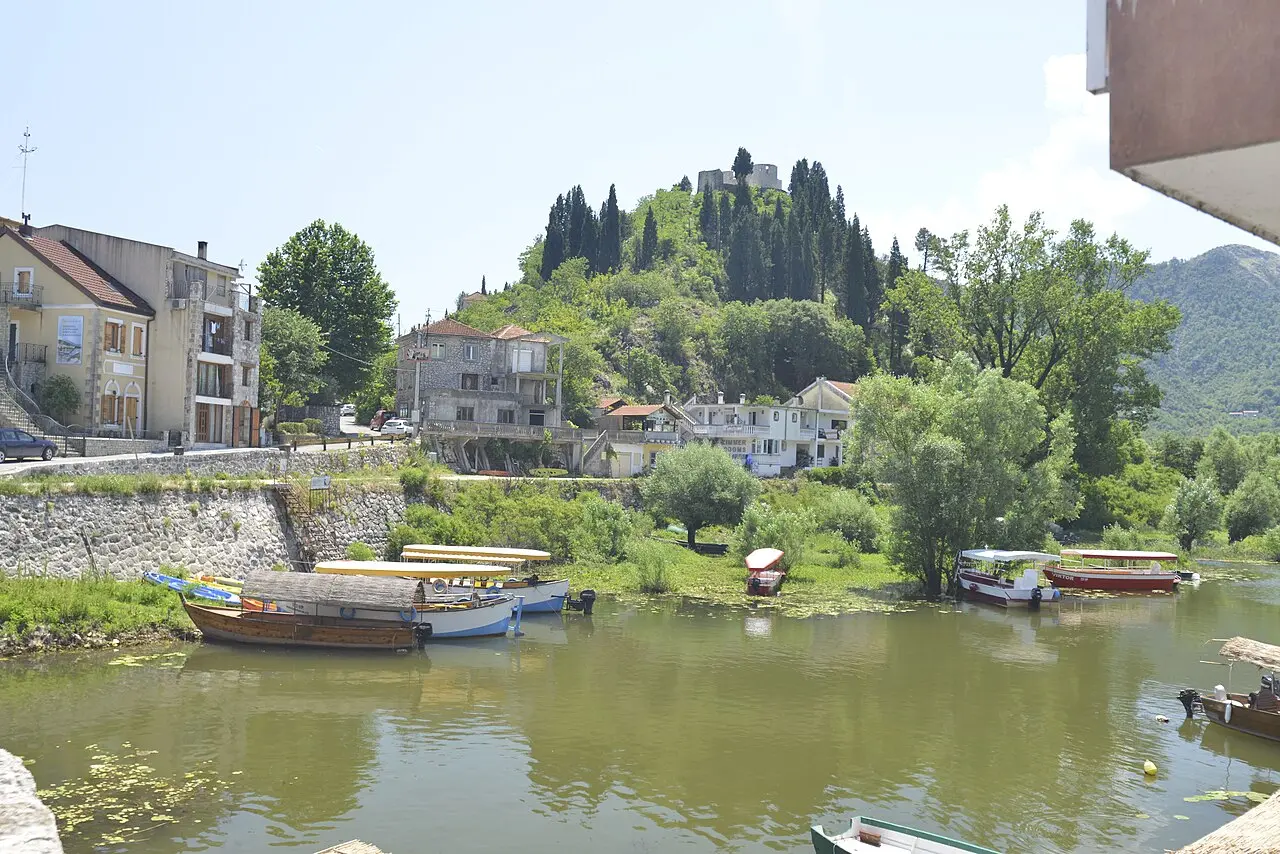
Lake Skadar is the softest contrast to the coast. Instead of fortress walls and marina promenades, you get reeds, wide water, birds, fishing villages and slow boat trips from Virpazar. The lake straddles Montenegro and Albania, and the Montenegrin side is protected as a national park. For visitors, the simple version is a half-day from the coast or Podgorica: drive to Virpazar, take a boat ride, then continue toward viewpoints, wineries or a relaxed lunch.
The lake works especially well in a road trip because it breaks the journey between the coast and the interior. It’s also a good reminder that Montenegro isn’t only Adriatic blue and mountain grey; the central region has its own warm, green landscape. If you are choosing between rushing north and adding one slower stop, Lake Skadar is the stop that gives the route more texture. Our full Lake Skadar National Park guide covers the Virpazar boat trips, the Pavlova Strana viewpoint and the Crmnica wineries, and the Rijeka Crnojevića guide goes deeper on the quieter northern village the viewpoint sits above.
Visit Ostrog Monastery
Ostrog Monastery is one of Montenegro’s most distinctive places: a white Orthodox monastery built into a near-vertical cliff. It’s an active pilgrimage site, not just a viewpoint, so the experience is more powerful if you treat it respectfully and dress modestly. Most travellers visit while moving between Podgorica, Lake Skadar and the north, because it sits inland rather than on the main beach circuit.
You don’t need to add hours of sightseeing here. The impact is the approach, the cliff setting and the sense of devotion around the upper monastery. It pairs naturally with a driving day toward Durmitor, or with a shorter inland loop from Podgorica. See the dedicated Ostrog Monastery guide before building it into a route.
Drive into Durmitor National Park
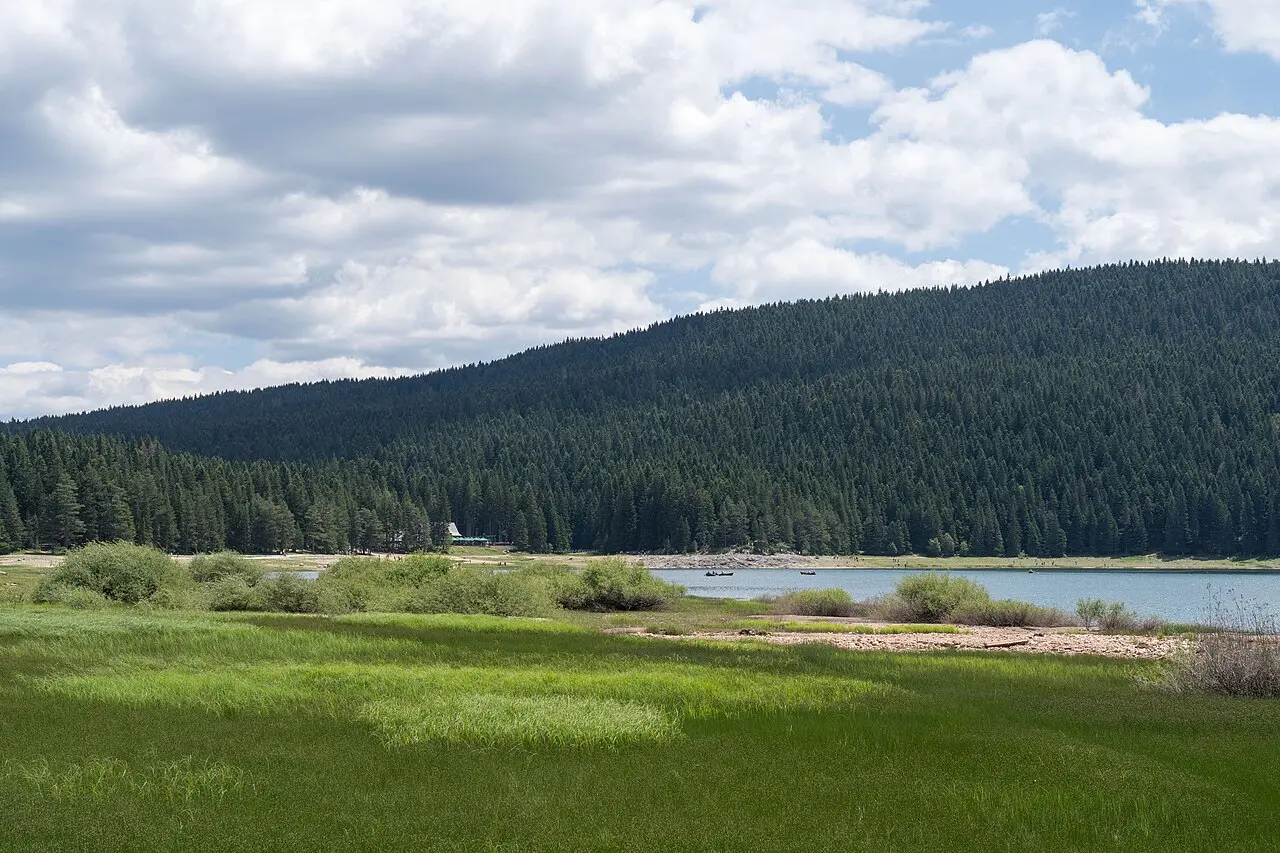
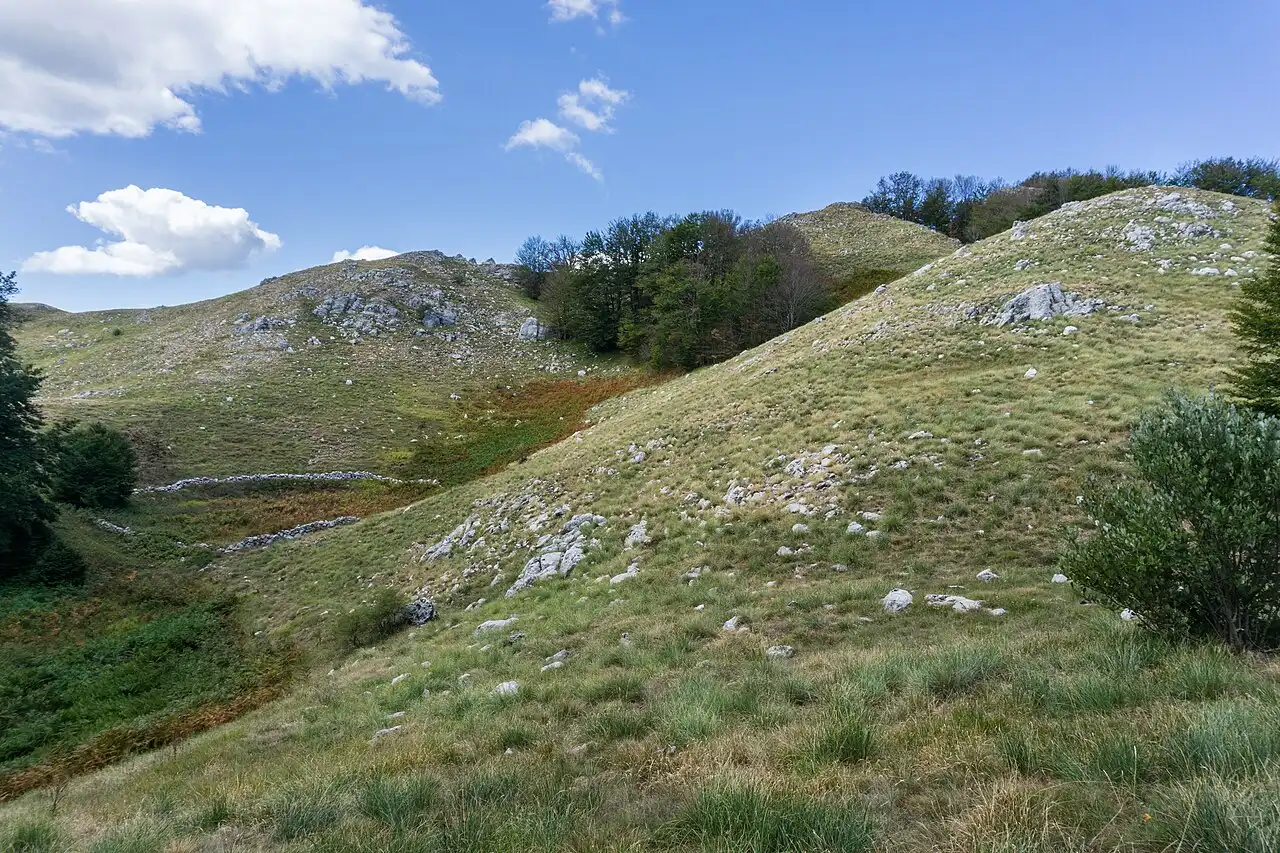
Durmitor is the mountain experience that makes Montenegro feel much bigger than it looks on a map. The gateway town is Žabljak, and the classic first stop is the Black Lake, an easy forest-and-lake walk beneath the peaks. More active travellers can add marked hikes, Tara Canyon viewpoints, rafting the Tara Canyon in season or a longer stay in the high country.
The key planning point is time. Durmitor can be reached as a long day from Podgorica or the coast, but it deserves at least one night and ideally two if you want more than a photo stop. Roads are scenic and winding, weather changes faster than on the coast, and the north feels like a different trip altogether. The full Durmitor National Park guide covers the Black Lake, Bobotov Kuk, Tara Canyon and how to get there. If you want a second, gentler northern park, Biogradska Gora and its old-growth forest is an easy add on the way.
Add Lovcen and Cetinje if you like scenic roads
Lovcen National Park sits between the coast and the old royal capital of Cetinje, and it’s one of the best add-ons if you have a car. The famous route climbs from Kotor by a serpentine road with repeated views back over the bay. At the top, the landscape opens into limestone ridges, forest and the road toward Njegoš Mausoleum.
Lovcen is not as wild as Durmitor, but it’s easier to fold into a coastal trip. A strong day links Kotor, the serpentine road, Lovcen, Cetinje and a return toward Budva or Tivat. In poor weather, skip the high road and keep the day simpler; in clear weather, it’s one of the most memorable drives in the country.
How to fit the highlights into one trip
For a first visit, the cleanest plan is a loop rather than a checklist. Spend 2 nights in Kotor, use one day for the bay and Perast, move to Budva or the central coast for 2 nights, then go inland via Lake Skadar and Ostrog before finishing with 1-2 nights in Žabljak for Durmitor. That’s the backbone of a one-week route; with only 3 or 4 days, stay on the coast and save Durmitor for another trip.
Public transport can work between the main towns, but many of the best experiences are easier by car: viewpoints, national parks, monasteries and beaches outside town. If you plan to drive, read the car rental guide and keep distances realistic. A 90 km mountain drive in Montenegro can feel longer than the number suggests.
Best time for these experiences
May, June, September and early October are the most balanced months for this list: warm enough for the coast, better for walking, and less intense than peak August. July and August are best if beaches and nightlife are the priority, but they bring heat, crowds and higher hotel demand around Kotor, Budva and Tivat. Durmitor’s hiking season is mainly summer into early autumn, while the coast is usable for much longer.
If the trip is still flexible, start with the best time to visit Montenegro guide and our Montenegro travel guide, which maps the four regions and how many days each deserves, then decide whether your version of the country is beach-first, mountain-first or a balanced loop. The best things to do in Montenegro are close enough to combine, but they’re different enough that the order matters.
Read also

What to see · 10 min read
Hiking Bobotov Kuk: Durmitor Highest Peak
Verified · September 4, 2026Bobotov Kuk hike at 2,523 m: Sedlo (~10 km RT) vs Lokvice from Black Lake, €5 park fee, cables, season and early-start tips.

What to see · 10 min read
Swimming in the Bay of Kotor: Beaches & Lidos
Updated · August 31, 2026Can you swim in Kotor? Yes - on Dobrota pontoons, Morinj and small Boka shores. Water quality, season and what to expect.

What to see · 11 min read
Rent a Boat in Kotor Bay: No Licence Needed
Updated · September 25, 2026Private boat rental in Kotor Bay 2026: skippered hire from €90/h, bareboat prices, licence rules, speed limits and where boats leave from.

What to see · 9 min read
Piva Lake & Canyon: Montenegro's Emerald North
Updated · August 27, 2026Piva Lake guide: the 45 km emerald reservoir, Mratinje Dam, boat trips from Plužine, the relocated Piva Monastery and how to pair it with Durmitor.