
Blue Cave Montenegro: Boat Tours from Kotor & Herceg Novi
How to visit the Blue Cave (Plava Spilja) in Montenegro: which port to leave from, tour prices, the swim, best time of day and season. 2026 guide.
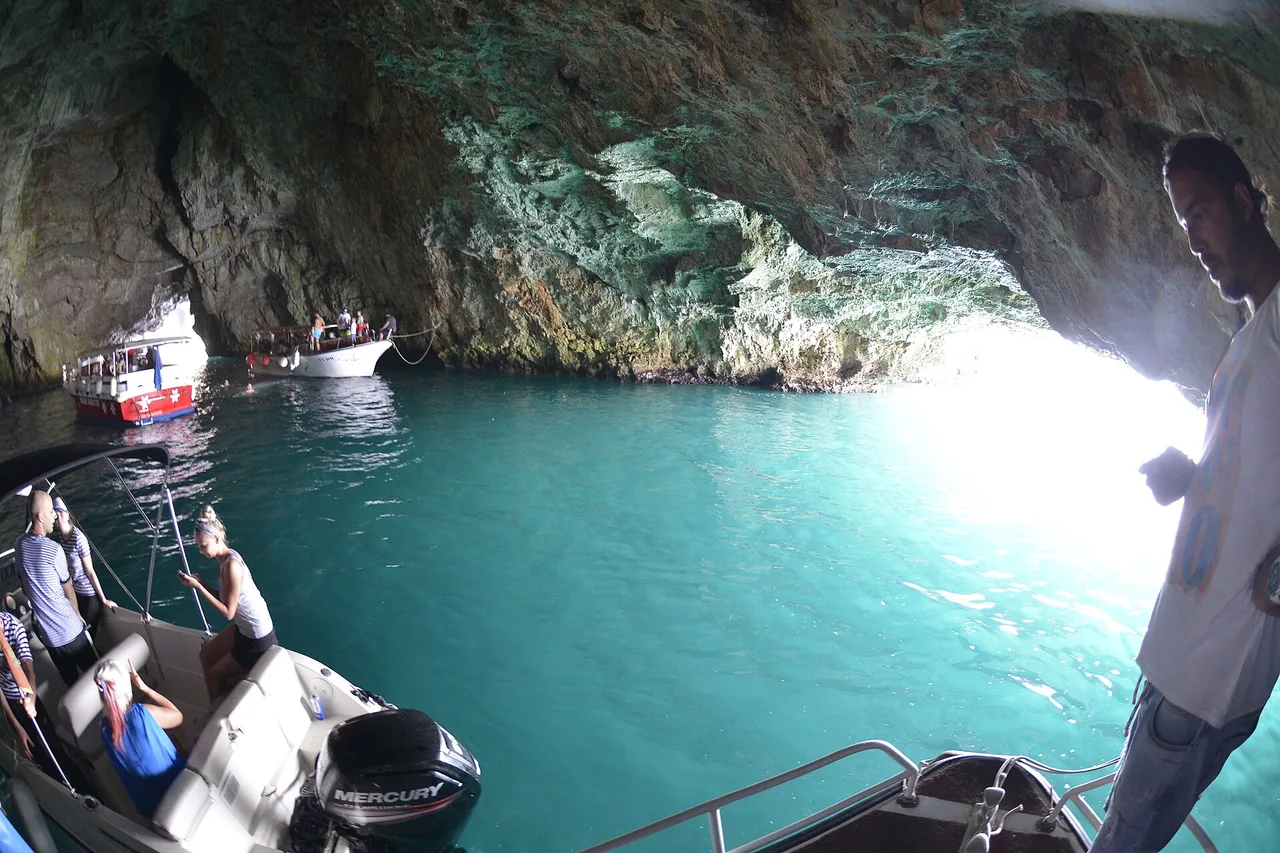
The Blue Cave (Plava Spilja) is a sea grotto on the open-Adriatic side of the Lustica peninsula that glows an electric blue when the sun hits it, and the only way in is by boat. Where you set off from decides your whole day: Herceg Novi is the shortest run to the cave, Kotor and Perast pair it with the bay and Our Lady of the Rocks, and Tivat or Budva turn it into a longer coastal cruise. Group tours run from roughly €30 to €45 per person, the season is April to November, and the blue is strongest in the middle of the day. Here’s how to pick the right boat and see the cave at its best.
What the Blue Cave actually is
It’s a cave cut into the limestone cliffs where the Lustica peninsula meets the open sea, just west of the entrance to the Bay of Kotor and about six nautical miles from Herceg Novi. The colour is the whole point. Sunlight enters through an opening below the waterline, bounces off the pale sea floor and floods the cavity with a glowing blue light, so the water looks lit from underneath rather than from the sky. Since May 2026 motorboats are no longer allowed inside: the ministry’s navigation rules let only unpowered craft through the low mouth. Boats now anchor a short way off, and on most trips you get ten to thirty minutes to swim in yourself and back. Beyond the cave the bay swims quite differently - water quality, pontoons and where locals actually get in are in swimming in the Bay of Kotor.
A few physical facts shape the visit. The water near the cave is fairly shallow, around 5 m, and unusually clear - locals claim 20 m of visibility outside the mouth - so you can watch fish over the pale bottom while you swim. In summer the sea sits at a swimmable 20-22°C, and most boats keep a short ladder on deck so you can climb back in after the swim. There’s no entry fee: the cave is open water, and everything you pay goes to the boat, not the cave.
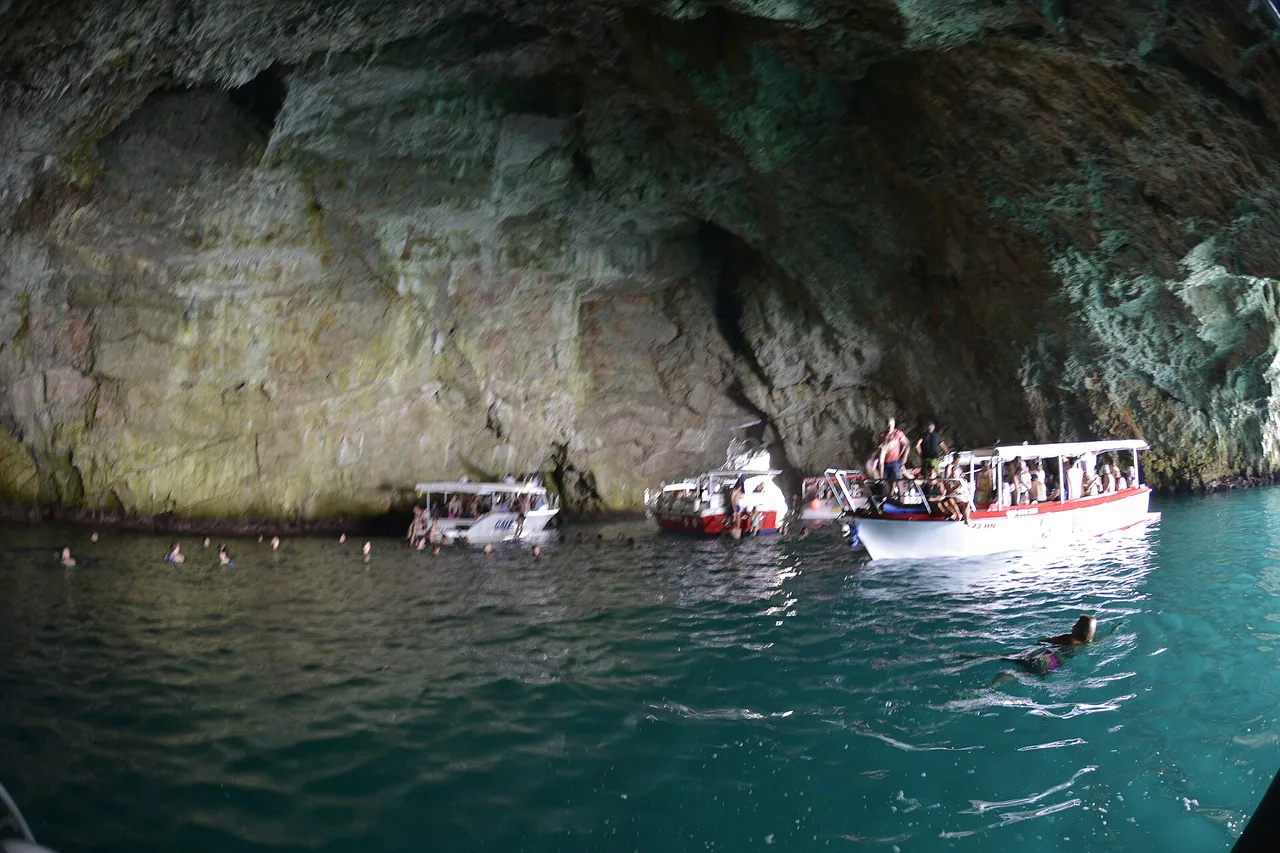
One honesty note that catches people out: not every operator lets you swim inside. That difference between operators has gone: the rules now apply to everyone, so the question is no longer whether your skipper goes inside but how long they give you in the water and how close they anchor. If the swim is the reason you’re going, ask before you book rather than assume - it’s the single most common disappointment on these trips.
Which port should you leave from?
This is the decision that matters most, because the cave sits far to the west and the run there eats into your day. Four coastal towns run tours, and they’re not interchangeable.
Herceg Novi is the closest base and the one to pick if the cave is your priority. It sits at the mouth of the bay, so boats reach Lustica in roughly 40-50 minutes and you spend more time in the water and less in transit. Trips here tend to be half-day, three to five hours, and often the best value. For the town itself, its old town and beaches, see our Herceg Novi guide.
Kotor and Perast sit deep inside the bay, so the boat has to run all the way out and back - a longer day, but you get the whole bay as a bonus and most tours from here also swing past Our Lady of the Rocks, the artificial island near Perast crowned with its Baroque church. If you would rather have one trip that combines the bay’s headline sights with the cave, this is it; our full Bay of Kotor boat tour guide covers that itinerary, the church and its museum in detail.
Tivat (Porto Montenegro) falls between the two - a mid-length cruise that takes in the marina and the inner bay on the way. Budva is the farthest and offers the fewest sailings, so a Blue Cave trip from there’s a long day on the water; it makes sense only if Budva is your base and you don’t mind the transit.
| Depart from | Run to the cave | Typical trip | Best for |
|---|---|---|---|
| Herceg Novi | ~40-50 min | 3-5 h, half day | The cave itself, best value |
| Kotor / Perast | Longest | Half to full day | Cave + bay + Our Lady of the Rocks |
| Tivat | Medium | Half day | Marina + inner bay on the way |
| Budva | Farthest | Full day | Only if Budva is your base |
Prices and what you get
Exact prices aren’t easy to pin down: the season, the operator and whether you book group or private space all move the number, so use every euro figure here as a floor and double-check it when you book. Group speedboat tours start around €30 per person from Herceg Novi, closer to €45 from Kotor because of the longer run from inside the bay. A private boat, often for up to a dozen people, costs more but buys you the timing - worth splitting between a family or a group who want the cave at 09:00, ahead of the crowds. Hourly skippered hire and bareboat rules for the wider bay sit in boat rental in Kotor Bay.
For a concrete number, Igalo-based Petar Boats prices its cave-Mamula-submarine-tunnel combo at €30 for adults, €15 for kids aged 6-11 and free under six (the full itinerary is in our Bay of Kotor boat tour guide) - a fair yardstick for what a half-day tour should cost. Before you compare quotes elsewhere, check whether fuel, the guide, snorkel gear or a drinks stop are already bundled in.
Best time of day, and the season
Timing changes the whole experience, and most people don’t quite get it right. The blue is at its strongest when the sun is high, roughly 10:00 to 13:00 - go too early and the light is weak, go mid-afternoon in July and you join a line of boats anchored off the same low mouth, each waiting on its own swimmers. The sweet spot is a mid-morning departure: enough sun for the colour, ahead of the lunchtime crush. Book the earliest slot you can bear and you may get the cave nearly to yourself.
The season’s roughly April to November; sailings run daily right through summer, and July-August bring the most departures along with the biggest heat and the longest queue at the cave mouth. Shift a visit to late spring or September and you trade a degree or two of water temperature for a calmer crossing and a quieter cave; see our best time to visit Montenegro guide for how the coastal months stack up. Whatever month you pick, bring sunscreen, a hat, a towel and a light layer - a speedboat at pace throws real wind-chill even in August.
What else the trip usually stops at
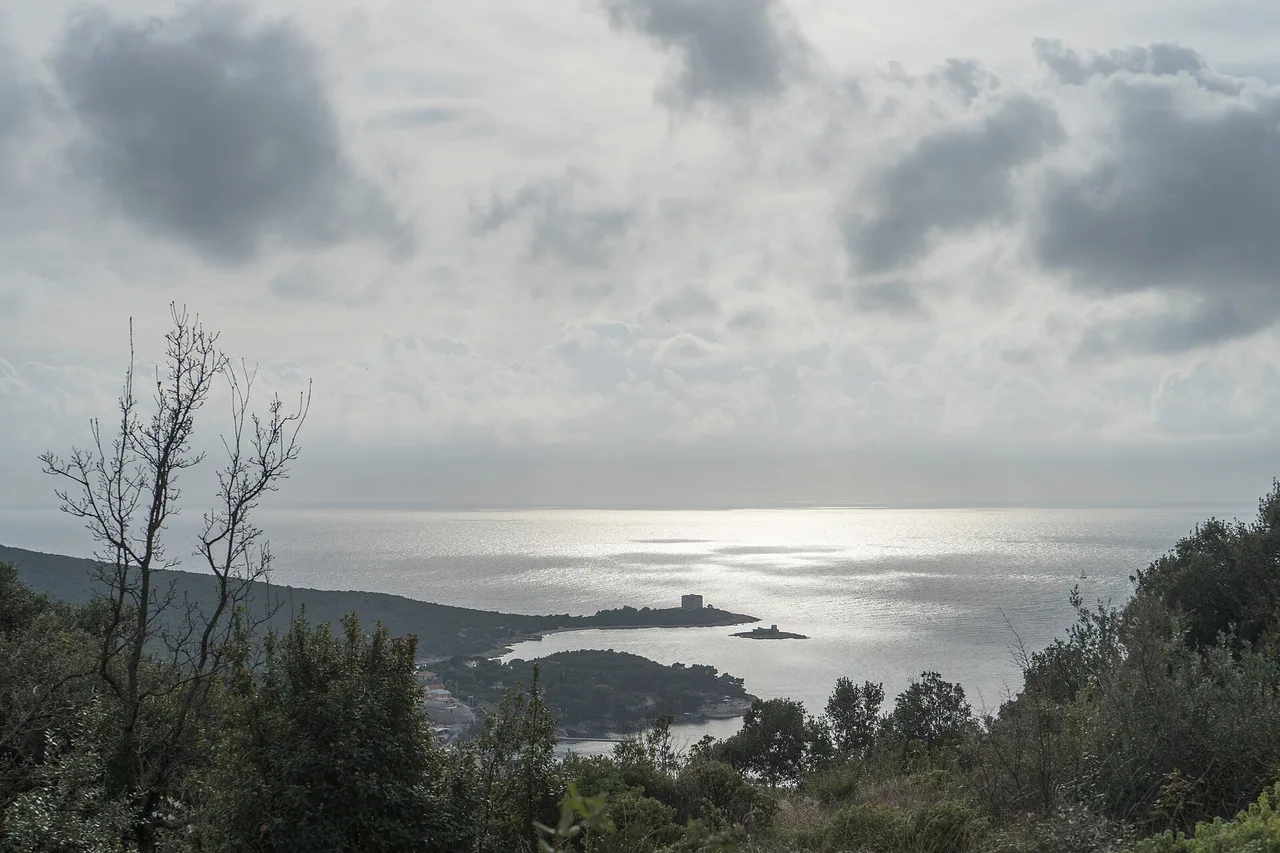
A Blue Cave outing is rarely just the cave - the run out passes a cluster of quick, odd stops, and a well-run three-hour speedboat can string several together. Mamula started out in the 1850s as an Austrian fort guarding the bay’s entrance, did time as a Second World War prison and internment camp, and has since been reborn as a luxury hotel; most boats simply circle the little islet for the photo rather than landing. The Rose submarine tunnel is a Cold-War bolt-hole cut into the rock where the Yugoslav navy hid submarines - boats slip into the dark mouth, and it’s the kind of thing you would never find alone. Zanjice, a long pebble beach on Lustica, is the usual spot for a second, calmer swim before the run home.
For the wider geography of the peninsula the cave sits on - its beaches, villages and how it’s developing - see our Lustica peninsula guide, and for how the coast links up by road and water, getting around Montenegro.
Is it worth it, and who should skip it?
For most people with a spare morning on the coast, yes. The colour is genuinely strange, the swim is the memorable bit, and the cave is unreachable any other way, so the boat is the attraction as much as the transport. The honest caveats: if you are prone to seasickness, the open-sea leg past the bay mouth can be choppy in an afternoon wind, so go early and sit low and central. If you cannot swim or would rather not, you’ll still see the blue from the boat, but half the point is getting in the water. And if a dozen other boats are already queued at the mouth when you arrive, the magic thins fast - which loops back to the one rule that matters here: go mid-morning, and go early in the day before the crowds build.
Nearby / read also
- Bay of Kotor boat tour - the fuller bay itinerary, with Our Lady of the Rocks.
- Rent a boat in Kotor Bay - private hire when a fixed tour is too rigid.
- Bay of Kotor boating rules - why every boat now anchors outside the cave, and the speed zones on the way there.
- Herceg Novi travel guide - the closest base for the cave.
- Lustica peninsula
- Getting around Montenegro
- Best time to visit Montenegro
- Things to do in Montenegro - the country-level shortlist the cave belongs to.
On the map
The map loads on click - to keep the page lightweight.
The map didn’t load. Check your connection and refresh the page.
Good to know
The cave itself is free - you pay for the boat. Group Blue Cave tours run from roughly €30 per person (Herceg Novi) to €45 or more (Kotor); private boats cost more. Prices move with season and operator - treat every figure as "from" and confirm before you pay.
Details checked: July 20, 2026
Distance
- Tivat ≈18 km · ≈35-45 min to Herceg Novi quay
- Budva ≈40 km · ≈1 h to Herceg Novi
Read also

What to see · 10 min read
Hiking Bobotov Kuk: Durmitor Highest Peak
Verified · September 4, 2026Bobotov Kuk hike at 2,523 m: Sedlo (~10 km RT) vs Lokvice from Black Lake, €5 park fee, cables, season and early-start tips.

What to see · 10 min read
Swimming in the Bay of Kotor: Beaches & Lidos
Updated · August 31, 2026Can you swim in Kotor? Yes - on Dobrota pontoons, Morinj and small Boka shores. Water quality, season and what to expect.

What to see · 11 min read
Rent a Boat in Kotor Bay: No Licence Needed
Updated · September 5, 2026Private boat rental in Kotor Bay 2026: skippered hire from €90/h, bareboat prices, licence rules, speed limits and where boats leave from.

What to see · 9 min read
Piva Lake & Canyon: Montenegro's Emerald North
Updated · August 27, 2026Piva Lake guide: the 45 km emerald reservoir, Mratinje Dam, boat trips from Plužine, the relocated Piva Monastery and how to pair it with Durmitor.