
Perast & Our Lady of the Rocks, Montenegro
Perast, Montenegro: the Baroque town of sea captains, the St Nicholas bell tower and how to visit the island church of Our Lady of the Rocks.
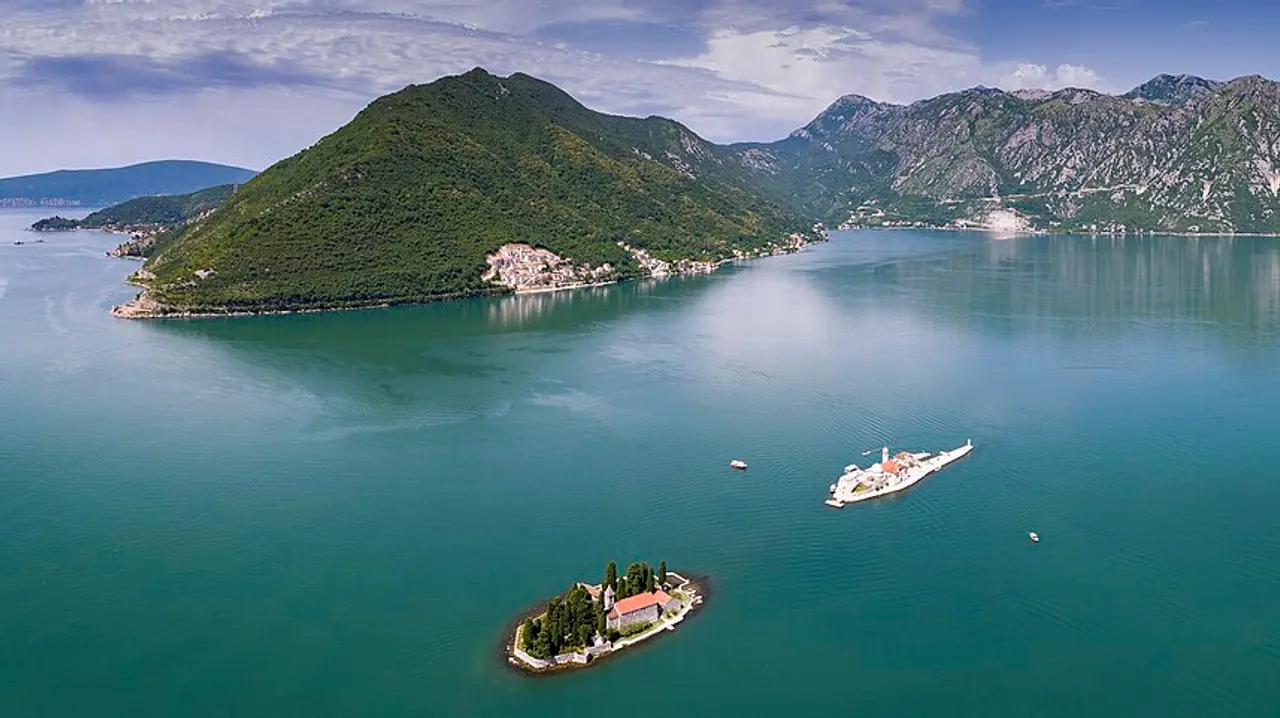
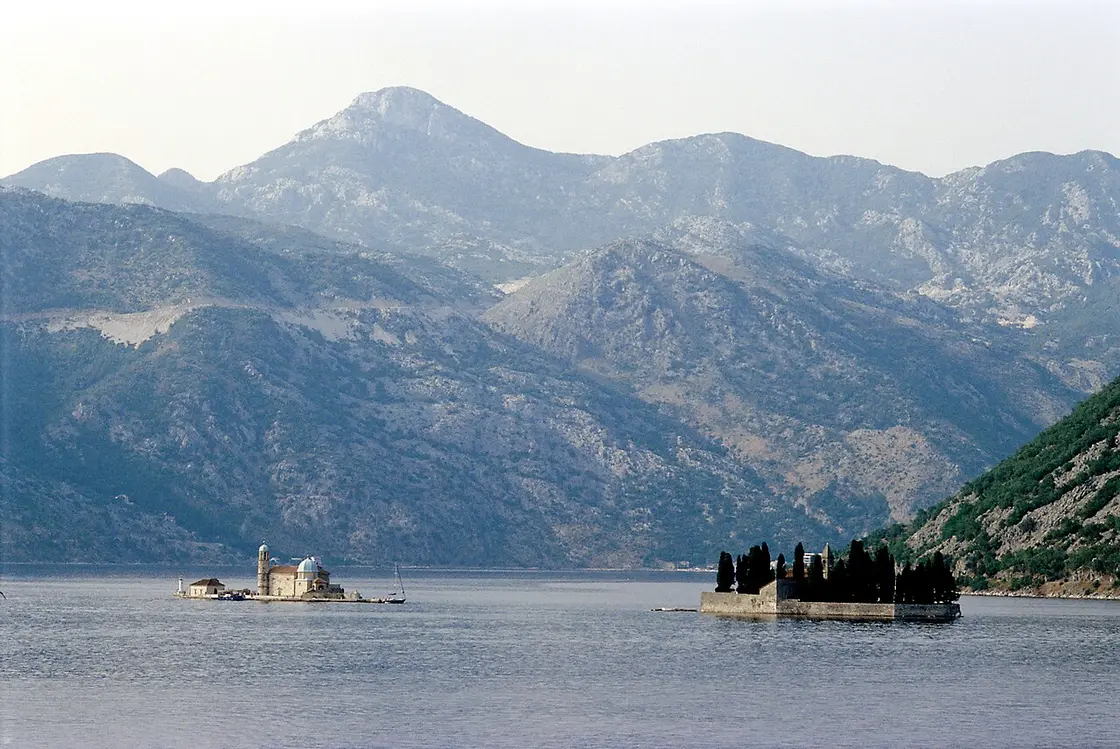
Perast is a tiny Baroque town on the Bay of Kotor, once home to the bay’s richest sea captains and now barely 250 residents, strung along the water beneath a wall of mountains with almost no modern building to spoil it. Just offshore sit its two famous islets: Our Lady of the Rocks (Gospa od Škrpjela), an entirely man-made island topped by a blue-domed church, and St George, a natural island of dark cypresses. You come here to walk the stone waterfront, climb the tall bell tower for the view, and take a short taxi boat out to the island church. It works as a half-day trip from Kotor, 12 km away, or as a stop on any drive around the bay.
Is Perast worth visiting?
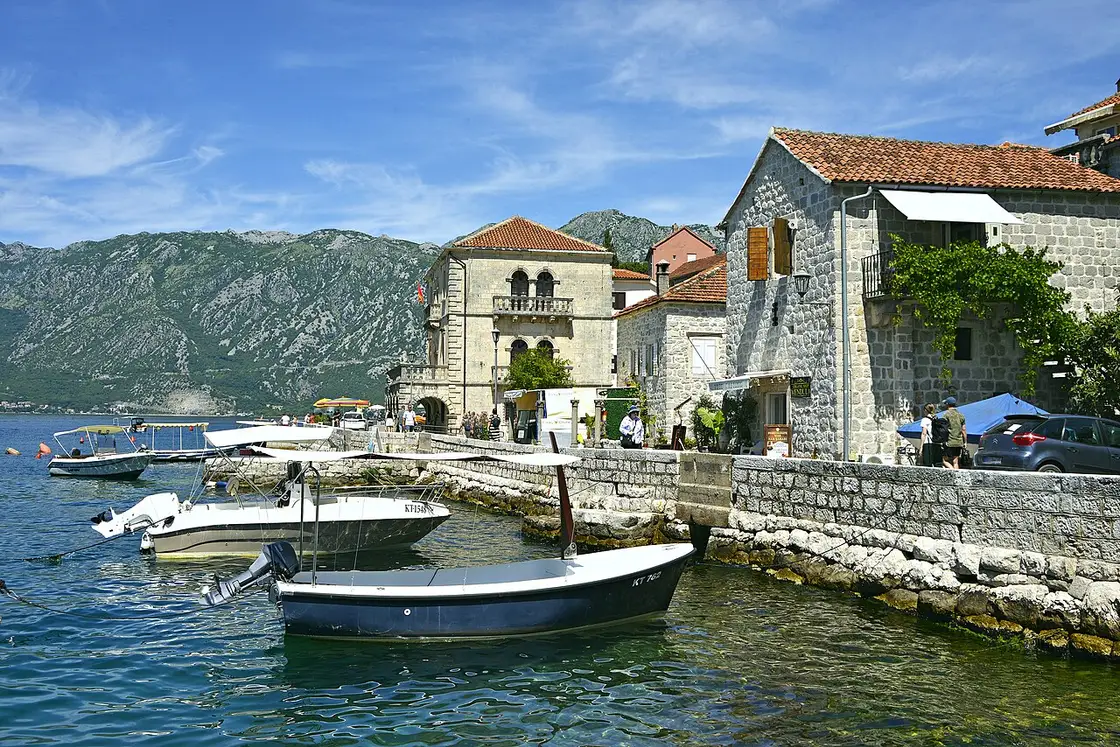
Yes, and it’s one of the easiest good decisions on the coast. Perast is small, you can walk its single seafront in fifteen minutes, but it packs in a run of 17th- and 18th-century palazzi, seventeen churches, and that pair of islands that make it one of the most photographed spots in Montenegro. Because it grew rich under Venice and then more or less stopped, the town is a near-untouched piece of Baroque, all honey-coloured stone and shuttered windows facing the water.
The honest caveats are size and crowds. There’s not a huge amount to “do” beyond the town, the bell tower and the island, so an afternoon is plenty for most people. And in high summer the tour buses and boat groups pour through, so the waterfront can feel busy for its size in the middle of the day. Come early or late, or stay for dinner once the day-trippers have gone, and you get the quiet, golden-stone Perast that the photos promise. If you want the full bay excursion with the Blue Cave and the outer islands as well, that’s a different trip: see our Bay of Kotor boat tour guide for the wider cruise.
A town built on the sea
Perast’s whole character comes from the sea. Under Venetian rule, and especially after the late 1400s, it became a wealthy maritime town whose captains and merchants built the stone palaces you still walk past today; in the 18th century alone it put up around twenty Baroque palazzi. Its most famous export was expertise: the nautical school of Marko Martinović was renowned enough that, around 1698, Tsar Peter the Great of Russia sent young noblemen here to learn seamanship, and a Perast captain, Matija Zmajević, went on to become an admiral in the Russian navy.
You can still read that history in the buildings. The grandest, the Bujović Palace on the waterfront (built in 1694), now houses the Perast Town Museum, with the ship models, portraits and weapons of the town’s seafaring heyday. Wander the lane behind the front and you pass coats of arms over doorways, ruined and restored palaces side by side, and the small churches that gave this place its skyline. There’s no ticket to enter the town itself; the pleasure is simply in the walk.
St Nicholas Church and the bell tower
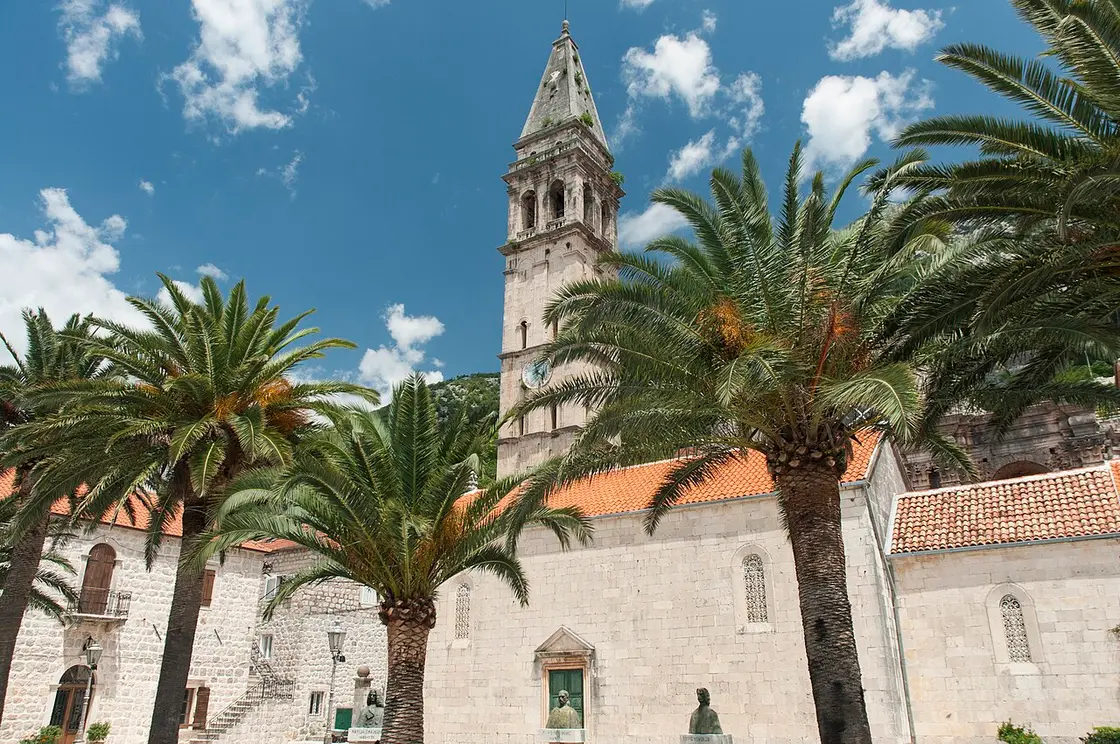
The town’s landmark is the Church of St Nicholas (Sveti Nikola) on the main square, and above all its free-standing bell tower, which at around 55 m is the tallest on the whole Bay of Kotor. The church itself was never finished to the vast scale its builders planned, but the campanile went up, and it’s the thing you see first as you approach Perast from the water.
You can climb it. For a small fee, usually about 1 euro, you go up roughly 150 steps of stone and timber to the belfry, where the reward is a head-on view down onto the two islands and straight along the bay in both directions. It’s the single best vantage point in town, and worth doing early before the tower gets busy. Prices and hours are set locally and drift, so treat that figure as a guide and check on the day.
Our Lady of the Rocks (Gospa od Škrpjela)
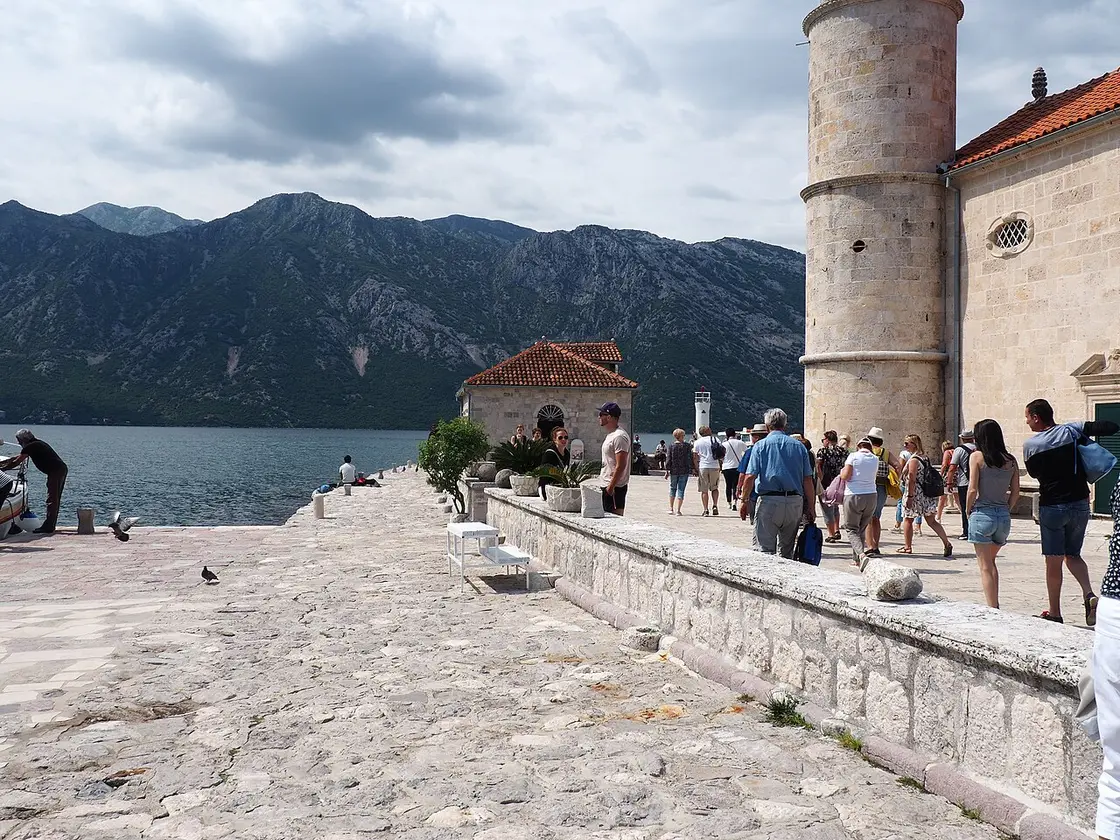
The island church is the reason most people come, and its story is genuinely strange. Our Lady of the Rocks is entirely man-made, the only artificial island in the Adriatic, roughly 3,030 square metres of rock and rubble. Local tradition traces it to 1452, when sailors are said to have found an icon of the Madonna on a rock in the sea; from then on, crews dropped a stone on the reef after each safe voyage, and over the centuries, helped by deliberately sinking old ships loaded with rock, a whole island rose out of the water.
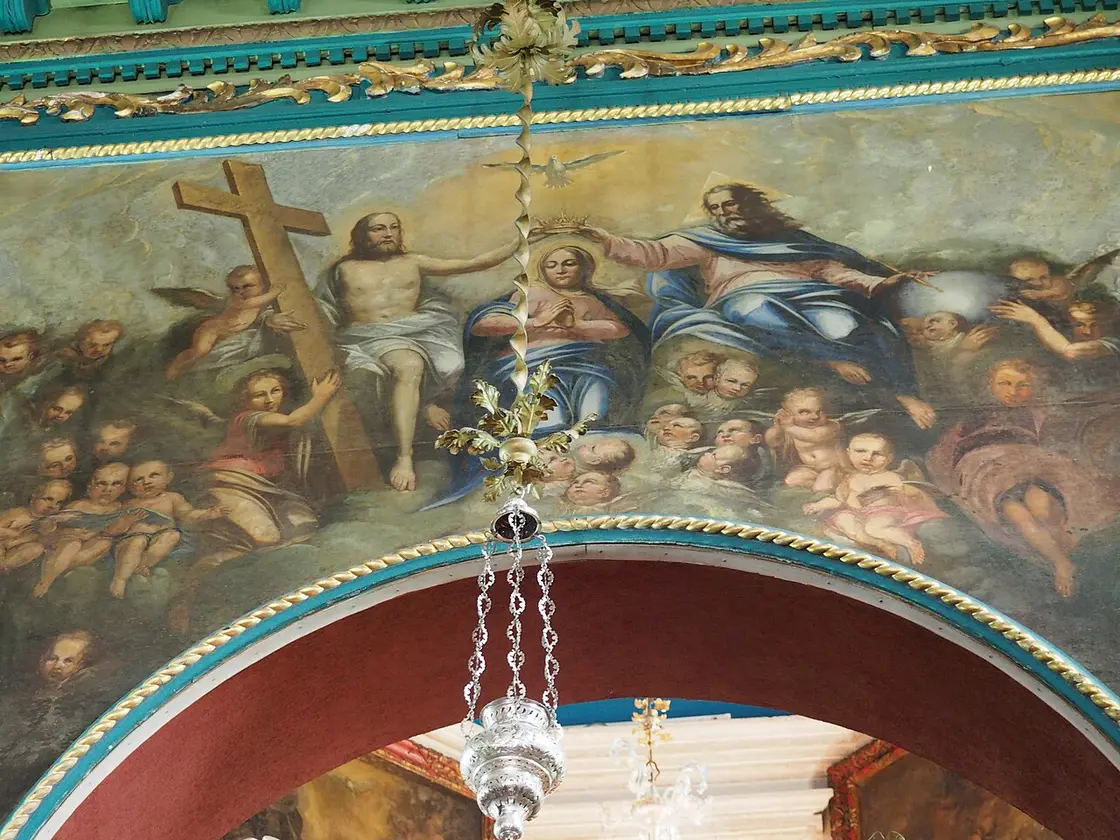
Inside, the blue-domed church is worth the few minutes it takes. Its museum holds 68 paintings by Tripo Kokolja, a Baroque artist born in Perast, along with the original 1452 icon and walls plated with around 2,500 silver votive tablets left by sailors and their families in thanks for safe returns. The ceiling canvas alone, running the length of the nave, justifies the visit.
The living tradition behind all that rock is the Fašinada: every year on 22 July at sunset, a line of decorated boats rows out from the Perast waterfront and drops stones by the island, repeating the same act that built it, one voyage at a time.
Visiting the island. You don’t need a full tour for this. Taxi boats shuttle out from the Perast waterfront in a few minutes; local operators quote roughly 5 euros per person return, usually leaving you 30 to 45 minutes to look around before they come back. Entry to the church and its small museum is a few euros more, paid in cash on the island, and it generally opens from about 9:00 to 18:00 in season. One firm rule: this is a working Catholic church, so swimwear isn’t allowed inside - bring something to cover your shoulders and knees. As always on the coast, treat the prices as a guide and confirm before you pay.
The other island: St George
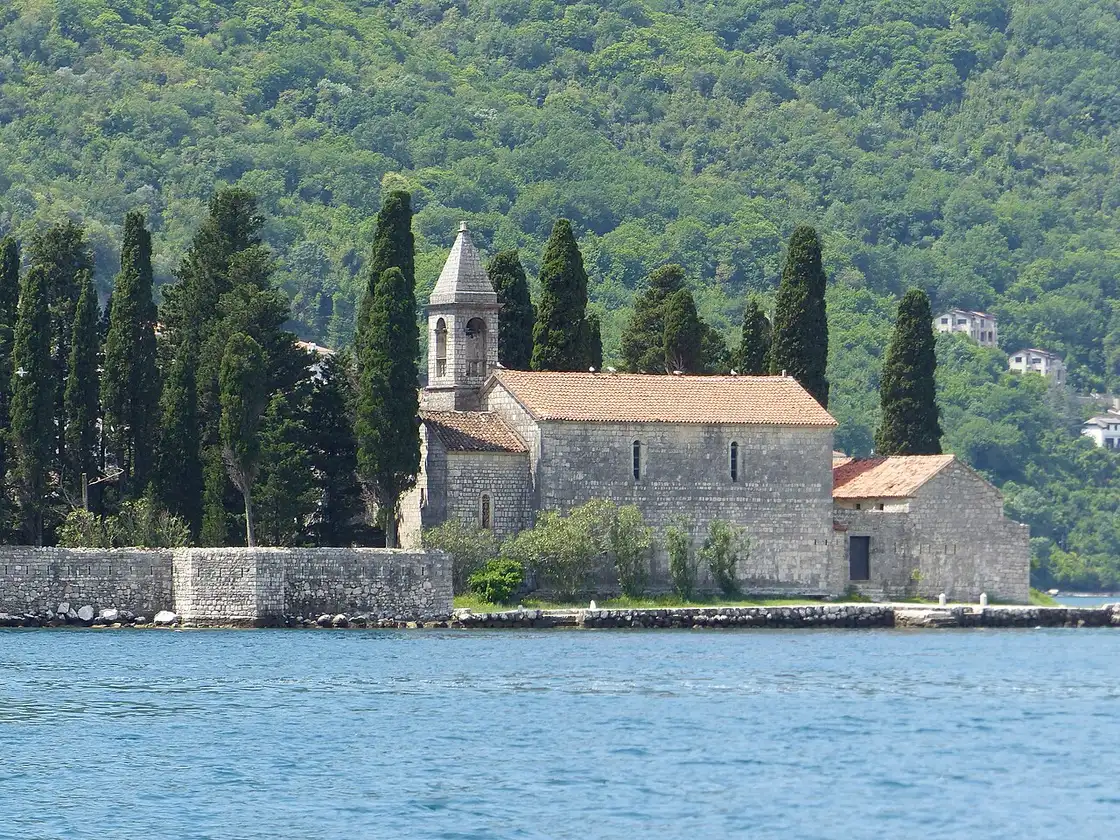
Beside it lies the second islet, St George (Sveti Đorđe), and it is worth knowing the difference before you go. Unlike its neighbour, St George is a natural island, darker and more solemn, planted with cypresses and holding an old Benedictine abbey and the town’s cemetery. It’s arguably the more photogenic of the two, but it’s closed to visitors, so boats circle it rather than land - you admire it from the water or from the bell tower, not on foot.
How to get to Perast
Perast sits about 12 km up the bay from Kotor, on the shore road, and there are three easy ways in.
- By bus. The Blue Line bus runs between Kotor and Perast roughly hourly, takes about 35 minutes and costs around 2 euros, paid in cash to the driver. It drops you on the main road at the edge of town; from there you walk down into the centre.
- By car. Driving is simple, but note that the waterfront is pedestrian - a single narrow road skirts the town and you can’t drive through the middle. Park in one of the paid car parks at the entrances and walk in; the town is small enough that this is no hardship.
- By boat or tour. Many bay boat trips and organised tours stop at Perast, and some include the hop out to Our Lady of the Rocks. If you’re basing yourself on the coast, our guide to getting around Montenegro covers the connections, and the Kotor guide has more on the town most people come from.
Perast also sits right on the classic drive around the bay, so it slots naturally into the Bay of Kotor and coast road trip, between Kotor and the Verige narrows.
Practical tips
A few things worth knowing before you go:
- Currency. Montenegro uses the euro; carry some cash for the taxi boat, the island entry and the bell tower, which are cash-only.
- When to go. The town is busiest at midday in July and August, when the tour groups arrive; early morning, late afternoon and the shoulder months are calmer and cooler. Our best time to visit Montenegro guide has the seasonal picture.
- How long to allow. Half a day covers the town, the bell tower and the island at a relaxed pace; add time if you want lunch on the water.
- Dress for the church. Shoulders and knees covered on the island, and grippy shoes for the tower stairs.
For where Perast fits into a wider trip, see things to do in Montenegro, and pair it with the Bay of Kotor boat tour if you want the Blue Cave and the outer bay as well.
Nearby / read also
Photos
On the map
The map loads on click - to keep the page lightweight.
The map didn’t load. Check your connection and refresh the page.
Distance
- Tivat ≈20 km · ≈35 min
- Budva ≈34 km · ≈50 min
Read also

What to see · 10 min read
Hiking Bobotov Kuk: Durmitor Highest Peak
Verified · September 4, 2026Bobotov Kuk hike at 2,523 m: Sedlo (~10 km RT) vs Lokvice from Black Lake, €5 park fee, cables, season and early-start tips.

What to see · 10 min read
Swimming in the Bay of Kotor: Beaches & Lidos
Updated · August 31, 2026Can you swim in Kotor? Yes - on Dobrota pontoons, Morinj and small Boka shores. Water quality, season and what to expect.

What to see · 11 min read
Rent a Boat in Kotor Bay: No Licence Needed
Updated · September 5, 2026Private boat rental in Kotor Bay 2026: skippered hire from €90/h, bareboat prices, licence rules, speed limits and where boats leave from.

What to see · 9 min read
Piva Lake & Canyon: Montenegro's Emerald North
Updated · August 27, 2026Piva Lake guide: the 45 km emerald reservoir, Mratinje Dam, boat trips from Plužine, the relocated Piva Monastery and how to pair it with Durmitor.