
Kotor to Budva Bus 2026: €3.50-6, 45 Min, Taxi €16-41
Kotor to Budva 2026: bus €3.50-6 in about 45 min, 05:00-23:10; metered taxi €16-41; fixed transfer €71. Bus fares are cash, plus a €1.30 station fee.
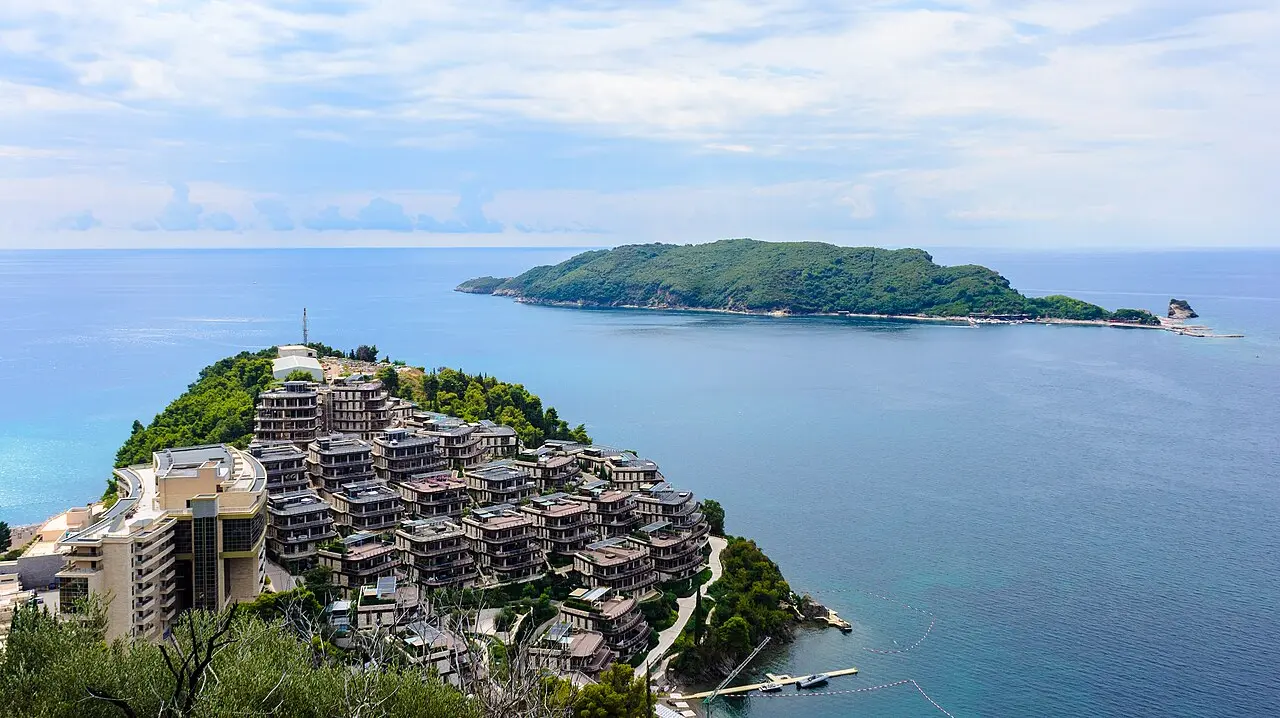
Kotor to Budva is about 22 km by road, and the bus does it in about 45 minutes for €3.50-6 (roughly $4-7 / £3-5), with departures from 05:00 until 23:10 every day in the timetables we checked on 24 September 2026 for the following week (check the day you travel). Buses leave from Kotor bus station in Škaljari, a 400 m walk south of the Sea Gate, and you pay cash at the counter or to the driver, plus the €1.30 station fee at Kotor to get out to the buses. A metered taxi covers the same road in about half an hour, at €16-41 on the legal tariff, and a transfer booked in advance was a fixed €71 for a standard car when we checked. Those are the four ways to make the trip, and here is what each one costs in 2026, how long it really takes and which to pick (bus fares, timetable and station fee checked 25 September 2026, taxi and transfer prices 24 September 2026 - reconfirm before you travel).
The quick answer
| Option | Time | Cost (2026) | Best for |
|---|---|---|---|
| Bus, turn up and go | 40-50 min | €3.50-6 plus €1.30 station fee (~$5-8 / £4-6) | Almost everyone |
| Metered taxi | 30-35 min | €16-41 on the legal tariff (roughly $18-47, about £14-35) | Groups, big bags, late nights |
| Pre-booked transfer | ~35 min | fixed, €71 for a standard car (roughly $81, about £61) | A set price and a driver waiting |
| Your own hire car | ~30 min plus parking | fuel, then €2-5 an hour to park | Touring the coast afterwards |
Currency conversions use the European Central Bank reference rate for 23 September 2026 (€1 = $1.14 = £0.86). Montenegro uses the euro, so euros are what you actually hand over.
The bus wins for almost everyone, and not only on price: it runs often enough that you rarely wait, and it sets you down 12 minutes on foot from Slovenska plaža and 20 from the old town gates while drivers are still circling for a parking space. Take a taxi or a booked transfer if three or four of you are splitting the fare, if you’re hauling suitcases, or if you’re moving after 23:10, when the last bus has gone. Drive only if you already have a hire car and intend to carry on down the coast.
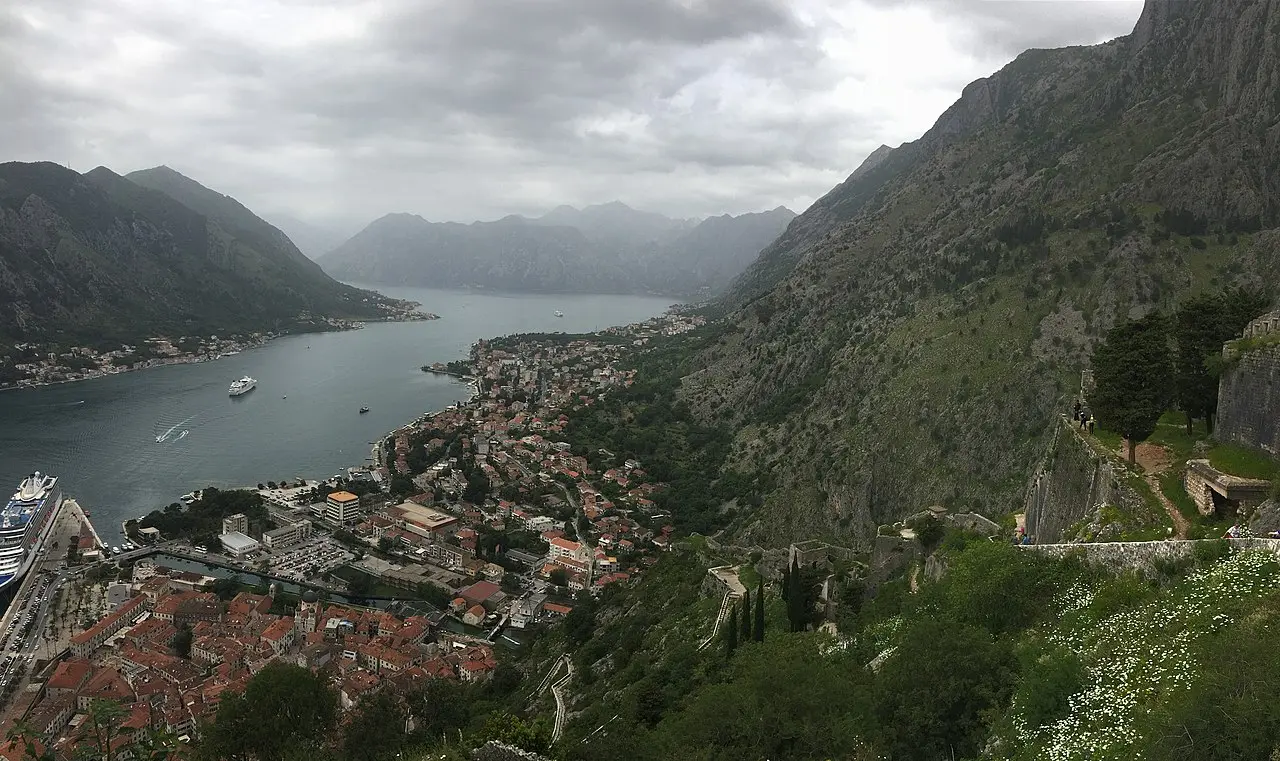
Where the buses leave from
Kotor bus station sits in Škaljari, roughly 400 m south of the Sea Gate, which is five or six minutes on foot even with a wheeled bag. It’s a B-category station with 10 platforms, an air-conditioned waiting room, a left-luggage counter, a cafe and a kiosk, and, handy on a cash route, an ATM inside the hall. The ticket office runs 06:00-20:00 (station operator AD Autoboka, +382 32 325 809), so if you’re catching the 05:00 or a late-evening departure, you’re paying the driver instead.
At the far end, buses pull into Budva bus station, about 1.6 km (a 20-minute walk) from the main gate of the old town and 900 m from Slovenska plaža. Neither end needs a taxi just to reach the bus, which is half the reason this route is so easy.
Option 1: The bus
This is the workhorse of the Montenegrin coast, and it isn’t one company’s line. The national bus-station booking portal lists more than 30 carriers on the Kotor-Budva run, with names like Blue Line, Zejdin, 4 Decembar, Krivokapić, Jadran Ekspres Kotor and Adriatic Travel on the boards. For a 45-minute hop it makes no difference which one you board.
The numbers that matter:
- Fare: €3.50-6 one way, and most departures charge €5 (BusTicket4 search results for 26 and 30 September and 2 October 2026, checked 25 September 2026).
- Station fee: €1.30 at Kotor, paid at the ticket window to reach the platforms (Tivat’s is €1). It’s a Montenegrin quirk and it catches first-timers out; buy online and BusTicket4 charges it with the ticket, plus a €0.35 web fee.
- Journey time: timetables average 44 minutes; allow 50-60 on a July afternoon.
- Distance: about 22 km old town to old town on the direct road. Some services swing round through Tivat’s bus station, which adds about 8 km and makes the ride prettier and slightly slower.
- First and last: 05:00 and 23:10 every day in the timetables we checked on 24 September 2026 for the following week. BusTicket4’s route summary still says 22:00, so check the evening departures for your date.
- Luggage: paid per bag for the hold, in cash to the driver, at a rate each carrier sets.
Can you pay by card? In practice, no. Counters and drivers on this route want cash in euros, and the luggage fee is cash whatever you do. If you’d rather pay by card, buy ahead online through the national bus-station portal, which takes Visa and Mastercard, then show the ticket on your phone - the station fee is already in the online price. The simplest fix is to pull €10 in small notes and coins from the ATM in the waiting room before you queue.
For a route this frequent there’s little point booking ahead: turn up, take the next bus, go. The exception is a peak August weekend, when buying at the counter twenty minutes early saves a scramble for a seat. On board, sit on the right-hand side heading to Budva for the better glimpses of the bay, and keep an ear out for your stop, because several of these coaches are through-services carrying on to Bar or Ulcinj.
Option 2: Taxi or a pre-booked transfer
Kotor’s and Budva’s taxi decisions cap a legal meter at €1 to start and €1.80 a kilometre, with a floor of €0.50 and €0.70, so the 22 km comes to €16-41 on the meter depending on the firm’s rate, and pickup and luggage are free by law. Fixed quotes run well above that: MonteGO riders paid €65-75 between Kotor, its cruise port and Budva in 2026, pickup and luggage included. Either way, agree the fare or confirm the meter is running before you set off. There’s no Uber or Bolt in Montenegro, so your choices are a marked rank car, a dispatch number, or a car booked in advance - and the dispatch number is almost always cheaper than the car idling outside the Sea Gate.
A pre-booked transfer removes the haggling: a fixed price agreed up front, €71 for a standard car on KiwiTaxi when we checked on 24 September 2026 (€75 for comfort class, €104 for a minivan), with the driver waiting rather than found. That’s worth paying for when you’re landing with luggage, travelling as a group that splits the cost, or moving after the buses have finished. It also makes sense when you’re chaining the trip onto an airport run: Tivat airport sits between the two towns, so one car can do TIV to Budva or Kotor to TIV without a change. If you’re flying in, our guides to Tivat airport to Kotor and Podgorica airport to Budva cover that first leg.
Option 3: Driving yourself
By road it’s about a half-hour drive, and two routes matter.
The direct route goes through the Vrmac tunnel, which cuts under the peninsula and is normally the quick way. It’s also a single bottleneck: when it backs up in peak season the queue is long, and Montenegrin outlets periodically announce short-notice maintenance closures of the tunnel, including full stoppages during a morning window. These are announced day by day rather than for the season, so check live traffic before you set off rather than assuming either way. When the tunnel is shut, the Trojica mountain road climbs over the ridge on tight switchbacks: slower and twistier, but it can save twenty minutes or more in a bad jam.
The scenic alternative swings around the bay through Tivat and down the coast. It adds time and trades the tunnel for open water, and it’s the nicer drive if you’re not in a hurry.
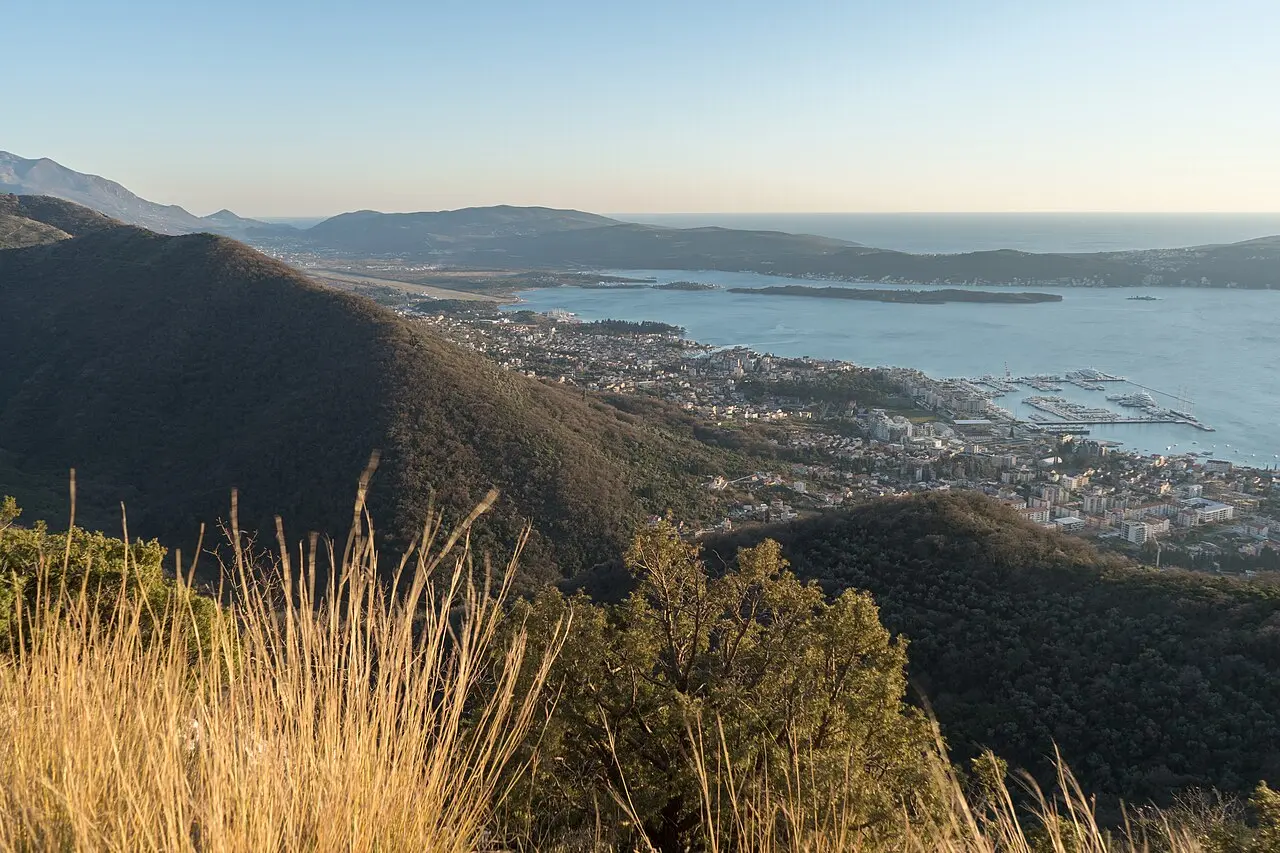
Parking in Budva
This is the part that catches drivers out. Budva’s old town is pedestrian, so you park outside and walk in, and the public car parks near the old town fill by mid-morning in July and August. Expect roughly €2-5 per hour in the central lots (checked August 2026 - reconfirm), with cheaper outer lots a short walk away that are the smarter choice for a full day. Arrive before mid-morning, or skip the circling and take the bus.
When to go, and how long it really takes
The honest answer on timing is that the road, not the distance, decides your day. Out of season the whole trip is an effortless 30-40 minutes by any method. In July and August, and on summer weekends, the coast clogs: the Vrmac tunnel queues, the Budva approach slows to a crawl, and a “30-minute” drive stretches past an hour. The bus sits in the same traffic but spares you the parking hunt at the far end, which is why it usually still wins in peak season.
A few timing tips that make the difference:
- Travel before mid-morning or after the afternoon peak. Late morning is when day-trippers, cruise passengers and beach traffic all overlap.
- Don’t connect tightly. If you have an onward bus, a boat or a dinner booking, leave a buffer. Coastal traffic in summer is unpredictable.
- Heading to the beach for the day? The bus drops you about 12 minutes on foot from Slovenska plaža, so the parking problem never arises.
Doing it in reverse: Budva to Kotor
The return works the same way: the same frequent buses from Budva bus station to Kotor bus station, the same 40-50 minutes and much the same fare (€4-6 on BusTicket4 for 26 and 30 September 2026, with no station fee charged at Budva, only the €0.35 web fee online), and the same two driving routes via the Vrmac tunnel or the coast. The hours differ in this direction: on those dates the first Budva-Kotor bus left at 02:00 and the last at 22:20, so check the evening end for your day. One timing tip: Kotor’s old town and cruise port get busy mid-morning, especially on days when two ships are in, so an earlier bus out of Budva means a calmer arrival. Our Kotor cruise port guide lists which days are busiest.
Which should you choose?
- Two of you, light bags, no rush: the bus. About €6.30 a head on most departures (a €5 fare plus the €1.30 station fee), and no parking to solve.
- A family or a group of four, with suitcases: a metered taxi at up to about €41 comes to roughly €10 a head for four, not far off the bus once the station and bag fees are in, and door to door; a €71 booked transfer costs more but meets you at the door.
- Leaving Kotor after 23:10 or before 05:00: no Kotor-Budva bus runs then. A metered taxi called through a dispatch number should still stay within the legal €41, but late at night the rank may be empty or quote freely, so if both the car and the price need to be certain, book the €71 transfer ahead.
- Continuing to Sveti Stefan, Bar or the mountains: pick up a hire car and treat Kotor-Budva as the first half hour of a longer drive.
Where this fits in your trip
Kotor and Budva are the two anchors of the central coast, and hopping between them is one of the first things most visitors do. For the wider picture of buses, taxis and ferries across the country, see getting around Montenegro; if you’re planning the whole trip without a car, Montenegro without a car shows how far the buses really get you. To plan your time at each end, start with the Kotor guide and the Budva guide. On this route the bus is usually the answer: frequent, cheap, and quicker than fighting for a parking space.
Photos
Read also

Transport · 9 min read
Getting to Durmitor & Žabljak: Bus, Car, Tours
Verified · September 3, 2026Podgorica bus €10-12 (2h15-2h45), Budva €22-25, Kotor €20-23, drive times and KiwiTaxi from €253. Fares checked 3 Sep 2026.

Transport · 10 min read
Montenegro to Albania: Buses, Borders & Day Trips
Verified · August 22, 2026Budva-Tirana buses (~5.5 h), Ulcinj-Shkodër via Sukobin, Božaj/Hani i Hotit, day trips and the ride back, in one place.

Transport · 14 min read
Taxis in Montenegro: Apps, Prices & Scams to Avoid
Updated · September 25, 2026Montenegro taxi fares in August 2026: real municipal price bands in Budva, Kotor and Podgorica, airport surcharges, apps, and scams to avoid.

Transport · 8 min read
Balkan Car Hire: Crossing Borders Without a Refusal
Verified · August 15, 2026A hire car crosses these borders on paperwork, not luck: written permission, a Green Card in some countries and not others, and one country nobody insures.