
Day Trips from Budva: Coast, Lake and Mountains
The best day trips from Budva: Sveti Stefan, Kotor, Cetinje, Lake Skadar, Stari Bar, Ulcinj and Ostrog - real distances, bus or car, and which to pick.
Budva’s best days out run south and inland, not up the bay. From here you’re ten minutes from Sveti Stefan, an hour from Lake Skadar and its wineries, and a bit over an hour from a whole ruined city on a hilltop - while Perast, the bay’s prettiest half-day, is 36 km and the better part of an hour away. If your list is Perast, the Lovćen serpentine and Dubrovnik, base yourself up the bay instead and use our day trips from Kotor; if you want the coast south of the resort, the lake and the mountains behind it, Budva is the better address.
The reason is the bus station. Budva’s terminal at Rozino lists 89 destinations, and the coastal corridor runs all day in season, which makes carless day-tripping genuinely realistic here in a way it is not from a small bay town. The trade-off: everything in the Boka costs you 30 to 60 extra minutes each way compared with sleeping in Kotor. Seven trips are worth your day, and the distances below are real road distances, not straight lines.
Bus, car or tour?
Buses cover the coast and Cetinje. The Kotor run is the workhorse: every 30-60 minutes, 35-50 minutes on the road, about €4-5 one way (checked July 2026 - reconfirm at the counter). Coastal services toward Petrovac, Bar and Ulcinj pass the Sveti Stefan turn-off on the highway above the island. Two quirks catch first-timers: many stations charge a €1 platform token to reach the buses, and a bag in the hold costs €1-2 in cash to the driver. There is no train on this coast.
A car is what unlocks Lovćen, Ostrog, the Skadar back roads and the Crmnica wineries, none of which public transport serves usefully. Budget for the Sozina tunnel toll of €2.50 on the Bar-Podgorica road (checked June 2026) and for parking hassle in Kotor and Budva in August. Our renting a car in Montenegro guide covers the paperwork and the roads.
Organised tours make sense for exactly two of these: Ostrog, because two hours of mountain road each way takes real concentration, and the Lovćen-Cetinje combination, because it saves you the serpentine. For everything else you’re paying for a minibus you didn’t need.
One honest caveat about times. Every figure here’s a traffic-free road estimate; in the last fortnight of July and the first three weeks of August, the coastal road through Budva, Bečići and Rafailovići can add half an hour to a short hop. Leave early, come back late, and treat any midday plan on the coast road as optimistic.
Sveti Stefan and the riviera villages (10 km)
The half-day everyone does, and the one that needs least planning. Sveti Stefan is the fortified islet on every Montenegro postcard, about 10 km down the coast; the island itself is the Aman hotel and closed to non-guests (it reopened on 1 July 2026), so the visit is the view, the park and the beaches. Sveti Stefan Beach and King’s Beach are public, while Queen’s Beach is reserved for hotel guests.
The good way in is on foot. A coastal path runs from Pržno through Miločer Park - 32 hectares of pines, cedars and around 800 olive trees around the old royal villa - and delivers you to the causeway with the island appearing between the trees. Take the bus or a taxi to Pržno, walk the park, swim, eat at a village konoba, walk back. Full detail in our Sveti Stefan guide. Carry on 8 km south and you’re in Petrovac - the same bus turns a half-day into a full one.
Kotor and the bay (22 km)
The classic full day from Budva. Kotor is 22 km over the hill, 30 to 40 minutes by bus or car, and it earns the whole day: the walled UNESCO old town, the city walls climb (about 1,350 steps, €15 per adult, children under 12 free) and lunch somewhere in the lanes. Our Kotor city guide covers the town, and where to eat in Kotor has our vetted addresses.
Two additions people try to bolt on, and the honest verdict on each. Perast is 36 km from Budva - not the 12 km hop it’s from Kotor - so folding it in means a rushed old town and a late return; do it only if you leave by 08:30 or take a bay boat tour that includes the island church. And the Kotor-Lovćen cable car (€25 return, about 11 minutes) is tempting from here, but its top station sits near Ivanova Korita rather than at the mausoleum, so it works as a viewpoint trip, not as transport to Njegoš’s tomb.
Cetinje and Lovćen (30 and 45 km)
The best inland day, and a complete change of air. Cetinje, 30 km and about 45 minutes inland, is the old royal capital: a low, walkable town of former embassies, the monastery, and the National Museum spread across several historic buildings. Buses run there from Budva through the day.
From Cetinje it is another 15 km up to the Njegoš Mausoleum on Lovćen, where a tunnel and 461 steps climb to the tomb at 1,657 m and a terrace that looks over half the country. Budget roughly €10-11 per adult - about €3 national park entry plus around €8 for the mausoleum ticket, cash, and confirm the current rates on the day. This half is car-or-tour territory. Coming from Budva you approach on the wider Cetinje road rather than the Kotor serpentine, which is a quiet advantage of this base: the famous 25 hairpins are spectacular but stressful, and you can skip them entirely. Our Lovćen National Park guide has the practicalities, and the Cetinje guide the museums.
Lake Skadar and the Crmnica wineries (43 km)
An hour inland through the mountains sits Virpazar, the little harbour village that’s the gateway to the largest lake in the Balkans. Skippers here run everything from a two-hour loop to a half-day out to the island monasteries and bird zones; as a 2026 guide, a shared group cruise runs about €15 per person, a small-group trip around €25, and a private boat roughly €50-60 an hour. Agree the route and the price before you cast off, and ask whether there’s a swim stop.
Don’t stop at the boat - the part most day-trippers miss is what happens after. The hills behind Virpazar are Crmnica, Montenegro’s oldest wine country and the home of Vranac, and family cellars around Virpazar, Godinje and Limljani pour tastings with smoked carp, pršut and cheese. That’s the best-value day in this whole list: a morning on the water and an afternoon in a cellar - as long as one of you stays off the wine - you won’t find a bus back after the afternoon. See our Lake Skadar guide for the boats and the viewpoints.
Stari Bar and the Old Olive (44 km)
The sight that gets skipped, and the one I’d send a second-time visitor to. Stari Bar sits 3 km inland from the modern port town, an entire ruined city on a rock: fortress walls, roofless churches, Ottoman remains and an aqueduct, explored as an open-air site rather than a museum. Below the gate is a lane of cafés and souvenir stalls that feels nothing like the coast.
A few kilometres away at Mirovica stands the Old Olive Tree, over 2,000 years old and one of the oldest living trees in Europe. Together they make a comfortable half-day, and the drive is about 44 km. Note the times: the coast road through Petrovac and Sutomore is slow and twisty, so don’t trust the 40 minutes the distance suggests - allow over an hour each way. Our Bar guide covers the port, the palace and the mountain railway.
Ulcinj, Velika Plaža and Ada Bojana (66 km)
The southern end of the country, and a different Montenegro: an Ottoman-flavoured old town on a bluff, an Albanian-speaking majority, and Velika Plaža - about 13 km of open sand, the longest beach on the Adriatic. Beyond it, the river island of Ada Bojana sits where the Bojana meets the sea on the Albanian border, known for kitesurfing, naturist beaches and wooden fish restaurants on stilts.
This is a genuine full day: about 66 km to Ulcinj, over 80 km to Ada Bojana, and an hour and a half of driving each way before traffic. Go if you want sand and a change of atmosphere; skip it if you’ve only got three days on the coast. The Ulcinj guide has the beaches and the salt-pan flamingos.
Ostrog Monastery (103 km)
The long one. Ostrog is a whitewashed monastery built directly into a vertical cliff, the most important pilgrimage site in Montenegro, and it’s 103 km and just over two hours from Budva each way. Entry is free, the dress code is modest (shoulders and knees covered), and the complex splits into a lower monastery and the famous upper one 3 km above it, with pilgrims walking - some barefoot - between the two.
Do it as a dawn start or on an organised tour, and understand what you’re trading: four and a half hours in a vehicle for an hour and a half at the cliff. It is worth it once. Our Ostrog guide has the road, the dress code and the crowds.
What not to try from Budva
Dubrovnik. It’s 91 km, about two hours of driving, plus a border crossing that can swallow another hour in season. That’s a five-hour round trip on a good day. From Budva it’s a bad day out; from Kotor or Herceg Novi it’s merely a long one.
Durmitor and the Tara Canyon. Three hours each way into the northern mountains. Beautiful, and completely wrong as a day trip - give it an overnight in Žabljak instead.
Two big sights in one day. Kotor plus Perast, or Skadar plus Ostrog, look fine on a map and feel awful in a car in August. One anchor per day, plus whatever is on the way.
Which day trip should you choose?
One free day: Kotor, no question - the biggest sight within easy reach, and the bus makes it painless.
Two days: Kotor and a Sveti Stefan half-day paired with a riviera village lunch.
Three or more: add Lake Skadar for the boat-and-wine day, or Cetinje with Lovćen if the weather is clear - a grey day on the mountain wastes the drive.
Second visit, or you have seen the postcards: Stari Bar and the old olive, then push on to Ulcinj if the beach is calling.
Travelling without a car: Kotor, Sveti Stefan, Cetinje and Bar are all reachable by bus. Skadar, Lovćen and Ostrog effectively aren’t - take a tour for those.
The summary card above shows the longest trip on the list (Ostrog) and a “from” figure that covers a bus day, not a tour. Montenegro uses the euro; carry cash for bus tickets, the platform token, boat fares and cellar tastings. For the resort itself - beaches, old town, nightlife - start with the Budva city guide and our Budva beaches rundown, and for the wider transport picture see getting around Montenegro.
Route day by day
- Days on the road
- 1
- Distance
- ≈103 km
- Budget from
- 10 EUR
- Best season
- May, June, July, August, September, October
The route at a glance
-
Sveti Stefan & the riviera villages
Route startstop ≈240 min
The postcard islet 10 km down the coast, plus Pržno and Miločer Park. Coastal buses pass the turn-off; the walk through the park is the good way in.
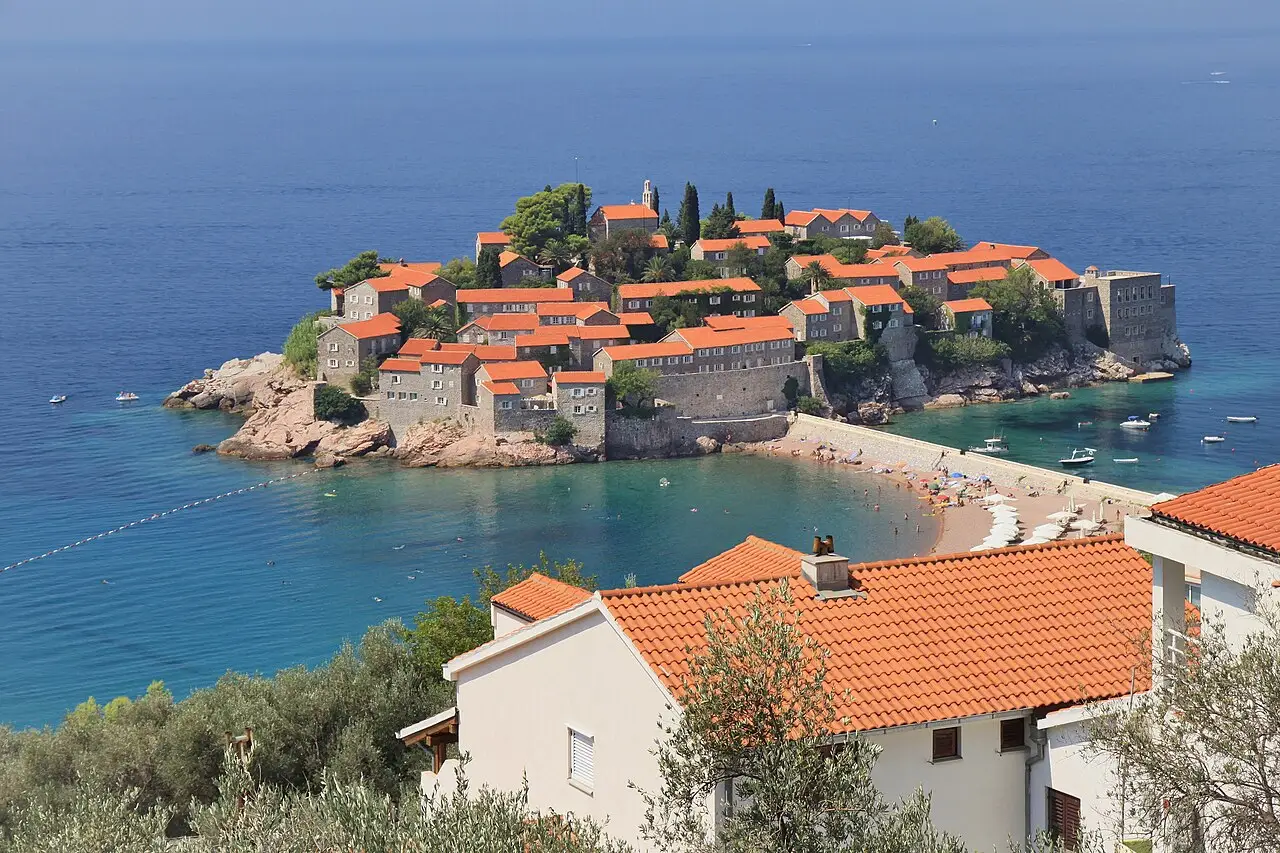
Photo: Marcin Konsek / Wikimedia Commons, CC BY-SA 4.0 ( source) -
Kotor & the Bay
22 km from the startstop ≈360 min
The walled UNESCO town over the hill, 30-40 minutes by bus with departures every 30-60 minutes. Add Perast only if you start early.
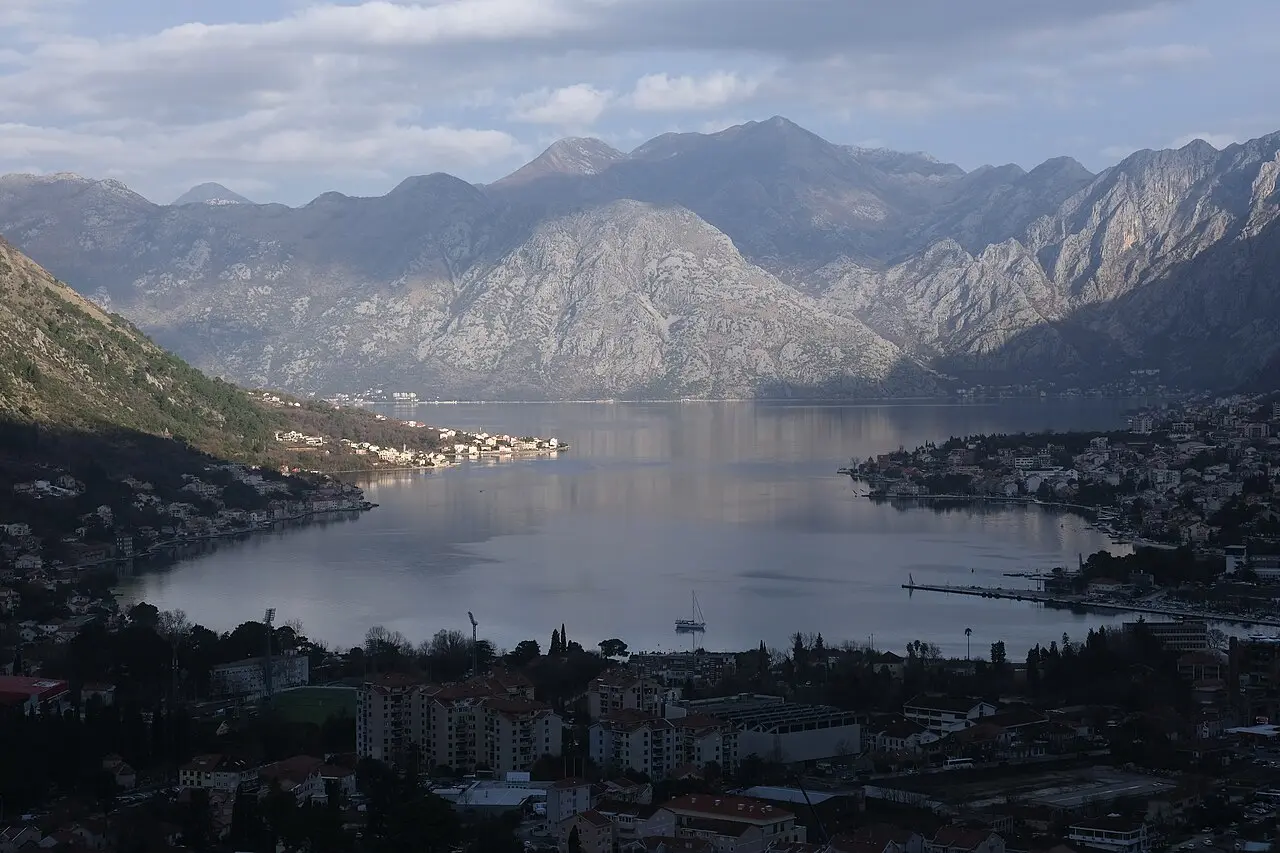
Photo: kallerna / Wikimedia Commons, CC BY-SA 4.0 ( source) -
Cetinje & Lovćen
30 km from the startstop ≈360 min
The old royal capital 30 km inland, with the Njegoš Mausoleum another 15 km up the mountain. Buses reach Cetinje; the mausoleum needs a car or a tour.
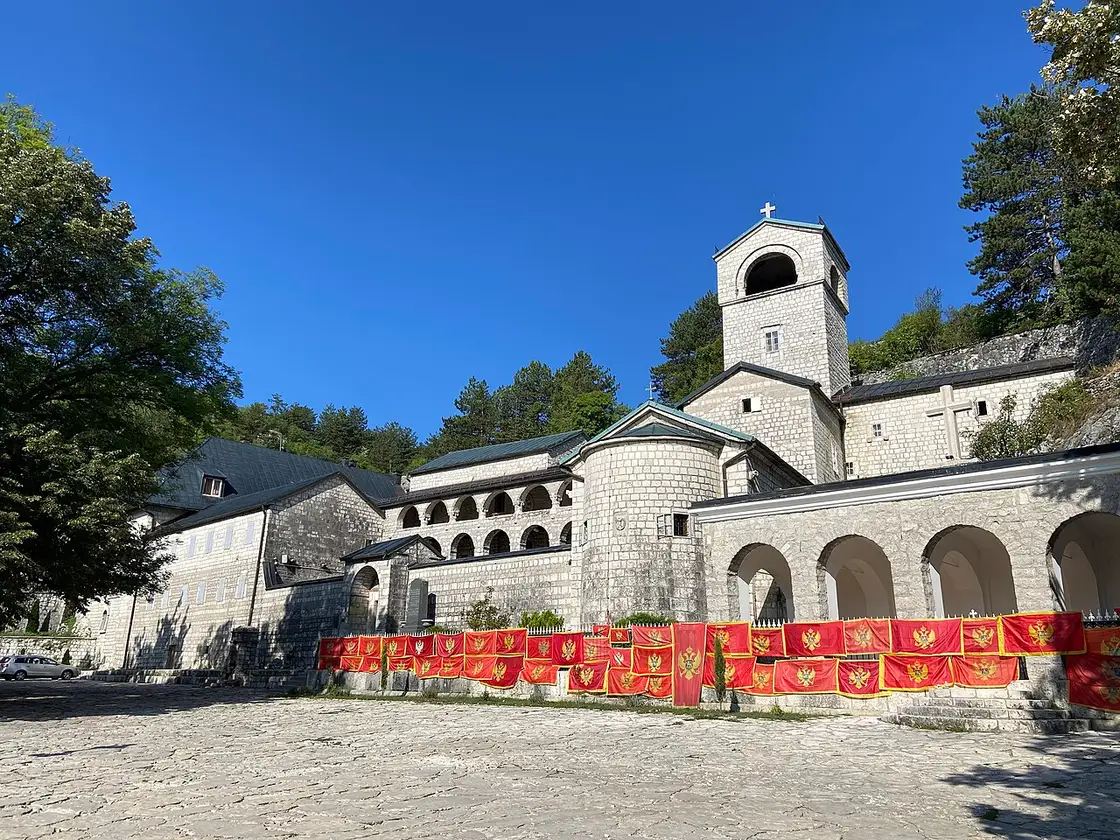
Photo: Desemeus / Wikimedia Commons, CC BY-SA 4.0 ( source) -
Lake Skadar (Virpazar)
43 km from the startstop ≈360 min
Boat trips among the water lilies and pelicans, plus the Crmnica wineries on the hills above. About an hour by car through the mountains.
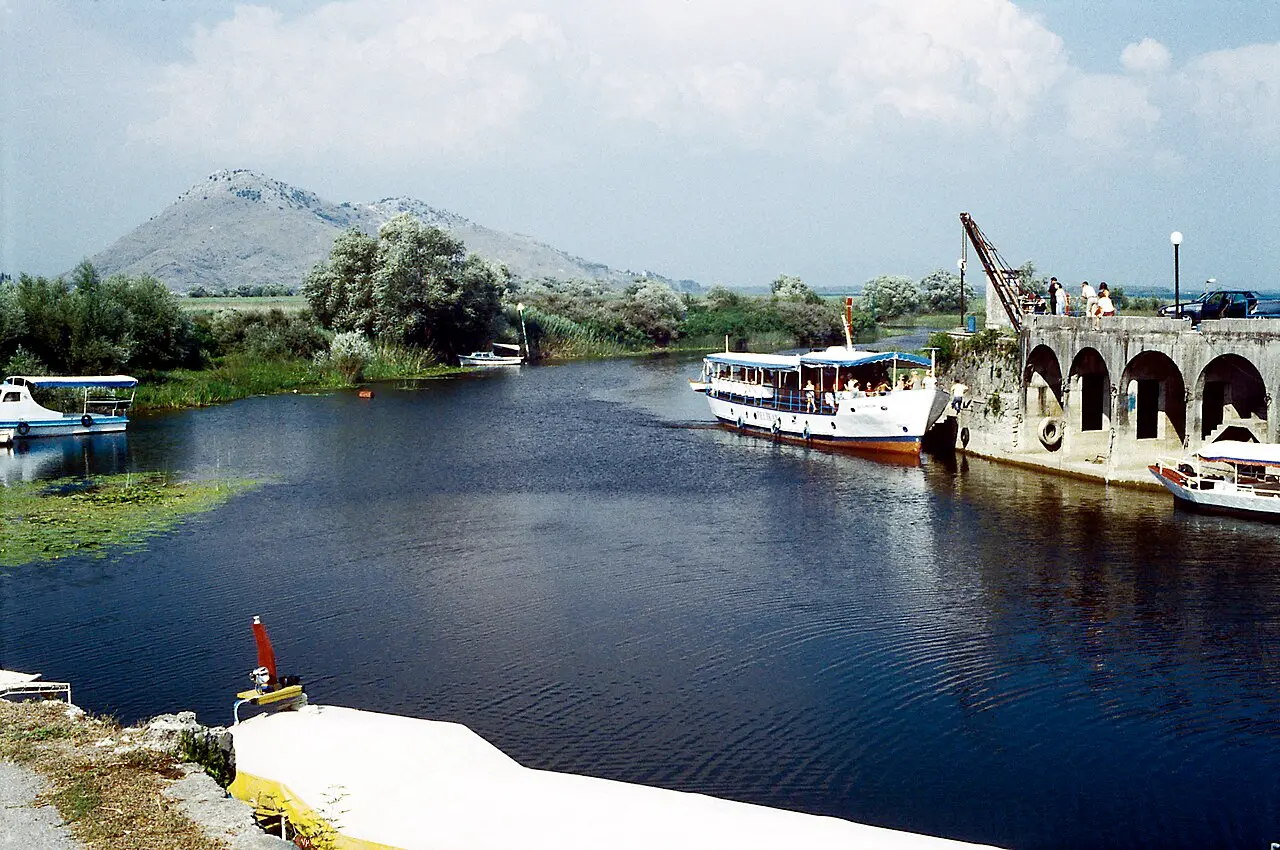
Photo: Falk2 / Wikimedia Commons, CC BY-SA 4.0 ( source) -
Stari Bar & the Old Olive
44 km from the startstop ≈240 min
A whole ruined city on a rock above modern Bar, with a 2,000-year-old olive tree nearby. The quietest of the big sights and rarely crowded.
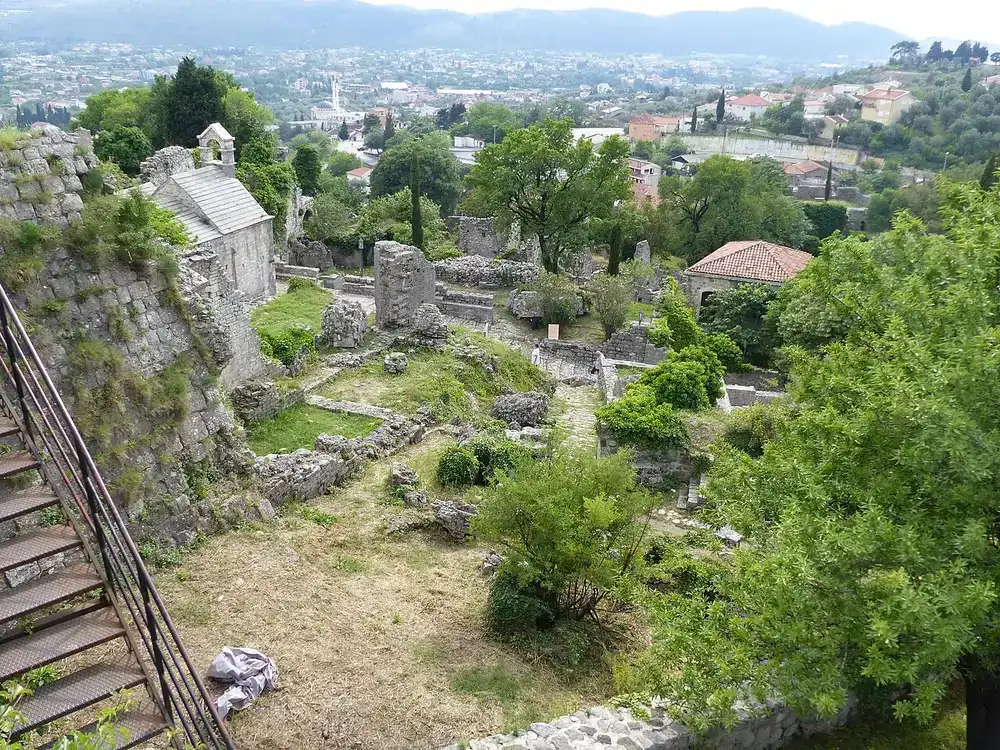
Photo: Wolfgang Sauber / Wikimedia Commons, CC BY-SA 4.0 ( source) -
Ulcinj, Velika Plaža & Ada Bojana
66 km from the startstop ≈420 min
Twelve kilometres of sand, a fortress old town and a river island on the Albanian border. A full day, and the drive is longer than the map suggests.
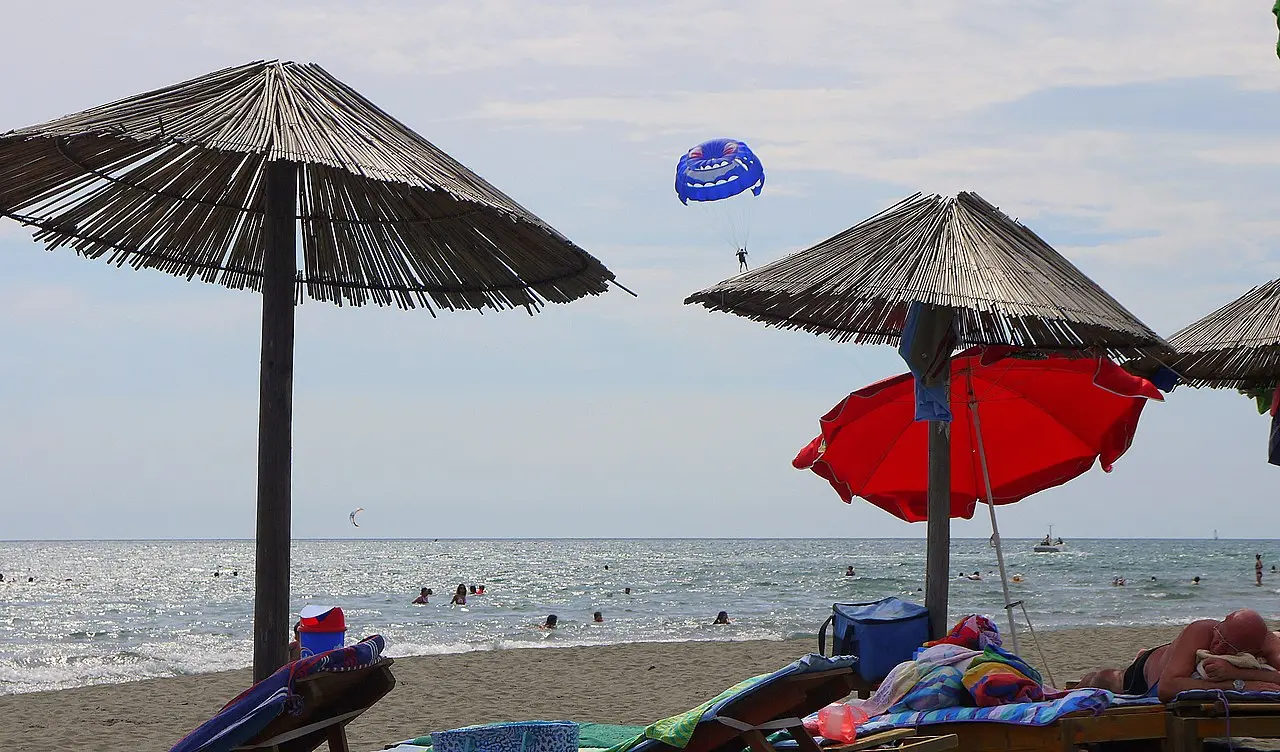
Photo: krysi@ / Wikimedia Commons, CC BY 3.0 ( source) -
Ostrog Monastery
103 km from the startstop ≈180 min
A white monastery built into a cliff, the country's great pilgrimage site. Just over two hours each way, so this is a dawn start or an organised tour.
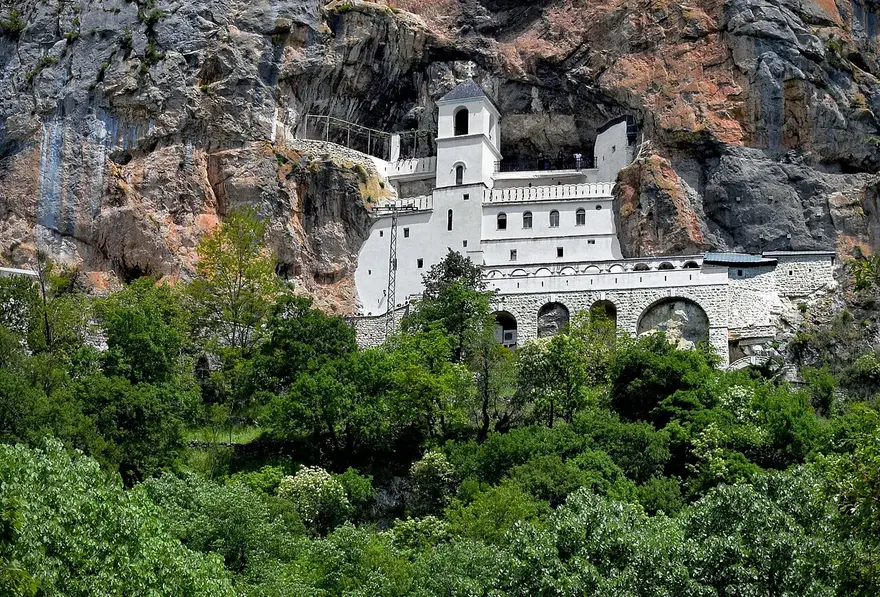
Photo: Jocelyn Erskine-Kellie / Wikimedia Commons, CC BY-SA 4.0 ( source)
Route map
The map with stops loads on click - to keep the page lightweight.
The map didn’t load. Check your connection and refresh the page.