
Where to Eat in Kotor: Best Restaurants & Konobas
Where to eat in Kotor: which Old Town konobas are worth it, why Dobrota beats the squares on value, what to order and how to dodge the cruise crowd.
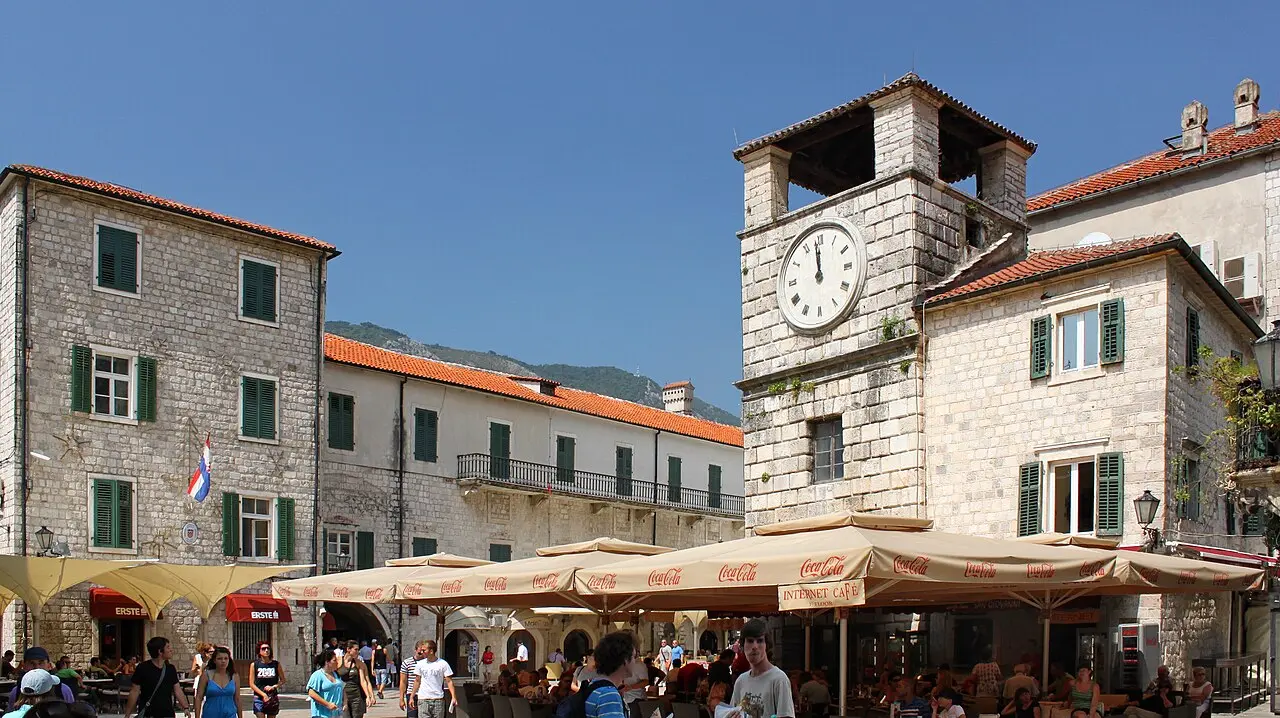
Eat inside the walls for the setting, and step out of the gate - ten minutes on foot to Škaljari, a few kilometres up the shore to Dobrota - when you want the same bay seafood without the mark-up. That’s the whole trick in Kotor: the town is small, the good kitchens are not all in the squares, and the single biggest factor in whether your lunch is pleasant has nothing to do with the menu. It’s what time the cruise ships leave.
Kotor takes 07:00 arrivals and 16:00-19:00 departures through the season, and on a busy summer day three or four ships share the bay. Between roughly 09:00 and 16:00 every lane inside the walls is a queue, and the restaurants on the main squares switch into a mode they are not proud of: fixed group sittings, a shortened menu, service that has thirty covers waiting behind you. Show up at 13:30 instead of 12:30 and you are eating after the tour groups have been fed. Show up at 19:30 and the town belongs to residents and overnight guests again. Our Kotor cruise port guide has the full timing picture if you want to plan a day around it.
How the town is laid out for eating
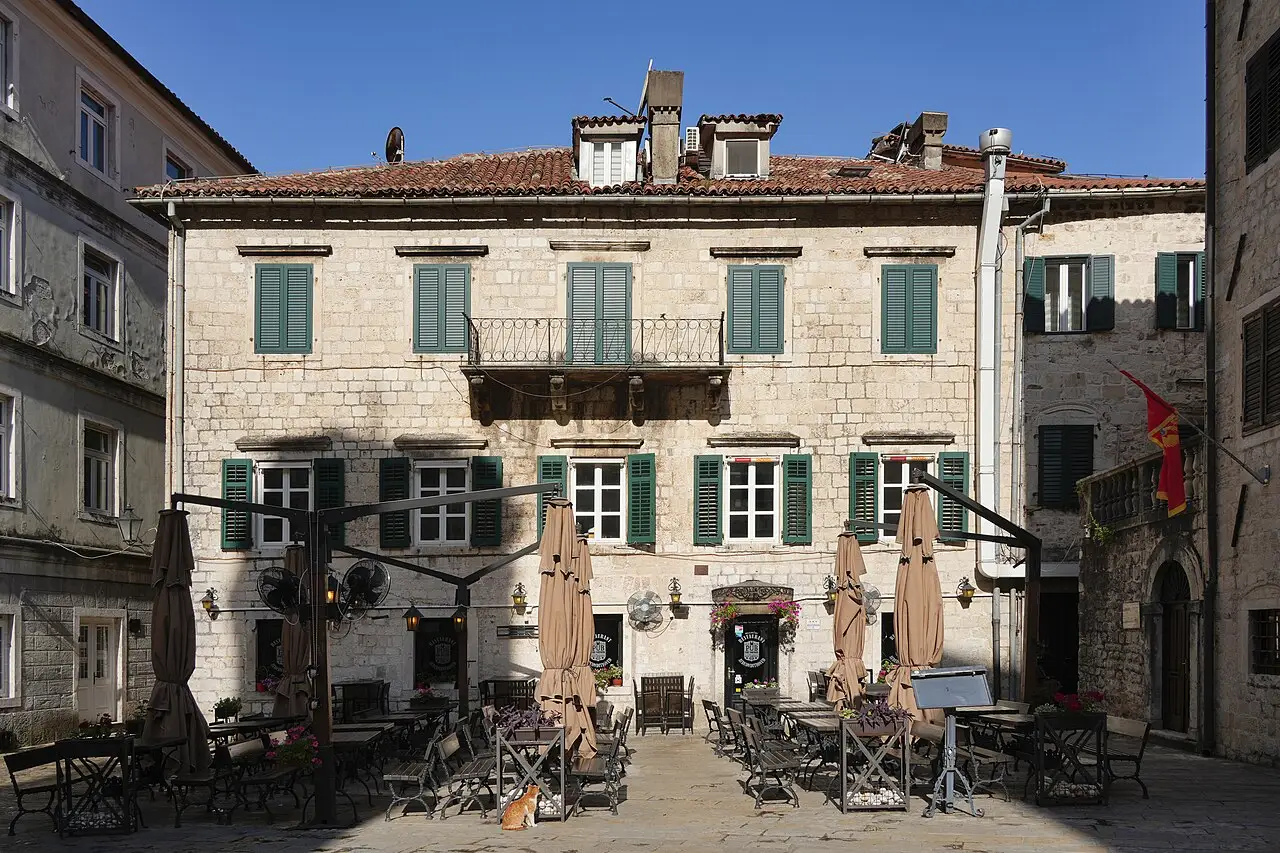
Kotor’s Old Town is a knot of squares linked by lanes, and each square has a name from the trade that once happened on it: Trg od Oružja (Square of Arms, the big one with the 1602 clock tower where you come in through the Sea Gate), Trg od Brašna (Flour Square), Trg od Salate (Salad Square). The squares carry the terraces with the view of the walls; the lanes behind them carry the smaller family places. Price tracks the square, not the cooking.
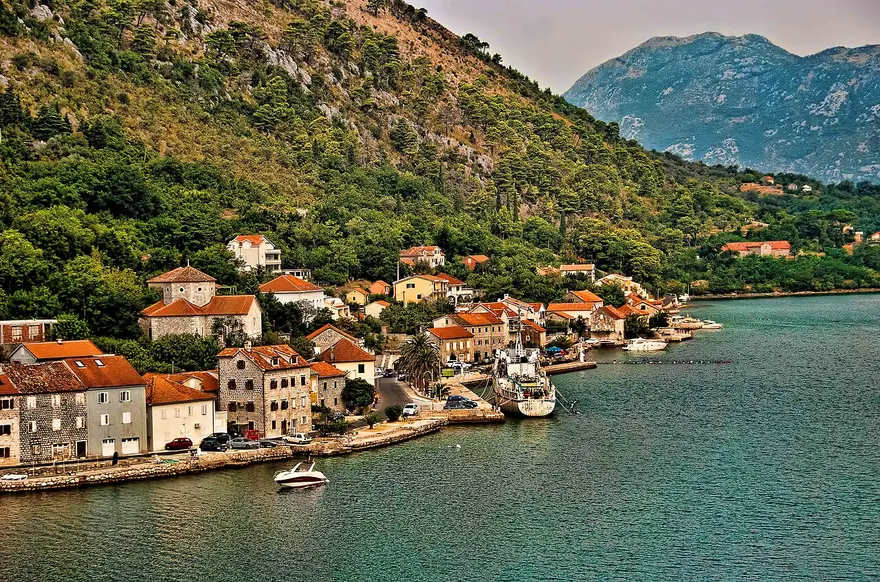
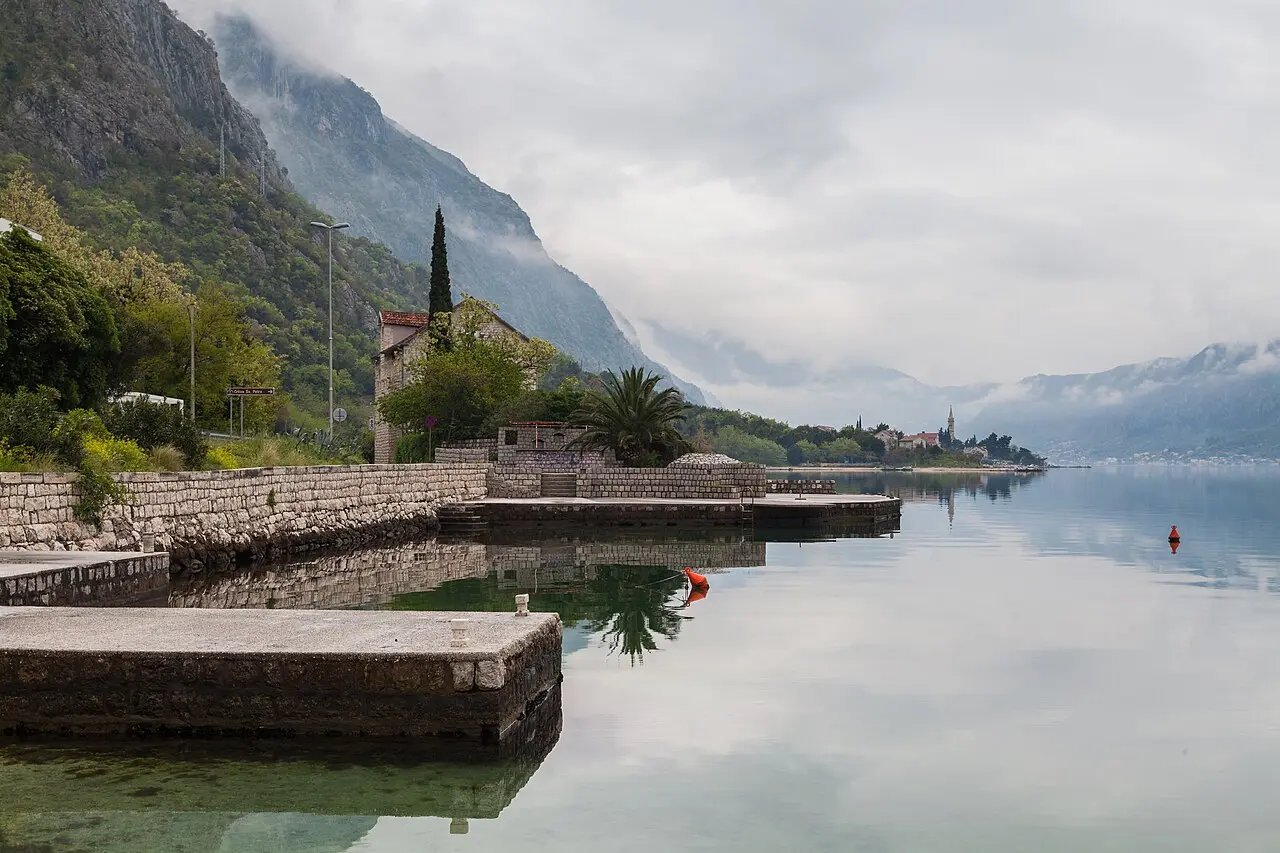
Then there’s everything outside the walls, which is where locals actually eat. Škaljari starts a few hundred metres south of the gate, close enough to walk in ten minutes. Dobrota runs north along the shore, a long strip of stone houses and waterside terraces where the konobas worth the trip sit 2 to 3.5 km out - seven minutes by car, half an hour or so on foot along the water. Muo and Prčanj face them from the opposite shore. Keep going north and you reach Ljuta, 7.4 km out, and eventually Morinj, 24 km around the bay, where two of the region’s best-known restaurants sit in converted watermills.
One habit worth adopting: fish here’s sold by weight, not by portion. The waiter brings the catch to the table, you pick, they weigh it. Ask the price per kilo and the likely weight of the fish you’re pointing at before it goes on the grill. That’s not a scam-warning, it’s just how the Adriatic works - but a “cheap” fish supper doubles if you skip the question.
Inside the walls
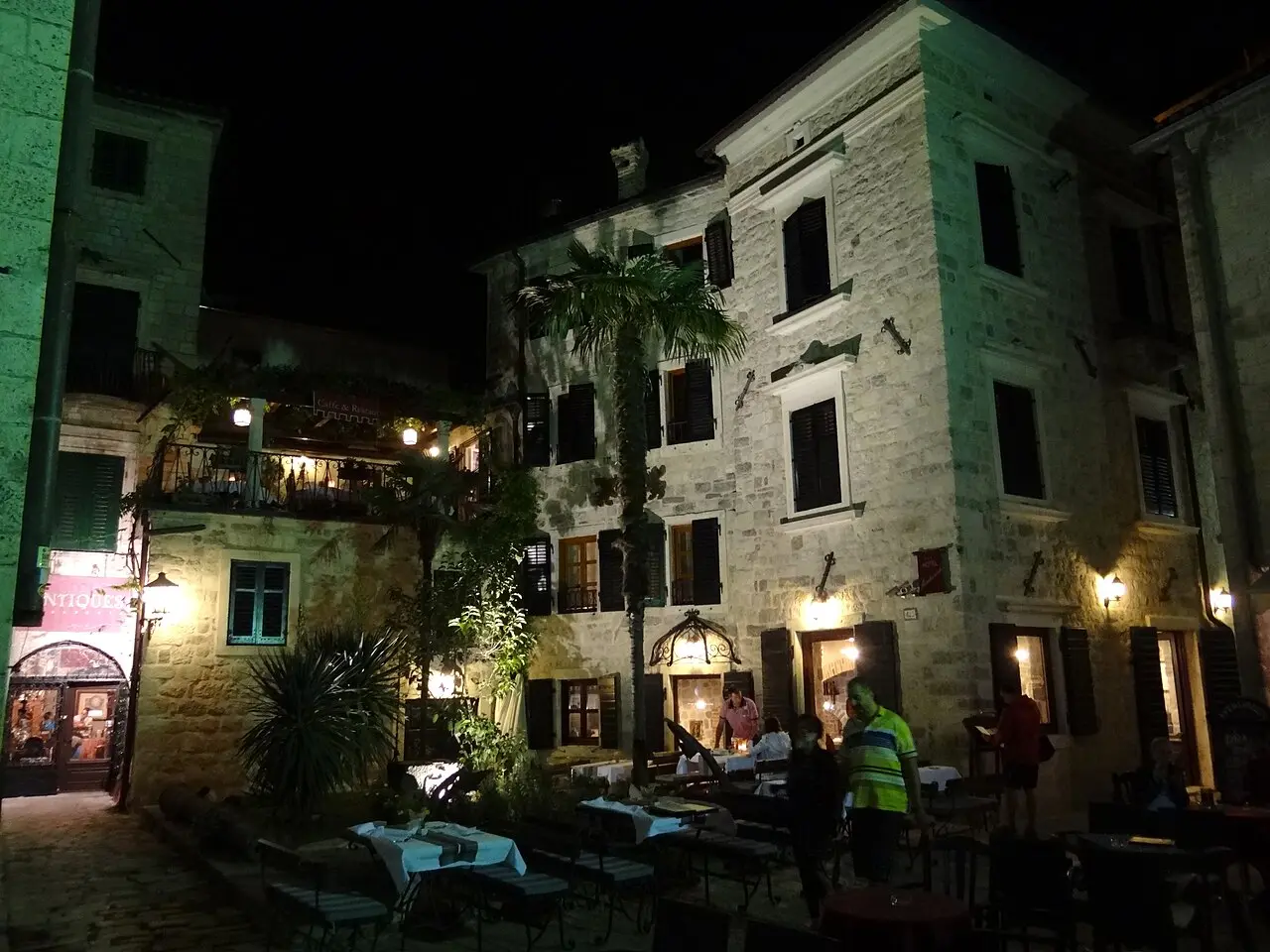
Konoba Scala Santa on Salad Square is the Old Town fish konoba we send people to: grilled squid and octopus, mussels, a well-known fish soup, black risotto, in a stone room that has been feeding the square for decades. It’s mid-priced for Kotor, which still means Old Town prices, and it fills at peak dinner hours - come early or late. Hours are roughly 10:00-23:00 daily, but that’s our own check from June 2026 rather than a published timetable, so confirm on the spot.
Restaurant Galion is technically outside the walls, on the waterfront at Šuranj by the marina, and it’s the town’s special-occasion address. Open every day 12:00-23:00, with the kitchen serving until 22:45; the terrace looks straight across at the ramparts, the wine list runs to over a hundred labels, and you should book (book@galion.me or +382 67 263 420) if you want that terrace in August. This is the one meal in Kotor worth dressing for. It’s also the one where the bill will make an impression - the site publishes no prices, so ask when you reserve.
For coffee, CAVE Coffee Specialty on the waterfront square by the Kamelija centre is the standard-setter: freshly roasted arabica, proper flat whites, a terrace for people-watching. Our check has it open Mon-Sat 08:00-20:00 and Sun 08:00-18:00. Note that “coffee” in Montenegro is a two-hour social event, not a paper cup to walk with; nobody will hurry you off the chair.
Out of the gate: Škaljari and Dobrota
If you take one piece of advice from this page, take this one. Leaving the walls changes the bill more than choosing a cheaper dish does, and you don’t have to go far.
Ladovina is the short version: a kitchen and wine bar on Njegoševa in Škaljari, barely 500 metres from the Old Town and an easy ten-minute walk, open 08:00-23:00 daily, with its own wine and deli shop attached. It does a proper sit-down breakfast rather than a bakery grab, which makes it a reliable, non-touristy start if you’re tired of the €2 pekara routine; a 2023 guest review on its site puts a coffee and a croissant around €3 and eggs about €6, but the posted menu is images without prices, so confirm when you sit down. The kitchen is known locally for octopus and tuna.
Konoba Portun is the longer version and the one for a proper fish lunch: Dobrota 168, 3.4 km north along the shore road, so a half-hour walk with the bay beside you or a short taxi. Fish-and-wine konoba, terrace over the water, open 09:00 to midnight every day, reservations on +382 68 086 101. Black risotto, mussels, whatever came in that morning, and around €20 for a fish dinner with a glass of wine - and no cruise group has ever walked that far.
The mill restaurants up the bay
Two places out of town are worth the drive, and they’re the meals people remember from a Boka trip.
Stari Mlini sits at Ljuta, 7.4 km from the Old Town (about thirteen minutes by car), where the short, cold Ljuta river runs out into the bay through an old watermill. The family has run it for over forty years; you can arrive by road or tie up a boat. They take reservations at reservations@starimlini.com and +382 32 333 555 - do that, because they publish no opening hours online and the place is well known enough to fill.
Konoba Ćatovića Mlini is the bigger name and the longer trip: Polje bb in Morinj, about 24 km around the bay towards Herceg Novi, roughly 38 minutes by car. Also a converted mill complex, also built around water, with tables among the streams and its own trout. Their pages give working hours as 12:00-22:30, though one page on the same site says 21:30, so call +382 32 373 030 rather than guess.
Which of the two? Stari Mlini if you want the classic Boka fish lunch and a short drive back; Ćatovića Mlini if you’re making the meal itself the outing, ideally combined with Perast or the outer bay. Neither is a budget night out, and neither is somewhere to turn up at 21:00 in August without a phone call.
Eating cheaply, which is easy here
The Balkan grill is the great equaliser. BBQ Tanjga is Kotor’s cult version, 300 metres from the walls on the main road - enormous plates of grilled meat, no printed menu to speak of, and cash only, so hit an ATM first; we couldn’t find first-party opening hours, so treat “daytime into the evening” as the plan and confirm when you walk past. A grill plate of ćevapi anywhere in town lands around €5-6, a bakery burek around €2 and a coffee about €2, the same anchors we use in our Montenegro trip cost breakdown.
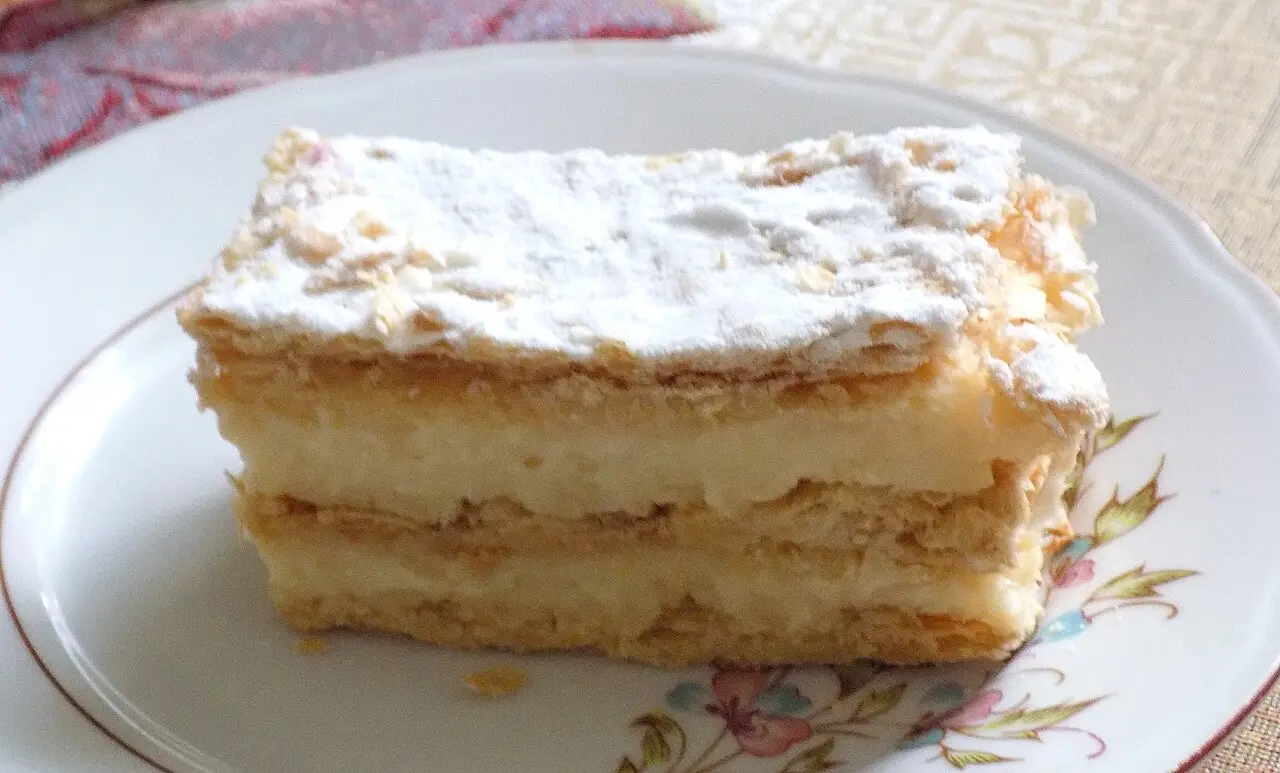
The other cheap pleasure is the local cake. Kotorska pašta, also sold as kotorska krempita, is the town’s own custard slice: three crisp pastry crusts instead of the usual two, a filling of milk, eggs, flour and vanilla, cooled, cut into squares and buried in icing sugar. It’s a Boka thing rather than a national one, there’s a festival for it in town, and most visitors walk past it without knowing what it is.
What to order
Order the bay before you order the sea. Mussels and oysters are farmed on ropes in the water between Dobrota and Perast, which means the shellfish on your table travelled a few kilometres, not a few hundred. Mušule na buzaru - mussels in white wine, garlic, olive oil and parsley, red version with tomato - is the single best-value plate on most menus here, and it comes with bread for the sauce, which is the point. Crni rižot, black risotto stained with cuttlefish ink, is the other coastal staple. Grilled squid is the honest test of a kitchen: three ingredients, nowhere to hide.
From the mountains directly above the bay come Njeguški pršut, the smoked ham from the village of Njeguši on the Lovćen road, and the sharp local cheese that goes with it - a plate of both plus olives and bread is the standard opener. Drink Vranac if you want red, Krstač if you want white; both are Montenegrin, both cost a fraction of the imported list. Our Montenegrin food and wine guide explains the whole table, and 15 traditional dishes decodes the menu name by name.
So where should you eat?
One night in town? Book Galion for the terrace, or Scala Santa if you would rather have a konoba than a view.
Three or four nights? Do one Old Town dinner after 19:30, one long lunch at Portun out in Dobrota, and one afternoon at Stari Mlini. That covers the setting, the value and the memorable one.
Travelling on a budget? Bakery breakfast, a grill plate at Tanjga for the main meal, mussels and a glass of Vranac when you want to feel like you’re on the coast. You’ll eat well under €20 a day.
Arriving on a ship? Skip the squares between 11:00 and 14:00 entirely. Walk ten minutes to Ladovina in Škaljari, or eat at 13:30 in the lanes behind Flour Square.
Two last practicalities. Montenegro uses the euro, cards are normal in sit-down restaurants but bakeries, market stalls and Tanjga want cash. And in July and August, anywhere with a terrace over the water needs a same-day phone call - few Kotor venues take online bookings, and the good tables go to whoever asked first.
For the town itself - the walls, the lanes, when to visit - start with the Kotor city guide; if you’re choosing a base, where to stay in Kotor breaks down the Old Town against Dobrota and Muo. Heading down the coast afterwards, our Budva restaurant guide does the same job for the resort, and day trips from Kotor covers the days out that end with a fish lunch somewhere else on the bay.
Read also

Food · 9 min read
Where to Eat in Tivat: Porto Montenegro & Konobas
Verified · September 5, 2026Where to eat in Tivat: Porto Montenegro marina tables, Kalimanj konobas, and Luštica Italian menus with prices from restaurant sources.

Food · 9 min read
Best Restaurants in Herceg Novi: Riviera Dining
Verified · September 3, 2026Where to eat in Herceg Novi: Old Town konobas, Pet Danica seafood, Meljine marina and Žanjice beach tables - our shortlist, checked Sep 2026.

Food · 8 min read
Where to Eat in Ulcinj: Seafood on the Bojana
Verified · August 25, 2026Where to eat in Ulcinj: Bojana stilt fish houses, Old Town konobas, what to order (eel, black risotto) and how prices work on the southern coast.

Food · 8 min read
Best Restaurants in Podgorica: Where Locals Eat
Verified · August 11, 2026Named Podgorica restaurants locals actually use: Stara Varoš grills, central konobas, Capital Plaza evenings and lake fish at Plavnica - with addresses.