
Montenegro Sea Temperature by Month: When to Swim
Montenegro sea temperature month by month: when the Adriatic is warm enough to swim, where the water runs colder, and how late the season lasts.
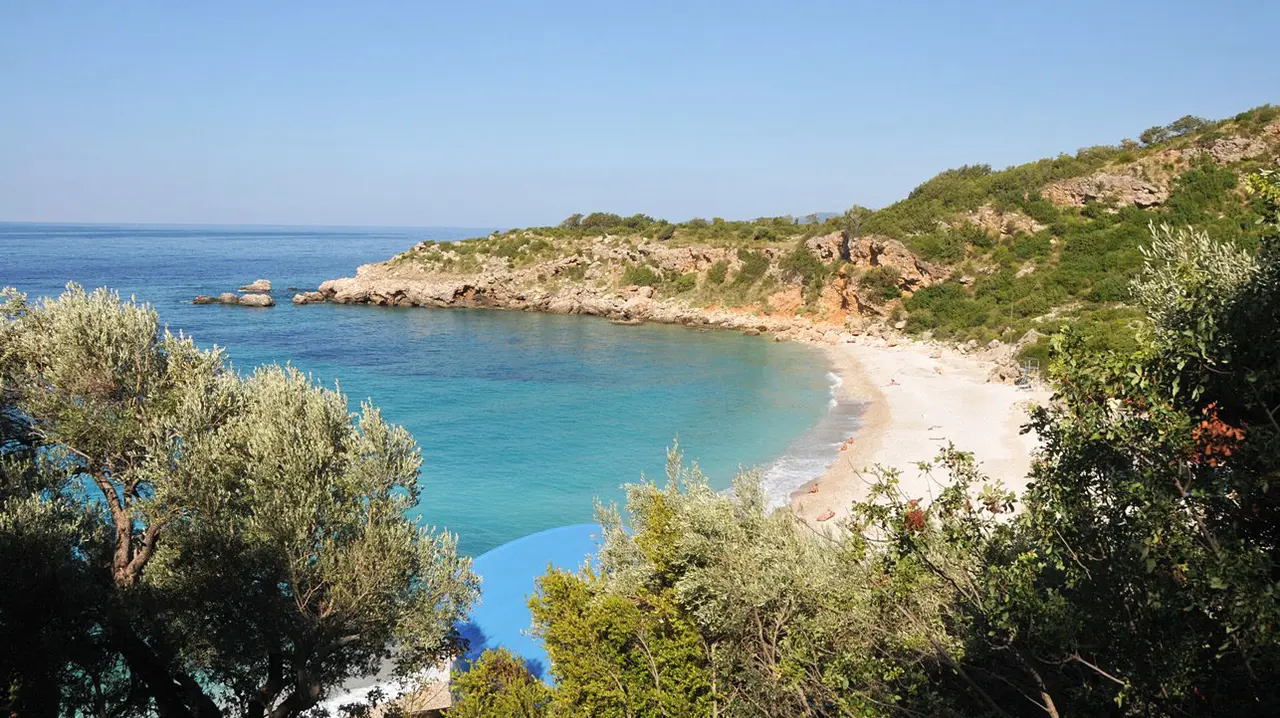
The Adriatic off Montenegro is comfortably swimmable from June to October. Expect roughly 21-23°C in June, a peak of 25-26°C in August, still 23-24°C through September and around 20-21°C in October, before it slides back to a flat 14°C from January to March. The single most useful thing to know is that the water runs about a month behind the air, which is why late September swimming beats late May swimming by a mile.
That lag catches people out every year. In May the coast is already hitting 24°C on land, the terraces are full and the sea looks exactly the same as it does in August - then you get in, it’s 18°C, and your swim becomes a quick dip. In October the deal reverses: the air has cooled and the beach bars are shutting, but the sea is still holding around 20-21°C, warmer than it was back in May and plenty for a proper swim.
Montenegro sea temperature by month
| Month | Typical sea | What that means in practice |
|---|---|---|
| January | 14°C | Cold-water swimmers and the New Year plunge only |
| February | 13.5-14°C | The annual low point |
| March | 14°C | Still winter under the surface |
| April | 15-16°C | Wetsuit weather; brief dips on hot days |
| May | 18-19°C | In and out. Fine for a swim, cold for lounging |
| June | 21-23°C | The season opens properly |
| July | 24-26°C | Warm, clear, busy |
| August | 25-26°C | The peak, and it feels like it |
| September | 23-24°C | Summer sea, thinner crowds |
| October | 20-21°C | Genuinely swimmable, especially early in the month |
| November | 17-19°C | Hardy swimmers; the water gives up slowly |
| December | 15-16°C | Warmer than the sea in early spring, oddly enough |
Those ranges are deliberate. Data sets disagree about this coast by a degree or two, and a single tidy number would look more precise than reality. Satellite-derived series (the ones behind most “sea temperature today” sites) read the open surface layer offshore and come out on the warm side: they put Budva at 25.6°C in July and 26°C in August. Long-term climate averages for the same beaches sit closer to 24°C and 25°C. Our Montenegro weather by month page uses the conservative series, so if you want one figure to plan around, take the lower end of each range and treat anything warmer as a bonus.
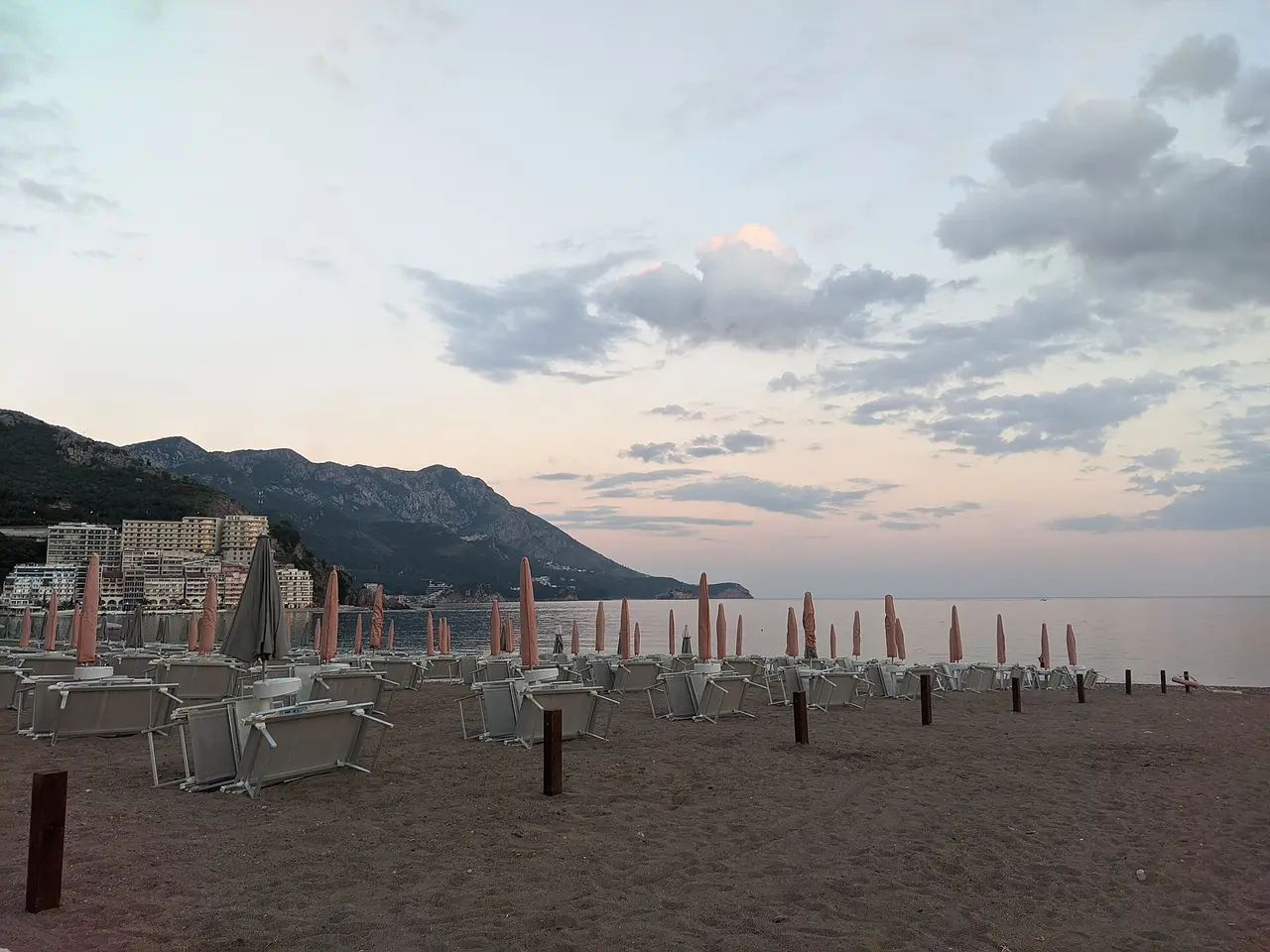
What each temperature actually feels like
Numbers only help if you know where your own threshold sits, so here’s the honest translation.
14-16°C (December to April). Genuinely cold. Fine for a fast plunge on a sunny February morning, not for swimming lengths. Local cold-water swimmers do it year round; most visitors last a couple of minutes.
18-19°C (May, and November in a good year). The classic false friend. You can swim, and plenty of northern Europeans happily do, but you feel it on entry and you’ll not float around reading a book. Children get cold fast at this temperature.
21-23°C (June, late September, early October). The sweet spot for anyone who wants to be in the water rather than near it: warm enough to stay half an hour, cool enough to be refreshing after a hot walk.
25-26°C (late July, August). Bath-like. Wonderful for drifting about, useless for cooling down - which is why the shady side of a rocky cove matters more in August than the water temperature does.
The sea lags the air, and that changes the whole calendar
Water absorbs and releases heat far more slowly than the coast does, so the sea peaks in August rather than July and holds its warmth deep into autumn. That’s the argument for September in Montenegro: the sea is a degree or two off its August high, the coast has emptied, and prices have come down. May offers the opposite deal - a green, quiet, beautiful coast with a sea that hasn’t caught up.
If you’re choosing dates mainly for swimming, the ranking is simple: August for the warmest water, September for the best overall trade, June and early October for a quiet swim, May for everything except swimming. For crowds, prices and what’s open, see best time to visit Montenegro.
Where the water differs along the coast
Open-water readings for the whole Montenegrin coastline sit within about one degree of each other from Herceg Novi to Ulcinj, so choosing a town for a warmer sea is mostly wasted effort. The differences that matter are local and shallow.
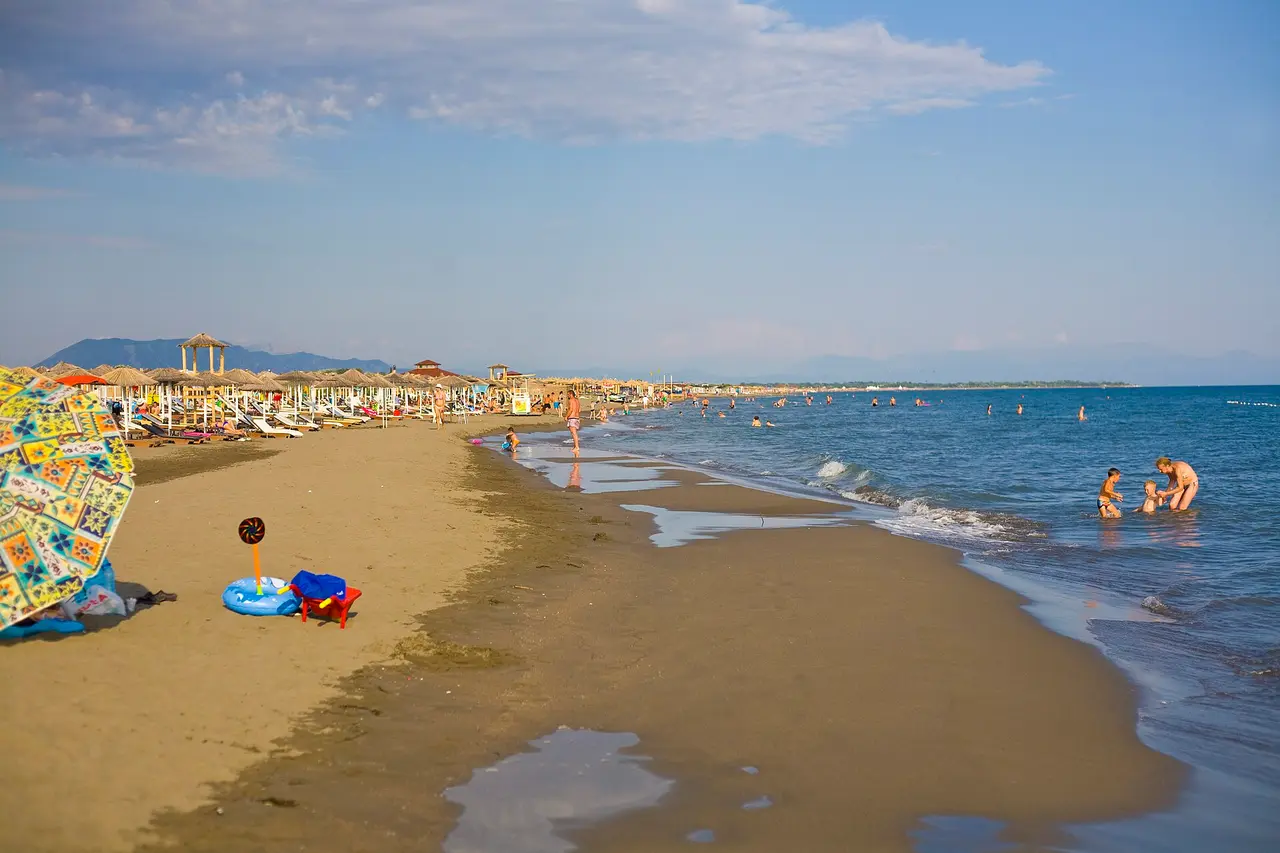
Shallow sand warms fastest. The long flat sand at Ulcinj, where you wade a long way out before it gets deep, runs noticeably warmer than the open sea on a calm summer day - and chills faster in a cool spell, for the same reason. Travelling with small children in June? That’s a real argument for heading south; our Ulcinj guide covers the beaches there.
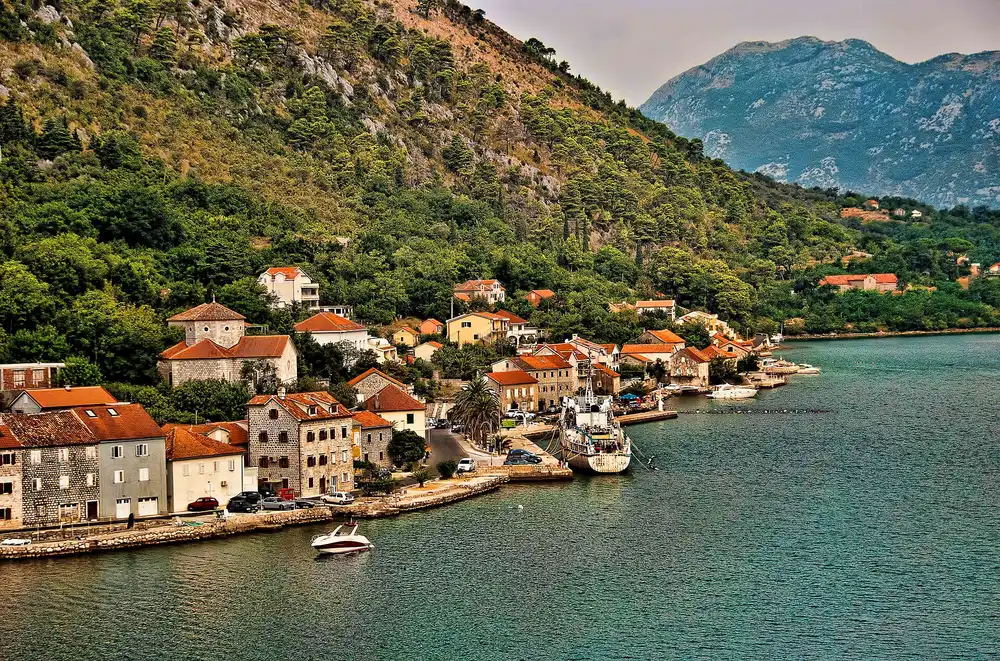
The Bay of Kotor is patchy. The bay’s monthly averages match the open coast almost exactly, but the water inside it’s fed by powerful karst springs that pour out enormous volumes after heavy rain - Sopot above Risan and the springs at Ljuta and Orahovac among them. Morinj, in the inner bay, sits at the mouth of its own strong spring off Mount Orjen, which is why the sea there’s reliably cooler than elsewhere in the Boka, and at several spots you can feel the cold layers with your feet. It’s still swimmable; it just isn’t the warm bath you get off Budva in August.
River mouths are cold spots. Wherever a stream reaches the sea, expect a cold band in the first few metres. It is harmless and short-lived, but it explains why one end of a beach can feel two degrees colder than the other.
Here’s how the four main stretches compare in the warm half of the year, using one consistent satellite series so the rows are actually comparable:
| Location | July | August | September | October |
|---|---|---|---|---|
| Herceg Novi | 25.6°C | 26.1°C | 24.0°C | 21.2°C |
| Bay of Kotor | 25.5°C | 26.0°C | 23.9°C | 21.1°C |
| Budva | 25.6°C | 26.0°C | 24.1°C | 21.3°C |
| Ulcinj | 24.8°C | 25.1°C | 23.8°C | 21.2°C |
The gap between the warmest and coolest row is barely a degree, and the southernmost town is fractionally the coolest rather than the warmest - the opposite of what most people assume when they book. Read those figures as the warm end of the ranges in the main table above.
What knocks a couple of degrees off, briefly
Wind matters more than the calendar in the shoulder months. A hard spell of bura, the northeasterly that comes down off the mountains, pushes the warm surface layer offshore and pulls cooler water up in its place; forecasters on this coast reckon on a drop of a couple of degrees after a strong blow, with the surface needing several calm days to recover. Autumn is when this bites, which is why one October week can deliver 21°C water and the next can feel distinctly colder.
Heavy rain does something similar inside the Bay of Kotor, where runoff and springs both spike. Visiting after a storm, the open coast around Budva and Petrovac is the more reliable swim.
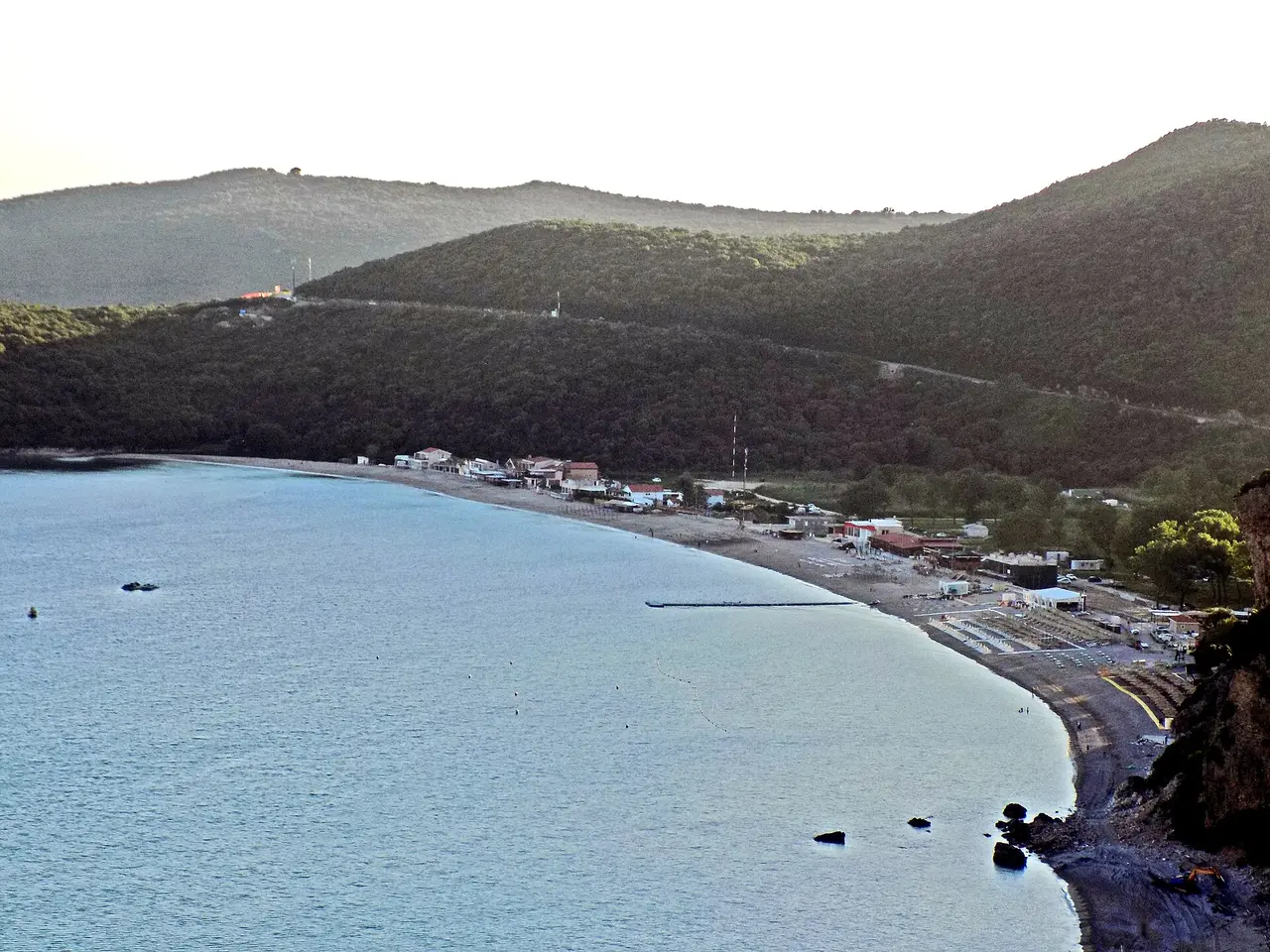
When the swimming season really starts and ends
Sea-temperature sites like to stretch the season from May or June to November, using a 20°C average as the cut-off. On the ground, the season most visitors would recognise is mid-June to early October, and it’s shaped as much by infrastructure as by the water: loungers appear in late spring, lifeguards work the peak months, and by mid-October plenty of beach bars on the riviera have packed up while the sea is still 20°C.
That gap is an opportunity. Early October on the Budva Riviera buys warm water, quiet beaches and low-season room rates, at the cost of shorter days and a real chance of rain, since autumn is the wettest part of the year here. Late May is the mirror image: perfect weather, cold sea.
What to pack if you are swimming outside the peak
Three things make a shoulder-season swim in Montenegro much better, and none of them are obvious from a temperature chart.
Water shoes. Most of this coast is pebble, shingle or rock rather than sand, and the entries are the part people complain about, not the temperature. A cheap pair turns a wincing hobble into a normal walk into the sea.
A rash vest or thin wetsuit top for children. At 18-19°C in May, or 20°C in mid-October, adults get twenty minutes and children get five. A neoprene top doubles that, and it packs down to nothing.
A wind forecast, not just a weather forecast. On this coast the difference between a lovely October swim and a cold one is usually the last three days of wind, not the air temperature on the day. Check what the sea has been doing, not only what the sky is doing.
Check the water before you commit
There is an official source most visitors never find. Morsko dobro, the state agency that manages the coastal zone, monitors 114 locations along the coast through the season and publishes per-beach readings - sea temperature, air temperature, salinity - alongside a bathing-water quality grade for each site. In the round the agency ran on 25-27 May 2026, 90.4% of those locations came back excellent, 3.5% good and 6.1% satisfactory, which is why quality rarely decides where you swim here - though it is not uniform, and the agency samples again through the season, so check the latest round after heavy rain rather than assuming.
Once the dates are set, our best beaches in Montenegro round-up and the ranked Montenegro beaches guide sort the coast by surface, space and cost - which, at 25°C, matters more than the last half-degree of sea temperature.
Read also

Before you go · 16 min read
Bay of Kotor Boating Rules: Licence, Speed Limits & Fines
Updated · September 5, 2026Montenegro boat rules 2026: certificate at 18 for self-drive, 6 knots within 300 m, 18-knot corridors, no motor boats in the Blue Cave, fines from €500.

Before you go · 12 min read
13 Montenegro Travel Mistakes to Avoid
Verified · August 29, 2026Concrete Montenegro travel mistakes with real numbers: toll lanes, ferry queues, ATM fees, park fees per day, and roads slower than the map admits.

Before you go · 10 min read
Kotor or Herceg Novi: Which Bay Town to Stay In
Updated · August 26, 2026Kotor or Herceg Novi as your Bay of Kotor base? Old towns, beaches, cruise crowds, Dubrovnik access and prices compared - who each town suits.

Before you go · 14 min read
All-Inclusive Montenegro: Resorts That Actually Exist
Updated · August 23, 2026Real all-inclusive hotels in Montenegro are rare - most listings are half board. The five that are genuine, and how to check before you book.