
Is Montenegro Worth Visiting? An Honest 2026 Take
Is Montenegro worth visiting in 2026? An honest look at the beaches, the crowds, the prices and who this small Balkan country actually suits.
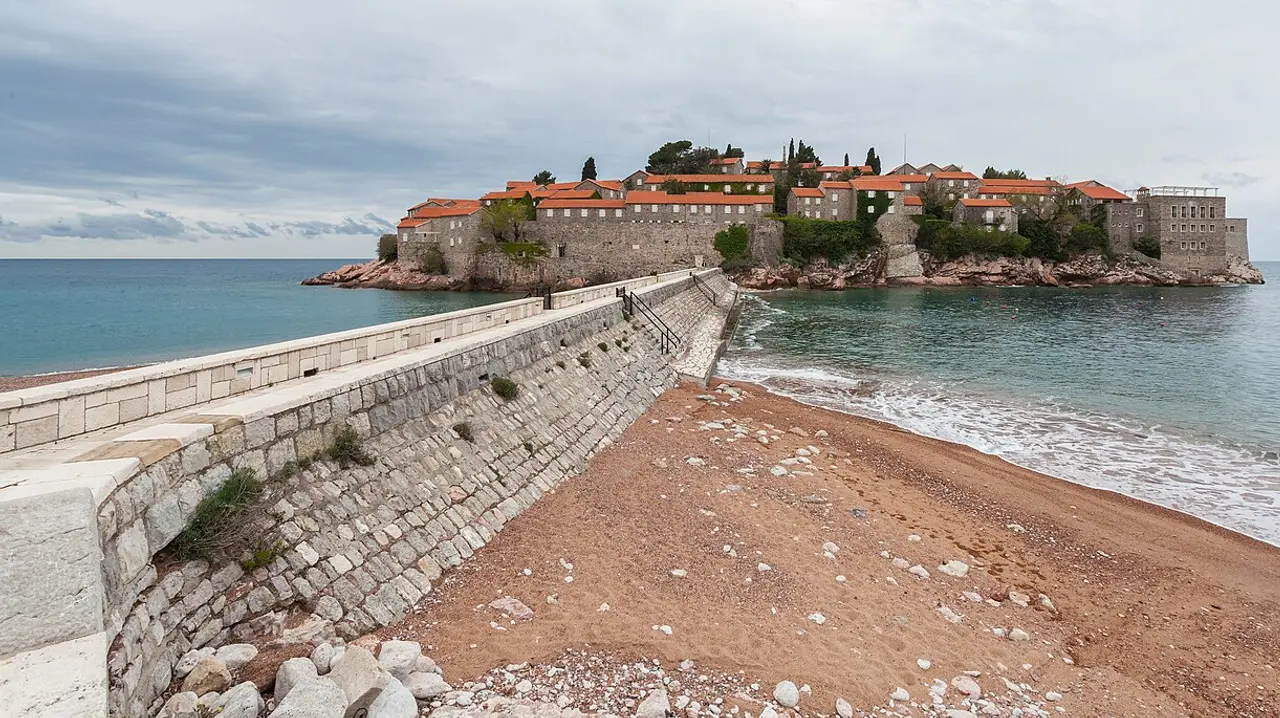
Yes, for most travellers Montenegro is worth the trip - but it’s not for everyone, and the month you pick matters more than almost anywhere else in the Mediterranean. In one small country you get a fjord-like bay, medieval walled towns, glacial mountain lakes and a warm sea, and you can drive from beach to 2,000-metre peaks in about three hours. The honest catch: Kotor chokes on cruise crowds at midday in summer, coastal prices are no longer the bargain the guidebooks promise, and the mountain roads demand your full attention.
So the useful question isn’t “is it good” - it plainly is - but “is it right for me, and when should I go”. Below is what actually stands out, what genuinely lets it down, and who tends to leave delighted versus mildly disappointed. This is the view from the road, not the tourist board.
What actually makes Montenegro worth it
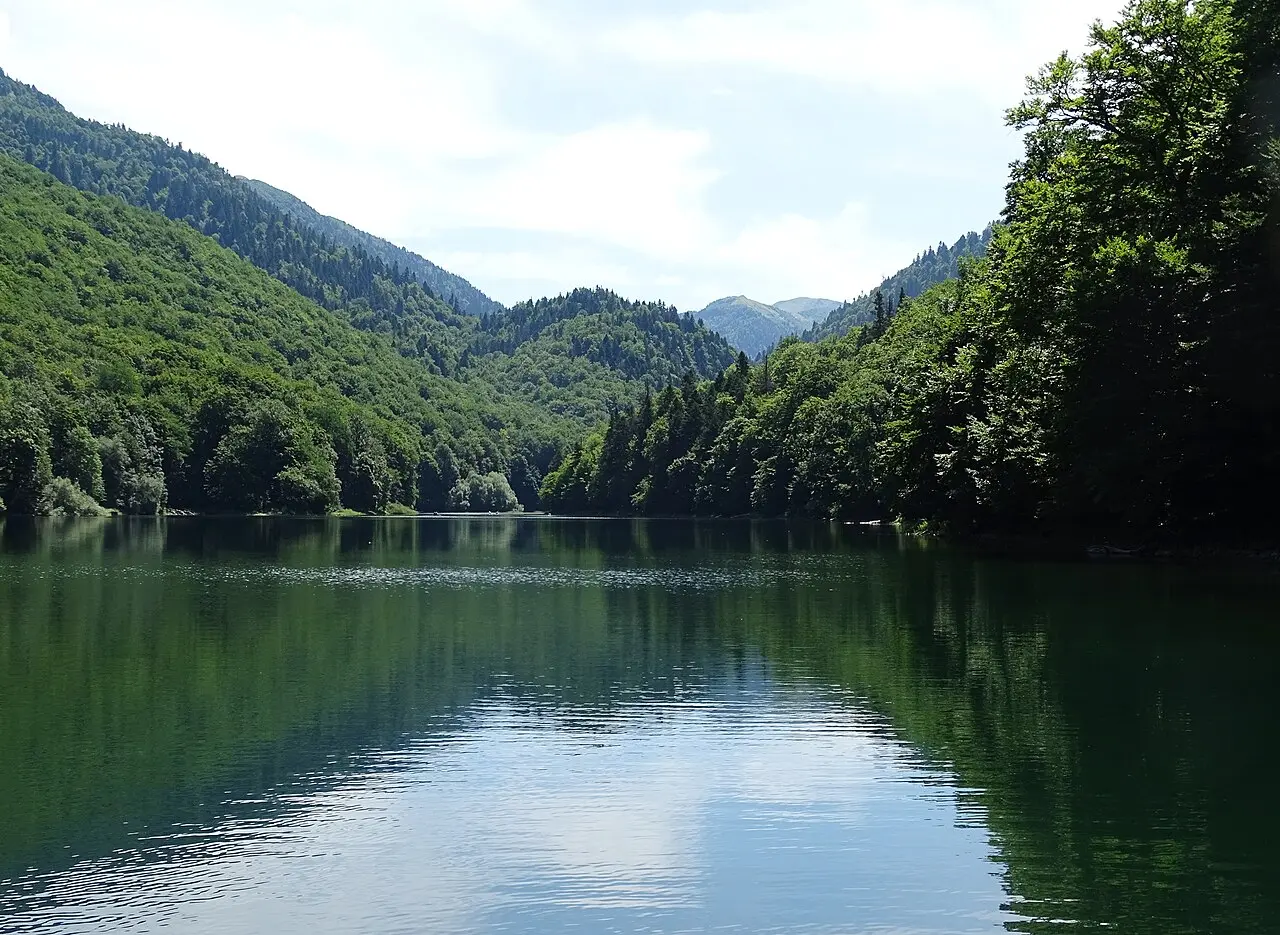
The single strongest thing Montenegro has is variety packed into a tiny space. It’s roughly the size of a large county, so nothing is a slog. Base yourself in the Bay of Kotor and you can spend the morning swimming off a stone jetty, drive up the Lovcen serpentine for lunch with the whole bay laid out below, and be walking beside the glacial Black Lake in Durmitor by late afternoon. Coast to high mountains is about a three-hour drive, and that compactness is the country’s real trick.
The Bay of Kotor itself does most of the heavy lifting. It looks and feels like a fjord - near-vertical mountains dropping straight into calm, deep water, with Venetian towns strung along the shore - even though it’s technically a drowned river canyon. Kotor’s old town is a genuine UNESCO-listed maze, and the climb up the fortifications to the San Giovanni fortress, roughly 1,350 steps, is one of those views that earns every bead of sweat.
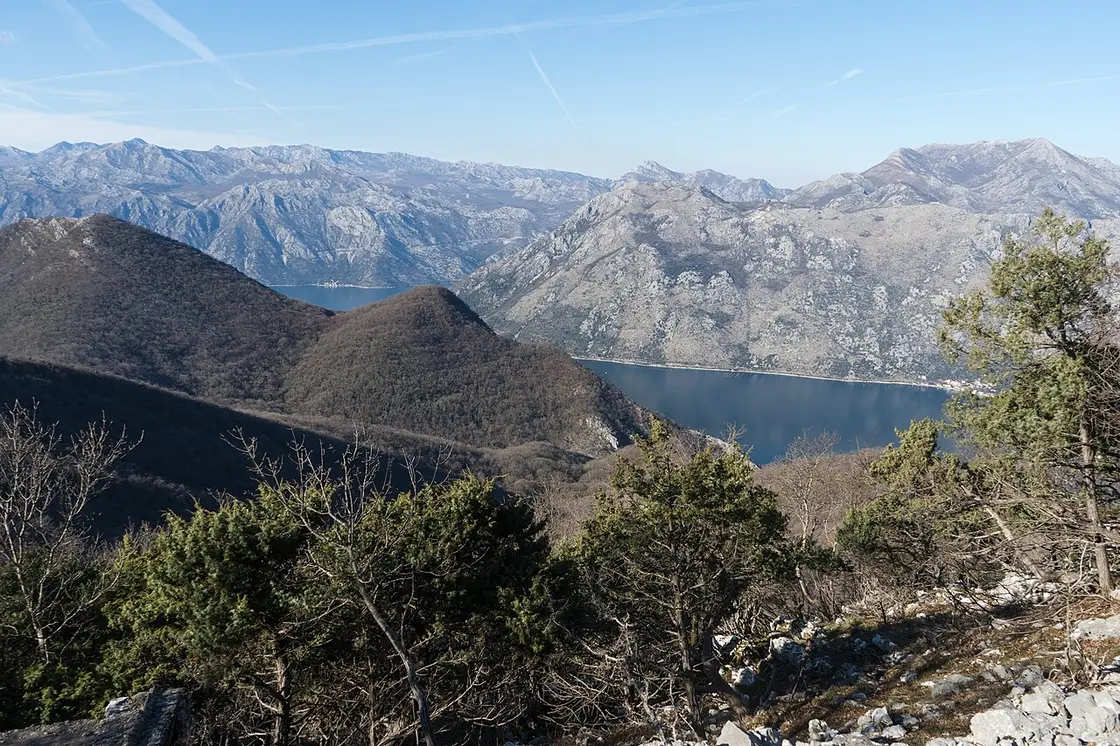
Then there’s the mountain north, which most first-timers skip and later regret skipping. Durmitor National Park covers about 390 square kilometres of jagged peaks, glacial lakes and the Tara Canyon - the deepest river gorge in Europe. It’s a different country up there: cooler, greener, cheaper, and empty of the coastal crowds. If your image of Montenegro is only beaches, you’re missing half of what makes it special.
The honest downsides
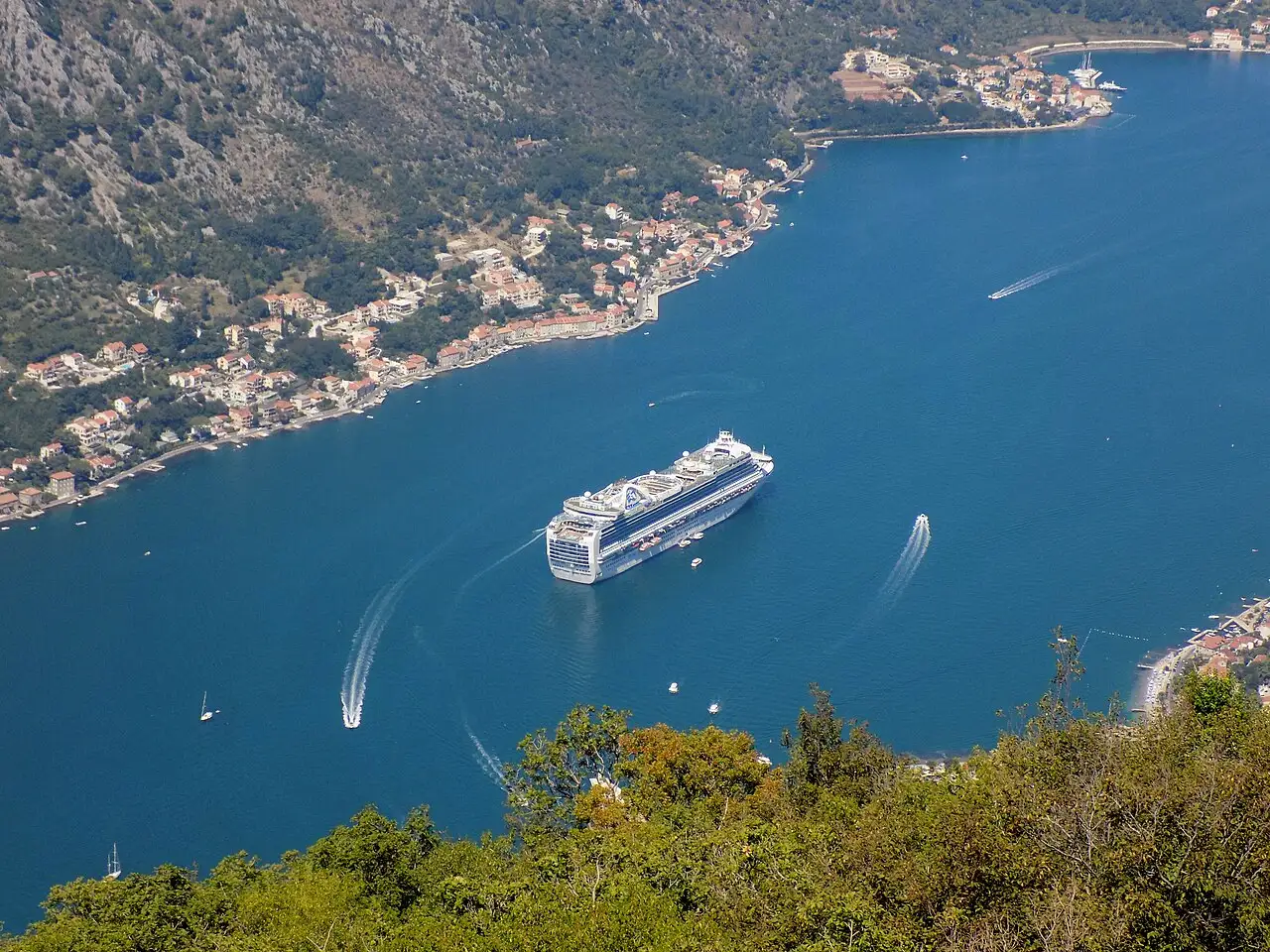
Now the part the brochures skip. Kotor has a crowding problem, and it’s worst by day in July and August. In peak season five or six cruise ships can dock in a single day, and with several in the bay at once the town can hold an estimated 15,000 to 20,000 visitors against a resident population of around 13,000 - so the tourists genuinely outnumber the locals. The lanes get shoulder-to-shoulder, the good restaurants stop taking walk-ins, and the heat bounces off the stone.
The saving grace is that it’s intensely time-dependent. The ships leave in the late afternoon and the town empties; by evening Kotor belongs to the people staying there again. If you sleep in town rather than day-tripping in, see the old town before 10am or after 5pm, and you dodge most of it. That single habit changes the whole experience.
The coast is no longer cheap in high season. Montenegro still costs less than Croatia or Italy, but the “undiscovered bargain” line is a few years out of date on the Adriatic. A well-placed two-person apartment near Kotor’s old town runs roughly €60 to €90 a night in May and €95 to €140 in July - the same place typically runs 55-60% more in peak season than in May. Budget on around €55 to €85 a day for a careful trip and €80 to €150 mid-range once you add a hire car and eating out. The money-saver is simple: the further you get from the Bay of Kotor - to Bar, Ulcinj or the mountains - the more your euro stretches.
The beaches are mostly pebble and platform, not soft sand. This trips up a lot of first-timers. Much of the coast is shingle beaches, concrete swimming platforms and small coves rather than long sandy strands. The water is clean and clear and the swimming is excellent, but if your ideal holiday is barefoot on white sand, temper the expectation - or head south to Ulcinj’s Velika Plaza, one of the few genuinely long sand beaches in the country. The full rundown is in our guide to the best beaches in Montenegro.
And the driving takes real concentration. Montenegro is best explored by car, but the roads mix narrow coastal two-laners with tight mountain switchbacks, and local drivers overtake with a confidence you may not share. It’s entirely manageable - millions of tourists self-drive here every summer - but don’t plan to cover big distances at speed, avoid unfamiliar mountain roads after dark, and take a hire car with full insurance. There’s also no Uber or Bolt anywhere in the country, so you rely on marked taxis (agree the fare first) and a decent intercity bus network.
Who Montenegro is really for
Montenegro rewards a particular kind of traveller, and it is worth being honest about whether that’s you.
You’ll probably love it if you want mountains and sea in one short trip, enjoy a road trip, care more about dramatic scenery than resort polish, and like a place that still feels a little rough at the edges rather than fully packaged. Couples, hikers, road-trippers and anyone building a wider Balkans route tend to come away thrilled. If you have a week, the classic loop in our 7-day Montenegro itinerary shows how much you can genuinely fit in.
You might be underwhelmed if you are chasing only long sandy beaches, can’t stand crowds and turn up in Kotor at noon in August, expect flawless roads and Western-European service standards, or assumed it would be dirt cheap on the coast in peak season. None of these are dealbreakers, but they’re the honest reasons some people leave lukewarm - almost always because the trip didn’t match what the country actually is.
When it is worth it most
If there’s one lever that turns a good Montenegro trip into a great one, it’s timing. The stretch from May to early October is the sweet spot, and the shoulders at either end beat the peak on almost every count.
September is the quiet winner. The Adriatic is still warm - typically 23 to 25°C - so the swimming is as good as August, but the cruise crowds and the school-holiday rush have thinned, prices on the coast drop noticeably, and the light turns the stone towns gold. Up in the mountains the grape harvest is on and the villages are busy in the best way. June is the other strong pick: warm, green and not yet at full summer intensity. July and August are for people who want maximum buzz and don’t mind the heat, the prices or the queues.
Winter is a different proposition entirely - the coast half-shuts, but Durmitor and Kolasin turn into a small, cheap ski scene. For a first visit built around the coast and the bay, aim for June or September and you sidestep most of the downsides above.
So, is Montenegro worth visiting?
For most people, clearly yes - with a few honest asterisks:
- Want mountains and sea in one compact, scenic trip - absolutely worth it.
- Road-tripper or Balkans explorer - one of the best-value drives in Europe.
- Sun-and-sand purist who hates crowds - worth it only if you skip peak Kotor and head south or to the shoulder season.
- After a polished, effortless resort holiday - Croatia or Italy may suit you better.
- On a tight budget - yes, but base inland or in the south, not the Bay of Kotor in August.
Go in June or September, sleep in the towns rather than day-tripping into them, give yourself a couple of days in the mountains as well as on the coast, and Montenegro delivers far more than a country this small has any right to. Not sure how long to give it? Start with our take on how many days you need in Montenegro, then map out where to base yourself with where to stay in Montenegro. Weighing Montenegro against a neighbour? See how it compares in Montenegro vs Croatia and Montenegro vs Albania.
Read also

Before you go · 16 min read
Bay of Kotor Boating Rules: Licence, Speed Limits & Fines
Updated · September 5, 2026Montenegro boat rules 2026: certificate at 18 for self-drive, 6 knots within 300 m, 18-knot corridors, no motor boats in the Blue Cave, fines from €500.

Before you go · 12 min read
13 Montenegro Travel Mistakes to Avoid
Verified · August 29, 2026Concrete Montenegro travel mistakes with real numbers: toll lanes, ferry queues, ATM fees, park fees per day, and roads slower than the map admits.

Before you go · 10 min read
Kotor or Herceg Novi: Which Bay Town to Stay In
Updated · August 26, 2026Kotor or Herceg Novi as your Bay of Kotor base? Old towns, beaches, cruise crowds, Dubrovnik access and prices compared - who each town suits.

Before you go · 14 min read
All-Inclusive Montenegro: Resorts That Actually Exist
Updated · August 23, 2026Real all-inclusive hotels in Montenegro are rare - most listings are half board. The five that are genuine, and how to check before you book.