
Is Montenegro Expensive? Trip Cost & Daily Budget 2026
How much does a Montenegro trip cost in 2026? Real daily budgets for backpackers, mid-range and luxury, plus the season trick that halves the bill.
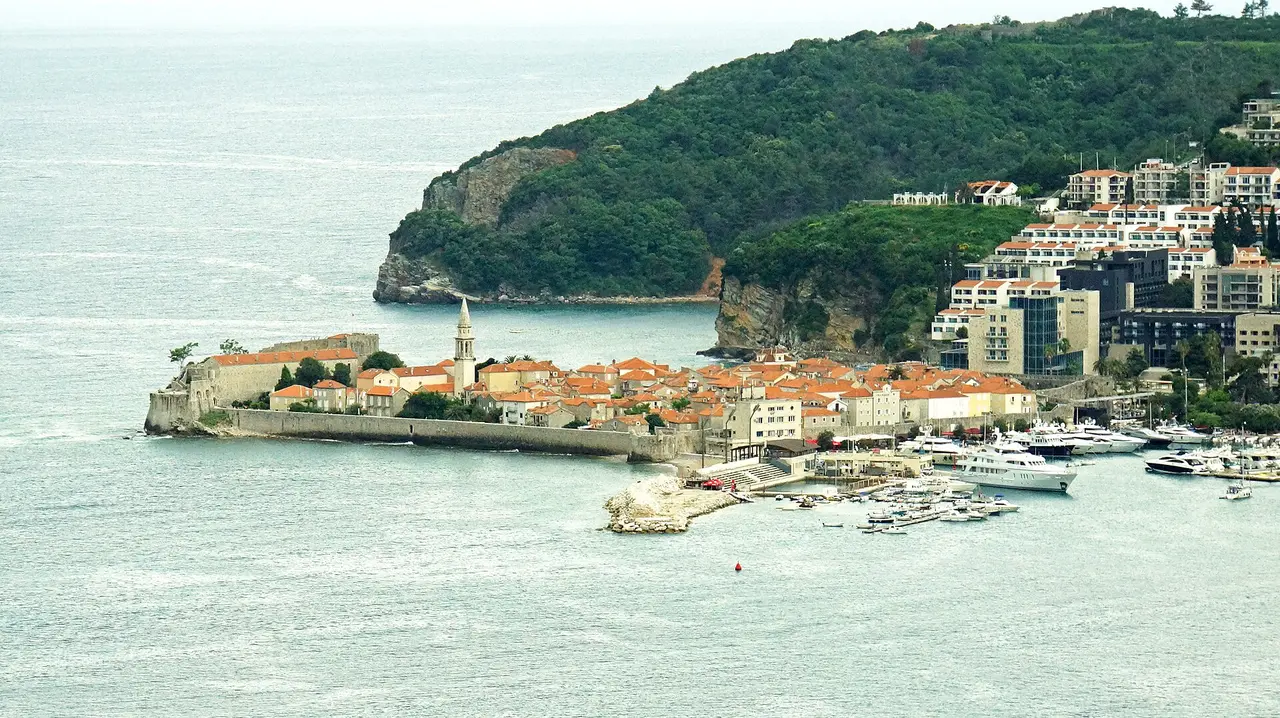
Montenegro sits in the affordable middle of Europe: a comfortable mid-range trip runs roughly €100-150 a day per person, backpackers can hold it near €35-60, and only the top end gets truly pricey. But the country isn’t the main variable here - the calendar is. Live listings on the coast in the second week of August 2026 show budget apartments in Budva running €70-100 a night; that number eases noticeably once July and August end, so when you go changes your bill far more than where you eat. Here’s what a real trip costs this summer, priced from actual listings and menus rather than a generic index, and how to keep it on the sane side of the seasonal swing.
Currency converter
- EUR
- €86.27
- USD
- $100
- GBP
- £74.03
So, is Montenegro expensive or cheap?
Both, depending on the month and the town. Prices are noticeably lower than Croatia or Italy across the board - restaurant meals, coffee, buses and museum tickets all cost less. But the coast in peak summer closes a lot of that gap, because July and August accommodation on the Adriatic runs at holiday-let rates. Think of Montenegro as good value that you can accidentally overpay for by booking Budva in the first week of August.
As a working baseline for 2026, per person per day:
| Travel style | Rough daily budget (per person) |
|---|---|
| Backpacker / shoestring | €35-60 |
| Mid-range / comfortable | €100-150 |
| Luxury | €300+ |
These are ballpark figures to build on, not quotes. A frugal solo traveller in a hostel dorm eating burek can dip under €40; a couple in a Porto Montenegro sea-view flat with dinners out will sail past €200 each. The breakdown below shows where the money actually goes so you can size your own number.
Trip budget calculator
Estimated total for the trip, flights excluded
- EUR
- €1,400-2,100
- USD
- $1,623-2,434
- GBP
- £1,201-1,802
Where your money actually goes
Accommodation is almost always the biggest line, and it’s the one that moves the most with the season. Everything else - food, coffee, local transport, the odd ticket - stays cheap and fairly stable year-round.
Rough prices to plan around: accommodation is checked against live Trip.com listings on 9 August 2026 (peak season - the numbers ease outside July-August); food and drink prices come from coastal price roundups published in June-July 2026:
- Hostel dorm bed: roughly €10-20 a night in Kotor’s old town, per current Hostelworld and Booking listings.
- Budget apartment or aparthotel: €70-100 a night on the coast in August (live Budva listings, Trip.com). A solid mid-range hotel runs closer to €130-160; resort-style properties start past €280.
- Coffee: €2-3. Fast food (pizza slice, pljeskavica, grilled meat in bread): €3-6.
- Sit-down lunch with a drink, tourist coast: €15-25. A simple inland lunch away from the seafront is usually cheaper.
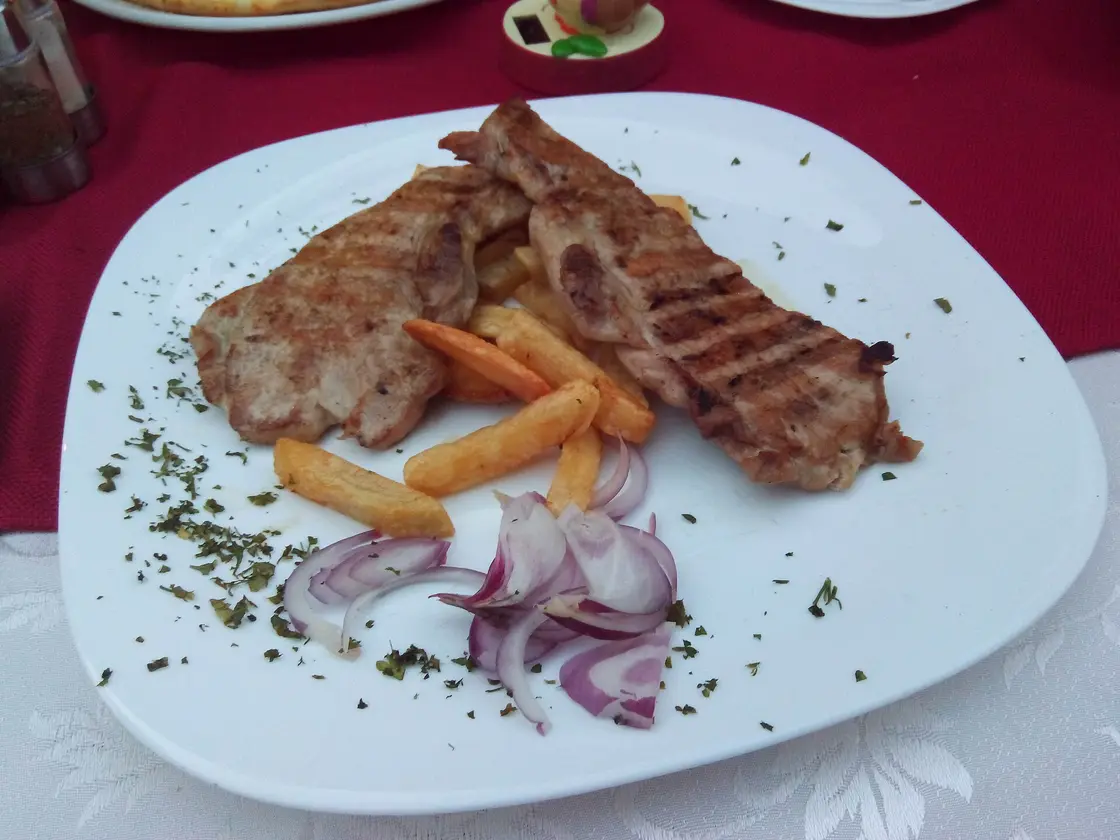
- Grilled-meat or seafood dinner: roughly €13.50-30 depending on the dish, per coastal price roundups published in June-July 2026.
- Intercity bus: €4-10 for most short and medium legs - see getting around Montenegro for the route-by-route fares.
Add it up and a day built around your own kitchen or cheap grills, buses and free beaches lands near the bottom of the range. Swap in a private room, a couple of restaurant dinners and a boat trip and you’re in mid-range territory. The luxury tier is a different animal entirely, driven by resort hotels and private transfers rather than by the price of a coffee.
The season is the real price tag
If you take one thing from this page, take this: coastal accommodation prices swing hard with the calendar, and August is the sharp end of it. Live Budva listings for the second week of August 2026 show budget apartments at €70-100 a night and solid mid-range hotels at €130-160, with resort properties well past €300 - and the good-value places at each tier sell out first, so latecomers pay more for what is left.
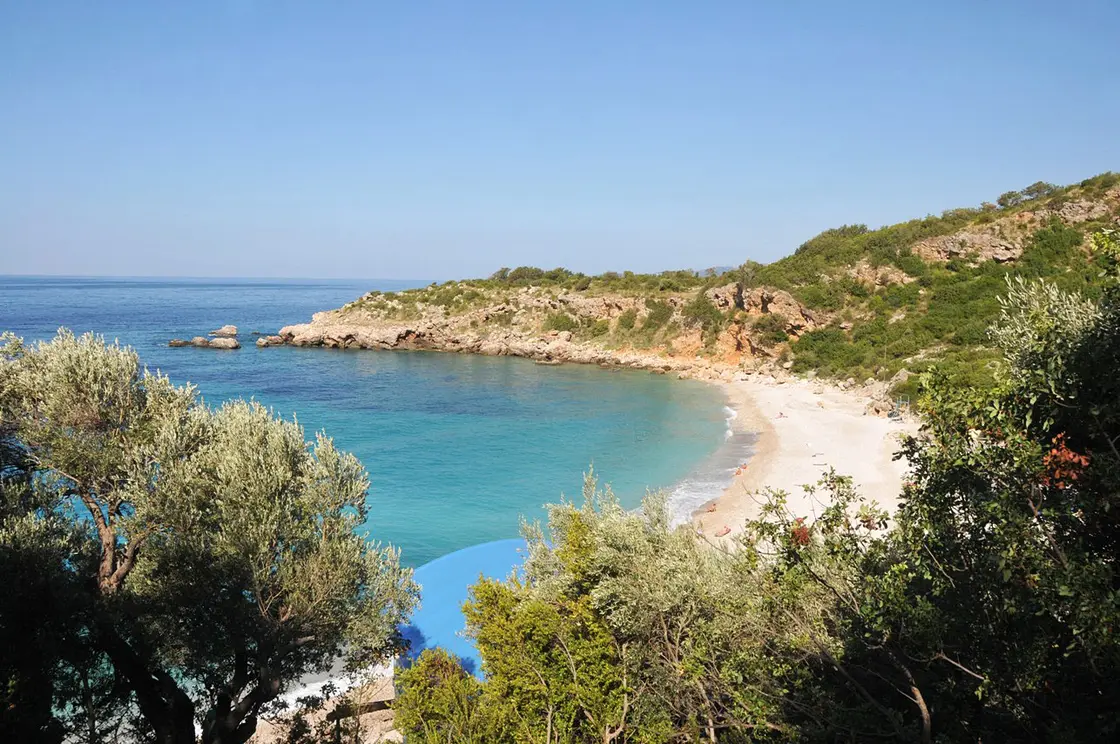
The flip side is the shoulder season, and it’s Montenegro’s best-kept budget secret. In late May, June, late September and October, coastal listings ease noticeably - Montenegrin property-market reporting and repeat visitors both describe a genuine drop, though we’d rather send you to live listings for your actual dates than print an invented shoulder-season figure here. The sea is still swimmable into October, and Kotor and Budva are walkable instead of shoulder-to-shoulder. The weather is a small gamble at the very edges, but the savings are real and the crowds thin out fast once the school holidays end.
Inland flips the logic. Podgorica, Nikšić and the northern mountain towns barely move with the season, so if your trip leans toward Durmitor, Ostrog or Lake Skadar rather than the beaches, August is far less punishing on the wallet. For the full month-by-month picture, see our guide to the best time to visit Montenegro.
A day on three budgets
To make the numbers concrete, here is roughly how a single day pencils out for each style, priced from the live August accommodation listings and the June-July menu roundups above.
Shoestring, around €35: dorm bed €19, self-catered breakfast and a bakery lunch €6, takeaway ćevapi in bread €5, one intercity bus €5, beaches and old-town wandering free. Cook a little, walk a lot, and Montenegro stays genuinely cheap even in high season.
Comfortable mid-range, around €130 in August: mid-range hotel room share €75, coffee and a sit-down lunch €18, a proper dinner with a drink €28, plus a shared taxi or a bay boat trip around €10. This is peak-season pricing - the room is what moves outside July-August, so check live rates for your dates rather than assume a fixed drop.
Where the room does the damage: upgrade from a budget apartment to a resort-style hotel in August and the same day jumps past €300 without another euro spent on food. It’s the accommodation tier that actually moves a Montenegro budget, not the meals.
Two people rarely spend double one person, because the room is shared. A couple usually lands well under 2x the solo figure once accommodation is split, which is why Montenegro rewards travelling in a pair.
Getting around without wrecking the budget
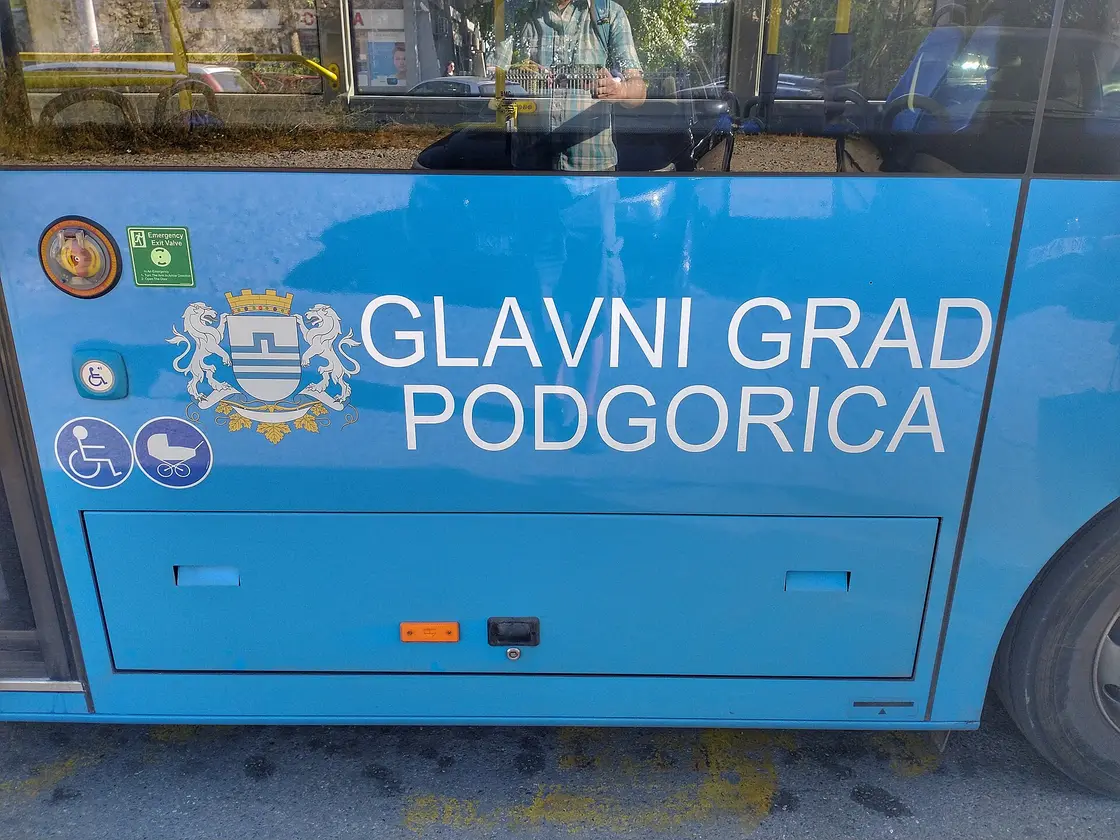
Transport is one of the cheapest lines in the whole trip. Intercity buses are frequent, comfortable enough and inexpensive - most useful coastal and central legs cost single-digit euros, and you pay the driver a small extra fee for a stowed bag. There’s no Uber or Bolt anywhere in the country, so town taxis are your on-demand option; they are cheap by Western standards but agree the fare or confirm the meter first.
Renting a car is the big optional cost, and it is worth it only if you want the mountains and the interior - Durmitor, Ostrog, the Bay of Kotor’s back roads. Off-season rates are far softer than the July-August peak. If you’re sticking to the coastal towns, you can skip the car entirely and lean on buses; our guide to getting around Montenegro breaks down the routes, and if you do drive, read driving in Montenegro first for the tolls, parking and mountain-road realities.
How to keep a Montenegro trip cheap
A handful of habits do most of the work:
- Move your dates. Shoulder season is the single biggest saving - late May, June, September and October bring noticeably lower accommodation and car-rental rates than the July-August peak; check live listings for your dates rather than assume a fixed discount.
- Base inland or on the outer coast. Tivat and central Budva are the priciest beds; Herceg Novi, Bar, Ulcinj or a night inland cost less for the same trip.
- Cook some meals and eat local. Bakeries, grills and konobas keep food costs low; save the seafood restaurants for a treat, not every night.
- Withdraw cash smartly. Foreign-card ATMs here usually charge a fixed fee of around €5 per withdrawal, so take out larger amounts less often, and always decline the “pay in your home currency” prompt. The full playbook is in our Montenegro currency and money guide.
- Budget for insurance, not against it. A cheap policy is a rounding error next to the cost of a mountain-road accident or a rafting mishap.
- Don’t roam on a home SIM. Montenegro is outside the EU, so roam-like-at-home stops at the border. A local tourist pack is €15 for 500 GB; when that beats a travel eSIM is in SIM cards in Montenegro.
- Don’t roam on a home SIM. Montenegro is outside the EU, so a UK or EU plan usually starts charging at the border. A local tourist pack is €15 for 500 GB; when that beats a travel eSIM is in SIM cards in Montenegro.
Put together, a week of comfortable mid-range travel outside peak August comes to somewhere around €700-900 per person before flights - genuinely good value for the Adriatic. For an itemised version of exactly that week, our one-week Montenegro budget breakdown splits the coast and mountain halves line by line. Planning how long to stay is the next question; our guide to how many days in Montenegro helps you match the trip length to the budget. And if you’re weighing a longer stay, the monthly maths is different again - see our cost of living in Montenegro breakdown for rents and resident budgets rather than holiday day-rates, or the Montenegro digital nomad visa guide if a remote-work move is on the table.
Nearby / read also
- Best time to visit Montenegro - the month-by-month weather and price trade-off.
- Montenegro currency & money - ATMs, cards, cash and tipping without overpaying.
- Cost of living in Montenegro - monthly budgets for a longer stay, not a holiday.
- Best eSIM for Montenegro - cheap mobile data so maps and taxi apps keep working.
- SIM cards in Montenegro - local One / m:tel / Telekom packs versus an eSIM you install before you fly.
Read also

What to see · 10 min read
Hiking Bobotov Kuk: Durmitor Highest Peak
Verified · September 4, 2026Bobotov Kuk hike at 2,523 m: Sedlo (~10 km RT) vs Lokvice from Black Lake, €5 park fee, cables, season and early-start tips.

What to see · 10 min read
Swimming in the Bay of Kotor: Beaches & Lidos
Updated · August 31, 2026Can you swim in Kotor? Yes - on Dobrota pontoons, Morinj and small Boka shores. Water quality, season and what to expect.

What to see · 11 min read
Rent a Boat in Kotor Bay: No Licence Needed
Updated · September 5, 2026Private boat rental in Kotor Bay 2026: skippered hire from €90/h, bareboat prices, licence rules, speed limits and where boats leave from.

What to see · 9 min read
Piva Lake & Canyon: Montenegro's Emerald North
Updated · August 27, 2026Piva Lake guide: the 45 km emerald reservoir, Mratinje Dam, boat trips from Plužine, the relocated Piva Monastery and how to pair it with Durmitor.