
Montenegro Entry Requirements 2026: Do You Need a Visa?
Do you need a visa for Montenegro in 2026? 90-day rule, passport validity, 24-hour registration, and Russia/Belarus cutoff - verify on gov.me.

Most visitors don’t need a visa for Montenegro: citizens of the EU, the UK, the US, Canada, Australia and dozens of other countries enter visa-free and stay up to 90 days in any 180-day period. You need a passport that meets the validity rules below (an EU national ID card works too, but only for 30 days), and once you arrive you must be registered with the local tourist office or police within 24 hours - hotels do this for you; private stays often don’t. Montenegro is not in the EU or Schengen, so ETIAS is not an entry condition for Montenegro itself.
The exception is Russian and Belarusian passports: their 30-day visa-free entry ends on 31 October 2026, and from 1 November a Montenegrin visa is required. The same July 2026 regulation does it for Chinese, Saudi and Turkish passports.
Two rules trip people up more than the visa list: the rolling 90/180-day count if you are a repeat visitor, and 24-hour registration if you sleep in an unregistered apartment. Border biometrics on the Croatia side are a separate topic - see our Montenegro-Croatia border / EES guide rather than this page.
Disclaimer - verify before you travel. General guidance, last checked 23 September 2026. Entry rules change, sometimes at short notice. Confirm the current requirements for your nationality on official sources - gov.me visas, gov.me entry requirements and your own country’s foreign ministry - before you book. Nationality-specific details must be checked for your passport, not taken from a blog summary.
Do you need a visa for Montenegro?
For most Western travellers, no. Montenegro lets citizens of a long published list “enter, transit through and stay in Montenegro for up to 90 days… without a visa,” in the words of the government visa page (checked 23 September 2026). In practice that list covers the EU and Schengen states, the UK, the US, Canada, Australia, New Zealand, Japan and many more - broadly the same nationalities that already travel visa-free across much of Europe.
| Passport / status | Allowance | Notes |
|---|---|---|
| EU/Schengen states, UK, US, Canada, Australia, New Zealand, Japan and the many other nationalities on the gov.me list | 90 days in any 180-day period | No visa, no fee - the standard case for Western travellers |
| EU national ID card, no passport | Up to 30 days | Applies to EU citizens generally, not a sub-set; the passport gives the full 90 |
| Any nationality holding a valid Schengen, US, UK or Irish visa or residence permit | Up to 30 days, and no longer than the visa itself | A fallback if your own passport isn’t visa-exempt - a different rule from the one below |
| Russia and Belarus | Visa required from 1 November 2026 | Until 31 October 2026: 30 days visa-free under the bilateral agreements - details below |
| Turkey, China, Saudi Arabia | Check gov.me for your current allowance | Visa required from 1 November 2026 under the same July 2026 regulation |
Table sourced from the government visa page, the country pages of Montenegro’s own missions and the announcement below. Check your own passport on gov.me before you travel - and note that the general visa page lags: on 23 September 2026 it still carried Turkey on the visa-free list, months after the regulation that takes it off from 1 November.
Nuances that matter in practice:
- Nationality, not residence. A passport from a visa-exempt country is what counts. If your passport is not on the list, you may need a Montenegrin visa - or you may be admitted for up to 30 days on a valid Schengen, US, UK or Irish visa or a residence permit from those countries. Those four are the reliable core: they are what Montenegro’s own mission pages state for the nationalities most likely to need this rule. The general gov.me page names a wider set (Australia, Canada, Japan, New Zealand, Bulgaria, Romania), but it is the page that is out of date on Turkey, so confirm anything beyond the four with the embassy that would admit you.
- Tourist / short visit only. Visa-free entry is for tourism and short visits. Working, studying or staying long-term needs the right residence or work permit - see the digital nomad visa if that’s your route.
- No fee and no eVisa for visa-exempt travellers. If you’re on the visa-free list, there’s nothing to apply for in advance and nothing to pay at the border for the visa itself. Be wary of third-party sites selling a “Montenegro entry permit” to visa-exempt nationals - for that group, none exists.
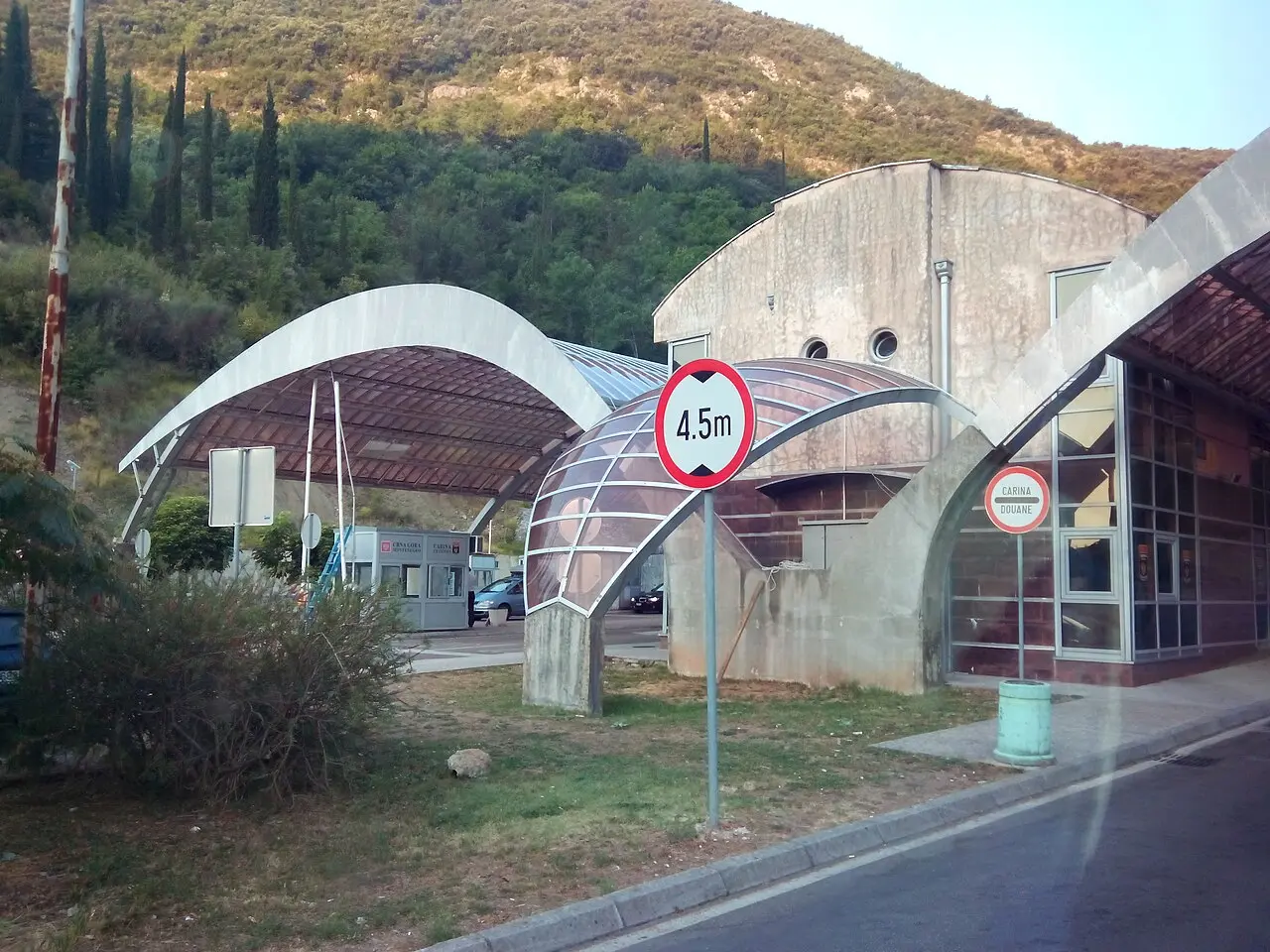
Russian and Belarusian citizens: visa required from 1 November 2026
This one isn’t an open question anymore. On 23 July 2026 the Montenegrin government adopted a regulation amending the visa regime - Uredba o izmjenama i dopuni Uredbe o viznom režimu, published in the official gazette (Sl. list CG 108/2026) on 24 July and in force from 25 July. Its own announcement, published on gov.me on 27 July 2026, states plainly that citizens of Belarus, China, Russia, Saudi Arabia and Turkey will need a visa to enter Montenegro from 1 November 2026. Until then, Russian and Belarusian passport holders keep the existing 30-day visa-free allowance under the bilateral travel agreements (Russia, Belarus) - shorter than the 90-day Western allowance, and now sitting on a fixed expiry rather than an open-ended one. The Russian mission page carries that end date, 31 October 2026, in its own words.
What changed is the shape of the rule, not only the date. This is a government regulation, not a law: the cabinet can amend it with another regulation whenever it wants, so nobody should read “decided” as “permanent in either direction”. What the amendment does, according to the newspaper Dan’s reading of the text, is move Russia and Belarus out of the general visa-free article into a separate Article 3a, and add an Article 12c saying visa exemptions can no longer be granted by special government act after 31 October - with the ban on seasonal exemptions starting on 1 October 2026. The practical reading for a traveller is simpler than the legal one: as of 23 September 2026 no extension has been announced, so plan November on the assumption that you need a visa.
Montenegro presents the change as bringing its visa policy fully into line with the EU’s - the announcement calls it one of the final benchmarks for closing negotiating Chapter 24, Justice, Freedom and Security. The practical follow-up is in the same announcement: applications don’t have to go to an embassy or consulate any more, because VFS Global already takes them at its application centres in Russia, Turkey, the UAE, India, Bangladesh, Kyrgyzstan and Azerbaijan, with centres in Belarus, China, Saudi Arabia, Armenia, Kazakhstan, Pakistan, the Philippines, Qatar, Bahrain, Nepal and Uzbekistan announced as opening next, and Jordan, Kuwait, Thailand and Indonesia planned after that.
A separate gov.me rule may still admit holders of a valid Schengen, US, UK or Irish visa for up to 30 days, and it isn’t the bilateral deal that’s ending - but Russian and Belarusian travellers should get the embassy to confirm it still applies to them before booking anything for November 2026 or later.
How long can you stay? The 90/180 rule
The standard visa-free allowance is 90 days within any 180-day period. The UK Foreign Office puts it plainly: “You can visit Montenegro without a visa for up to 90 days in any 180-day period.” The US State Department frames the same limit as “90 days in total in a 180-day period.”
Practical points travellers miss:
- It’s a rolling window, not a calendar reset. The 180 days count backwards from any given day, so days from a recent earlier trip still count. If you are a frequent visitor, keep a tally from your stamps.
- Montenegro days don’t eat your Schengen allowance - and the reverse is also true. Montenegro is outside Schengen, so UK advice notes that visits here don’t count toward the Schengen 90/180 limit, and Schengen trips don’t count toward Montenegro’s. Useful if you combine Croatia or Italy with the Bay of Kotor - but you still need the right documents for each side of the border.
- EU ID-card holders get a shorter window. Montenegro’s visa page puts it without qualification: EU citizens can enter on a national ID card for up to 30 days, while a passport gives the full 90. If you’re an EU citizen planning a longer stay, travel on your passport.
- Need longer than 90 days? You need a temporary residence route (work, family or the digital-nomad permit), not a quiet overstay. Overstaying can mean fines and trouble on departure.
For turning that allowance into a realistic trip length, see how many days in Montenegro and the Montenegro travel guide.
What documents you need at the border
At passport control you need a valid travel document. The essentials:
- A passport that meets two conditions most countries share. The UK government advises your passport should have been “issued less than 10 years before the date you enter Montenegro” and have “an expiry date at least 3 months after the day you plan to leave.” Montenegro’s own rules likewise expect a travel document valid for at least three months beyond your intended departure. The US State Department’s baseline is simpler - a passport “valid at time of entry” with one blank page for the stamp - but the 3-months-beyond-departure rule is the safe standard to meet.
- An EU national ID card is accepted from EU citizens, though as noted it limits you to a 30-day stay; a passport is the safer choice for a full trip.
- Proof you can support your visit can in principle be requested - return travel, accommodation, sufficient funds - although tourists are rarely asked at the coast’s airports. Having a booking and onward ticket on your phone covers it.
- A passport stamp. Montenegro stamps entry and exit, so make sure your passport has a free page.
Carry your passport (or a good photo of it) while travelling inside the country, too - police can ask to see ID, and you’ll need it for the registration step below.
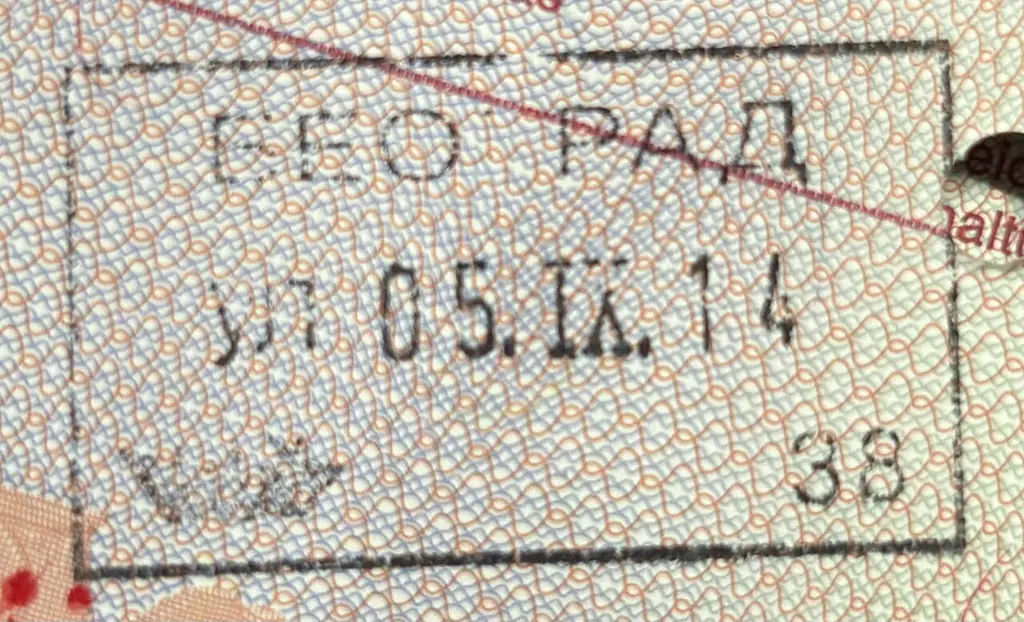
The 24-hour registration rule
This is the requirement independent travellers miss most often. Every foreigner must register with the local tourist office or police within 24 hours of arrival. The UK government states it directly: “All visitors to Montenegro must register with the local tourism office or police within 24 hours of arrival.”
Who actually files the paperwork:
- Hotels and most holiday lets do it for you. Staff or the owner is obliged to register you; the small tourist tax on your bill is part of the same process. The national Law on Tourist Tax sets it between €0.10 and €1.00 per person per night and leaves the rate to each municipality, with children under 12 exempt and 12-to-18s paying half. Bar, for example, fixed its rate at the top of the band, €1.00 a night, in a municipal decision that has applied since 1 January 2024. In practice it often reaches you bundled with a small insurance charge rather than as its own line: the Budvanska Rivijera hotel group publishes €1.50 per adult per night for the two together and €0.50 for under-12s, who pay the insurance but not the tax. You usually don’t need to lift a finger for any of it.
- In private or informal accommodation, it is on you. Staying with friends, in an unregistered rental, or hopping between places means you complete registration yourself at the local tourist organisation or police and pay the tourist tax. The US State Department adds that if you stay in more than one place, you must register in each municipality where you spend more than 24 hours.
Why it matters: UK guidance warns that failing to register can mean a fine, detention or a court appearance; US advice lists fine, incarceration, deportation and/or difficulties departing. Keep the registration slip (often called the white card) until you leave - it can be checked on exit. Book registered hotels or apartments and this stays quiet in the background; the risk sits with informal stays.
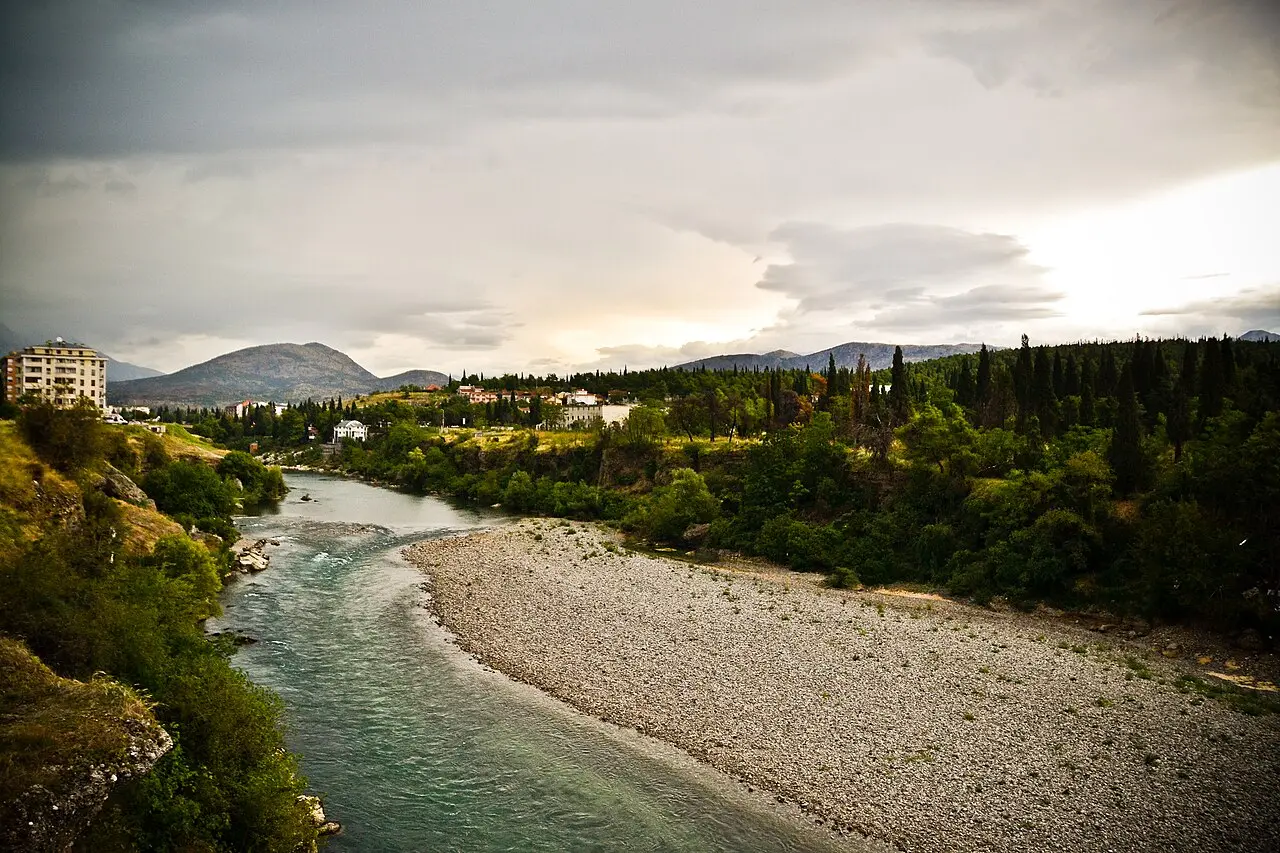
ETIAS and Schengen: only if your route goes through the EU
ETIAS isn’t required to enter Montenegro. Montenegro is outside the EU and Schengen. An American or Australian flying straight into Tivat or Podgorica doesn’t need ETIAS for Montenegro itself.
It only matters if your journey uses an EU/Schengen airport or border - for example flying into Dubrovnik (Croatia) and continuing by road. ETIAS is not yet in operation: the official portal has dropped its earlier “last quarter of 2026” target and now says only that the EU will announce the specific start date a few months before launch. Once it does go live, visa-exempt travellers will need that authorisation for the Schengen leg, with the fee set at EUR 20 (under-18 and over-70 exempt). Confirm timing on the official ETIAS portal.
For what actually changes at the Croatia-Montenegro land border with the EU Entry/Exit System, use the dedicated Montenegro-Croatia border and EES guide - this page doesn’t re-cover EES biometrics.
Travel insurance: not a visa requirement, but don’t skip it
Montenegro does not make travel insurance a condition of visa-free entry for most tourists. But “not required” isn’t the same as “not needed.” Montenegro sits outside the EU and the EEA, so an EU-issued EHIC isn’t valid here. The UK’s GHIC is recognised, but free treatment runs through a certificate of entitlement you apply for with your British passport and card, and bills paid without that certificate can’t be reimbursed (gov.uk, checked 1 August 2026). Everyone else pays up front, and the Bay of Kotor, the Tara Canyon and Durmitor are where a medical emergency or evacuation gets expensive. Solid medical and evacuation limits are the baseline; if you plan adventure activities, make sure they’re named.
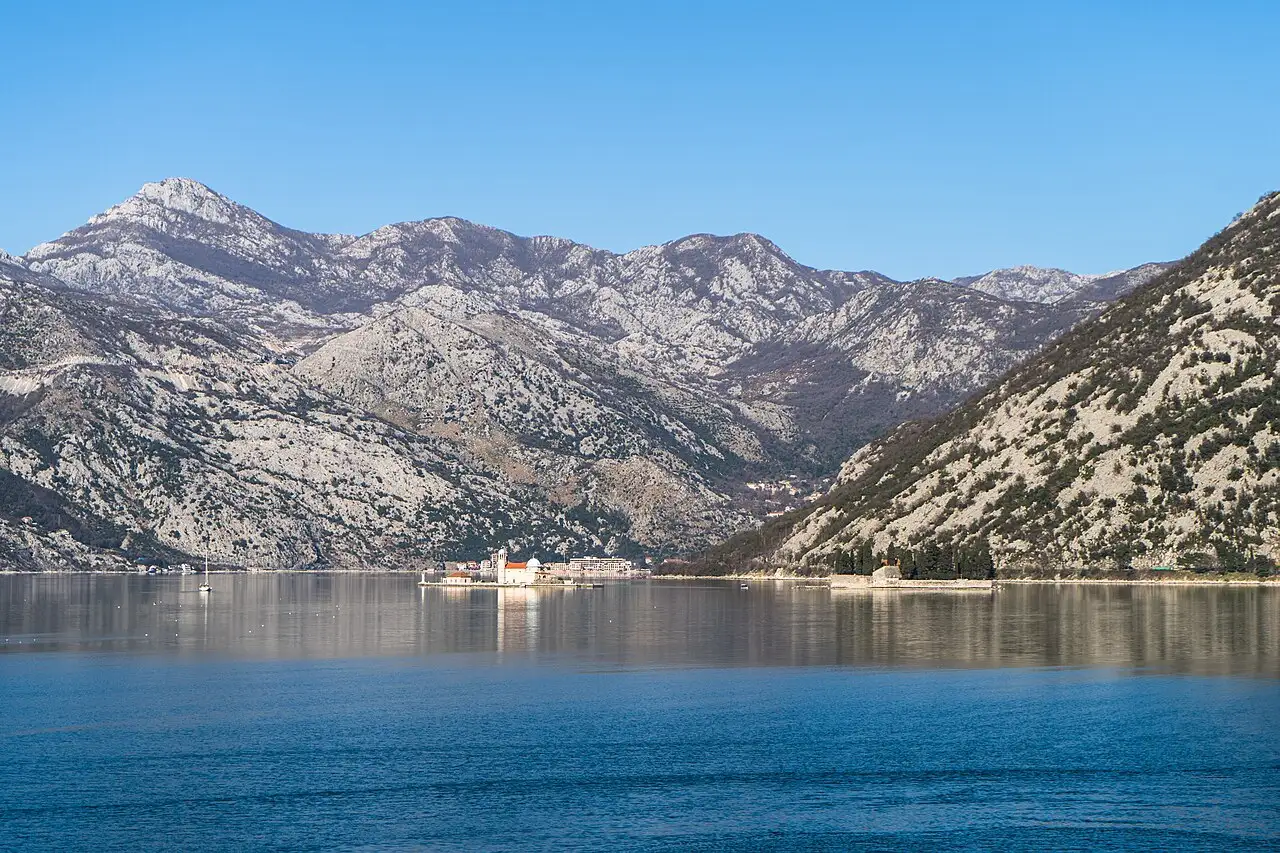
For what a policy should and shouldn’t include, see our dedicated guide to Montenegro travel insurance. And to time your trip well once the paperwork is sorted, the best time to visit Montenegro breaks the year down month by month.
Quick checklist before you go
- Check your nationality’s visa status on gov.me - most Western travellers are visa-free for 90 days.
- Passport issued within the last 10 years and valid at least 3 months beyond departure, with a blank page.
- 90/180 rule: count days if you’re a repeat visitor.
- Registration within 24 hours - automatic in hotels; your job in private stays. Keep the white card.
- ETIAS only if you route through an EU/Schengen airport (e.g. Dubrovnik) once it launches - not for Montenegro itself. Land-border biometrics: EES guide.
- Russian / Belarusian passports: a Montenegrin visa is required from 1 November 2026 under the government’s July 2026 regulation; until 31 October 2026 it’s 30 days visa-free. Applications go through VFS Global centres - Russia among those already open, Belarus among those announced as opening.
- Insurance: not required, but strongly recommended.
- Phone data: the same passport registers a local SIM. Local tourist packs versus a travel eSIM: SIM cards in Montenegro.
Sources checked 23 September 2026 unless noted: Government of Montenegro visas (gov.me/en/article/visas); gov.me announcement of the regulation ending Russia/Belarus visa-free travel from 1 November 2026 (published 27 July 2026); the regulation itself in Sl. list CG 108/2026 (sluzbenilist.me); gov.me Russia and Belarus mission pages; Law on Tourist Tax and Bar municipality’s decision on the overnight tax; Budvanska Rivijera pricing page; UK FCDO entry requirements for Montenegro (gov.uk); US Department of State country information for Montenegro (travel.state.gov, checked 7 August 2026); EU ETIAS portal (travel-europe.europa.eu). Entry rules change - confirm with these official sources before booking or travelling.
Read also

Before you go · 16 min read
Bay of Kotor Boating Rules: Licence, Speed Limits & Fines
Updated · September 5, 2026Montenegro boat rules 2026: certificate at 18 for self-drive, 6 knots within 300 m, 18-knot corridors, no motor boats in the Blue Cave, fines from €500.

Before you go · 12 min read
13 Montenegro Travel Mistakes to Avoid
Verified · August 29, 2026Concrete Montenegro travel mistakes with real numbers: toll lanes, ferry queues, ATM fees, park fees per day, and roads slower than the map admits.

Before you go · 10 min read
Kotor or Herceg Novi: Which Bay Town to Stay In
Updated · September 25, 2026Kotor or Herceg Novi as your Bay of Kotor base? Old towns, beaches, cruise crowds, Dubrovnik access and prices compared - who each town suits.

Before you go · 14 min read
All-Inclusive Montenegro: Resorts That Actually Exist
Updated · August 23, 2026Real all-inclusive hotels in Montenegro are rare - most listings are half board. The five that are genuine, and how to check before you book.