
Croatia & Montenegro Itinerary: 7-10 Day Trip
A combined Croatia and Montenegro itinerary for 7-10 days: Dubrovnik, the Bay of Kotor and Budva, hire-car border rules and when to cross.
Seven days covers both countries comfortably if you keep the trip to one coastline: two nights in Dubrovnik, four or five in Montenegro, one hire car and one border crossing each way. Ten days buys you either the Montenegrin mountains or a run north to Split, not both. What actually decides how the week goes isn’t the route (the two old towns sit about 90 km apart) but two pieces of admin: what your rental contract says about leaving Croatia, and what hour of the day you reach the border.
Coach tours squeeze Dubrovnik and Kotor into a single day, which is why so many people assume the two countries are interchangeable. They are not. Croatia gives you the grander set piece and the higher bill; Montenegro gives you a fjord-like bay, mountains half an hour from the sea and prices that still feel like the Balkans. Sleeping in both is the entire point of this itinerary, and it costs you exactly one queue in each direction.
Where the nights go
| Nights | 7-day version | 10-day version |
|---|---|---|
| Dubrovnik | 2 | 2-3 |
| Kotor / Bay of Kotor | 3 | 3 |
| Budva Riviera | 2 | 2 |
| Extra leg | - | 2-3 (Durmitor, the far south, or Split) |
Three bases in seven days is the sweet spot. Four means packing up every second morning, and on a coast where the driving is slow and the parking is worse, that’s a real cost. The Bay of Kotor deserves the biggest block: it is the only base from which Perast, Lovćen, Cetinje and Tivat are all short drives.
Fly into one country, out of the other
Book an open-jaw ticket if your airline allows one: in to Dubrovnik (DBV), out of Tivat (TIV). Tivat airport sits about 9 km from Kotor and 20 km from Budva, so you finish where the itinerary naturally ends instead of driving the whole coast back to Croatia for a flight. Podgorica (TGD) often has cheaper fares, but it’s 1.5 hours inland from the bay.
One catch: an international one-way car drop is a different matter from an open-jaw flight. Croatian rental desks either refuse a drop-off in Montenegro or price it painfully, so plan on returning the car where you rented it, or on not renting in Croatia at all.
One car, two countries: the paperwork that decides the trip
If you hire in Croatia and drive into Montenegro, three things must line up before you leave the desk:
- Advance notice. Cross-border travel has to be declared when you book, not announced at pick-up.
- A cross-border fee. Croatian companies typically charge around €50 for Montenegro or Bosnia, against roughly €20 for EU destinations; quoted ranges run from about €25 to €75 depending on the company.
- Written permission, not a Green Card. This is the bit most advice gets wrong. A Croatian plate is itself proof of insurance in Montenegro - the Croatian insurance bureau (HUO) and Montenegro’s own bureau of insurers both list Croatia among the countries whose plate replaces the Green Card - so the officer at the booth won’t turn you back for want of one. What you do need is the rental company’s written permission to take its car out of Croatia, and written confirmation that the policy covers Montenegro rather than only the EU. If a Green Card comes bundled, take it; just don’t pay a premium for it.
Now the option most itineraries skip. You only really need a car for the Montenegrin half, where the good stuff is spread between the bay, the mountains and the riviera. Dubrovnik is a walking city with expensive parking. So the cheaper plan is often: no car in Croatia, a direct bus to Kotor (€28-33 one way, up to seven departures a day in summer), then hire locally in Montenegro with no cross-border fee, no permission letter to chase and lower daily rates. It costs you a slow bus morning and saves you both the money and the argument at the desk. Our guide to renting a car in Montenegro covers what to check on the Montenegrin side, and Kotor to Dubrovnik by bus and transfer has the timetable detail for that leg.
The border: the hour matters more than the crossing
The coastal crossing is Karasovići on the Croatian side and Debeli Brijeg on the Montenegrin side, about 40 km south of Dubrovnik on the Adriatic Highway. Since 10 April 2026 the EU’s Entry/Exit System has been fully operational: a non-EU traveller is enrolled with four fingerprints and a facial image instead of a passport stamp, and every crossing after that’s a check against the record rather than a new registration. Two details save people a lot of worry. Visa holders aren’t fingerprinted again, because their prints are already in the visa system, and children under 12 are photographed but never fingerprinted.
Note what that means for day 3: heading south you’re leaving Schengen, and if you flew into Dubrovnik you were enrolled at the airport, so your own paperwork is quick. The queue is other people’s first registrations, and it is very real. 60 to 180 minutes is normal in July and August, with the worst window between 10:00 and 14:00. Out of season the same booth clears in 15 to 30 minutes.
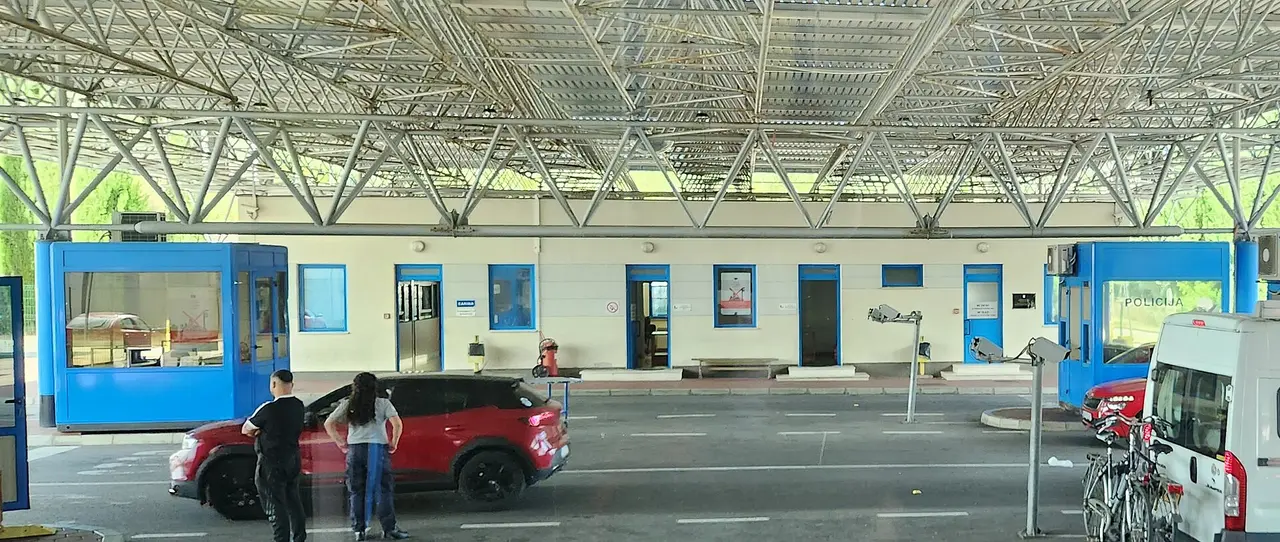
Cross before 07:30 or after 16:00 and the same crossing that ate three hours at noon can take three minutes. The smaller Kobila / Vitaljina crossing runs closer to the sea, south of the main highway, and comes out at Njivice west of Herceg Novi; it is usually quieter because it doesn’t absorb the coach traffic, though it’s no magic bypass on a bad weekend.
Two small things make this trip easier than people expect. Both countries use the euro, so there is no currency to change. And because Montenegro is outside Schengen, days spent there do not burn your Schengen allowance - useful if you are already deep into a 90-day stay in the EU, though the rules that apply depend on your nationality, so check yours in our Montenegro entry requirements guide.
Days 1-2: Dubrovnik
Give Dubrovnik two nights and treat the walls as an early-morning job. They open early, the loop is exposed, and by mid-morning in summer you are queuing behind cruise groups in full sun. An afternoon swim off the rocks outside the Ploče gate, a boat over to Lokrum, or the bus to Cavtat fills the rest of the day without a car. If you are staying near the port at Gruž rather than in the old town, that is normal and usually cheaper. Our sister site’s guide to the Dubrovnik to Kotor journey covers the transfer options from the Croatian end.
Collect the car (if you’re hiring one) on the morning you leave, not on arrival. Parking in Dubrovnik is a tax on people who booked a car too early.
Day 3: cross the border and drop into the Boka
Leave at dawn, clear the border, and the road delivers you into the Bay of Kotor within half an hour. Herceg Novi is the first town: a working seaside place with a fortress above the old quarter and a long promenade, good for coffee and a first swim rather than a full day. From there the shore road curls east along the bay.
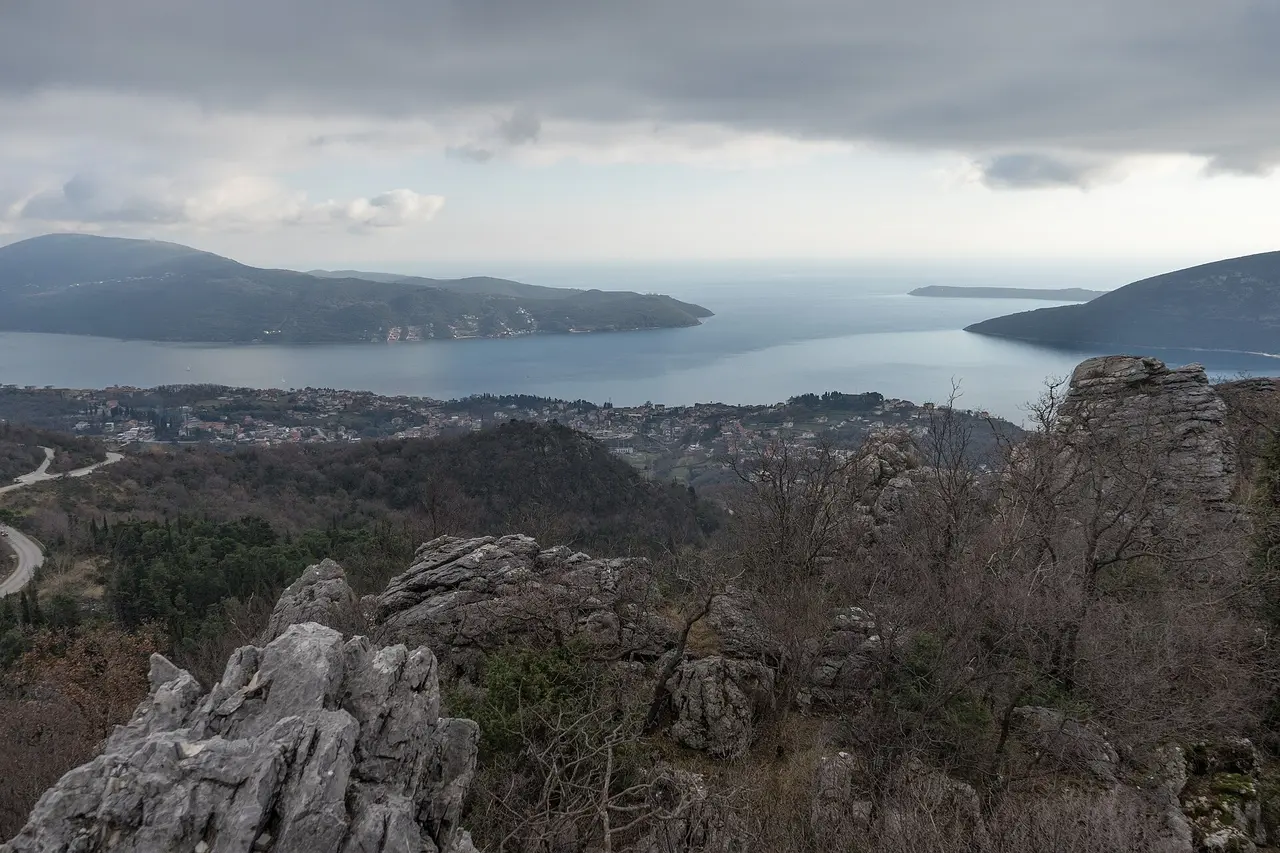
Here’s where first-timers lose an hour for nothing. The Kamenari-Lepetane ferry (€5 a car, five minutes, boats every 15-20 minutes) is a brilliant shortcut to Tivat and the airport, saving around 15 km and 20 minutes. On the Herceg Novi to Kotor leg it does nothing for you: Kotor sits at the head of the inner bay on the same shore you’re already driving, so the ferry is simply not on the route - and queues at the ramp still run 30 to 45 minutes at peak times in summer. Unless Tivat is your destination, stay on the road through Risan and Perast and enjoy the water on your right.
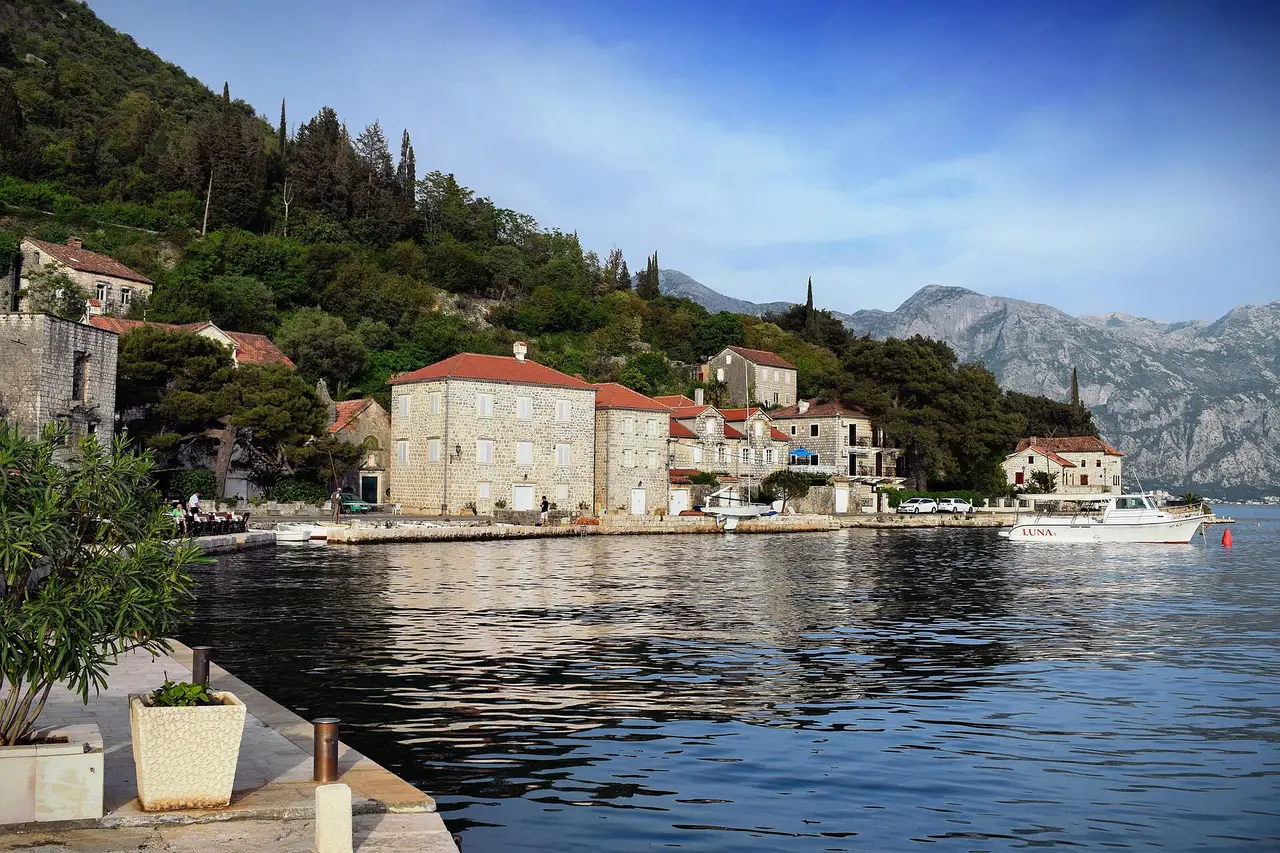
Perast is the stop worth making: one baroque street along the shore, no cars in the middle, and a five-minute boat out to Our Lady of the Rocks (about €5-10 return, roughly €2 for the church museum). Half an hour on the islet is plenty. Then it is 12 km on to Kotor, where you sleep for the next three nights.
Days 4-5: Kotor, the walls and the mountain behind them
Do the city walls first thing. The climb to the San Giovanni fortress is around 1,350 steps and 45 minutes to an hour of honest effort; tickets are €15 with booths staffed from about 07:00 to 20:00, and turning up before seven usually means an open gate, cool air and no queue. Full detail is in our Kotor city walls guide, and the town itself is covered in the Kotor guide.
Day five goes up the mountain. The old serpentine road climbs toward Lovćen and the former royal capital of Cetinje, with a stop at Njeguši for the cured ham that the village gave its name to. If the hairpins aren’t for you, the Kotor-Lovćen cable car runs the same climb in 11 minutes for €25 return (€7 for a child); note that the top station is near Ivanova Korita rather than at the mausoleum itself. Prefer the water? Swap the mountain for a bay boat trip and use Perast and Our Lady of the Rocks as the anchor of a slow day.
Days 6-7: the Budva Riviera, then out
Move 22 km south to Budva for the last two nights. The old town is a smaller, denser version of what you’ve already seen; the reason to come is the coast either side, the beaches at Bečići and Jaz, and the postcard view of Sveti Stefan. The islet itself is a resort and stays closed to non-guests, but since it reopened in July 2026 two of the three beaches below it, Sveti Stefan Beach and King’s Beach, are public again, so this is a swim stop now and not only a photo stop. Parking runs on a blue-zone system, roughly €0.50-1.50 an hour, with brisk enforcement. The Budva guide sorts the beaches and the bases.
From the riviera, Tivat airport is 20 km back up the coast, so a mid-morning flight is comfortable. If you would rather not spend the last day in the car, our Montenegro 7-day itinerary runs the same coast as a country-only loop with more inland time.
Stretching the week to ten days
Add the mountains. Two nights in Žabljak turns the trip into a coast-and-mountains run: Durmitor National Park, the Black Lake and the Tara canyon. The A1 motorway section toward Kolašin costs €3.50 for a car, and the drive up is long and slow.
Add the far south. Petrovac, Bar and Ulcinj have the sandiest beaches in the country plus the Sozina tunnel (€2.50) shortcut, with a lake day at Lake Skadar on the way back. Warmer water, fewer switchbacks.
Add Croatia instead. Head north from Dubrovnik to Split, about 230 km. Since the Pelješac Bridge opened on 26 July 2022, that drive stays inside Croatia the whole way, so the old Neum corridor checks are gone. Do it only if you can give Split two nights.
What it costs, and where the two halves differ
From about €120 per person per day is a realistic shoulder-season floor for two people sharing a car, mid-range apartments, simple meals and a couple of paid sights. It’s an estimate, not a quote, and it hides a lopsided split: Dubrovnik beds and restaurants are the most expensive part of the trip by a distance, while Montenegro runs closer to the €95 a day we use in the country-only itinerary. Tolls on the Montenegrin side are trivial (Sozina €2.50, the A1 section €3.50, no vignette), Kotor parking is €1-1.50 an hour, the ferry €5. Figures checked mid-2026; confirm on the spot.
Still deciding whether you want both countries at all? Our side-by-side of Montenegro vs Croatia sets out who each one suits, and if your time is short, the Dubrovnik to Montenegro day trip is the compressed version of everything above.
Mistakes worth avoiding
- Basing in Dubrovnik and day-tripping into Montenegro twice. That is four border queues instead of two, and two evenings in the wrong country.
- Packing five hotels into seven nights. Three bases, two countries, one car return: that’s the plan that survives contact with the coast road.
- Flying home the same day you leave the mountains. If you add Durmitor, sleep near the coast or Podgorica the night before. Driving times here run longer than the map suggests, as driving in Montenegro explains.
Route day by day
- Days on the road
- 7
- Distance
- ≈112 km
- Budget from
- 120 EUR
- Best season
- May, June, September, October
The route at a glance
-
Dubrovnik
Route startstop ≈2880 min
Two nights in the walled city: the walls at opening time, a swim off the rocks, and the car collected on the morning you leave.
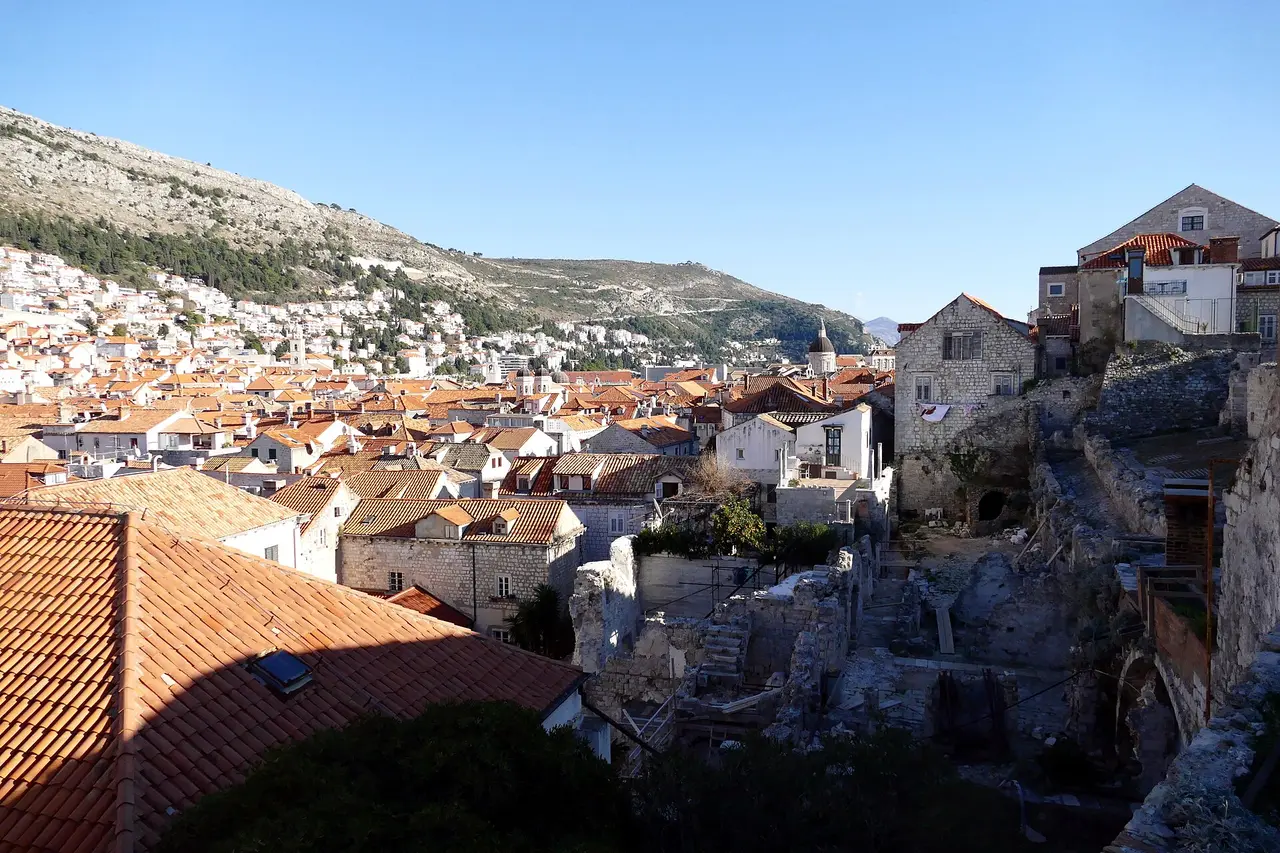
Photo: donald judge / Wikimedia Commons, CC BY 2.0 ( source) -
Karasovići / Debeli Brijeg border
40 km from the startstop ≈60 min
The main coastal crossing. Passports in one stack, engine off, and cross before 07:30 if you are travelling in July or August.
Photo: Rakoon / Wikimedia Commons, CC0 ( source) -
Herceg Novi and the bay mouth
47 km from the startstop ≈180 min
First stop in Montenegro: coffee on the promenade, the Kanli Kula fortress, then the shore road east into the Boka.
Photo: Alexkom000 / Wikimedia Commons, CC BY 4.0 ( source) -
Kotor
90 km from the startstop ≈2880 min
The main base: two or three nights inside or beside the walls, with the walls climb, the cable car and Perast all within reach.
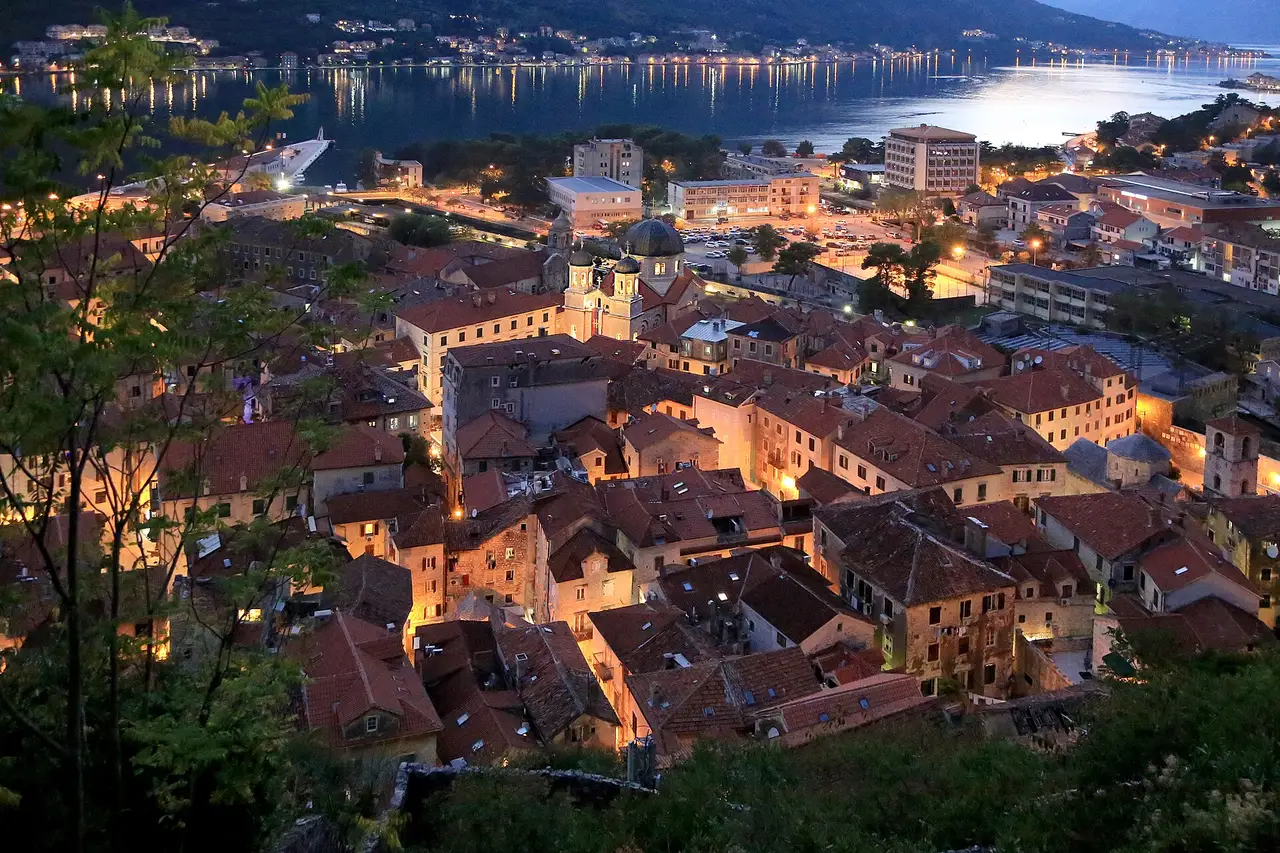
Photo: Helmut Aschauer / Wikimedia Commons, CC BY-SA 4.0 ( source) -
Budva Riviera and Sveti Stefan
112 km from the startstop ≈1440 min
Swap stone for sand: a night or two on the riviera, a swim below Sveti Stefan, and an easy run to Tivat airport.
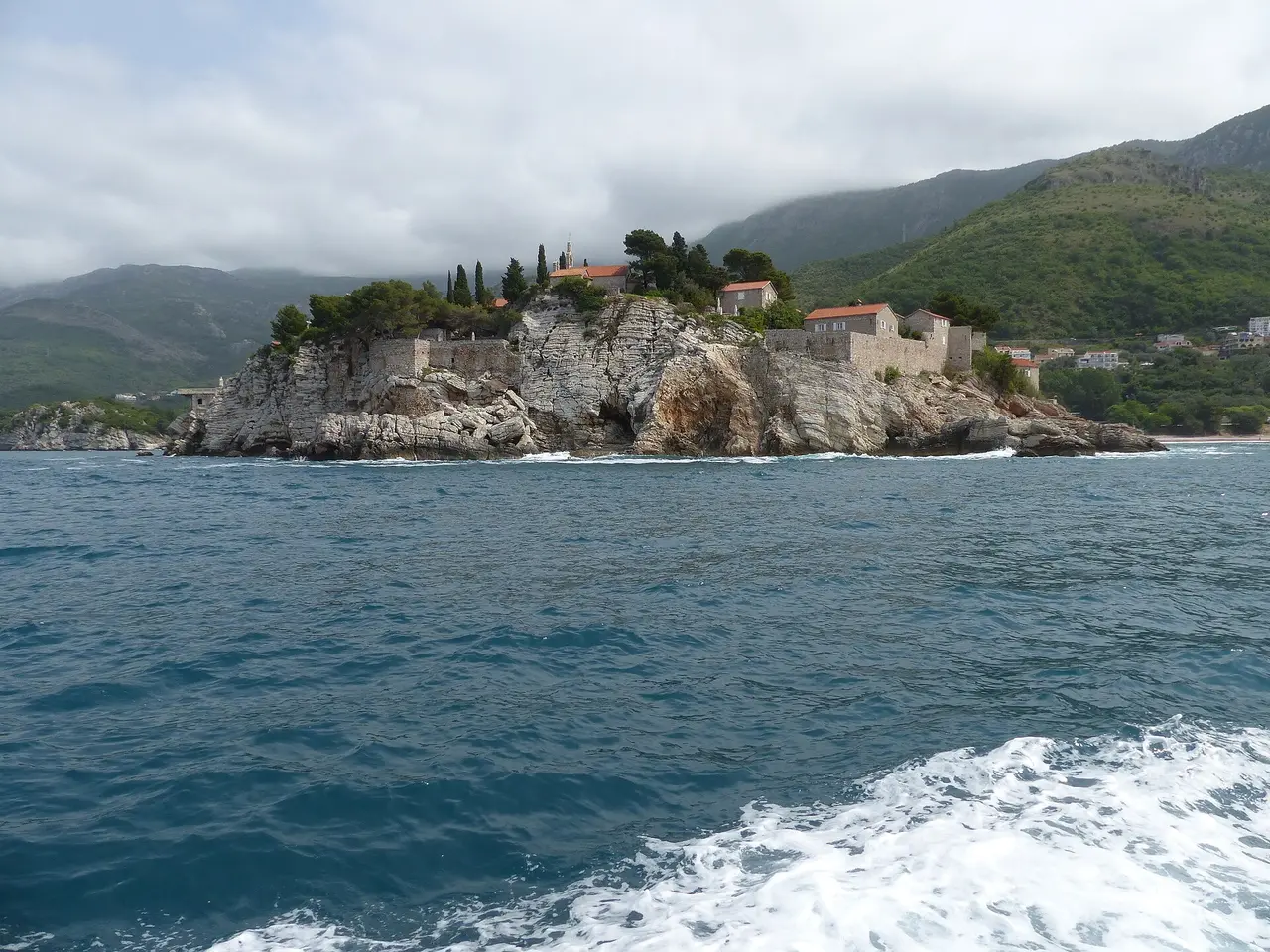
Photo: Wolfgang Sauber / Wikimedia Commons, CC BY-SA 4.0 ( source)
Route map
The map with stops loads on click - to keep the page lightweight.
The map didn’t load. Check your connection and refresh the page.