
Kotor to Dubrovnik: Bus, Transfer, Time & Border
How to get from Kotor to Dubrovnik in 2026: journey time, bus fares, private transfers, the Debeli Brijeg border and EES checks.
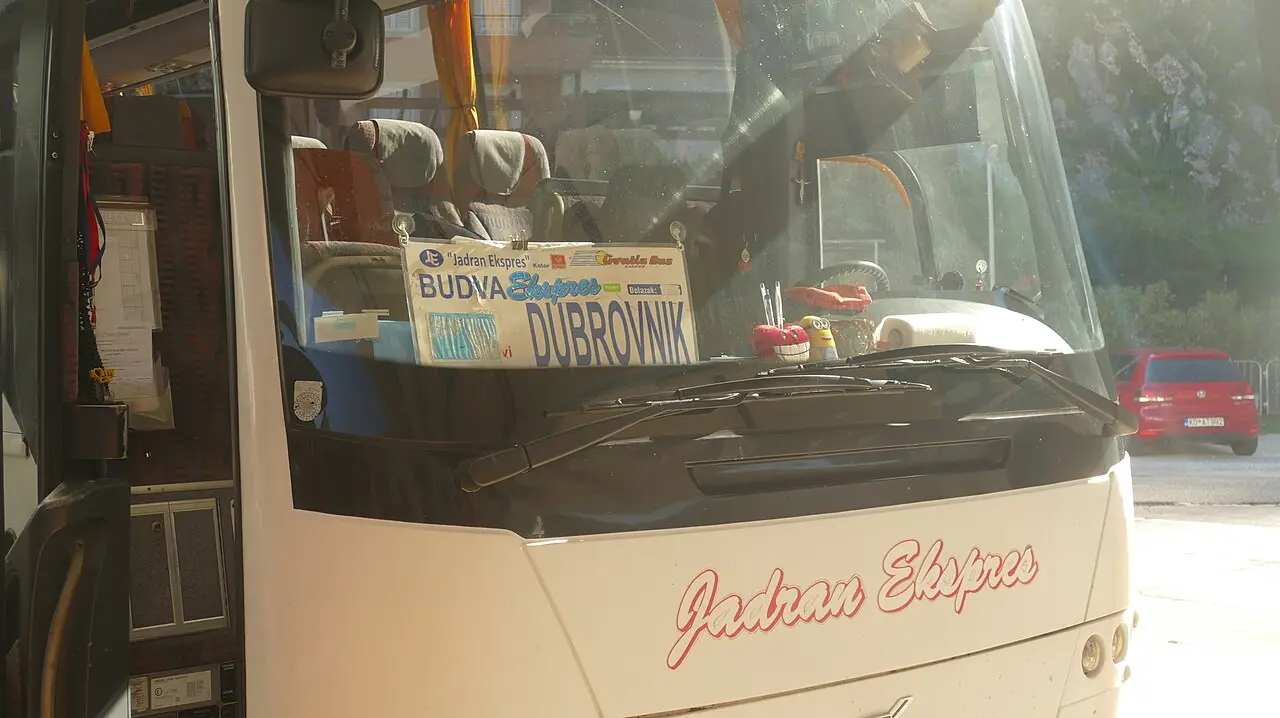
The fastest way from Kotor to Dubrovnik is a direct bus, which takes about 2 to 3 hours for roughly €28-33 and runs up to seven times a day in summer. The catch is the Debeli Brijeg border crossing: Croatia has been in the Schengen Area since January 2023, so this is now a hard external frontier with passport checks both ways (figures and rules checked July 2026 - reconfirm before you travel). Below is how the bus works, when a private transfer makes more sense, what to expect at the border, and how to do the trip in reverse.
The quick answer: bus, transfer or your own car
Three ways cover almost everyone:
- Direct intercity bus - cheapest, no effort, but tied to a timetable and to the queue at the border. Best for solo travellers and anyone on a budget.
- Private transfer - door to door, you set the departure time, and the driver knows the border. Best for groups, early flights out of Dubrovnik, or travelling with luggage and kids.
- Rental car - total freedom and the option to stop in Perast or along the Croatian coast, but you must confirm the car is allowed to cross into Croatia and carry the right papers.
For a one-way airport run to catch a Dubrovnik flight, a transfer is worth the extra cost. For a relaxed sightseeing day, the bus is fine and lets you watch the coast go by.
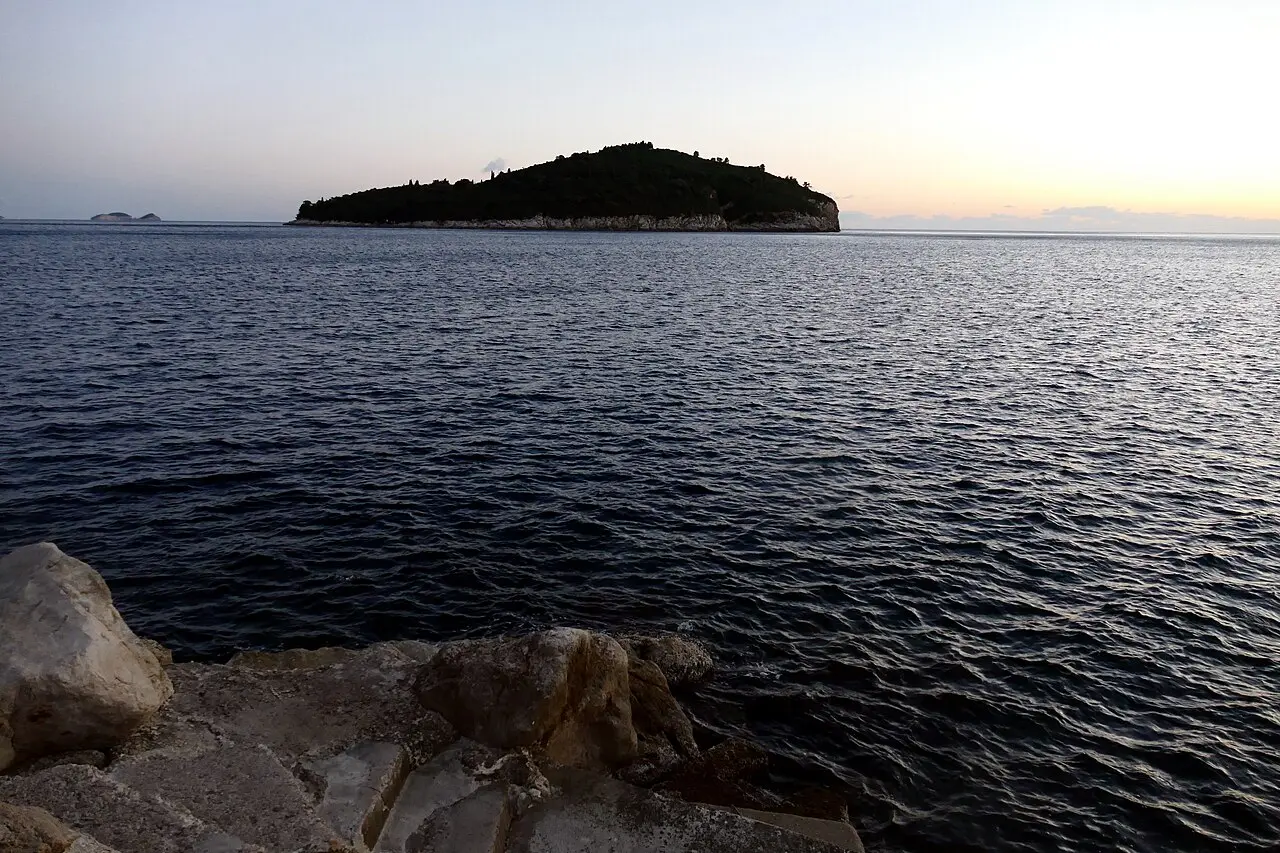
Taking the bus
Buses leave from Kotor’s main bus station, just south-east of the old town, and arrive at Dubrovnik bus station in Gruž, about 3 km from the walled old town (local bus 1A/1B or a taxi covers the last stretch). Several operators share the route - among them Blue Line, Jadran Ekspres, Globtour and Croatia Bus - so in peak season you’ve up to seven departures a day, thinning out in winter.
Reckon on a scheduled 1h 50m to 2h 30m, though the real total depends entirely on the border queue. Fares run roughly €28-33 one way (checked July 2026 - reconfirm); buying ahead online through the operator or an aggregator usually beats the on-the-day counter price and guarantees a seat in July and August.
A few practicalities worth knowing:
- Buy your ticket before travel in high season - popular departures sell out.
- Luggage in the hold often costs €1-2 extra, paid in cash to the driver.
- Keep your passport in your hand, not the hold - you’ll need it at the border, sometimes off the bus.
- The bus waits for everyone at passport control, so one slow passenger slows the whole coach.
The border: Debeli Brijeg and the Schengen rules
The coastal route crosses at Debeli Brijeg on the Montenegrin side / Karasovići on the Croatian side - the busiest land crossing between the two countries, about 40 km south of Dubrovnik. Since Croatia joined Schengen on 1 January 2023, this is a full external Schengen border, which means real checks, not a wave-through.
What that means in practice in 2026:
- EU/EEA citizens can enter Croatia on an ID card, but you need a passport for Montenegro - so carry the passport.
- Non-EU travellers (UK, US, Canada, Australia and others) need a valid passport and may stay visa-free for up to 90 days. ETIAS isn’t yet required at the time of writing (reconfirm - it’s expected to phase in).
- Croatia began the EU Entry/Exit System (EES) at all of its international crossings on 12 October 2025, and it has been running in full since 10 April 2026. On your first entry, non-EU travellers give fingerprints and a facial photo, which adds a few minutes per person; later crossings are quicker once your record exists. Our dedicated Montenegro-Croatia border and EES guide goes through exactly what happens at Debeli Brijeg/Karasovići and the emergency-suspension deadline worth knowing about.
Wait times are the real variable. Out of season the crossing is often 15-30 minutes; in July and August, and especially on weekend mornings, queues of an hour or more are common and can run much longer on the worst days. Travel early, carry water, and do not book a tight connection on the far side.
Private transfer
A pre-booked transfer turns the trip into a single door-to-door ride. You agree a pickup time, the driver collects you from your accommodation in Kotor, handles the border like a routine, and drops you at your Dubrovnik hotel - or straight at the airport, which sits on the Dubrovnik side of the city. For two or more people splitting the fare, or anyone with an early flight, the convenience usually justifies the price over the bus. Confirm the quoted price covers all passengers and bags, and that the driver carries the documents to cross the border with paying passengers.
Driving it yourself
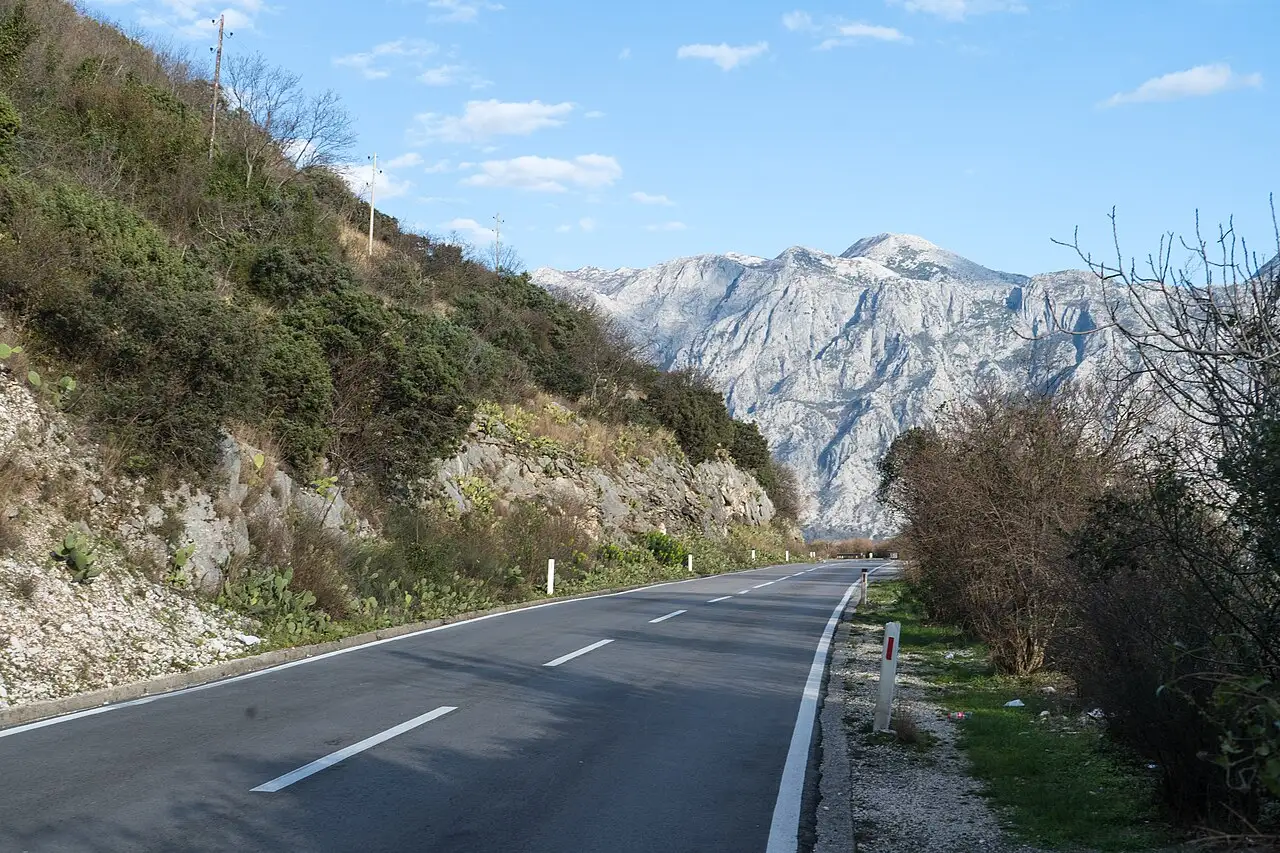
The road distance is about 90 km by the full coastal route, and the drive itself is close to 1.5-2 hours plus the border - the bay slows you down, then the open coast speeds you up. If you’re in a rental car, the single most important check is cross-border permission: many Montenegrin rental contracts allow Croatia but require advance notice and a Green Card for the insurance, while some exclude it entirely. Sort that before you set off. The reward is the freedom to pause in Perast for the island churches or along the Croatian coast for the views down to the walls of Dubrovnik.
Doing it in reverse: Dubrovnik to Kotor
The trip works the same way in the other direction, with the same operators, the same Debeli Brijeg / Karasovići crossing and similar fares of €28-33 (checked July 2026 - reconfirm). Buses leave Dubrovnik’s Gruž bus station and set down at Kotor’s main bus station; the scheduled run is again around 1h 50m-2h 30m before the queue.
Two things flip when you go south:
- You cross out of Schengen into Montenegro, so the same passport checks apply - Montenegro isn’t in the EU, and your EES exit from Croatia is recorded here.
- Many people do this as a day trip from Dubrovnik, which means the late-morning buses and the border can be busiest mid-morning; an early start beats the crowd both at the crossing and in Kotor’s old town.
If Kotor is your base, the bus back from Dubrovnik is the simplest option; if Dubrovnik is your base and you only want Kotor for the day, a transfer or organised tour that handles the border can be less stressful than the public bus - our Dubrovnik to Montenegro day trip lays out the timings, the border wait and what you can realistically see. Landing at Dubrovnik Airport and going straight into Montenegro (Herceg Novi, Kotor or Budva) is a different job - use Dubrovnik Airport to Montenegro for that corridor. Once you reach the city itself, our Dubrovnik travel guide covers the Old Town walls, the best day trips and where to stay.
Where this fits in your trip
Crossing to Dubrovnik pairs naturally with the rest of your Montenegro travel. For the bigger picture of buses, taxis and ferries around the country, see getting around Montenegro; to plan your time in the bay itself, start with the Kotor guide. Cross early, keep your passport handy, and the border is just a pause in one of the prettiest coastal rides in the Adriatic.
Photos
Read also

Transport · 9 min read
Getting to Durmitor & Žabljak: Bus, Car, Tours
Verified · September 3, 2026Podgorica bus €10-12 (2h15-2h45), Budva €22-25, Kotor €20-23, drive times and KiwiTaxi from €253. Fares checked 3 Sep 2026.

Transport · 10 min read
Montenegro to Albania: Buses, Borders & Day Trips
Verified · August 22, 2026Budva-Tirana buses (~5.5 h), Ulcinj-Shkodër via Sukobin, Božaj/Hani i Hotit, day trips and the ride back, in one place.

Transport · 14 min read
Taxis in Montenegro: Apps, Prices & Scams to Avoid
Updated · September 25, 2026Montenegro taxi fares in August 2026: real municipal price bands in Budva, Kotor and Podgorica, airport surcharges, apps, and scams to avoid.

Transport · 8 min read
Balkan Car Hire: Crossing Borders Without a Refusal
Verified · August 15, 2026A hire car crosses these borders on paperwork, not luck: written permission, a Green Card in some countries and not others, and one country nobody insures.