
Montenegro vs Croatia: Which to Visit
Montenegro or Croatia for your Adriatic trip? Costs, beaches, cities, crowds and scenery compared honestly - plus who each country actually suits.
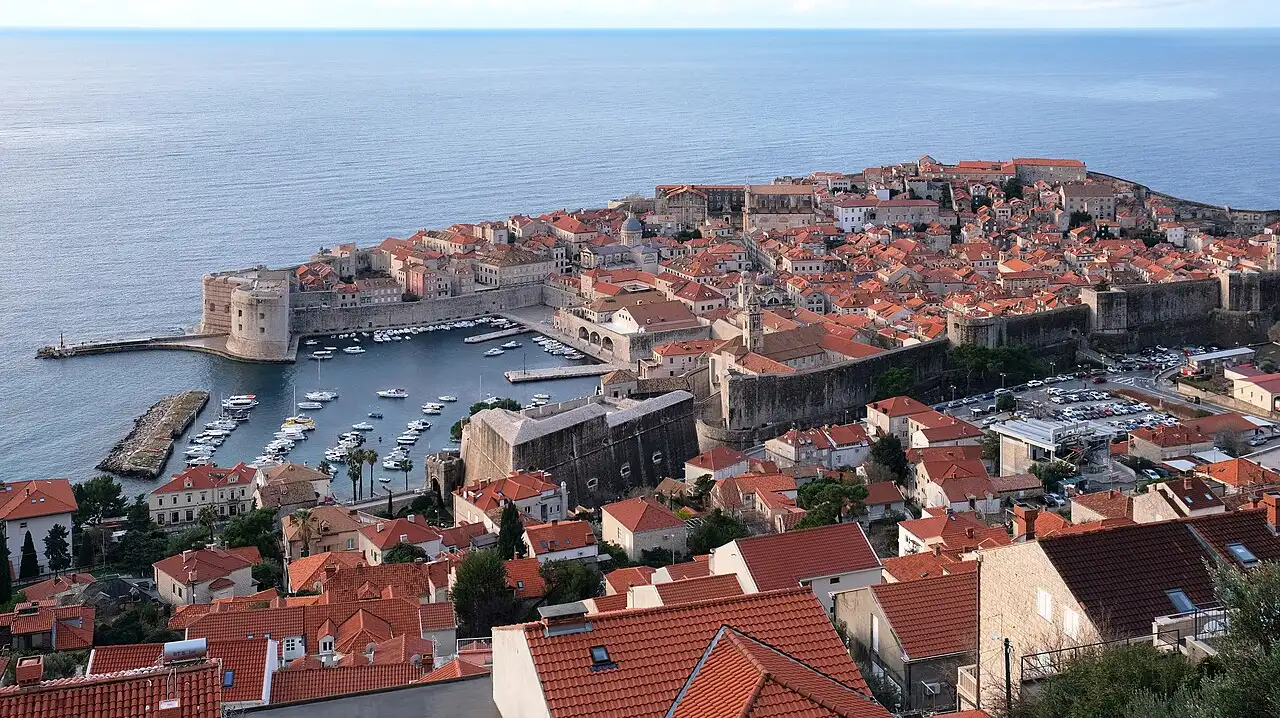
Croatia and Montenegro share the same stretch of the Adriatic and border each other, but they make very different trips. Croatia is bigger, more polished and pricier - a thousand islands, walled cities like Dubrovnik and Split, and a mature tourism machine. Montenegro is smaller, cheaper and more vertical - mountains that drop straight into the sea, all packed into a coastline you can drive in a day. Pick Croatia for island-hopping, sailing and a longer, more varied trip; pick Montenegro for mountains-and-sea on a shorter, lower budget.
The good news is you don’t always have to choose. Dubrovnik sits barely two hours from the Bay of Kotor, so plenty of people do both in one trip. But if you only have a week and one country, the right answer depends on what you actually want out of it. There’s no obvious winner here - just a set of trade-offs that land differently depending on the kind of traveller you are.
The quick verdict
If you’re short on time, this is the gist:
- Choose Croatia if you want island-hopping or a sailing trip, more cities and routes to fill two weeks or more, EU-standard infrastructure and lots of direct flights, or you’re chasing Dubrovnik and the Dalmatian classics.
- Choose Montenegro if you want mountains and sea in one compact trip, a lower budget (especially outside the Bay of Kotor), a one-week road trip, or somewhere that still feels a little less packaged.
- Do both if you’ve 10 days or more - the two coasts join up neatly around Dubrovnik and the border, and our Croatia and Montenegro itinerary plans the combined trip.
Everything below is just the detail behind those calls.
Cost: Croatia is pricier, but it depends where
On the whole, Montenegro is the cheaper country. Tourist-zone Croatia tends to run roughly 30 to 40 percent more expensive than the equivalent in Montenegro, and various trip breakdowns put a week for a couple at several hundred euros less on the Montenegrin side. Food, drinks and activities are generally softer on the wallet, and the gap widens the further off the beaten track you go.
But the averages hide an important twist. Montenegro’s coast is no longer uniformly cheap: the Bay of Kotor has been pushed up by cruise tourism, so Kotor and Budva in July can cost close to what you would pay in parts of Croatia. Meanwhile, central Dubrovnik in peak season is genuinely expensive - accommodation there can run more than double a similar place in Budva or Kotor. So the real picture is: Croatia is pricier on average and Dubrovnik is the priciest spot of all, but Kotor is no bargain either, and the best value anywhere is inland or in southern Montenegro (Bar, Ulcinj, the mountains).
Coast and beaches
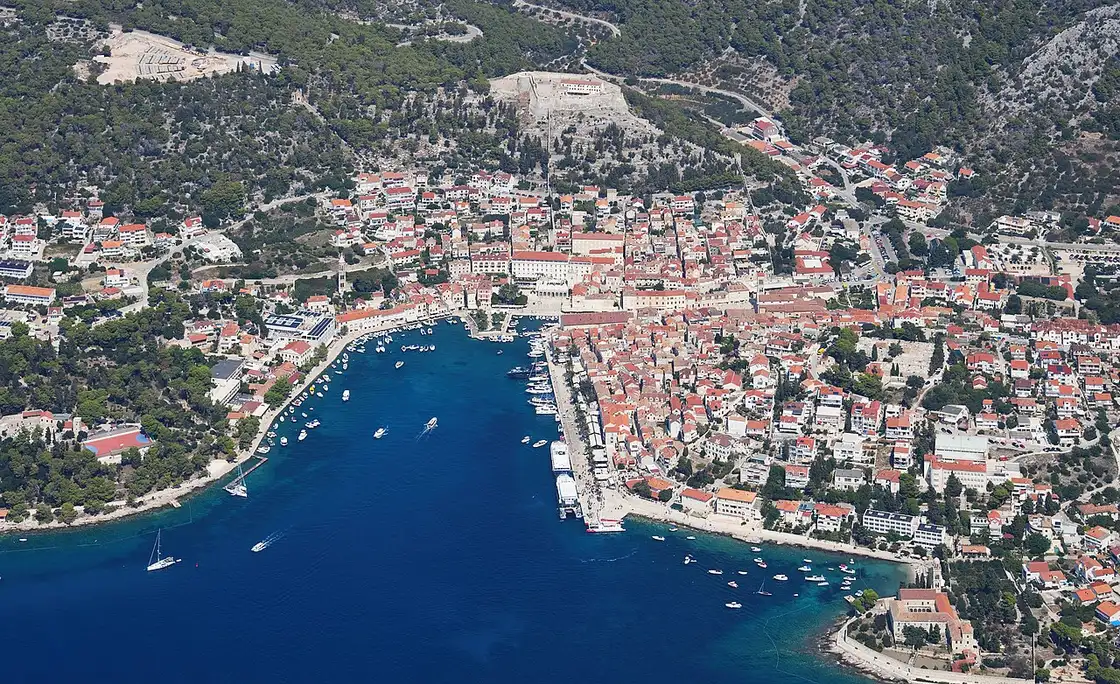
This is where the two really diverge. Croatia’s coastline is vast - more than a thousand islands and islets, a ferry network that turns island-hopping into the whole holiday, and a coast long enough to spend two weeks and never repeat yourself. If your dream is hopping between Hvar, Korcula and Vis by boat, or chartering a yacht through the Dalmatian islands, Croatia has no rival here. Its beaches are mostly pebble, backed by pine and clear water.
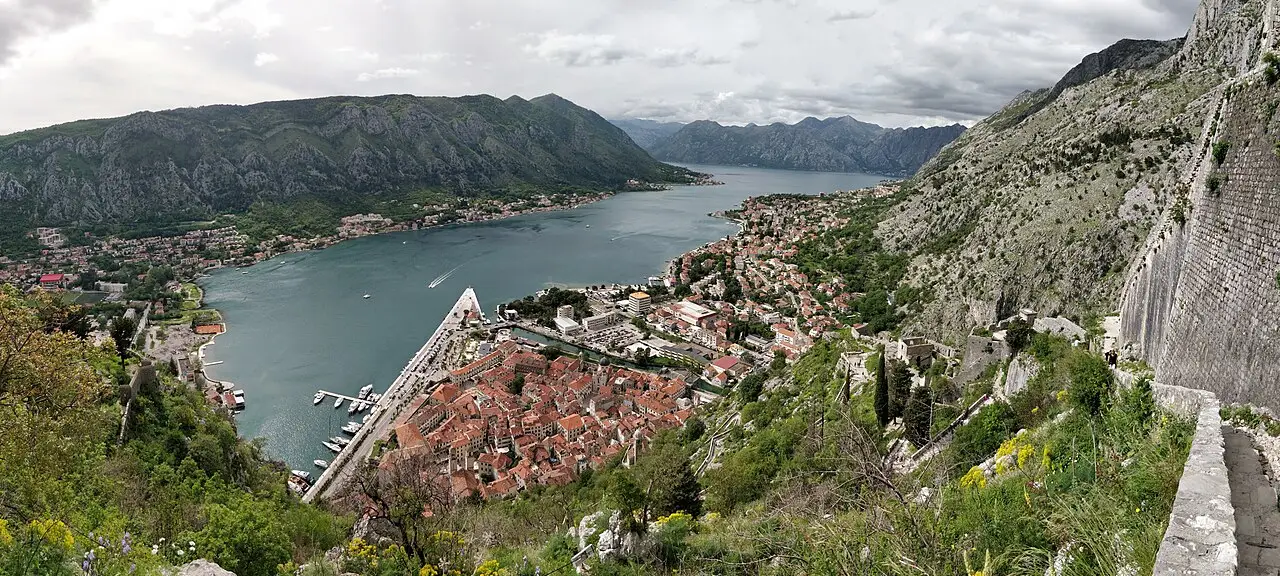
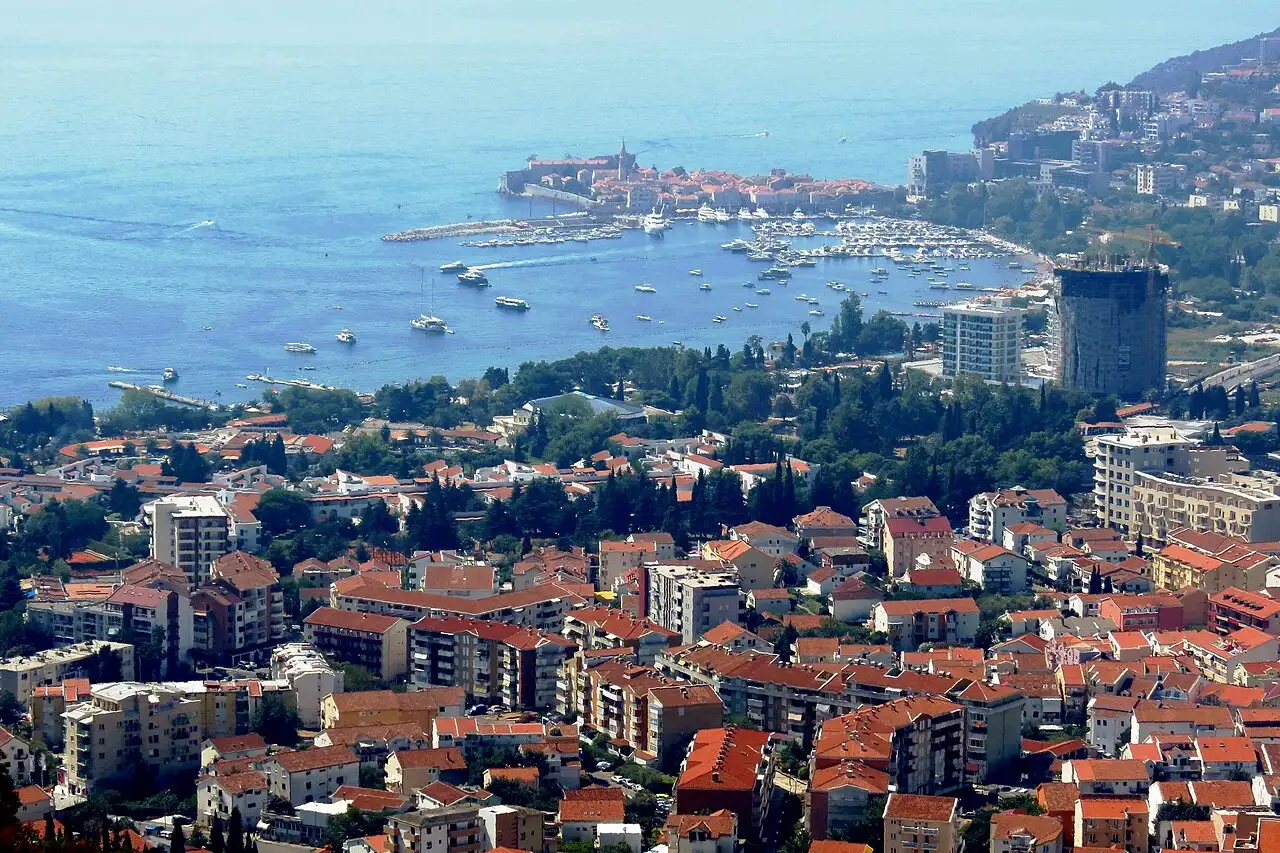
Montenegro’s coast is short and concentrated - roughly 100 km, so everything is close together - that’s a real advantage if you want variety without long transfers. Its beaches are a mix of pebble and sand, with a few genuinely sandy stretches in the south like Velika Plaza near Ulcinj. What Montenegro lacks in island choice it makes up for in the drama of the Bay of Kotor and the fact that the mountains are always right there behind the beach. For the full breakdown of the Montenegrin side, see the best beaches in Montenegro.
Cities, culture and crowds
Both countries have UNESCO-listed walled old towns, and both have a crowding problem in the same places for the same reason: cruise ships. Dubrovnik is the bigger, grander city - a town of around 42,000 with an old town you can lose hours in, doubling as a Game of Thrones pilgrimage site. It’s also had the most visible overtourism backlash, and has brought in limits on cruise arrivals to cope. Kotor is about a third of the size, roughly 13,000 people, with a tiny old town that feels packed the moment a cruise ship or two empties out.
Croatia has more urban variety overall - Split’s Diocletian’s Palace, the walls of Trogir, Istrian hill towns, Zagreb inland - whereas Montenegro’s cultural hits are more concentrated around the bay and the old royal capital of Cetinje. In both countries it’s the same trick: see the famous old towns early morning or evening, not at midday when the ships are in. If you want a fuller sense of what fills a Montenegro trip beyond the coast, the things to do in Montenegro guide lays it out.
Nature beyond the beach
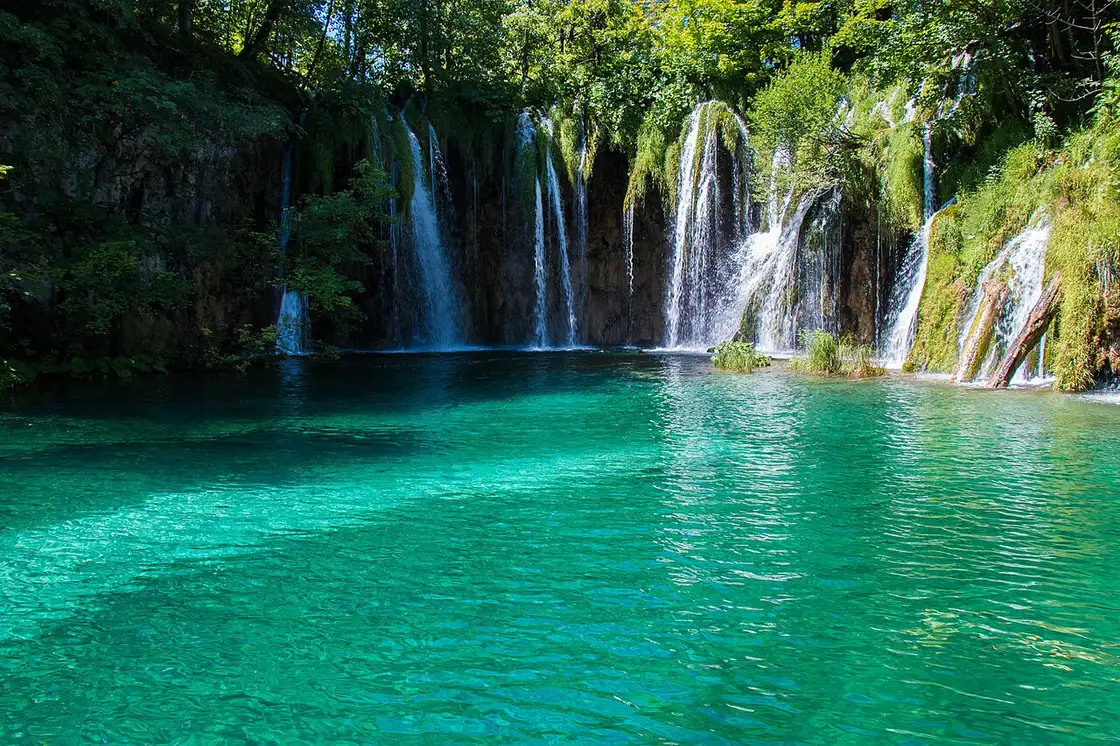
If your idea of a trip includes getting off the coast, both deliver but in different registers. Croatia does water and forest: Plitvice Lakes and Krka with their waterfalls and turquoise pools, plus the endless island seascapes. It’s a maritime country at heart. Montenegro does altitude: Durmitor National Park, the Tara Canyon (the deepest river gorge in Europe), the Lovcen serpentine and Lake Skadar, most of it within a couple of hours of the coast. The vertical drama - mountains rising straight from the sea in the Bay of Kotor - is Montenegro’s signature, and it’s genuinely hard to match.
Neither is “more beautiful” than the other; they’re beautiful differently. Croatia is wider and more about the sea; Montenegro is more compact and more about the mountains meeting it.
Getting there, and doing both
Croatia is easier to reach - it’s an EU and Schengen member with the euro since 2023, a dense network of budget and legacy flights, and the big Jadrolinija ferry system linking the islands. Montenegro sits just outside the EU and Schengen (most nationalities get 90 days visa-free) and uses the euro unofficially; its two airports, Tivat and Podgorica, have fewer routes but plenty of summer connections.
The two join up well. Dubrovnik to the Bay of Kotor is about a two-hour drive with a land border crossing, and it’s one of the most popular combined trips in the region - the Croatian classics plus the drama of the Montenegrin bay. If that’s your plan, our guide to a Dubrovnik to Montenegro day trip covers the practicalities, and for the deeper Dubrovnik side of the equation the sister Dubrovnik travel guide on our Croatia site goes into detail.
So, which should you visit?
There’s no single winner - it comes down to the trip you want:
- First Adriatic trip, want the famous highlights and island-hopping - Croatia.
- Mountains and sea in one short, scenic, better-value week - Montenegro.
- Sailing or a two-week, multi-city coast - Croatia, comfortably.
- A road trip mixing beaches, canyons and old towns - Montenegro.
- Ten days or more and can’t decide - do both, and let the Dubrovnik-Kotor corridor stitch them together.
If Montenegro is winning you over, the next step is working out how to spend the time - our 7-day Montenegro itinerary maps out a coast-and-mountains loop, and where to stay in Montenegro helps you pick a base. Still on the fence about the country itself? Our is Montenegro worth visiting take is the honest overview.
Read also

What to see · 10 min read
Hiking Bobotov Kuk: Durmitor Highest Peak
Verified · September 4, 2026Bobotov Kuk hike at 2,523 m: Sedlo (~10 km RT) vs Lokvice from Black Lake, €5 park fee, cables, season and early-start tips.

What to see · 10 min read
Swimming in the Bay of Kotor: Beaches & Lidos
Updated · August 31, 2026Can you swim in Kotor? Yes - on Dobrota pontoons, Morinj and small Boka shores. Water quality, season and what to expect.

What to see · 11 min read
Rent a Boat in Kotor Bay: No Licence Needed
Updated · September 5, 2026Private boat rental in Kotor Bay 2026: skippered hire from €90/h, bareboat prices, licence rules, speed limits and where boats leave from.

What to see · 9 min read
Piva Lake & Canyon: Montenegro's Emerald North
Updated · August 27, 2026Piva Lake guide: the 45 km emerald reservoir, Mratinje Dam, boat trips from Plužine, the relocated Piva Monastery and how to pair it with Durmitor.