
Dubrovnik to Montenegro Day Trip: Bus, Ferry or Tour
How to do a Dubrovnik to Montenegro day trip in 2026: organised tours, the bus to Kotor, driving yourself, what to see in Perast and Kotor, and the border.
A Dubrovnik to Montenegro day trip is very doable, and for most people the easiest version is an organised small-group tour that runs Perast and Kotor (sometimes Budva) for roughly €30-68 per person, handles the border, and gets you back by evening. You can also do it yourself by direct bus to Kotor (about €28-33 one way, 2.5-3.5 hours with the border) or by rental car. The one thing that decides how your day goes is not the transport - it’s the queue at the Croatia-Montenegro border, which can swallow hours in July and August. Here’s how each option works, what you can realistically see in a day, and how to keep the border from ruining it.
Tour, transfer, bus or car: which to pick and why
There are four ways to cross into the Bay of Kotor for the day, and they suit different travellers.
| Option | Rough cost | Best for |
|---|---|---|
| Small-group tour | €30-68 pp | First-timers, no-hassle day, no driving |
| Private tour / transfer | ~€120-166 per car | Families, groups, a custom pace |
| Direct bus to Kotor | €28-33 one way | Solo travellers on a budget |
| Rental car | Car hire + Green Card | Stopping where you like, staying flexible |
A tour is the path of least resistance. A bus is company, and someone else deals with the timetable. Prices and timings shift with the season, so treat every figure here as a 2026 ballpark and confirm before you book.
A private tour or transfer is the middle path - a car and driver just for you, door to door, roughly €120-166 for the vehicle rather than per head. On your own that’s dear, but split between three or four it lands close to the price of a group tour, and you buy real flexibility: leave when you like, dodge the worst of the border queue, and ask the driver to add a stop or linger somewhere the coach would skip. For a day trip that last point matters - you can build the route around what you actually want to see.
The bus is the cheapest way in, but it’s also the slowest and the least forgiving: you’re tied to a departure time, and if the border is busy the coach waits with everyone else. More than one traveller who’s done it by public bus comes back saying the same thing - it eats a large chunk of the day, and cars clear the crossing faster than buses do. If your time in Dubrovnik is short, that matters.
A rental car gives you the most freedom - pull over in Perast, linger at a viewpoint, leave when you like - but there’s paperwork. Most Croatian rental contracts allow Montenegro only with advance notice and a Green Card for the insurance, and a few exclude it entirely. Sort that out before you drive to the border, not at it.
The border: the thing that makes or breaks your day
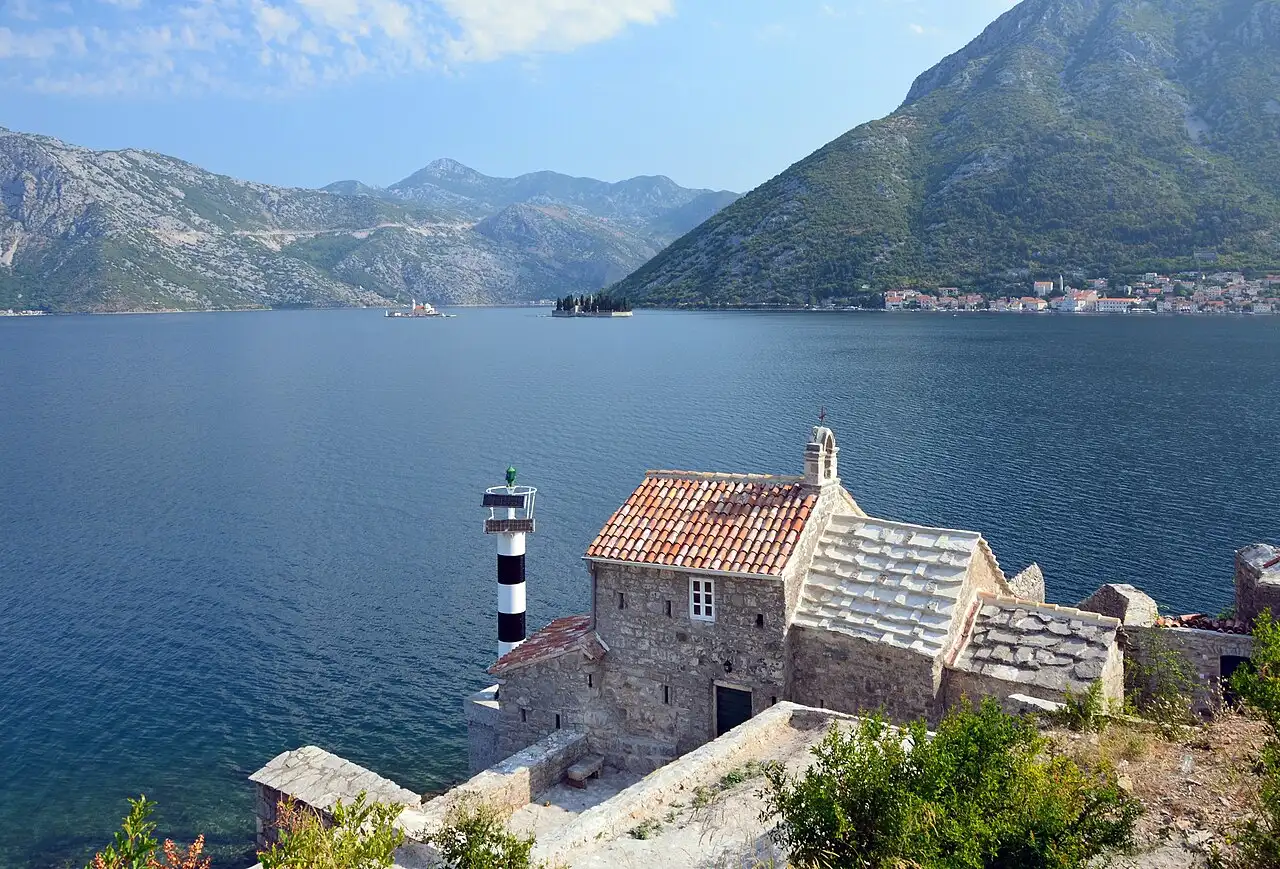
The coastal route crosses at Debeli Brijeg on the Montenegrin side, Karasovići on the Croatian side - the busiest crossing between the two countries, about 40 km south of Dubrovnik on the Adriatic Highway. It’s the one variable you can’t control and the one most likely to eat your time, so it’s worth understanding before you set out.
Wait times swing wildly with the season. Out of season the crossing is often 15-30 minutes. In July and August it routinely runs 2-3 hours, and on the worst weekend mornings - the mid-morning window, roughly 10am to 2pm - queues can stretch past four hours. That’s the single biggest reason to leave early: organised tours pick up around 7-8am for exactly this reason, and an early self-drive start beats the crowd both at the border and in Kotor’s lanes.
A few things to know before you go:
- Carry your passport - an EU ID card isn’t enough for Montenegro, which is outside the EU.
- The EU Entry/Exit System (EES) went live at Schengen borders on 10 April 2026. On your first crossing, non-EU travellers give fingerprints and a facial photo, which adds a few minutes per person; later crossings are quicker (checked July 2026 - reconfirm).
- ETIAS is not required yet - it’s expected to phase in later in 2026, so check the current rule before you travel and ignore any site trying to sell you one now.
- A second, smaller crossing at Njivice (officially Kobila, signed Konfin) exists, but it can’t handle the same traffic; the coastal Debeli Brijeg route is what buses and tours use.
For the full breakdown of the crossing, fares and doing the trip as a point-to-point journey rather than a loop, see our guide to Kotor to Dubrovnik by bus, transfer and the border.
Taking the bus yourself
If you’d rather go independent, direct buses leave Dubrovnik’s Gruž bus station and pull in at Kotor’s main bus station, which sits right by the old-town walls - you’re at the main gate in a couple of minutes on foot. In summer there are up to seven departures a day (far fewer in winter), run by operators such as Blue Line, Jadran Ekspres, Globtour and Croatia Bus. Fares are roughly €28-33 one way, and the scheduled run is 1h50-2h30 - before the border adds its share.
Two practical points decide whether the day works. First, buy your return leg in advance in high season and know the time of the last bus back to Dubrovnik - miss it and you’re stuck for the night. Second, have your passport on you, not packed away in a suitcase under the bus: you’ll need it in hand at the crossing, sometimes stepping off the coach, and the bus only rolls on once the slowest passenger is back aboard. Putting a large bag in the hold typically costs a euro or two, paid to the driver in coins on top of the fare.
Done this way, the bus is a genuine budget day out - but it’s a long one, and it leaves you less time on the ground than a car or a tour that starts at dawn.
What you can actually see in a day
A realistic day trip is Perast and Kotor, with Budva as a bonus if the border was kind. Trying to add Sveti Stefan and the mountains on top is how people end up spending the whole day in a car.
Perast and Our Lady of the Rocks
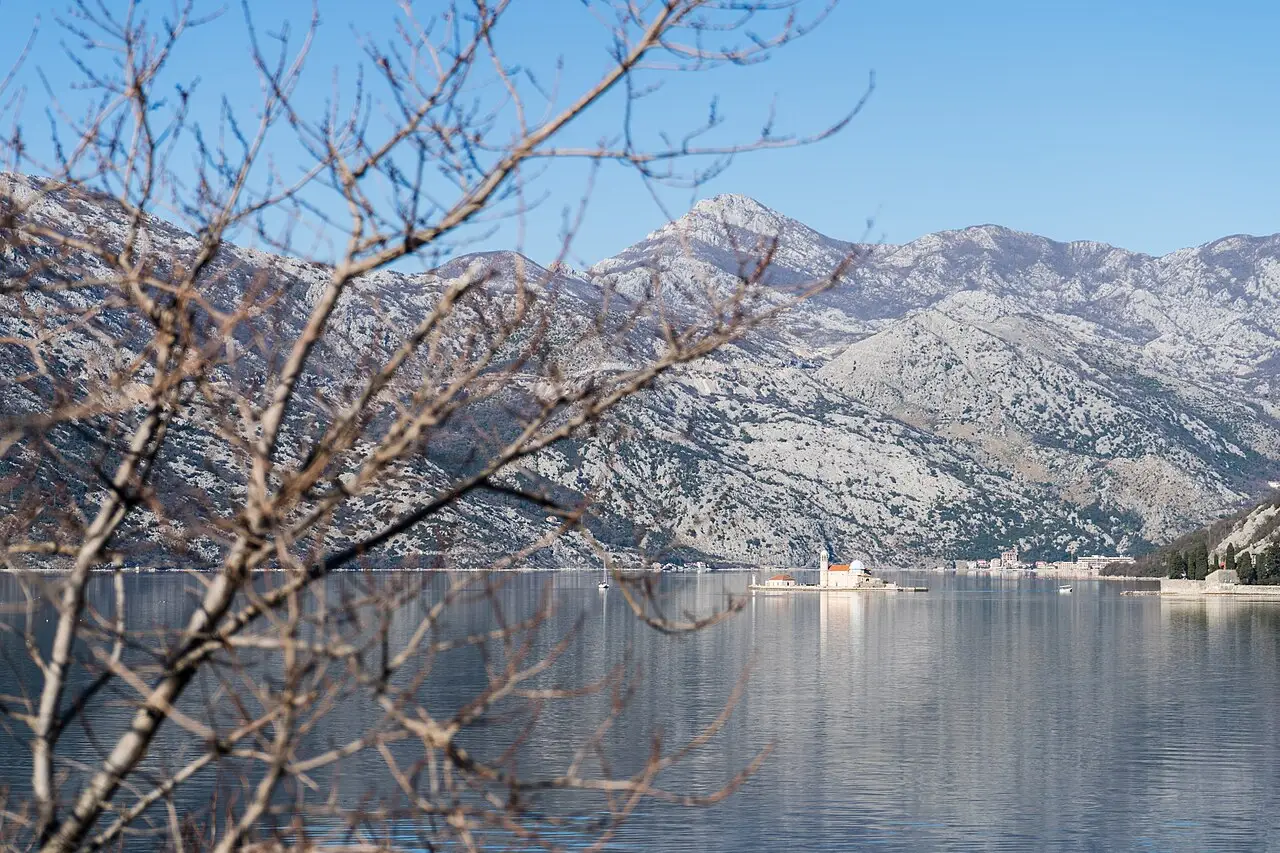
Most tours stop first in Perast, a single-street baroque town strung along the bay with no cars in the centre. The reason to stop is the boat: a five-minute hop out to Our Lady of the Rocks (Gospa od Škrpjela), the man-made islet with the blue-domed church, built up over centuries on a rock where sailors dropped stones. The return boat is about €5-10, and the little church museum charges around €2 to go in. Half an hour on the island is plenty.
Kotor Old Town
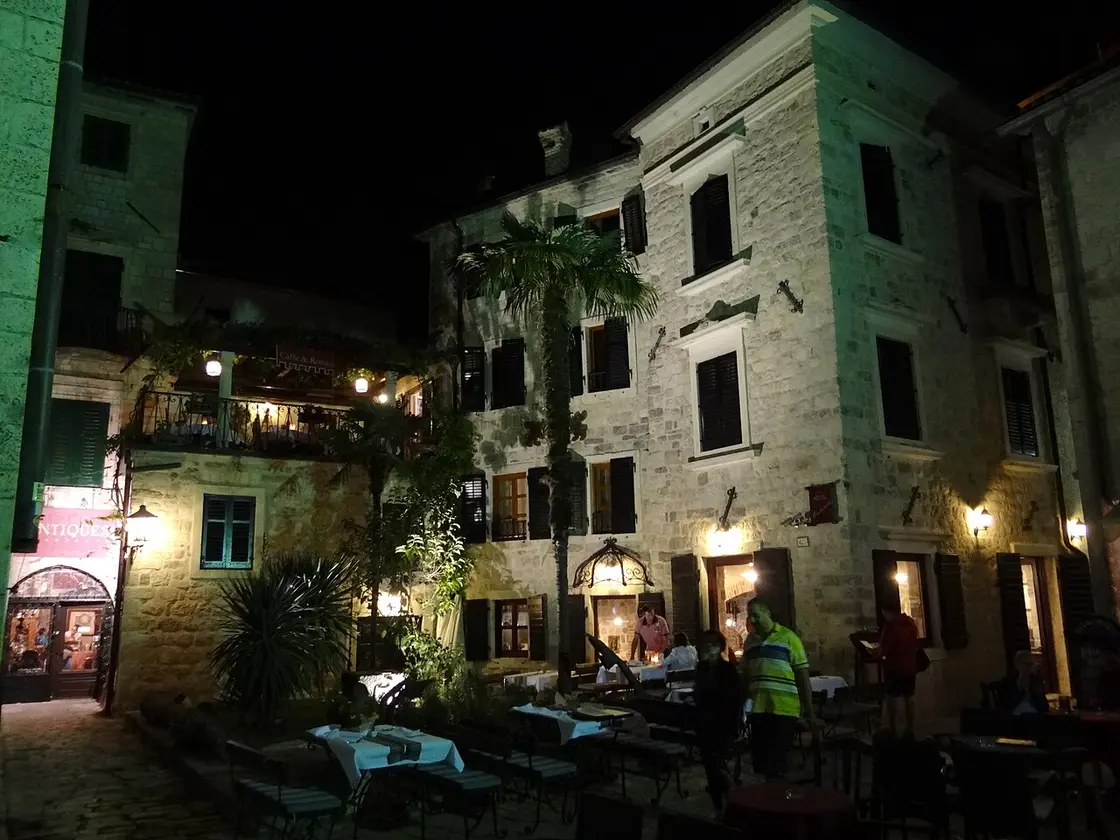
Then it’s on to Kotor, the highlight and the reason the trip exists. The old town is a compact tangle of stone lanes, squares and churches behind medieval walls, at the very head of the bay under a wall of mountains. Two hours covers the lanes, the main square, St Tryphon’s Cathedral and a coffee; add time if you want to climb the city walls up to the San Giovanni fortress for the view straight down onto the red roofs and the water. It’s a steep, sweaty climb - take water and don’t do it in the midday August heat.
Budva, if there’s time
Longer and private tours tack on Budva, half an hour south - another walled old town, this one on an open-sea peninsula with beaches on both sides and a livelier, more resort-like feel than Kotor. It’s a good add-on, not a must. If the border cost you the morning, drop Budva and give the time back to Kotor; the bay is what you came for.
Which option should you pick?
- Book a small-group tour if you want the simplest possible day - you’ll see Perast and Kotor, someone else drives and deals with the border, and you’re back for dinner in Dubrovnik.
- Take a private tour or transfer if you’re a family or small group, want to set your own pace, or care about clearing the border faster than a full coach.
- Take the bus if you’re solo, counting every euro, and happy to trade time for money - just pin down the last bus back.
- Drive yourself if you want to stop where you like and you’ve sorted the cross-border paperwork and Green Card in advance.
Whichever you choose, the rule is the same: go early, keep your passport handy, and don’t over-pack the itinerary. Perast and Kotor in a relaxed day beat a frantic dash through five places.
Where this fits in your trip
If Montenegro turns out to be more than a day - and it usually does - plan the rest with our guide to getting around Montenegro for buses, taxis and the Bay of Kotor ferry, and start your time in the bay with the Kotor guide. Coming the other way, from a Montenegro base up to Croatia, the same border and operators are covered in Kotor to Dubrovnik. And if you’re building the Croatian side of the trip, our sister site’s Dubrovnik travel guide covers the Old Town walls and where to stay.
Route day by day
- Days on the road
- 1
- Distance
- ≈90 km
- Budget from
- 30 EUR
- Best season
- May, June, September, October
The route at a glance
-
Perast
Route startstop ≈90 min
A tiny baroque town on the Bay of Kotor, and the launch point for the short boat to Our Lady of the Rocks - the man-made islet with the blue-domed church. Most tours stop here first, before Kotor.
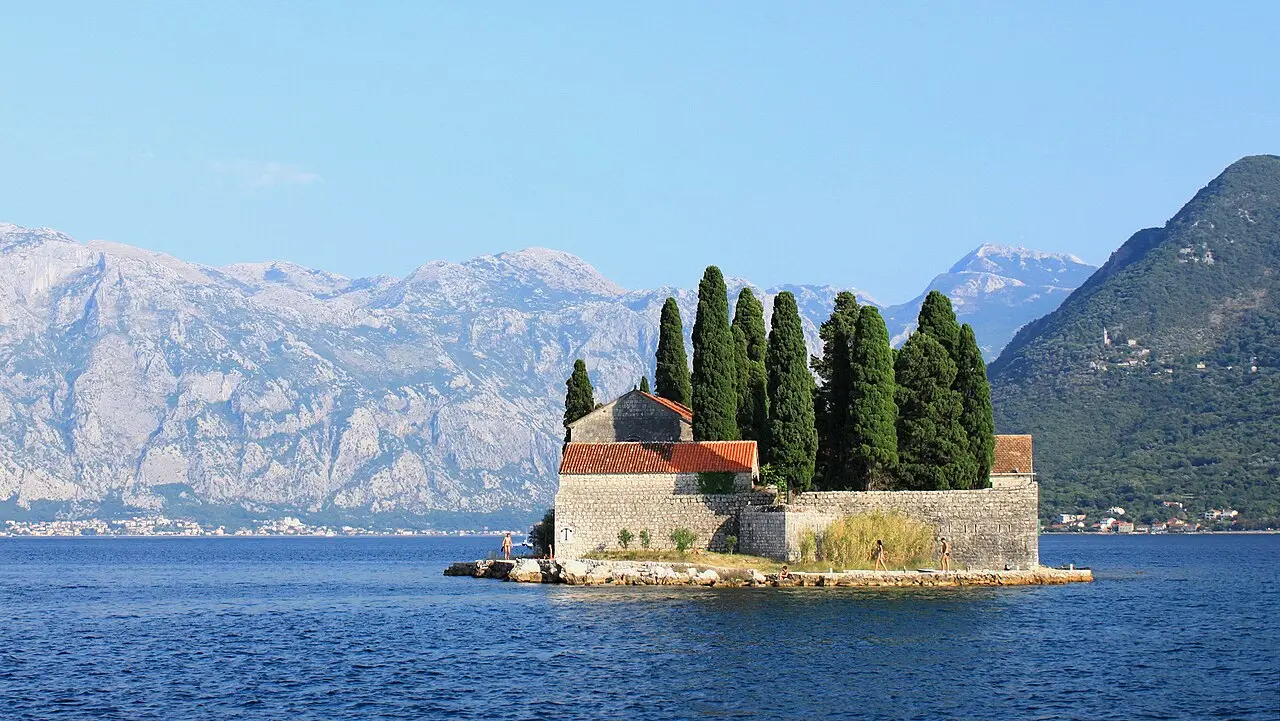
Photo: Marcin Konsek / Wikimedia Commons, CC BY-SA 4.0 ( source) -
Kotor
72 km from the startstop ≈150 min
The main event: a walled UNESCO old town at the head of the bay, with a maze of stone lanes and the city walls climbing to the San Giovanni fortress. Two hours is enough for a first look; longer if you climb.
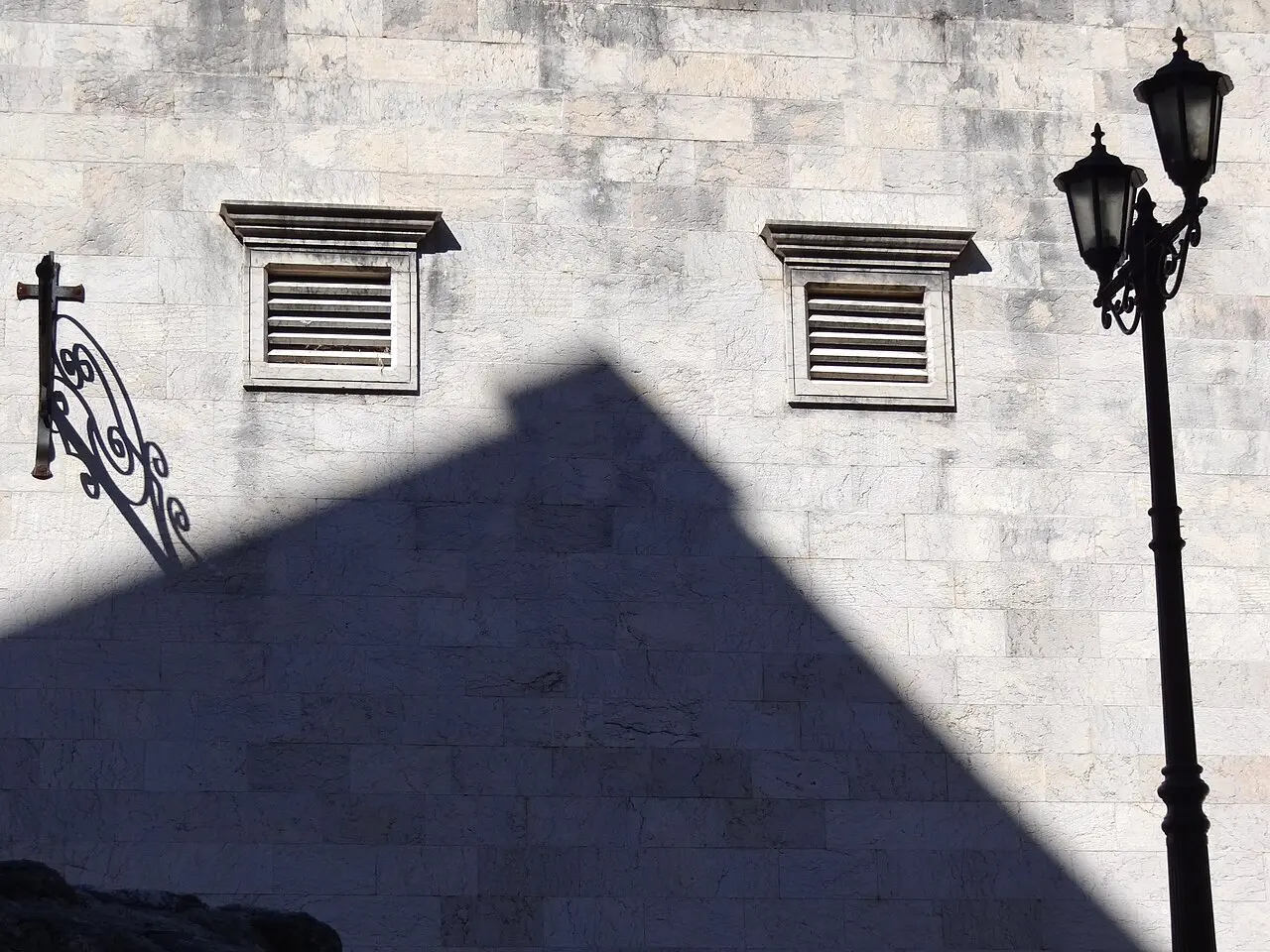
Photo: Adam Jones, Ph.D. / Wikimedia Commons, CC BY-SA 3.0 ( source) -
Budva (optional)
90 km from the startstop ≈90 min
Added by longer and private tours: a second walled old town on an open-sea peninsula, with beaches either side. Skip it if the border queue ate your morning - Kotor and Perast are the priority.
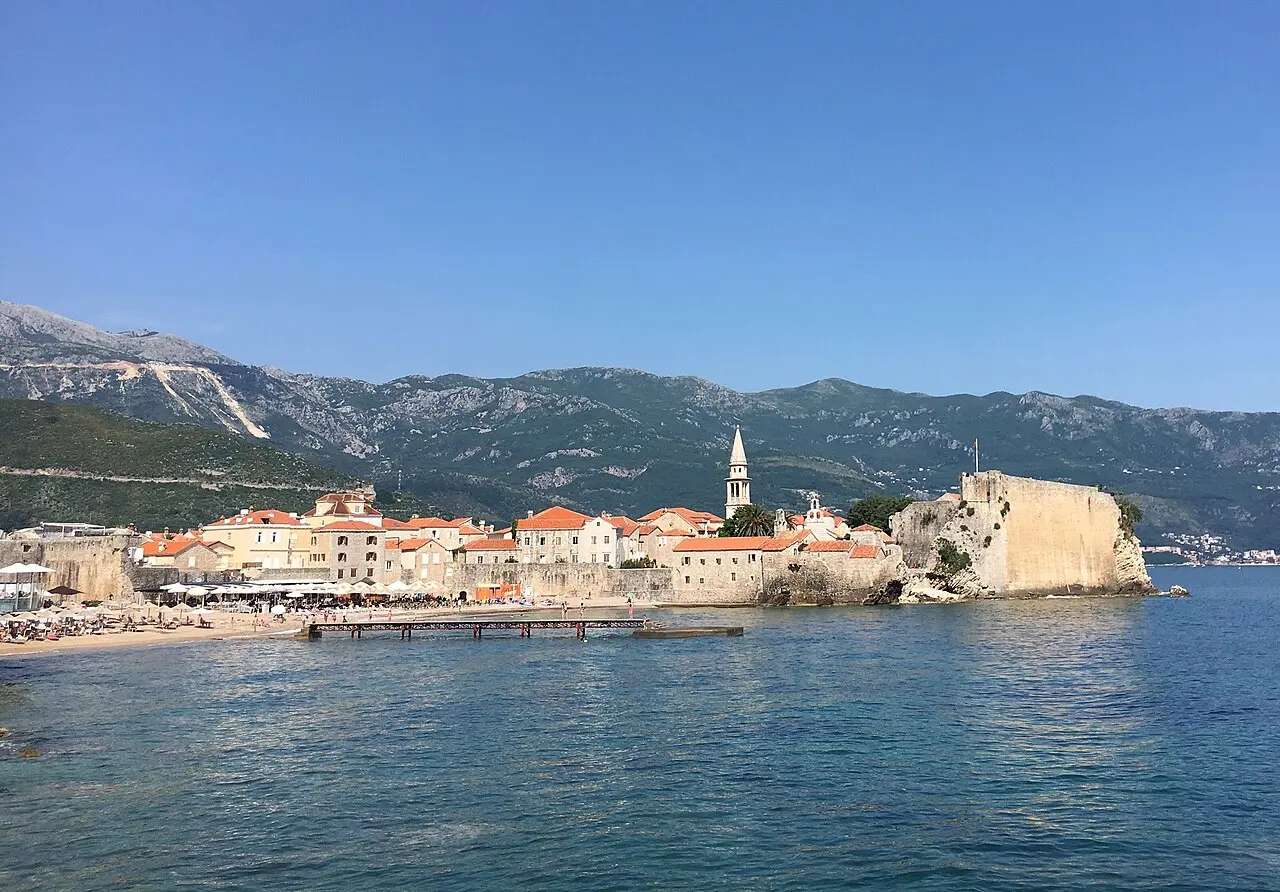
Photo: Dirgela / Wikimedia Commons, CC BY-SA 4.0 ( source)
Route map
The map with stops loads on click - to keep the page lightweight.
The map didn’t load. Check your connection and refresh the page.