
Kotor or Herceg Novi: Which Bay Town to Stay In
Kotor or Herceg Novi as your Bay of Kotor base? Old towns, beaches, cruise crowds, Dubrovnik access and prices compared - who each town suits.
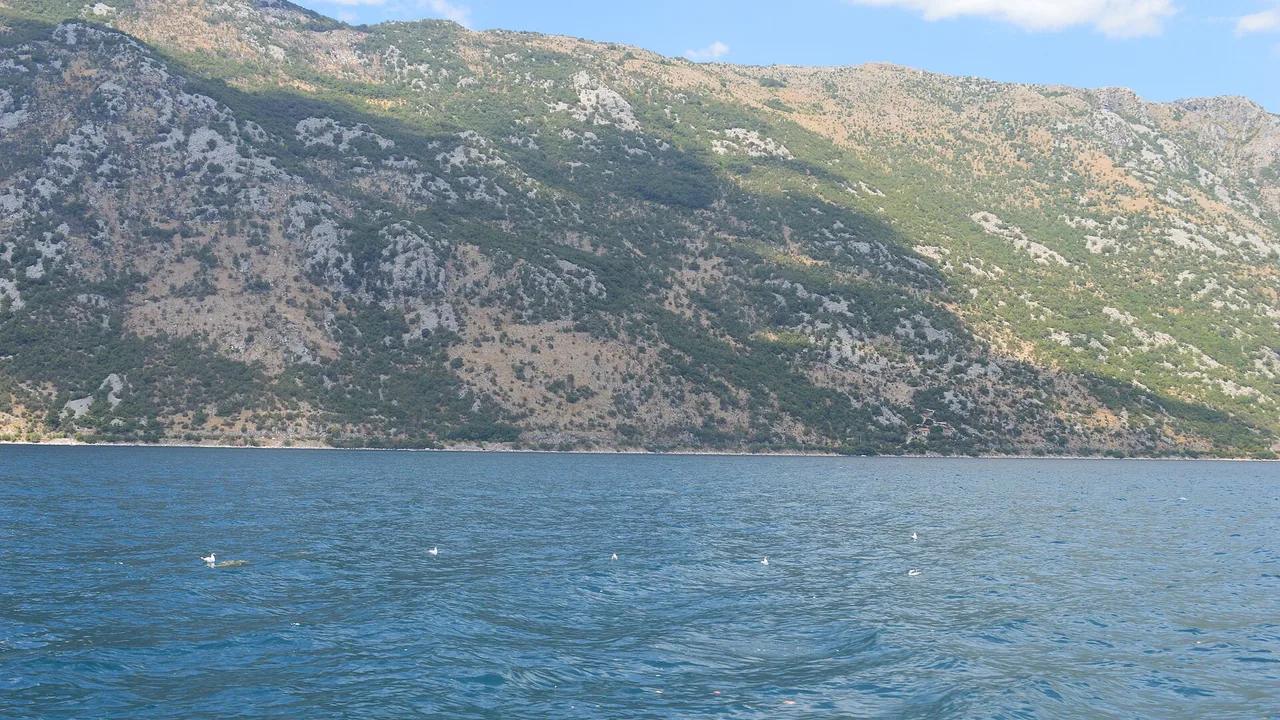
Pick Kotor for the UNESCO old town, the fortress climb and Perast boat trips at the dramatic head of the bay. Pick Herceg Novi for more sun, easier swimming off a long seafront promenade, a local-feeling old town and the shortest link to Dubrovnik and Croatia. They’re about 43 km apart by the shore road around the bay - roughly about an hour by bus - so you’re picking a mood, not locking yourself out of half the Boka.
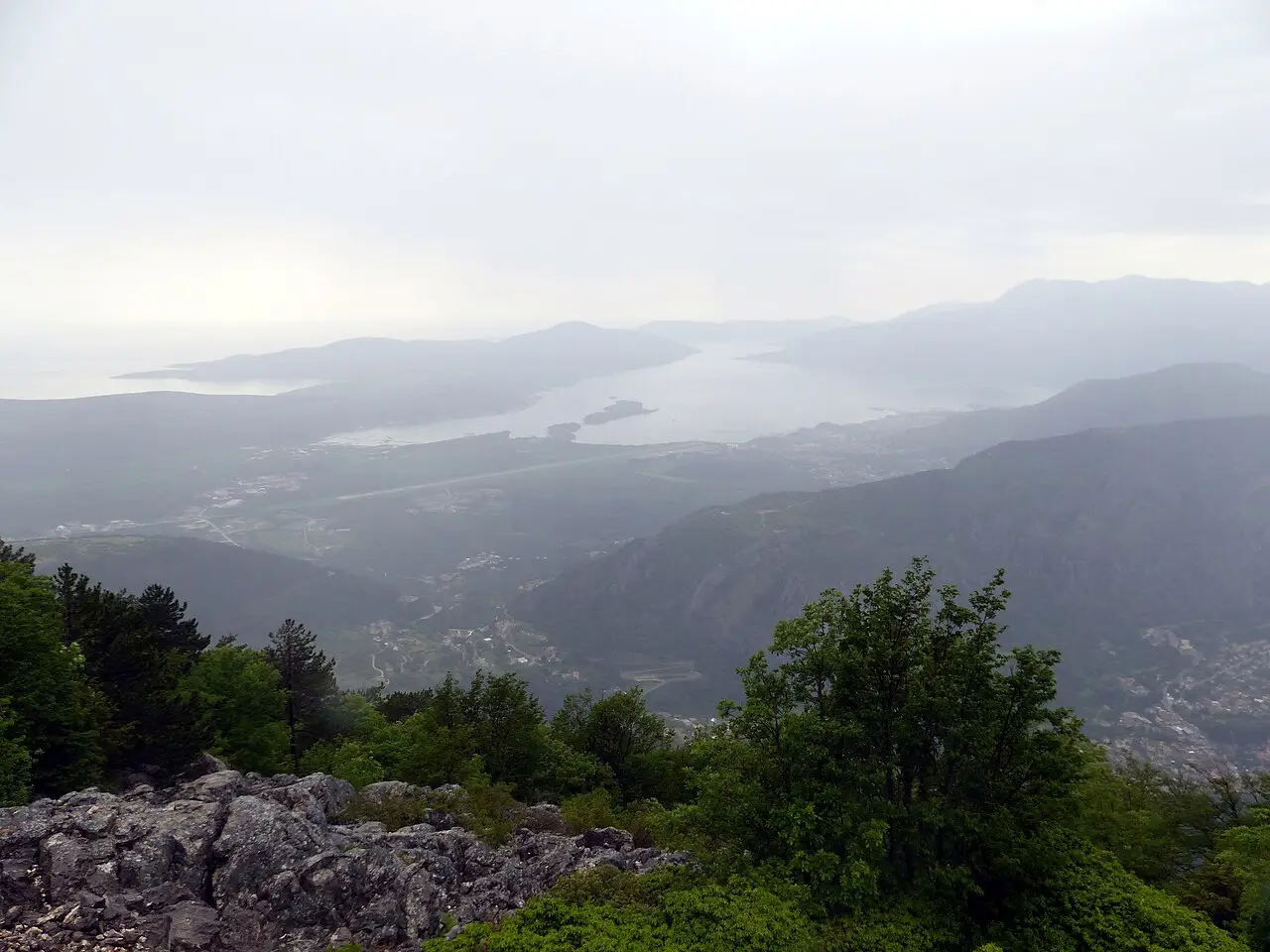
Both towns sit on the Bay of Kotor (Boka), the fjord-like inlet that cuts deep into Montenegro’s coast. That shared geography is what confuses people: neither is an open-Adriatic beach resort like Budva. The choice isn’t sand versus mountains - it’s which end of the same bay you sleep at, and what you want within walking distance when you come back from a day out.
| Your trip | Better base |
|---|---|
| UNESCO drama, walls climb, Perast boats | Kotor |
| Promenade swimming, mimosa sun, local cafés | Herceg Novi |
| Dubrovnik + Montenegro in one week | Herceg Novi |
| Cruise-ship day trips worry you | Herceg Novi (Kotor gets the ships) |
| Maximum “postcard Boka” scenery at your door | Kotor |
| Bad knees, pushchair or heavy bags | Herceg Novi only if you base in flat Igalo - see below |
Two old towns on the same bay
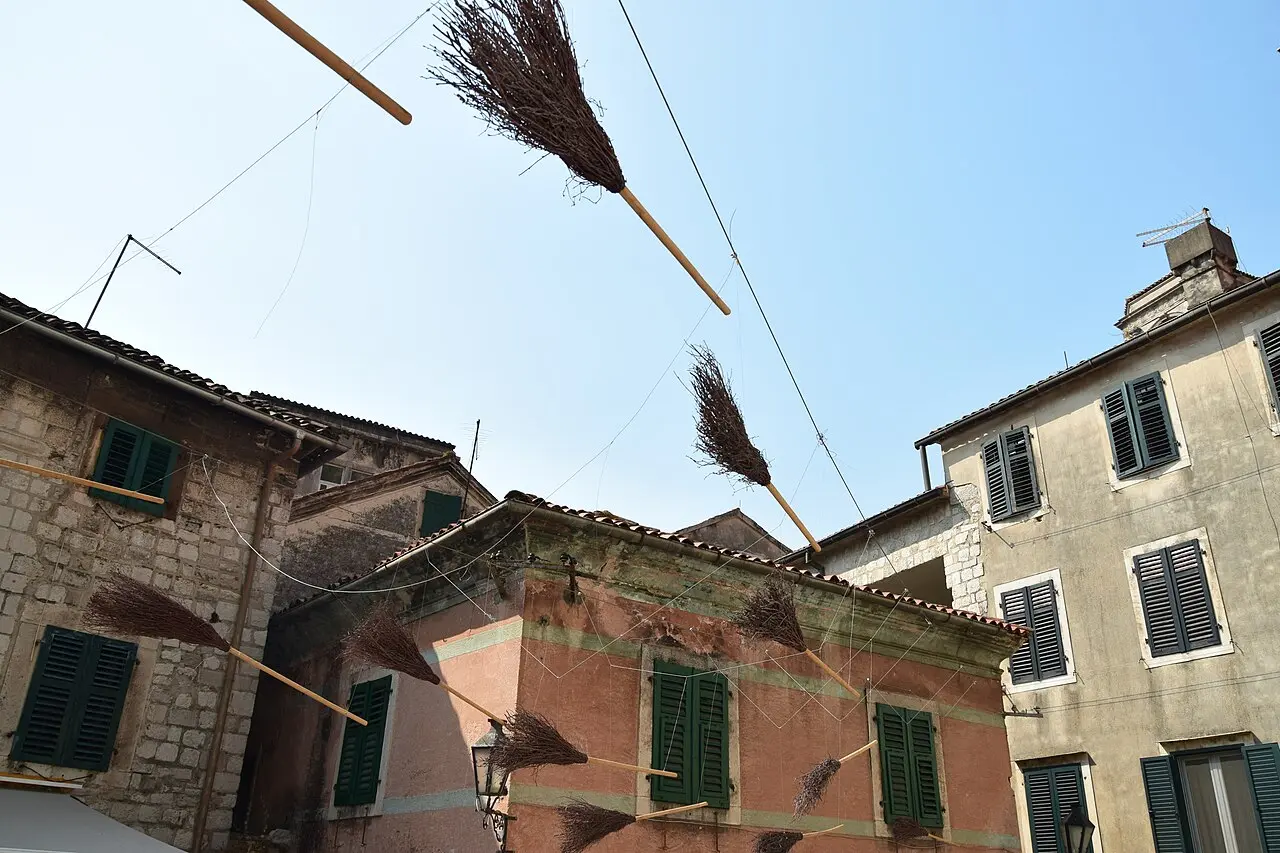
Kotor sits at the head of the inlet, where the water narrows and the mountains feel almost vertical. Its Old Town is a UNESCO World Heritage Site - a dense maze of marble lanes, churches and squares inside 4.5 km of walls that climb to the San Giovanni fortress. It’s larger, more monumental and more photographed than anywhere else on the coast. The full town guide is in Kotor.
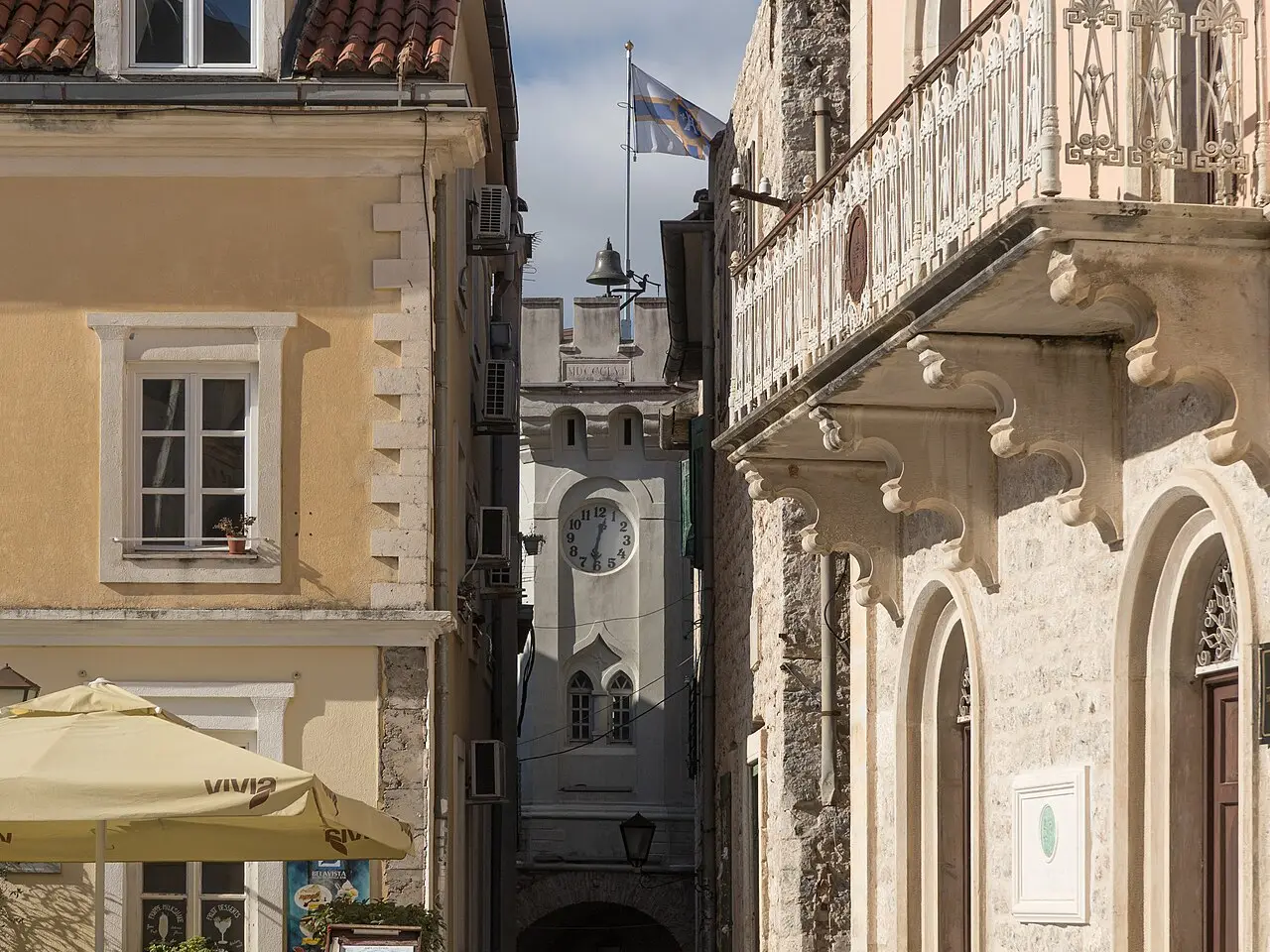
Herceg Novi guards the mouth of the bay, the first Montenegrin town after the Croatian border. It’s smaller, stepped and sunnier: stone lanes and squares stacked up the hillside, three fortresses above the water, and a working-town feel where locals still outnumber tour groups in the lanes. See Herceg Novi for the forts, the Mimosa Festival and the spa suburb Igalo.
Both cores are medieval stone you explore on foot. The difference is scale and crowd rhythm. Kotor’s lanes fill when cruise ships dock - sometimes several thousand passengers in a few hours - then empty again after dark, when overnight guests get the town back. Herceg Novi sees day trippers from Dubrovnik, but the Old Town rarely feels like a queue inside a wall. If atmosphere matters more than a tick-list of sights, Herceg Novi often wins; if you came for the single most famous view in Montenegro, that’s Kotor.
Beaches and swimming: Herceg Novi is easier
Neither town is a sand resort. Kotor has almost no beach in town - calm bay water, concrete platforms and small bathing spots at Dobrota and Prcanj a short walk north. For open-water swimming you drive to Plavi Horizonti on the Luštica peninsula. People base in Kotor for the old town and boat trips, not for morning laps in the surf.
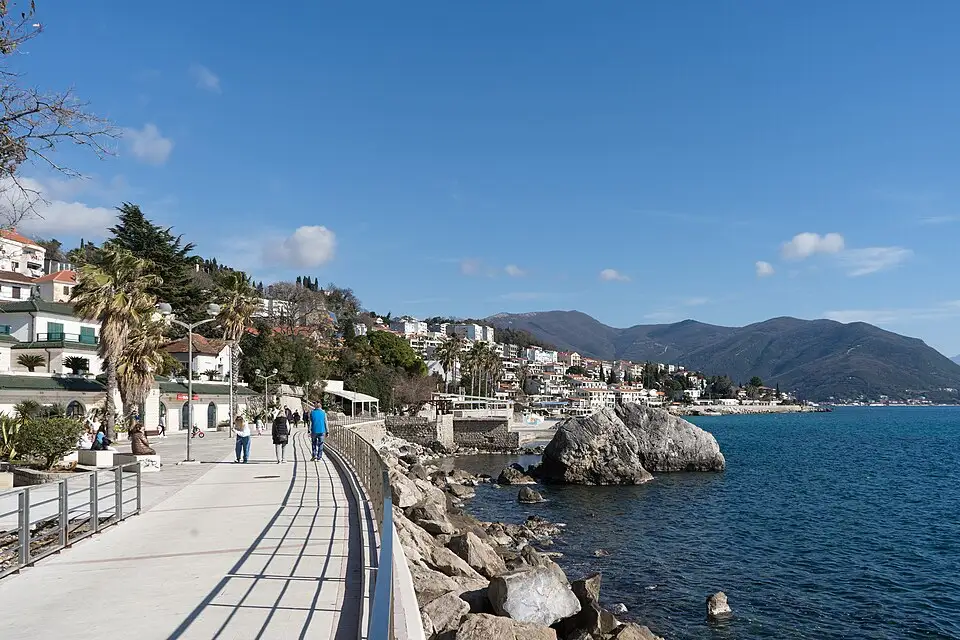
Herceg Novi runs a long Pet Danica seafront promenade - often quoted at around 7 km - past pebble coves, bathing platforms and cafés. You can walk out of an Igalo or riviera hotel and swim the same day you arrive. The beaches are pebble and concrete, with one Blue Flag beach on the riviera (Hotel Iberostar Njivice) - but they’re real swimming spots on your doorstep. If your trip needs a daily dip without a taxi, Herceg Novi beats Kotor cleanly.
For wide sandy beaches and nightlife, neither town is the answer - that’s the Kotor or Budva decision on the open coast: Budva is roughly 40-50 minutes by bus south of Kotor, not a quick hop.
Crowds, cruises and evening noise
Kotor is on every cruise itinerary for the Adriatic. When a big ship ties up, the Old Town can feel packed between roughly 08:00 and 17:00 in peak season. Stay overnight and you’ll still get magical evenings once the coaches leave; stay only for the day and you’ll mostly see the busy version. Restaurant touts and queueing for the wall climb are part of peak-season reality.
Herceg Novi doesn’t get the same cruise traffic. Evenings are quieter - wine on a terrace rather than bar amplification bouncing off stone - and you’re less likely to share a lane with a ship excursion badge. Kotor is louder and more intense; Herceg Novi is slower. Neither is a club capital; for that you head toward Budva.
Sun, weather and winter stays
Herceg Novi is famously sunny and sheltered at the bay mouth - mimosa blooms here in February, and the town runs a Mimosa Festival that has filled the winter calendar since 1969 (dates shift each year; check hercegnovi.travel before you book around it). Kotor, deeper inside the inlet, can feel shadier when the mountains cut off late-afternoon light.
For a summer beach-and-old-town trip the gap isn’t dramatic. For late autumn through spring, Herceg Novi often feels warmer and brighter, which matters if you’re renting an apartment and care about daylight on the terrace.
Getting there: airports, the ferry and Dubrovnik
Both towns link to Tivat airport (TIV). Kotor is closer - about 8 km and 12 minutes - while Herceg Novi is about 25 km by the Kamenari-Lepetane ferry or roughly 50 km driving around the head of the bay. From Tivat, the Kamenari-Lepetane ferry saves drivers about 40 minutes on the Herceg Novi side: €5 a car, foot passengers free, crossings every 20 minutes in the summer 2026 timetable. Kotor is on the airport’s side of the bay, so that trip never touches the ferry. Between the two towns, though, the crossing trims only about 20 minutes off the drive - time a summer queue at the ramp can easily eat.
Podgorica (TGD), the year-round airport, is farther from both - plan well over an hour to Kotor and longer to Herceg Novi.
The other big routing question is Croatia. Herceg Novi is about 50 km from Dubrovnik and 9 km from the Debeli Brijeg border - a natural base for a Dubrovnik-Montenegro loop, with the warning that the border can crawl in August (budget time, not just distance). Kotor works too, but you’ll bus or drive the full length of the bay each time you cross. Our Kotor to Dubrovnik road trip route strings the whole coast if you’re driving.
Between the two towns, coastal buses run throughout the day around the bay - the Herceg Novi board lists 19 departures to Kotor, first at 04:20 and last at 18:20, with a gap between 11:05 and 13:18. Reckon on about an hour, roughly 55 minutes to 1 h 15 with stops (checked August 2026 - confirm at the station). Published fares sit at about €5-7; the cheapest carrier occasionally goes lower. There’s no Uber or Bolt in Montenegro - taxis run about €25-40 if you agree the fare first. See getting around Montenegro for the wider network.
Prices and where to sleep
Neither town is expensive by Western Europe standards, but they price differently. Kotor’s old-town rooms skew boutique and peak-season pricey because space inside the walls is limited and demand is global. Herceg Novi tends to run a notch cheaper for similar quality, with more apartment stock along the promenade and in Igalo.
Within each town the same trade-offs apply: sleep inside the walls for character and accept noise and no parking, or stay just outside - Dobrota for Kotor, Igalo or the riviera for Herceg Novi - for space, flatter ground and lower rates. Kotor’s stairs are mild compared with Herceg Novi’s; in Herceg Novi the Old Town is genuinely hard work with a pushchair, so read where to stay in Herceg Novi before you book a “central” pin on the hill. Kotor’s area breakdown lives in where to stay in Kotor.
Rates swing sharply by month - compare live prices for your dates rather than trusting a single nightly figure.
Day trips each base opens up
From Kotor, the bay is immediate: Perast and Our Lady of the Rocks, a Bay of Kotor boat tour, the Lovcen serpentine to Cetinje, and Budva or the Riviera south by bus. You’re at the scenic heart of the Boka; Herceg Novi is an easy day out by bus.
From Herceg Novi, you’re closest to the Luštica peninsula and the Blue Cave boat trips, with Rose, Žanjice and Mamula island a shorter hop than from Kotor. Dubrovnik and the Croatian coast sit west; Kotor, Perast and the inner bay east. Neither base traps you - the shore road ties everything together.
Split the week?
With only three or four nights, pick the town that matches your evenings and swimming needs. With a week or more, splitting works well: three nights in Kotor for walls, Perast and the inner bay, then three in Herceg Novi or Igalo for promenade life, the Blue Cave and a Dubrovnik day trip - or the other way round. Buses are frequent enough that you don’t need a car for that handover, though a hire car helps on Luštica and Lovcen.
Who should book which town
- First visit, you care about the famous Boka photo and the wall climb - Kotor.
- You want to swim every day without driving - Herceg Novi (ideally Igalo or the riviera, not the stepped Old Town).
- Dubrovnik is on the same trip - Herceg Novi.
- Cruise-ship crowds will ruin it for you - Herceg Novi, and visit Kotor on a bus day when no ship is scheduled.
- Couples after atmosphere inside UNESCO walls - Kotor, with earplugs if you’re a light sleeper.
- Travellers who liked Kotor but wanted it quieter - Herceg Novi is the usual answer.
- Still weighing the open-coast resorts - read Kotor or Budva next; that’s the beach-and-nightlife fork, not this one.
Whichever you choose, you’re on the same bay. Pick the end that fits how you’ll use your mornings and evenings, day-trip to the other, and you won’t feel you’ve missed the Boka - you’ll just have slept in the version that suited you.
Read also

Before you go · 16 min read
Bay of Kotor Boating Rules: Licence, Speed Limits & Fines
Updated · September 5, 2026Montenegro boat rules 2026: certificate at 18 for self-drive, 6 knots within 300 m, 18-knot corridors, no motor boats in the Blue Cave, fines from €500.

Before you go · 12 min read
13 Montenegro Travel Mistakes to Avoid
Verified · August 29, 2026Concrete Montenegro travel mistakes with real numbers: toll lanes, ferry queues, ATM fees, park fees per day, and roads slower than the map admits.

Before you go · 14 min read
All-Inclusive Montenegro: Resorts That Actually Exist
Updated · October 19, 2026Real all-inclusive hotels in Montenegro are rare - most listings are half board. The five that are genuine, and how to check before you book.

Before you go · 12 min read
Montenegro SIM Card: Local Operators vs eSIM
Verified · August 17, 2026€15 buys 500 GB on a local tourist SIM. Telenor is now One. When to skip the kiosk for an eSIM. Prices checked 17 August 2026.