
13 Montenegro Travel Mistakes to Avoid
Concrete Montenegro travel mistakes with real numbers: toll lanes, ferry queues, ATM fees, park fees per day, and roads slower than the map admits.
Montenegro punishes optimists. The coast road looks like a thirty-minute drive on the map and takes closer to an hour in July, the ferry that saves you a long detour comes with its own queue at the worst possible moment, and the national park ticket you bought yesterday doesn’t cover today. None of that is exotic or hard to plan around - it just needs to be known in advance, with the actual numbers attached, rather than discovered the hard way while a line of cars waits behind you.
None of these mistakes are secret once you have hit one - the trouble is spotting them in advance. Most carry a price, a sum, a queue time or a date; a few are simpler than that, a flat yes-or-no you either know or you don’t. Either way it’s the number that sticks, not the warning.
Money surprises: tolls, taxis and ATMs
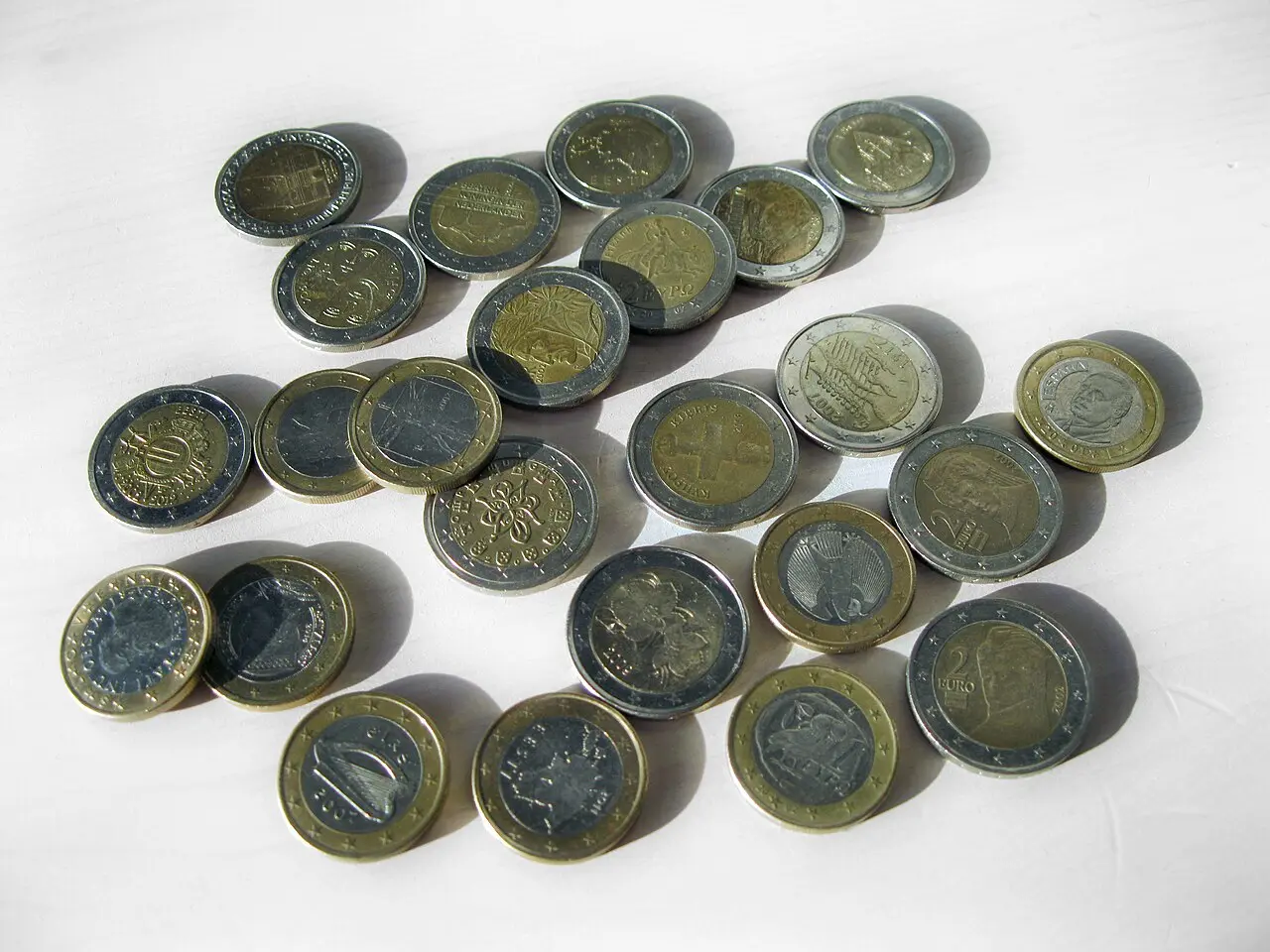
Montenegro uses the euro without being in the eurozone, and money habits that work fine in Budva or Kotor get less reliable the further you go.
1. Driving past the toll barrier without knowing there are two kinds of lane. Every toll in the country - the Sozina tunnel and the A1 motorway section toward Kolašin - is run by the same state operator, Monteput, and it takes cash, card, or a prepaid electronic tag (ENP) that lets a car through without stopping. Rental cars almost never carry the tag, so your lane is the ordinary attended one marked for cash or card; an ENP lane without a tag just holds up everyone behind you. The Sozina tunnel is €2.50 for a car; the A1 runs €1.50-3.50 by exit - Pelev Brijeg, Veruša, Mateševo - with €3.50 the full run. Budget a short wait at the barrier either way.
2. Assuming there’s no way to book a ride without cash in your hand. There’s no Uber, Bolt or Lyft anywhere in Montenegro, but that isn’t the same as no options: TeslaGo runs an all-electric fleet around Podgorica, and MonteGO covers the coast and inland towns from Herceg Novi to Kolašin, with fixed-price airport transfers and card payment in the app. Coverage thins out fast once you leave a town centre, and off the main road a euro note is still the only thing that works - a village bakery, a konoba with six tables, an older parking machine, a room above a farm on the Durmitor road. Keep €50-100 in small notes once you head inland: the apps move you between towns, not around them.
3. Dipping into an ATM for pocket money, as if the fee were a percentage. It isn’t one. On a foreign card the machine adds a flat surcharge, and the banks publish the figure themselves: €4.99 at CKB and at Universal Capital Bank, €5.88 at Hipotekarna. Same charge on €50 as on €400, so six small visits cost €30-35 where one withdrawal costs one fee - take out more, less often. The 2.5-3% with a €3-5 minimum you’ll see quoted locally is a different line in the same tariff books: what a Montenegrin bank charges its own customer for using a rival’s machine, not the line your card hits. The second charge you agree to yourself: when a machine or a shop terminal offers to bill you “with conversion” in your home currency, decline and take euros - all three price that conversion at 10% of the amount at an ATM, and CKB and Hipotekarna publish 6% at a shop till. It’s the most expensive button on the screen.
The coast road and the ferry lie about time
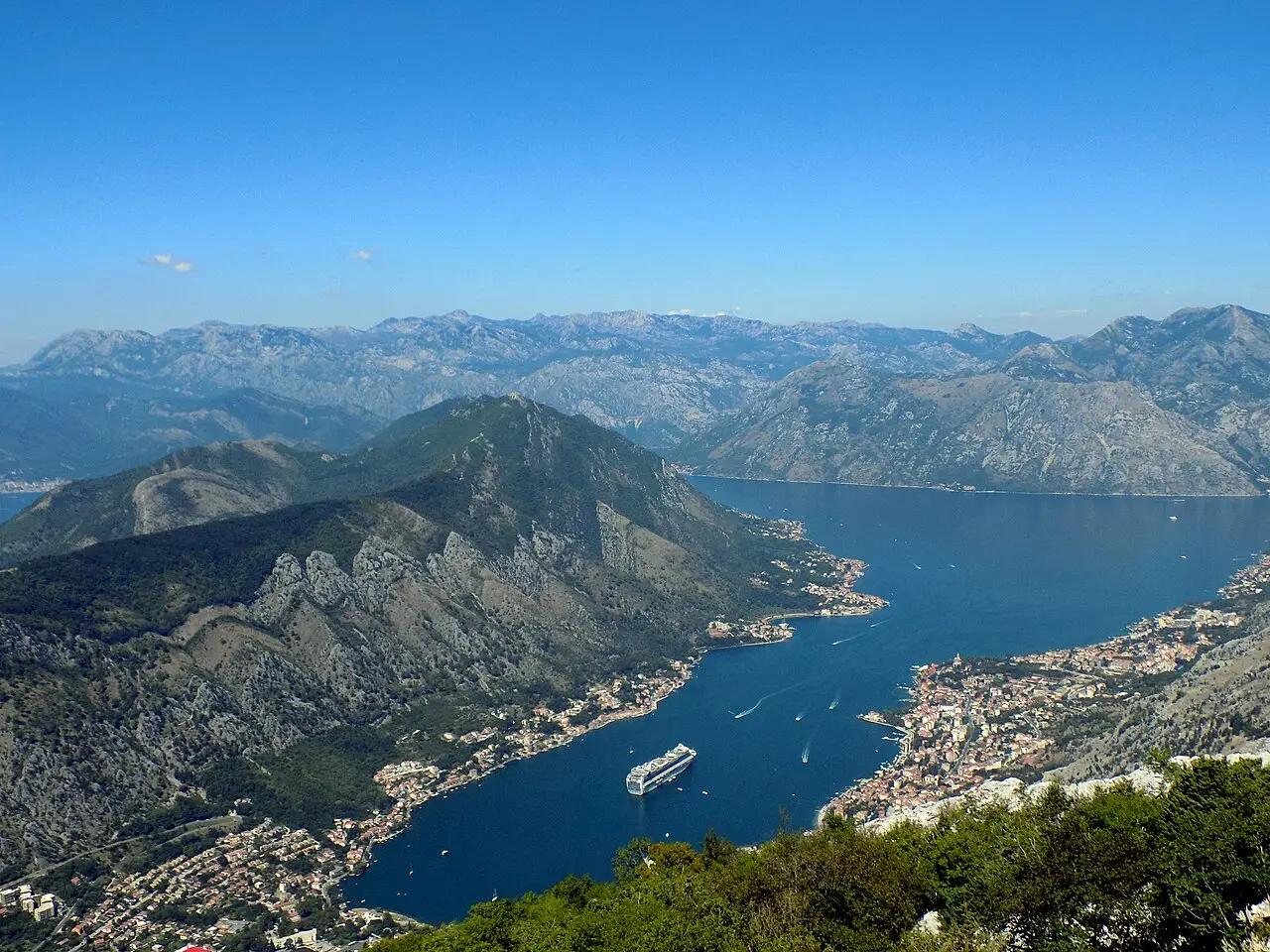
4. Trusting the map’s ETA on the coast road, then hitting the old serpentine at the wrong time. Two separate roads catch people out here. The main road through Perast and Dobrota is two lanes tight against the water with almost no shoulder; in July and August it clogs solid, and a drive Google Maps promises in thirty minutes routinely takes double - leave slack before a ferry, a flight or a dinner booking. The old road up from Kotor toward Cetinje is a different problem: roughly 25 numbered switchbacks, several single-lane with passing places where you reverse to let an oncoming car through - fine taken slowly in daylight, genuinely stressful after dark or rushed for a sunset. For the view without the switchbacks, the Kotor-Lovćen cable car reaches Kuk, 1,348 m, in about 11 minutes for €20-25 return in 2026, depending on the season; it is closed in winter, roughly November to April. Kuk is a shoulder of the massif, not the top - the park’s high point is Štirovnik, 1,749 m - and the Njegoš mausoleum is another 6 km of mountain road beyond the station. The ticket buys the view, not a lift to the monument or a way over the pass to Cetinje.
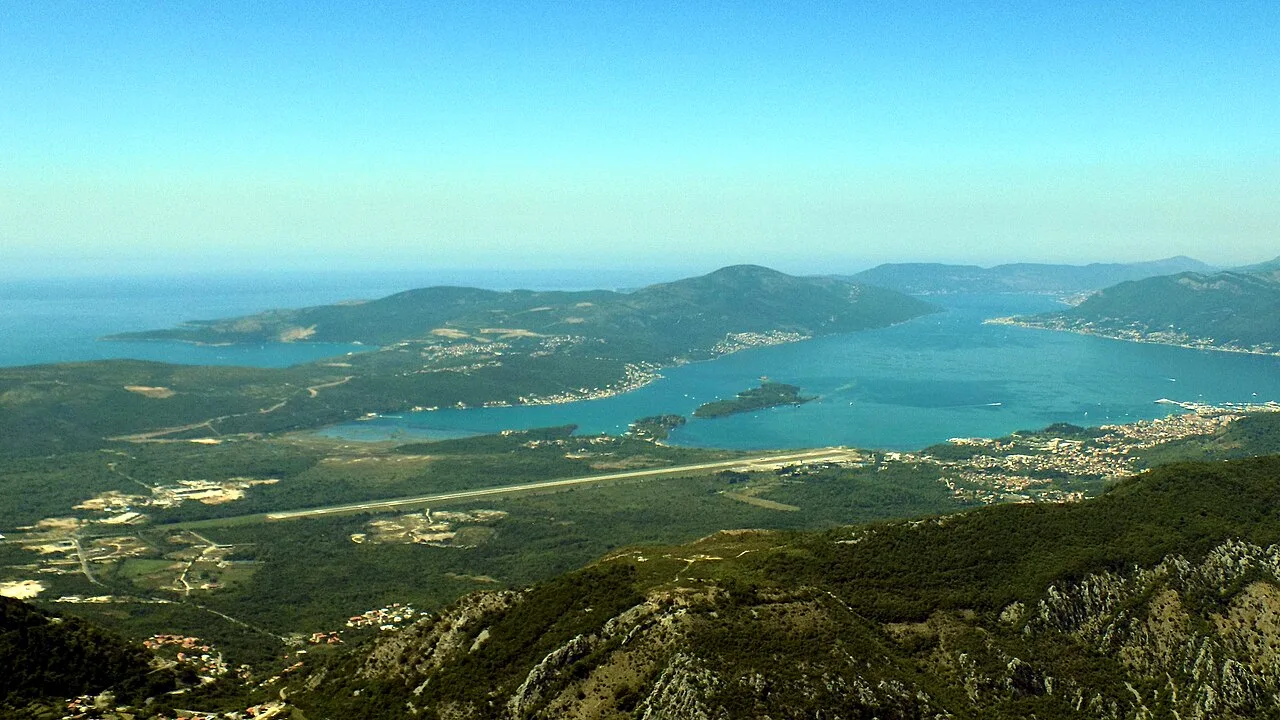
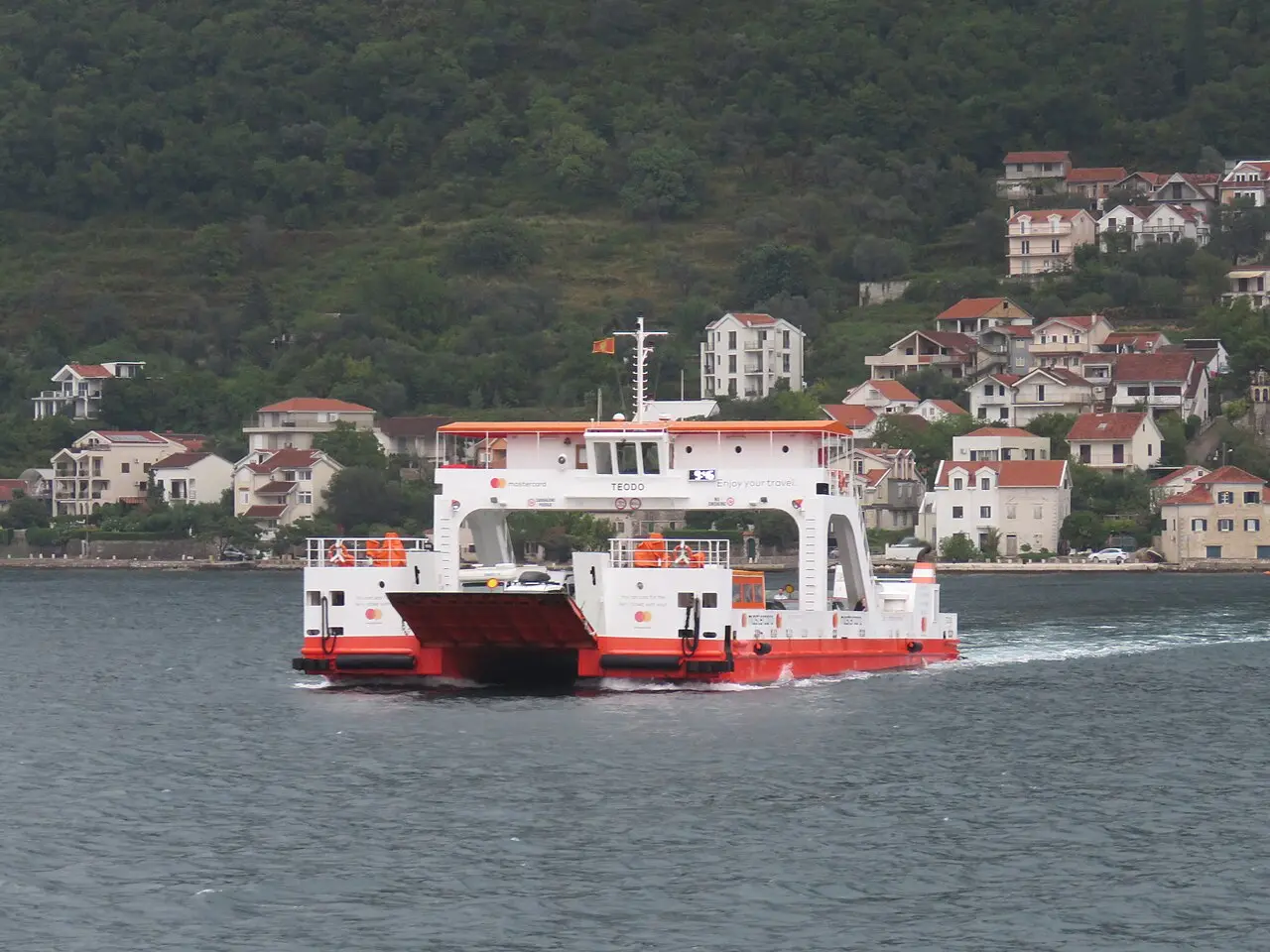
5. Skipping the ferry queue math. The Kamenari-Lepetane car ferry across the narrows costs €5 for a car and takes about five minutes. The 42 km and close to an hour it saves is a ramp-to-ramp figure: what you gain if your drive starts at one slip and ends at the other. Yours won’t. Measured from Herceg Novi against the loop round the head of the bay, the crossing is worth roughly 50 minutes to Tivat town, 40 to the airport, 35 to Budva and 20 to Kotor, before any queue. That’s the figure to hold against the queue, and the queue moves: a boat leaves every 15-20 minutes in summer, so off-peak you’ll normally board within a sailing or two. Allow 30-45 minutes at the bad moments - the morning run, the late-afternoon return, weekends in July and August. On the Tivat side the crossing still wins most days, because it closes almost the whole journey. For Budva the length of the line decides it, and for Kotor even a middling queue cancels the gain, so the road round through Risan and Perast, the prettier one anyway, is usually the better call. Kamenari-Lepetane ferry has the destination-by-destination table and the current sailing plan.
Paperwork, insurance, and the accident nobody plans for
6. Assuming the rental desk follows the same rules as the police. The law is the easy half. Montenegro’s road traffic safety act puts a valid foreign licence on the same line as an International Driving Permit for a visitor’s stay, and the RAC tells UK drivers plainly that no permit is needed. The desk is the other half: plenty of rental counters ask for an IDP alongside your home licence anyway, especially for UK, US, Canadian, Australian or CIS licences, and the permit doubles as a standard translation if yours isn’t printed in Latin script. A counter that won’t budge isn’t an argument you win at 8am with a flight behind you. The other trap sits at the border: many contracts exclude Albania by default, and Croatia, Bosnia or Serbia usually need a Green Card from the rental company. Ask about both before you book, not after you’ve paid. Renting a car in Montenegro covers what to check at pickup; driving in Montenegro has the limits and the fines.
7. Assuming that because a visa isn’t required, insurance isn’t either. Most Western passports enter Montenegro visa-free, and travel insurance isn’t a border requirement for entry. It becomes a practical one the moment something goes wrong: healthcare for foreigners is billed upfront rather than settled with an EHIC-style card, and a mountain rescue on Durmitor or Lovćen costs far more than the policy would have. If your plans include hiking, rafting the Tara or a scooter along the coast, check that the policy actually names those activities - basic ones often don’t cover them by default.
National parks charge per person, per day
8. Assuming one ticket covers the whole trip. Montenegro’s national parks charge per person, per day, not once for your visit and not once for the whole network. On the current price lists from Nacionalni parkovi Crne Gore, Durmitor and Lake Skadar run about €5, Biogradska Gora €4, and Lovćen and Prokletije €3 each - children under 15 go free at all five. If your route adds up to more than three or four park-days, the €13.50 annual pass covering all five quickly pays for itself.
9. Not realising the Njegoš Mausoleum is a separate ticket. The mausoleum sits on Jezerski vrh, 1,657 m, and is run by the National Museum of Montenegro, not the park administration, so the park’s €3 entry doesn’t cover it - budget a further €8 for the mausoleum itself. It keeps its own calendar too: open 15 April to 15 November, closed 16 November to 14 April, when snow can shut both the access road and the final steps regardless of what’s happening at the park gate below.
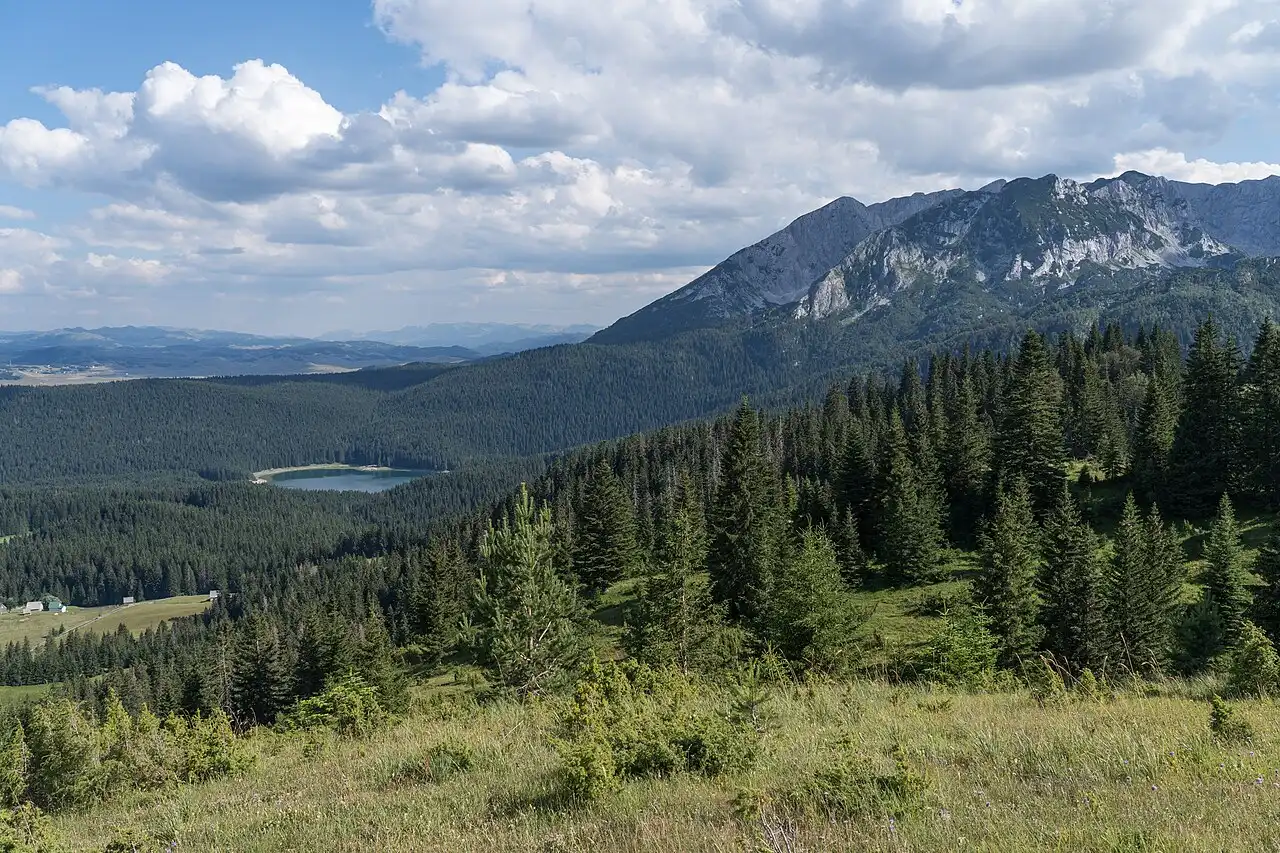
10. Day-tripping Durmitor from the coast. Žabljak and the Black Lake sit 150-180 km from Budva or Kotor, which routing puts at just over three hours each way in free-flowing traffic, not the two hours some trip planners imply - and it’s mountain road the whole way, no motorway. A single day means most of it spent driving. Give Durmitor at least two nights, or leave it for a longer trip; Montenegro travel guide lays out which trip lengths can actually fit the north without turning it into a windscreen tour.
Hours, habits, and rules that surprise first-timers
11. Expecting shops and pharmacies to stay open straight through the afternoon. The official tourism-board line gives stores a flat 09:00-21:00, and on the main streets of Budva, Kotor and Tivat that’s roughly what you’ll find. Walk into a smaller town away from the resorts and the picture gets patchier: family-run shops, pharmacies especially, still close for a few hours in the middle of the day and reopen into the evening, most visibly outside July and August. If you need a pharmacy for something specific, don’t leave it until 2pm on a side street in a small town.
12. Underestimating the drink-drive limit, the headlight rule and the one that arrived in August 2026. The limit is 0.03% BAC, effectively zero: a single beer can put you over, and the penalties climb steeply from there. Low beams stay on around the clock in every season, and forgetting them on a bright afternoon is the ticket foreigners collect most often. Since 7 August 2026 there’s a third rule to know: nobody under 21 may drive between midnight and 05:00, or take a car over 80 kW without a five-year holder of a category B licence beside them.
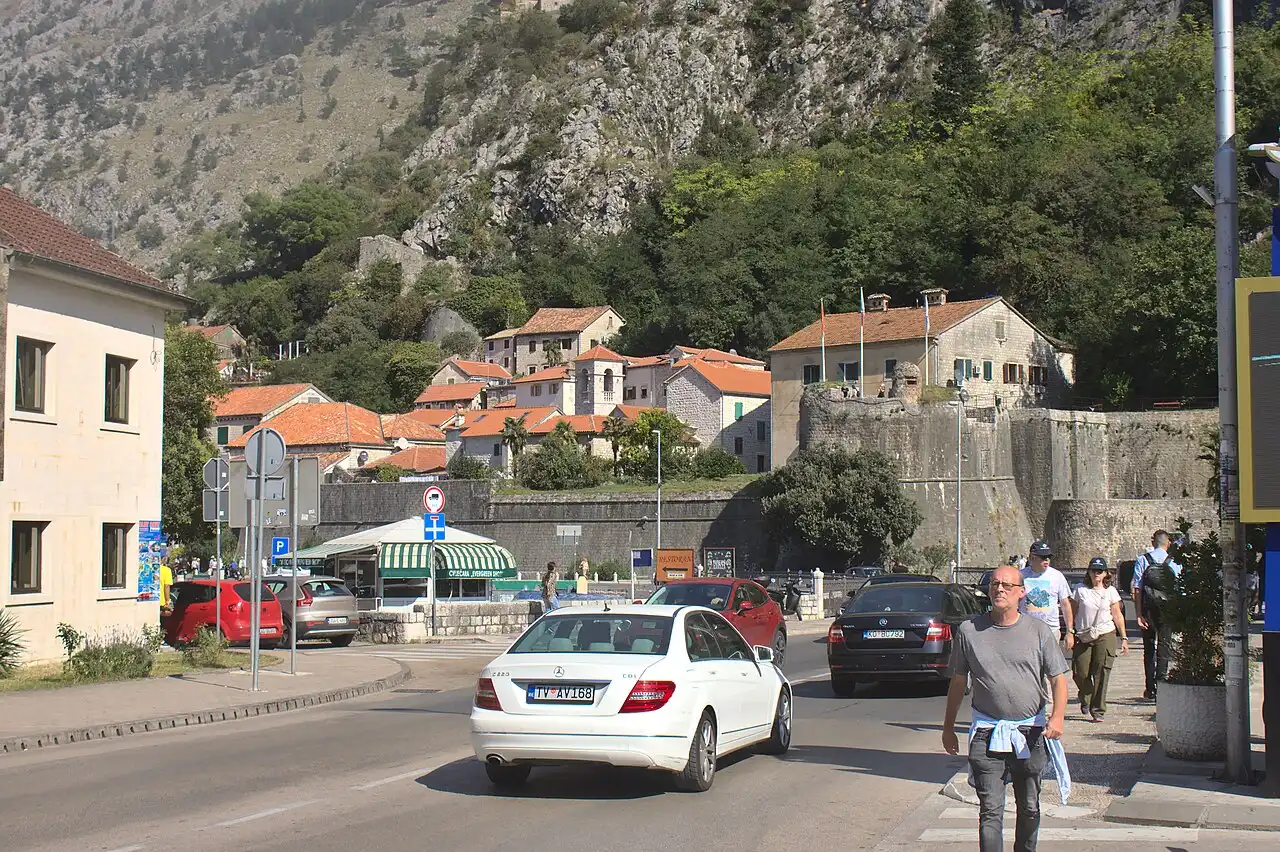
13. Parking on a yellow line or ignoring a tow sign. Kotor’s main car park near the Southern Gate runs about €1-1.50 an hour, Budva’s old-town blue zone roughly €0.50-1.50 - both modest. The enforcement on marked no-stopping stretches isn’t: cars get towed there, not just ticketed, and it happens fast. Locally the tow truck has its own nickname, the “pauk” (spider). If your hotel offers parking, take it; if not, use a real space even if it’s a five-minute walk back to the gate.
Nearby / read also
For the practical side of planning around these traps, Montenegro travel guide covers trip length and where to base yourself, and is Montenegro expensive? turns the cash-and-cards habits above into an actual daily budget.
- Driving in Montenegro - the full rulebook: speed limits, fines, parking and fuel.
- Kamenari-Lepetane ferry - current sailing plan, fares and queue times.
- Montenegro currency and money - ATMs, DCC and tipping in more depth.
- National parks of Montenegro - all five parks compared by fee and by day.
- Montenegro entry requirements - visas, the 90-day count and border registration.
Read also

Before you go · 16 min read
Bay of Kotor Boating Rules: Licence, Speed Limits & Fines
Updated · September 5, 2026Montenegro boat rules 2026: certificate at 18 for self-drive, 6 knots within 300 m, 18-knot corridors, no motor boats in the Blue Cave, fines from €500.

Before you go · 10 min read
Kotor or Herceg Novi: Which Bay Town to Stay In
Updated · September 25, 2026Kotor or Herceg Novi as your Bay of Kotor base? Old towns, beaches, cruise crowds, Dubrovnik access and prices compared - who each town suits.

Before you go · 14 min read
All-Inclusive Montenegro: Resorts That Actually Exist
Updated · October 19, 2026Real all-inclusive hotels in Montenegro are rare - most listings are half board. The five that are genuine, and how to check before you book.

Before you go · 12 min read
Montenegro SIM Card: Local Operators vs eSIM
Verified · August 17, 2026€15 buys 500 GB on a local tourist SIM. Telenor is now One. When to skip the kiosk for an eSIM. Prices checked 17 August 2026.