
Cost of living in Montenegro: a 2026 budget guide
How much does it cost to live in Montenegro in 2026? Rough monthly budgets, rent by property type and city, and a digital-nomad note - estimates to verify.
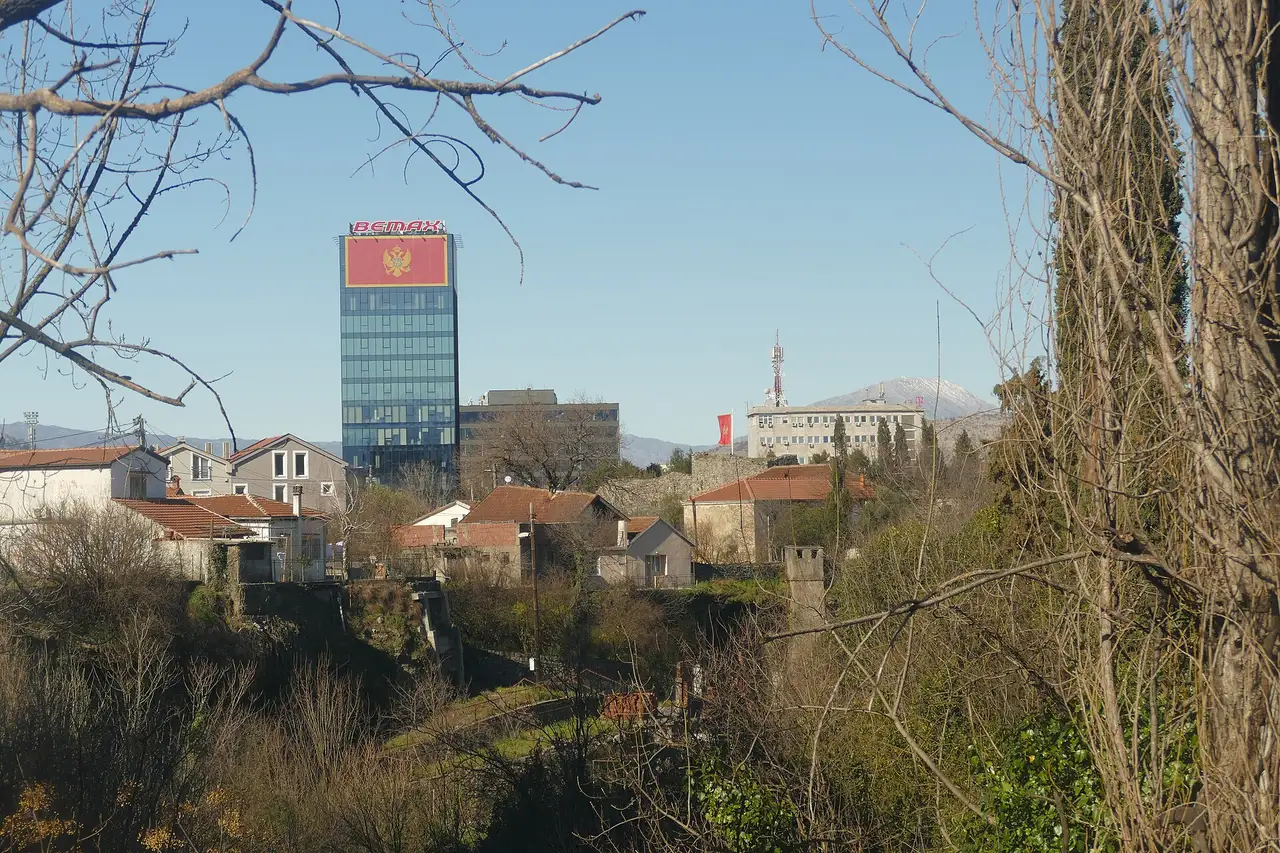
A single person can expect to spend somewhere around €1,200 a month including rent in Montenegro for a comfortable, not bare-bones, lifestyle, while a couple usually lands between €1,800 and €2,500. For scale: one Montenegrin cost-of-living breakdown puts the bare minimum for one person at from €750 a month - a studio, utilities and groceries, excluding health insurance, a car or residence-permit fees - so €1,200 already buys real comfort above that floor. That makes Montenegro noticeably cheaper than Portugal or Croatia, yet far from the rock-bottom prices some expats imagine. The rent figures below come from Montenegrin real-estate listings; the rest are rounded estimates, not a generic cost-of-living index - treat them as a starting point and check current listings before you commit.
What does a month in Montenegro really cost?
Montenegro sits in a comfortable middle ground on the Adriatic: cheaper than its EU neighbours, but with coastal towns that can rival them in summer. Your real number depends on three things - which town you choose, whether you stay year-round or just for the season, and how much of your life happens in restaurants versus your own kitchen.
As a working baseline for 2026:
| Profile | Rough monthly budget (with rent) |
|---|---|
| Single person | ~€1,200 |
| Couple | ~€1,800-2,500 |
These are ballpark numbers, not a guarantee. A frugal single renting outside the centre and cooking at home can dip well below €1,200; a couple in a Tivat sea-view flat eating out often will push past €2,500. Use the breakdowns below to build your own figure rather than trusting a single headline number.
Rent by property type - and how location shifts it
Housing is the single biggest line in any Montenegro budget, and it moves the most with both location and season. Real listings from Montenegrin property sites in 2026 put long-term rent in this range (counted by bedrooms, the standard used on Montenegrin listing sites):
| Property type | Monthly rent, long-term contract |
|---|---|
| Studio / garsonjera | from ~€300 |
| One-bedroom apartment | from ~€550 |
| Two-bedroom or larger | from ~€700 |
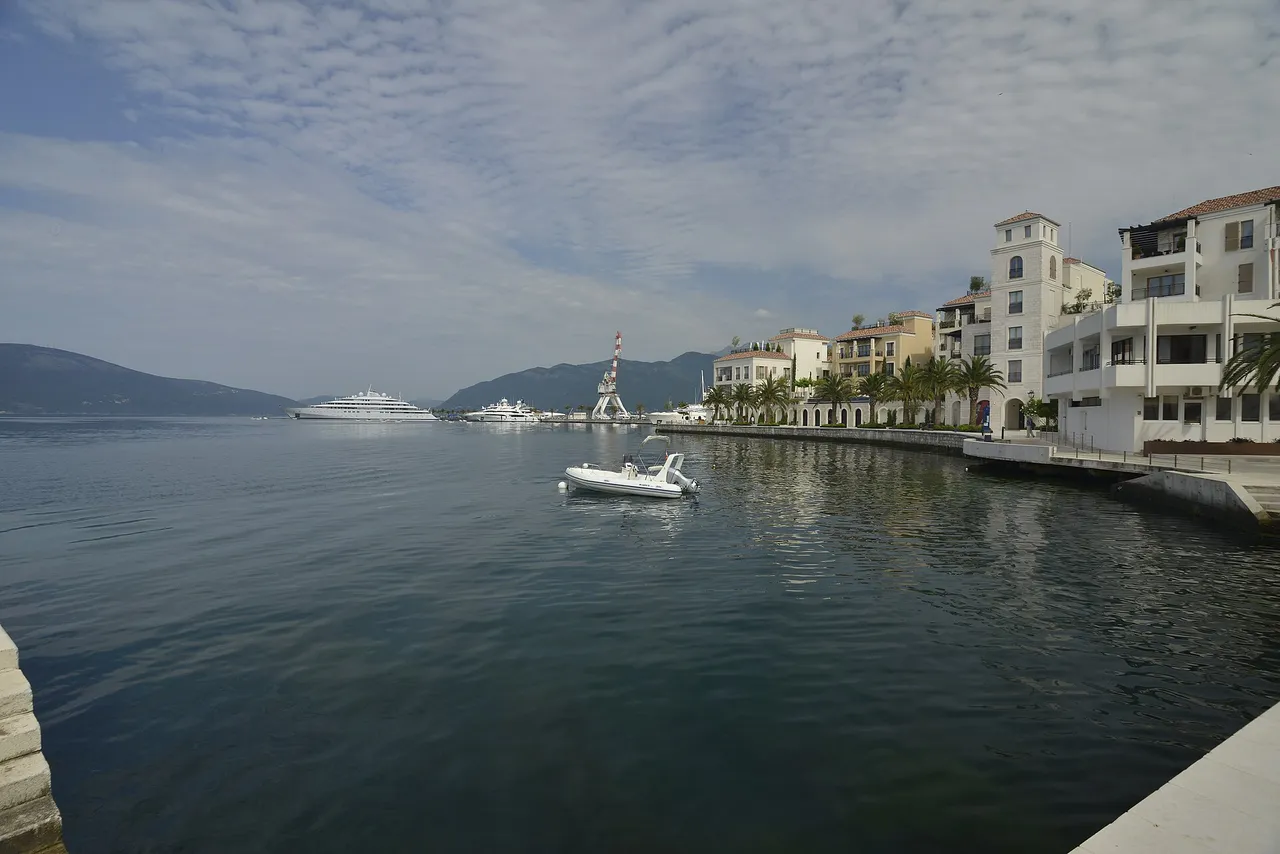
A separate Montenegrin real-estate market guide gives a wider band of roughly €300-1,000 a month for long-term contracts, with sea-view and city-centre flats pulling toward the top. We couldn’t find a portal publishing a clean city-by-city table with prices attached, so treat what follows as a directional pattern rather than fixed figures: Podgorica is consistently the cheapest place to live and the only one that feels genuinely year-round - life carries on the same in January as in July, because there’s no beach-season premium to absorb. Tivat and Budva sit at the expensive end, pulled up by Porto Montenegro and peak-season short-let demand; Kotor and Herceg Novi land in between, with coastal character but without Tivat’s premium. The coast is also seasonal in a way Podgorica isn’t: landlords switch flats to short holiday lets for summer, so a 12-month contract signed before the season starts locks in a calmer price than chasing a flat in June.
Utilities, internet and connectivity
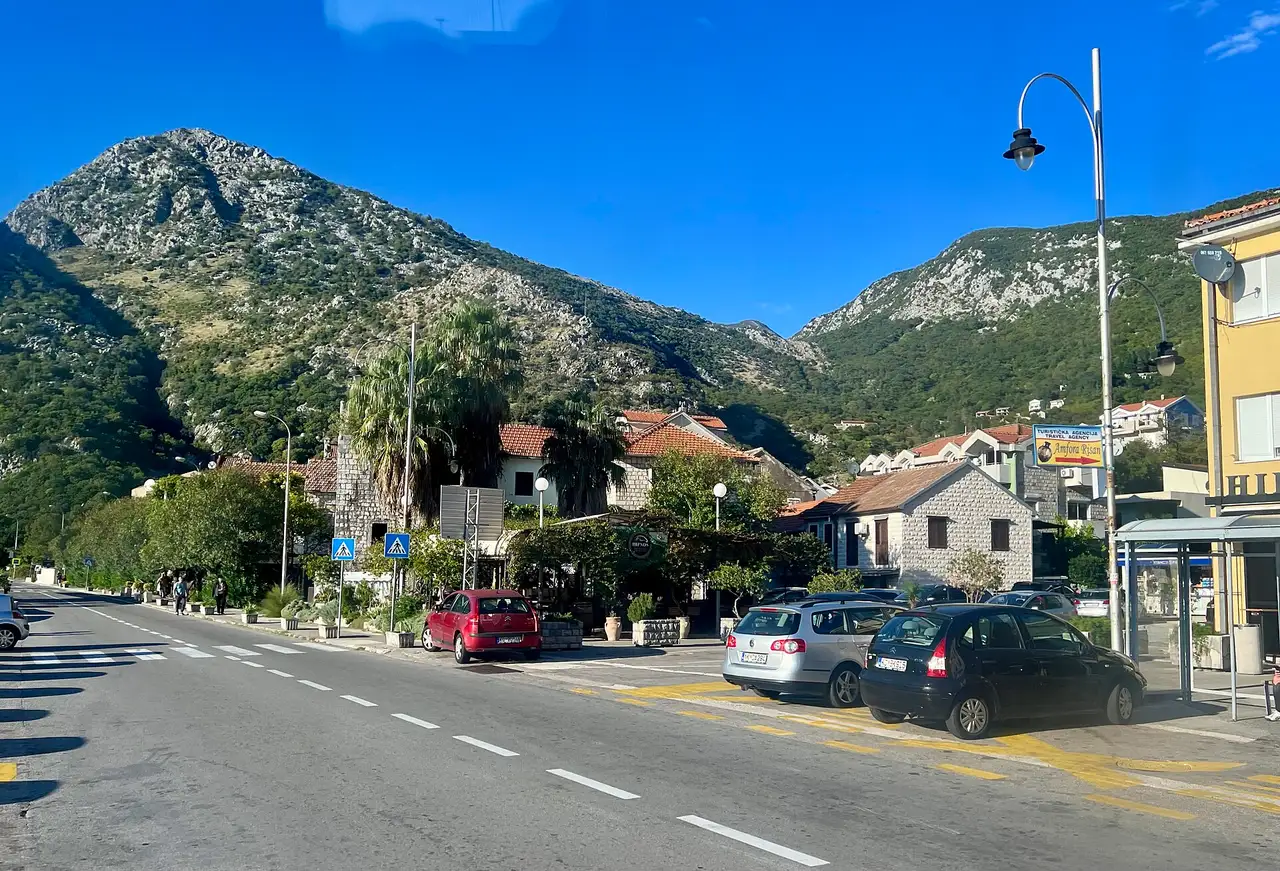
Beyond rent, the fixed monthly bills in Montenegro are modest but worth planning for. Utilities swing with the season - heating in winter and air-conditioning in a coastal summer both push the bill up.
| Item | Rough monthly cost (est.) |
|---|---|
| Utilities (electricity, water, heating) | €70-160 |
| Home internet | €25-30 |
| Mobile plan | €10-15 |
The wide utilities range is mostly about climate control: a small inland flat in spring sits near the bottom, while a poorly insulated coastal apartment running AC through a July heatwave sits near the top. Home internet is reliable and cheap in the towns, and a mobile plan with a generous data bundle rarely costs more than a couple of lunches. If you’re only staying a few months, a local eSIM can be simpler than a contract - see our Montenegro travel guide for the practical arrival steps.
Food, eating out and day-to-day spending
Groceries are where Montenegro rewards anyone willing to cook. Local produce, bread, dairy and seasonal fruit and vegetables from the open-air markets are inexpensive, and self-catering keeps a single person’s food bill very manageable. Eating out away from the tourist coast is affordable too: a simple local lunch runs roughly €10-15, so the difference between a home-cook and a daily-restaurant lifestyle can be several hundred euros a month. On the coast in high season, expect to pay more - a full sit-down meal at a beach-town restaurant runs closer to €15-25, per a coastal price roundup published in July 2026.
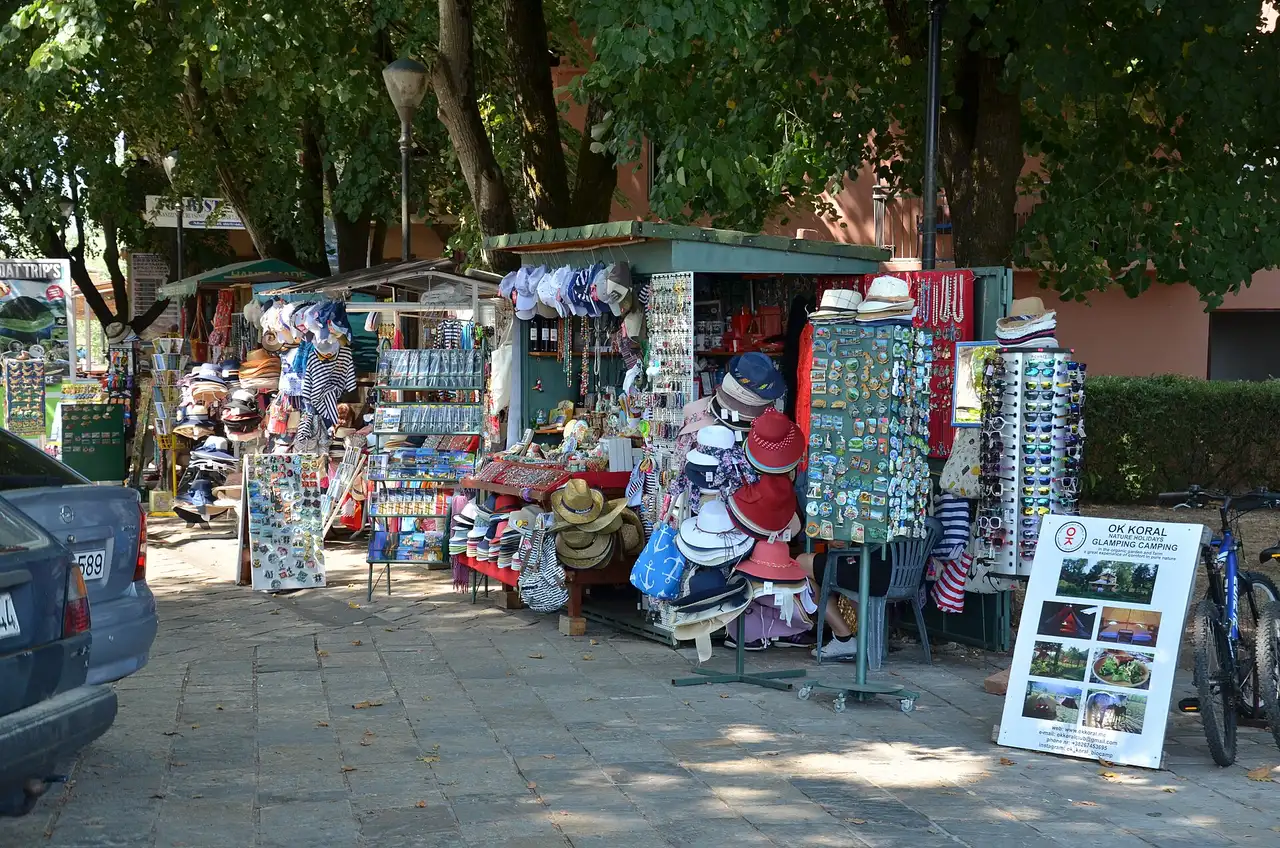
A realistic monthly pattern for a single person who cooks most meals and eats out a couple of times a week tends to keep food under control, leaving the bulk of the €1,200 budget for rent and bills. Transport is another small line: towns are walkable, intercity buses are cheap, and many residents skip a car entirely unless they live somewhere rural.
Podgorica vs the coast: cheap-and-steady vs pricey-and-seasonal
The clearest budgeting decision in Montenegro is inland versus coast. Podgorica, the capital, is the cheapest option and runs year-round - steady rents, full services through winter, and the lowest cost of living of the major towns. It trades sea views for predictability and value.
The coast is the opposite. Tivat and Budva are the priciest and the most seasonal: glorious in summer, quieter and sometimes shuttered in winter, with rents that climb steeply for the warm months. Kotor and Herceg Novi sit in between - coastal character without Tivat’s premium. If your income is fixed and you want to maximise savings, Podgorica wins; if you’re here for the Adriatic lifestyle and can absorb the seasonal swing, you’ll find the coast worth the premium. Compare the towns themselves in our cities section before deciding where to base yourself.
Living here legally: the digital-nomad permit (verify first)
Montenegro offers a digital-nomad residence permit aimed at remote workers employed by foreign companies, and that’s made it a popular base for location-independent professionals. Our Montenegro digital nomad visa guide walks through the income rules, documents and application step by step. The income threshold is set as a formula rather than a fixed figure - roughly three times the national minimum wage - and both the threshold and the application rules change over time.
Closing to new applicants on 31 December 2026. The digital-nomad permit programme is set to run only until 31 December 2026, with no extension currently provided - after that date new applications are not expected to be accepted, and there’s no guaranteed renewal path under this scheme. If a nomad permit is part of your plan, treat the window as closing and confirm the current status on gov.me / the Ministry of Interior (MUP) before you commit.
YMYL note - verify before you rely on this. We deliberately don’t print a fixed income number, because it moves. Confirm the current minimum-income threshold, document list, validity period, the programme’s status after 2026 and tax implications directly with the official source - the Government of Montenegro and the Ministry of Interior (MUP) at gov.me - before making any plans. This article was checked on 21 June 2026; rules may have changed since.
Health cover is the other essential. A residence application and everyday peace of mind both call for proper insurance, and most remote workers arrive with a nomad-focused policy rather than relying on travel cover alone. You can read more in our insurance hub, and the box below links to a policy built for long-stay remote workers.
Nearby / read also
- Montenegro travel guide - practical first steps for arriving and getting around.
- Relocation - visas, residence permits and the moving-in basics.
- Cities - compare Podgorica, Kotor, Budva and Tivat before you choose a base.
- Is Montenegro expensive? Trip cost & daily budget - the per-day holiday budget, as opposed to these monthly figures.
Read also

Relocation · 10 min read
Montenegro Digital Nomad Visa 2026: Requirements & Process
Updated · August 6, 2026How the Montenegro digital nomad residence permit works in 2026: income rules, the tax question, documents, how to apply and the 2026 programme deadline.

Before you go · 16 min read
Bay of Kotor Boating Rules: Licence, Speed Limits & Fines
Updated · September 5, 2026Montenegro boat rules 2026: certificate at 18 for self-drive, 6 knots within 300 m, 18-knot corridors, no motor boats in the Blue Cave, fines from €500.

Food · 9 min read
Where to Eat in Tivat: Porto Montenegro & Konobas
Verified · September 5, 2026Where to eat in Tivat: Porto Montenegro marina tables, Kalimanj konobas, and Luštica Italian menus with prices from restaurant sources.

What to see · 10 min read
Hiking Bobotov Kuk: Durmitor Highest Peak
Verified · September 4, 2026Bobotov Kuk hike at 2,523 m: Sedlo (~10 km RT) vs Lokvice from Black Lake, €5 park fee, cables, season and early-start tips.