
Swimming in the Bay of Kotor: Beaches & Lidos
Can you swim in Kotor? Yes - on Dobrota pontoons, Morinj and small Boka shores. Water quality, season and what to expect.
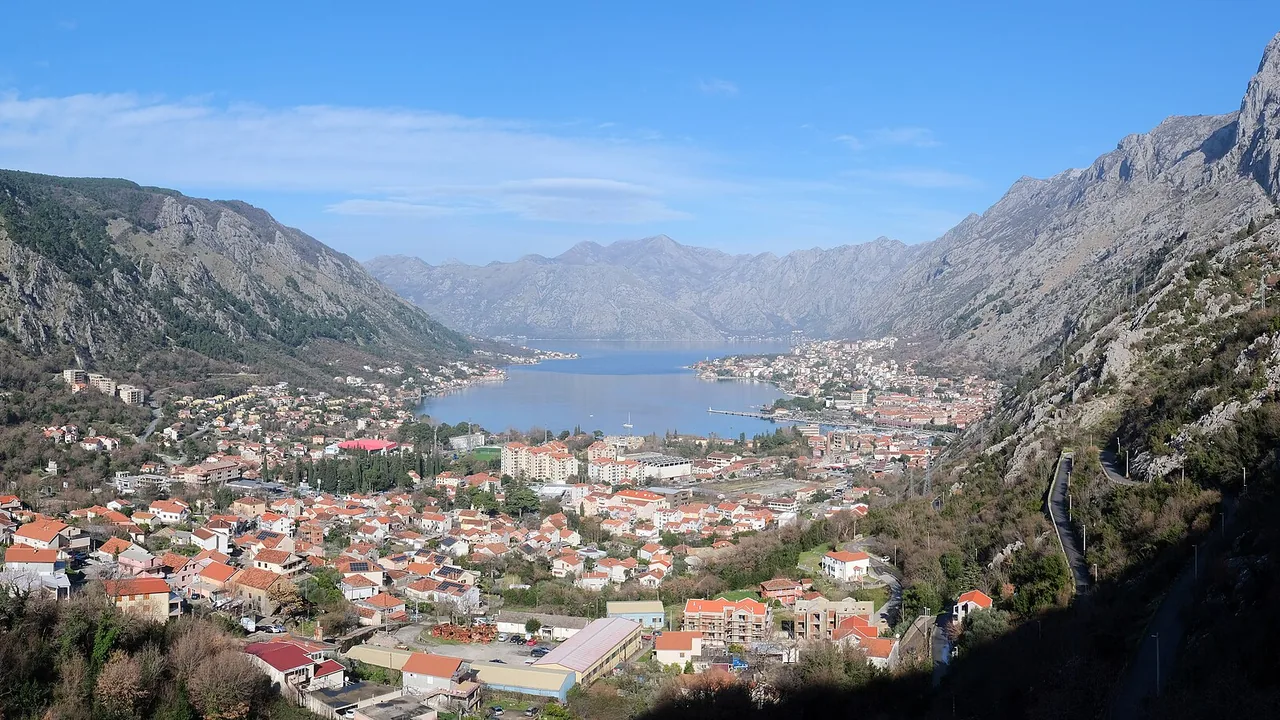
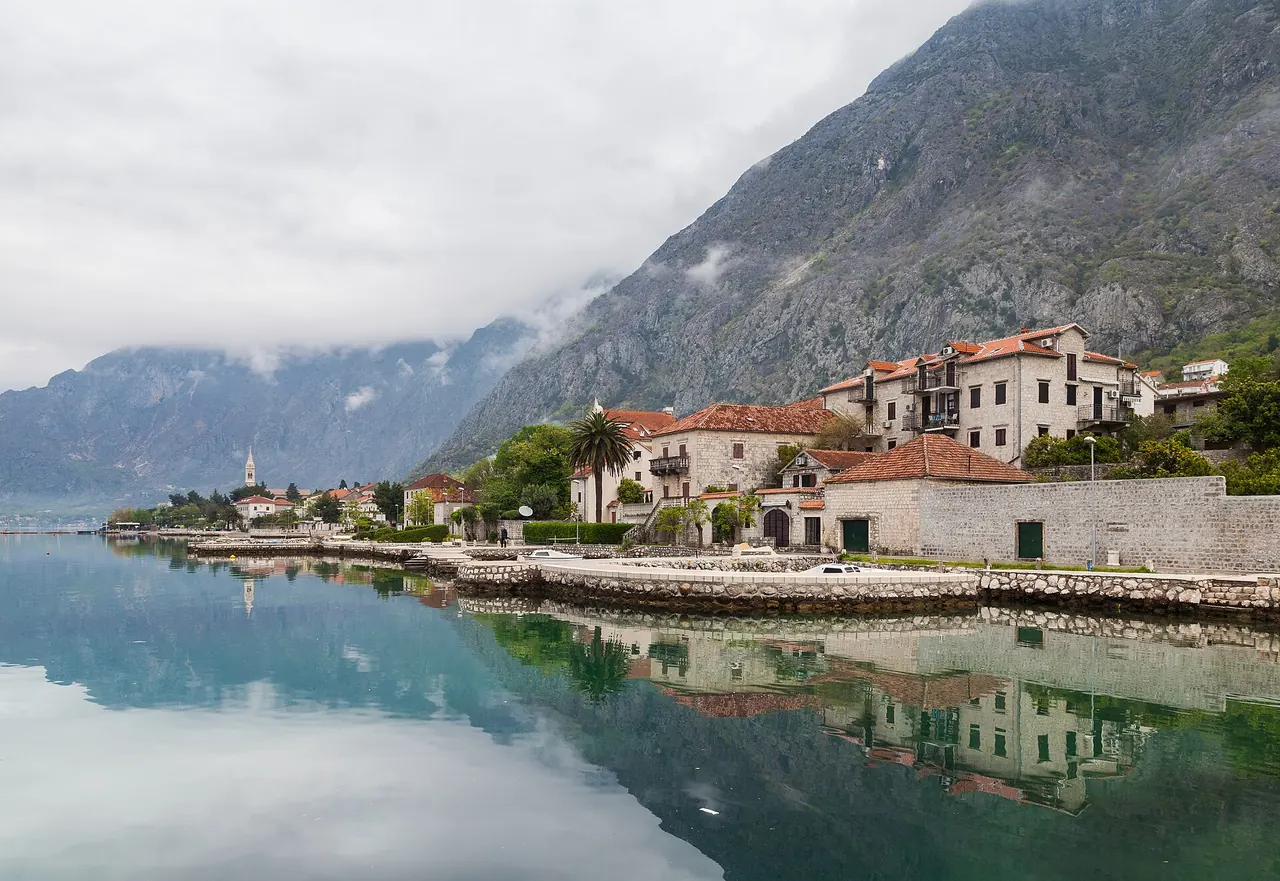
Yes - you can swim in and around Kotor. What you won’t find is a Budva-style sandy Riviera strip outside the Old Town walls. Swimming here means stone pontoons (pontas), concrete platforms with ladders, and short pebble or shingle edges along Dobrota, Morinj and the quieter Boka villages. The water is usually calm, the mountain backdrop is the real show, and the honest trade is scenery-plus-dip instead of a classic beach holiday.
That distinction matters. Travellers who arrive expecting Mogren or Bečići leave disappointed; travellers who treat the bay as a place to cool off between Old Town walks and boat hops leave happy. This page stays inside the Bay of Kotor. For open-coast sand and pebble rankings, use the best beaches in Montenegro roundup - and don’t expect this article to re-list them.
What swimming in the Boka looks like
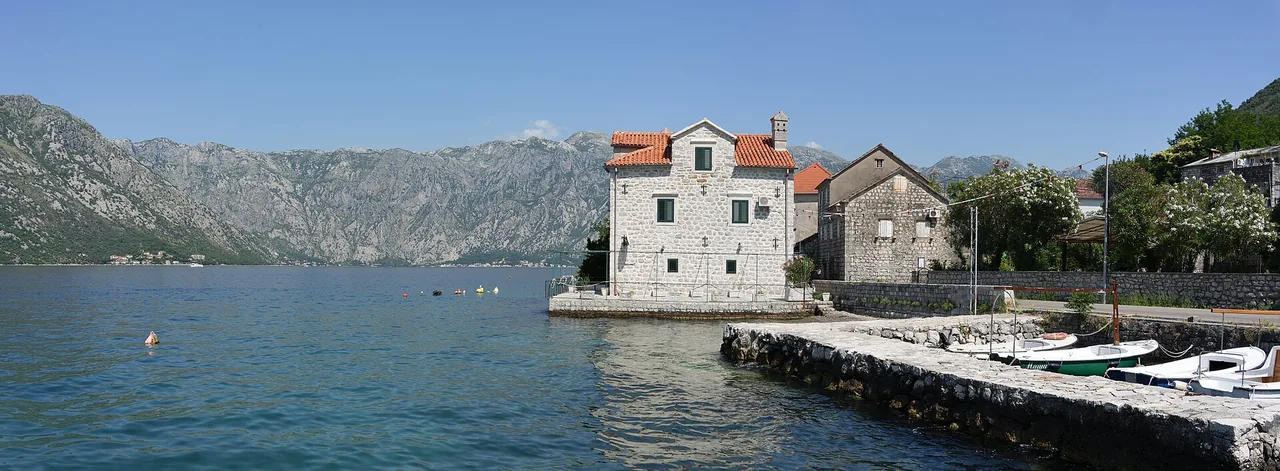
The Bay of Kotor (Boka Kotorska) is a drowned river canyon ringed by limestone walls that rise fast toward roughly 1,500 m. UNESCO’s Natural and Culturo-Historical Region of Kotor covers the inner south-eastern portion of that landscape, and its integrity description still calls out the old shoreline pattern of pontas and mandrachi - the piers and small harbours locals have always used to reach the water. That heritage is practical today: most “beaches” near Kotor are still platforms and short shore edges, not wide sand.
You’ll see three patterns along the shore:
- Public pontoons and stone steps - free or informal access, often with a metal ladder into deeper water.
- Organised lidos - leased stretches with sunbeds and umbrellas in season; prices change by operator, so check on the spot instead of trusting last year’s blog number.
- Tiny pebble/shingle pockets - enough room for a towel, sometimes a café behind you, rarely room for ball games.
Depth often drops quickly off a platform. Test with your feet before you jump. Water shoes help on rock and on stretches where sea urchins show up. Shade is scarce at midday, so a shirt or a rented umbrella earns its keep in July and August.
Dobrota: the pontoons locals and guests use
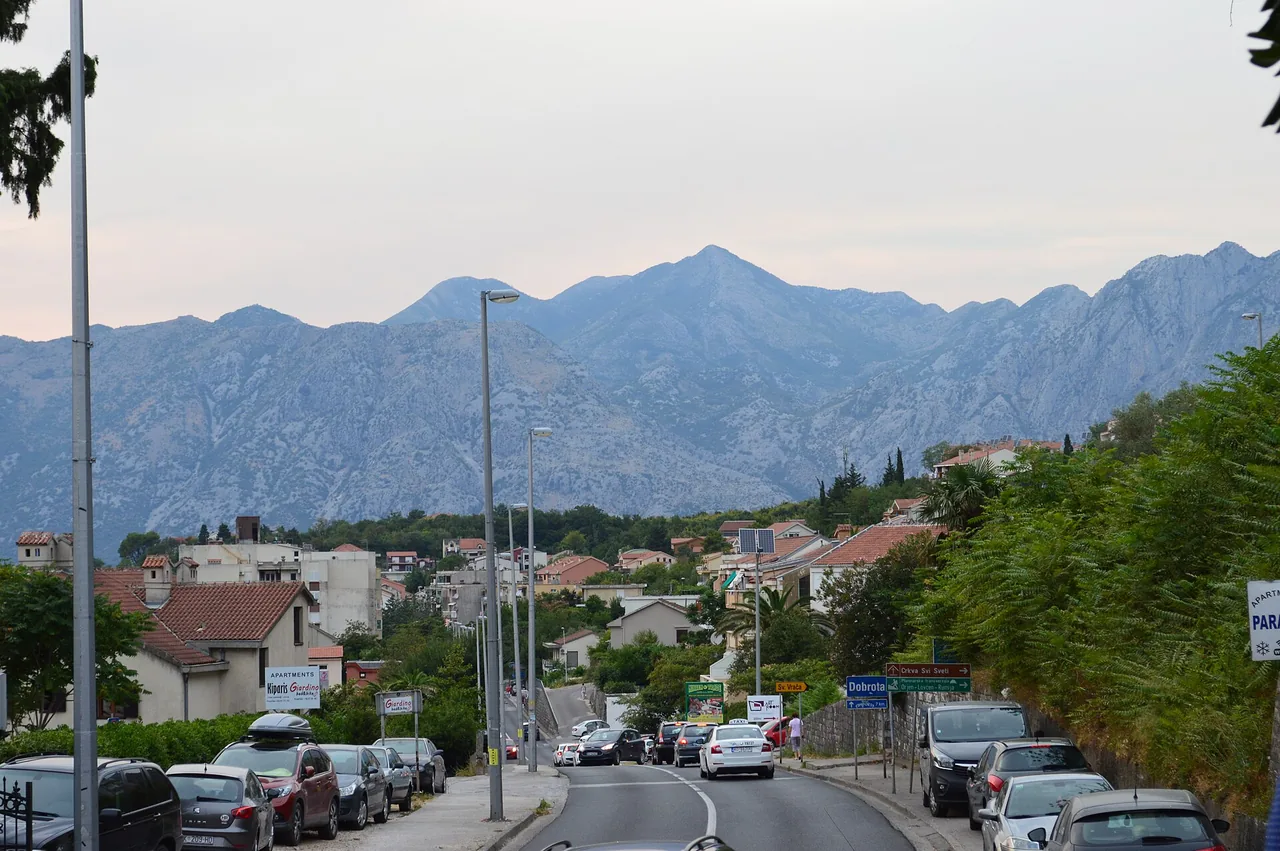
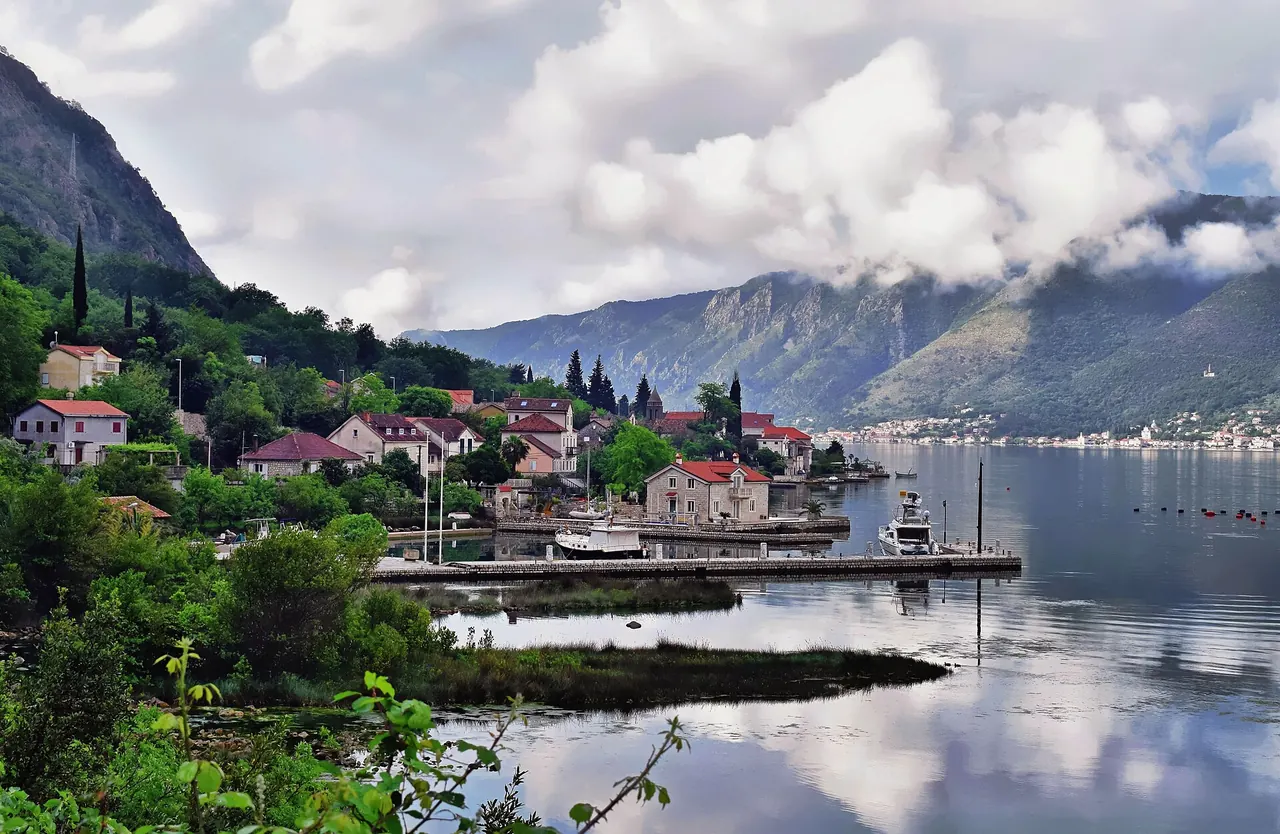
Walk north from Kotor’s Old Town along the shore road and you’re in Dobrota within about ten to fifteen minutes - treat that as an approximate stroll, not a surveyed kilometre. This long waterfront settlement is where overnight guests swim without hiring a taxi: concrete and stone pontoons, a few organised lounger spots in high season, and calm water under the same mountains you saw from the walls.
Locals favour the platforms for an after-work dip. Visitors who sleep in Dobrota often swim before breakfast and again before dinner. The Old Town itself is a harbour and cruise-call zone; it’s a poor place to plan a long swim, and the better water starts once you’ve cleared the busiest quays. For how Dobrota compares with sleeping inside the walls, see where to stay in Kotor.
What Dobrota is not: a sandy family beach with shallow wading for 50 metres. Kids who already swim do fine from ladders with a watchful adult. Toddlers who need a sandy shelf will be happier on the open coast - again, that’s the Riviera page, not this one.
Morinj and the cold-spring surprise
On the north-western arm of the bay, Morinj is the spot people mention when they want a swim that feels different. A freshwater spring meets seawater here, and the temperature drop is real - refreshing on a hot August afternoon, startling if you dive in expecting bath-warm Adriatic. Pair it with lunch at one of the waterside restaurants near the spring outlet (Ćatovića Mlini is the best-known landmark; hours and bookings swing with the season, so confirm locally).
Morinj works as a half-day from Kotor by car or taxi: swim, eat, then loop back via Perast or the Vrmac tunnel. It’s not a sunbed factory. Bring shoes for the stones, and don’t assume every pier is public - some are tied to restaurants or private houses.
Other Boka shores worth a dip
Once you’ve got Dobrota and Morinj in mind, other Boka shores fill in as variations on the same theme:
- Muo and Prčanj across from Kotor - quieter villages, short shore access, strong views back at the walls.
- Perast - more sightseeing than swimming, but the water is calm and clear enough for a short dip between island boat rides.
- Risan, Stoliv, Orahovac - local platforms and small organised spots; good when you want fewer cruise-day crowds than central Kotor.
- Toward Herceg Novi and the Verige strait - still bay water, but you’re closer to the open Adriatic exchange; late-summer jellyfish reports show up more often near the strait in traveller talk - ask locals that week, don’t treat it as a permanent hazard.
A Bay of Kotor boat tour is how many people see these villages from the water; swimming stops on group boats vary by operator, so clarify before you book if a swim ladder is the point of the day.
Water quality: what the 2026 monitoring reported
Montenegro’s public coastal company JP Morsko dobro runs a bathing-water programme aligned with national rules and the EU Bathing Water Directive (BWD). For 2026 it covers 114 locations coast-wide, with ten sampling rounds planned every 15 days from May through the end of September. The lab work is done by the University of Montenegro’s Institute of Marine Biology in Kotor, tracking Escherichia coli (E. coli) and intestinal enterococci and classing sites as excellent, good, satisfactory or poor. Live class updates also sit in the Morsko dobro app at morskodobro.me.
May was the first round. Sampling on 25-27 May 2026 found seawater of excellent quality at 90.4% of sites, good at 3.5%, and satisfactory at 6.1% nationwide. Inside the bay then: Tivat’s ten monitored sites were all excellent; Kotor had 14 excellent and one satisfactory among fifteen sites.
Operational picture as of 31 August 2026 rests on the mid-season round of 17-21 August 2026: nationwide 73.7% excellent / 15.8% good / 8.8% satisfactory / 1.8% poor. In the bay that round, Kotor scored 7 excellent / 5 good / 3 satisfactory; Tivat scored 7 excellent / 1 good / 1 satisfactory / 1 poor. After the 26 August retest, Baošići (Herceg Novi) cleared to satisfactory and swimming resumed there, while Donja Lastva 01 (Tivat) still carried a bathing ban / red flag. Any single site can move again after the next sample - treat the round as a snapshot, not a season-long guarantee, and re-check Morsko dobro if water looks cloudy after heavy rain.
After storms, freshwater runoff can muddy the inner basins for a day or two even when bacteria counts later clear. Don’t trust yesterday’s round alone: if the water looks wrong, pick another pontoon or wait.
Season and water temperature in the bay
The official bathing season on the Montenegrin coast often starts around 1 May, but comfortable swimming for most visitors is typically June through September. May air can feel summer-ready while the sea still bites; October holds warmth longer than newcomers expect. For month-by-month orientation across the whole coast, cross-check Montenegro sea temperature - that page already flags how cold springs and enclosed basins make Boka readings patchier than a single coastal average.
NOAA-based multi-year compilations for Kotor (the kind behind common “sea temperature today” sites) put typical monthly sea-surface temperature (SST) averages roughly around 17-19 °C in May, the low-to-mid 20s °C through June, and the mid-20s in July-August, still pleasant into September. Don’t treat aggregator SST averages as a thermometer reading for your day - and remember Morinj’s spring can undercut the surface average by several degrees in the same afternoon.
July and August bring the warmest water and the busiest pontoons. You’ll get the best compromise in June and September for most people staying in Kotor: warm enough to swim properly, thinner crowds on the ladders, easier parking along Dobrota.
Bay swim or Riviera beach day?
You’ll want a simple split.
Stay in the bay when you’re based in Kotor for walls, Old Town and boat hops; you want calm water without waves; you’re fine with platforms and ladders; you’d rather swim for 20-40 minutes between sightseeing than park on a sunbed all day.
Leave for the open coast when you need real sand, shallow family wading, or a full beach-club day. Budva, Bečići, Jaz, Sveti Stefan and Ulcinj’s long sand live on the Riviera and southern coast pages - start with best beaches in Montenegro and, if you’re still choosing a base, Kotor or Budva.
Many itineraries do both: morning swim off a Dobrota pontoon, afternoon walls or Perast, then one dedicated Riviera beach day later in the week. That mix matches how the Boka actually works better than forcing Kotor to be something it isn’t.
Practical notes that save a wasted afternoon
- Cruise days. When ships are in, the Old Town fills fast. Swim early or late, or base the swim in Dobrota while day-trippers clog the squares.
- Getting between spots. The shore road links Kotor, Dobrota, Perast and the western villages; buses and short taxis cover it without a car. Driving helps for Morinj and a multi-stop loop.
- What to pack. Water shoes, reef-safe sunscreen, a dry bag for the phone on wet platforms, and cash for loungers where a stretch is leased.
- Safety. No lifeguard culture on most informal pontoons. Don’t jump into unknown depth. Supervise children closely where ladders drop into deep water.
- Etiquette. Keep music low on residential pontas; don’t block restaurant piers unless you’re a customer; take litter with you - the bay is a living harbour, not a theme park.
If you’re still planning nights on the water, sleep somewhere you can walk to a ladder - Dobrota wins that test for most first visits - and keep the Kotor travel guide for the walls, cathedral and day-trip logistics. Swim here for the calm and the setting. Save the sand for the days you leave this enclosed canyon and hit the open Adriatic.
Photos
Read also

What to see · 10 min read
Hiking Bobotov Kuk: Durmitor Highest Peak
Verified · September 4, 2026Bobotov Kuk hike at 2,523 m: Sedlo (~10 km RT) vs Lokvice from Black Lake, €5 park fee, cables, season and early-start tips.

What to see · 11 min read
Rent a Boat in Kotor Bay: No Licence Needed
Updated · September 25, 2026Private boat rental in Kotor Bay 2026: skippered hire from €90/h, bareboat prices, licence rules, speed limits and where boats leave from.

What to see · 9 min read
Piva Lake & Canyon: Montenegro's Emerald North
Updated · August 27, 2026Piva Lake guide: the 45 km emerald reservoir, Mratinje Dam, boat trips from Plužine, the relocated Piva Monastery and how to pair it with Durmitor.

What to see · 8 min read
Where to Stay in Ulcinj: Old Town vs Velika Plaža
Updated · August 24, 2026Where to stay in Ulcinj: Old Town for atmosphere and Mala Plaža below, or Velika Plaža for 13 km of sand, kitesurf and resort hotels - who each suits.