
Montenegro Currency: Euro, ATMs, Cards, Tipping, Kuver
Montenegro uses the euro without being in the eurozone. ATM fees, cards versus cash, the 1 to 2.50 euro kuver cover charge in restaurants, and tipping.
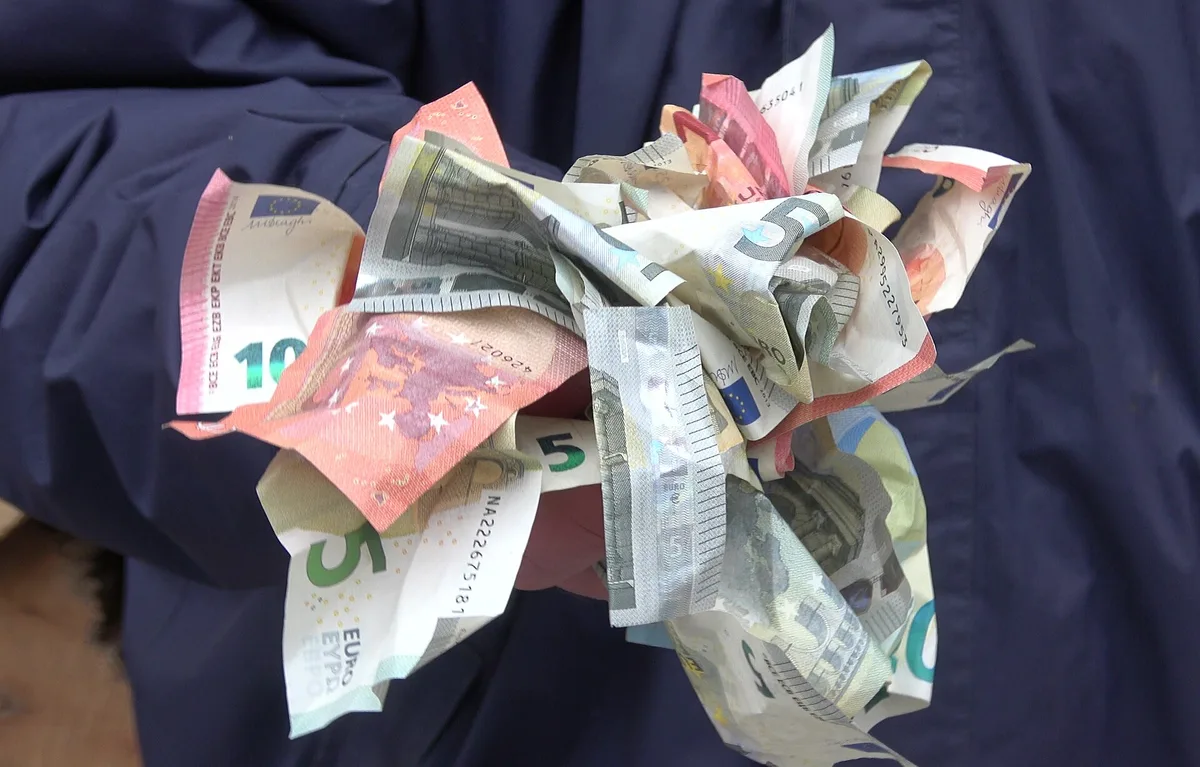
Montenegro’s currency is the euro (€), and it has been the country’s only legal tender since 2002 - even though Montenegro is neither in the European Union nor in the eurozone. If you are arriving from a euro country, there’s nothing to exchange and no conversion to think about. The catch is all in the small print on the ground: most local ATMs charge a flat fee to withdraw on a foreign card, card acceptance is excellent on the coast but patchy inland, and a couple of simple habits will save you real money.
This is the practical version - how to get euros cheaply, when you genuinely need cash, and how tipping works without the second-guessing.
Why Montenegro uses the euro (but isn’t in the eurozone)
Montenegro took on the euro unilaterally. When the physical currency launched in 2002 it simply replaced the Deutsche Mark, which the country had already adopted in 1999 to escape years of Balkan hyperinflation. There was never a formal monetary agreement with the European Central Bank, and there still isn’t - Montenegro uses the money without a seat at the table that sets its policy.
For a visitor that distinction changes nothing at all. The notes and coins are identical to the ones spent in Germany, France or Spain, prices are quoted in euros everywhere, and a euro-country debit card behaves exactly as it does at home.
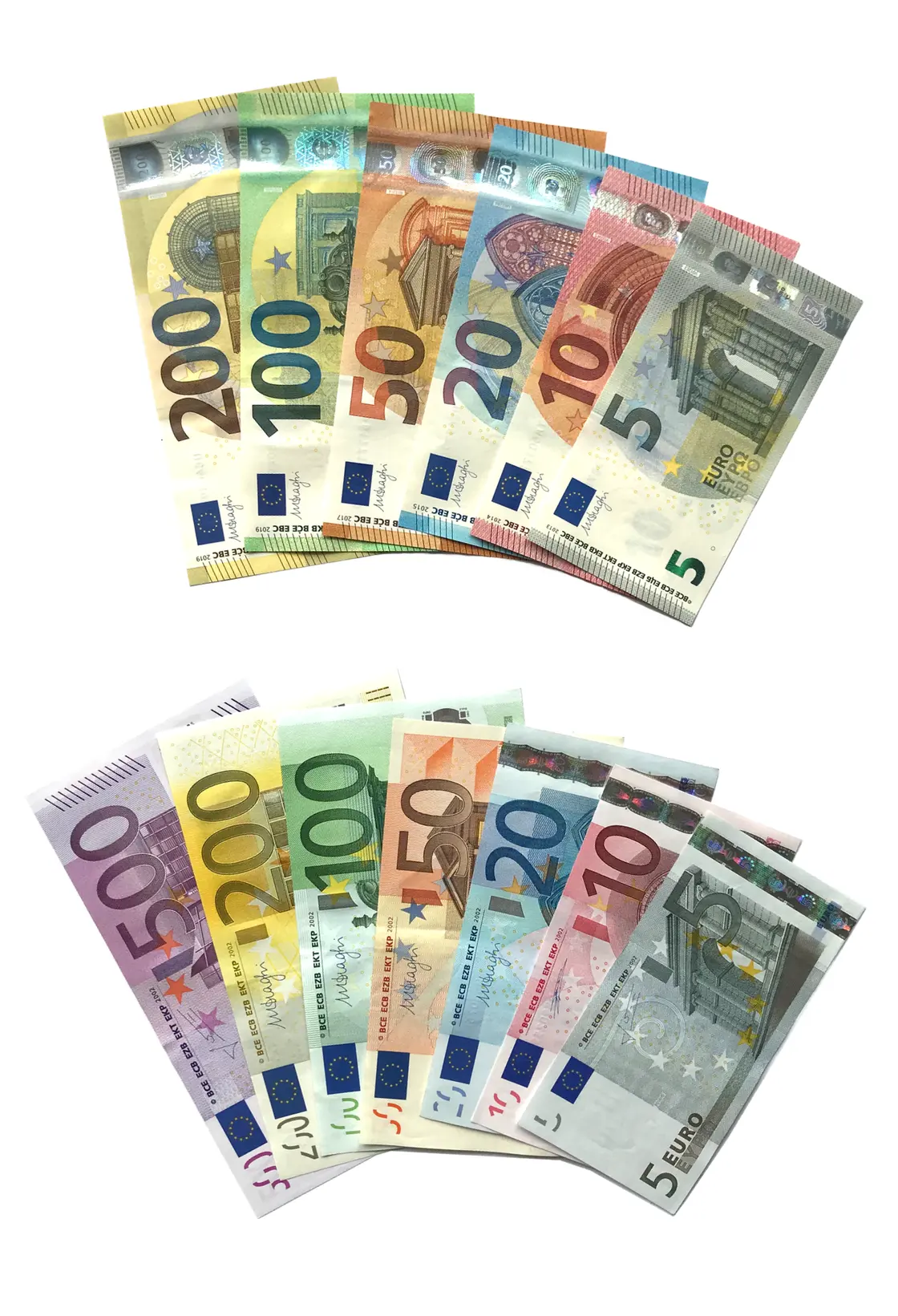
The only place it might matter is the future. Montenegro is aiming to join the EU by 2028, and negotiators are drafting wording that recognises its “unorthodox” euro use rather than forcing a change. In plain terms: the euro isn’t going anywhere, and there’s no reason to fear a new currency landing mid-trip.
ATMs: fees, limits and the DCC trap
This is where most visitors quietly lose money. The majority of Montenegrin bank ATMs charge a flat fee of about €5 to withdraw on a foreign card - the tariffs the banks publish themselves run from €4.99 to €5.88 - and that fee is the same whether you take out €50 or €400. The lesson writes itself: pull out larger amounts less often, rather than dipping in for pocket money every day.
The two banks that used to be the fee-free exceptions no longer are, so plan on paying. Ziraat Bank’s own notice says its ATMs have been out of service since 9 June 2026 while it migrates its card system, with no restart date announced - check whether they are back before you build a plan around them. Universal Capital Bank (UCB) turns out to publish a surcharge of €4.99 for foreign Visa and Mastercard withdrawals in its own card tariff, the same figure CKB prints; Hipotekarna charges €5.88. The “UCB is free” story comes from a different line altogether: CKB’s tariff lets its own customers use UCB machines for nothing, which does nothing for a card issued abroad. Whichever machine you pick, the fee appears on screen before you confirm, so you can always cancel and walk to a cheaper one.
Give the standalone Euronet machines a wide berth - the ones clustered on tourist squares in Kotor and Budva. Their rates are the worst you’ll find, and they push hardest on the single trick that costs everyone money: dynamic currency conversion.
DCC is the screen asking whether you want to be charged “with conversion” in your home currency or without it in euros. Always choose euros, or “without conversion”, or decline. Letting the machine convert hands it a markup that typically runs 7 to 10 percent worse than your own bank’s rate. The same prompt appears on card terminals in shops and restaurants, and the answer is always the same: pay in euros.
One more number to plan around: most machines cap a single withdrawal at €500, occasionally €800. Need more than that and it’s a second transaction, plus a second fee on the banks that charge one.
Cards or cash: what works where
On the coast, cards are easy. Supermarkets, chain shops, hotels and the larger restaurants in Kotor, Budva and Tivat take contactless without blinking, and Apple Pay and Google Pay are widely supported. For a coastal trip built around restaurants and shops, you can run most of your spending through a card.
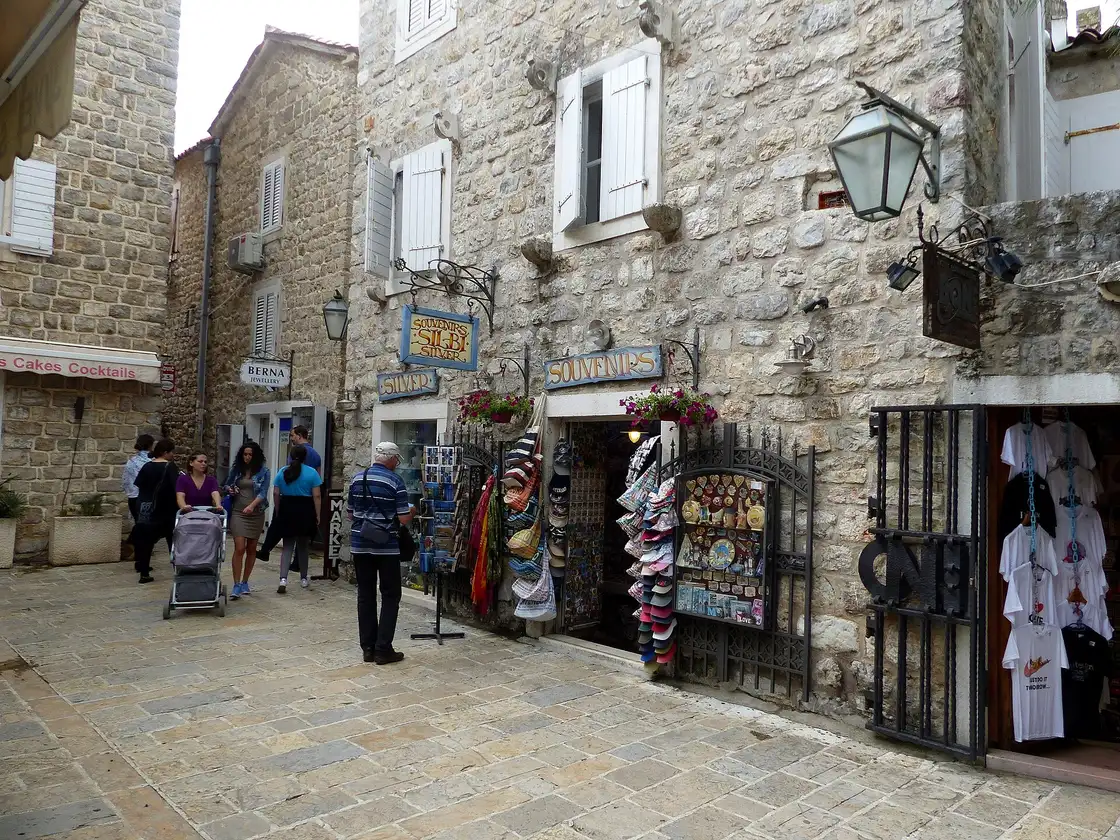
Cash becomes essential the moment you step off the main drag. Taxis mostly have no card terminal, and there’s no Uber or Bolt anywhere in Montenegro, so you cannot dodge that with an app. Market stalls, bakeries, small family konobas, parking machines and mountain guesthouses are frequently cash-only, and a handful of old-town shops set a card minimum of around €10.
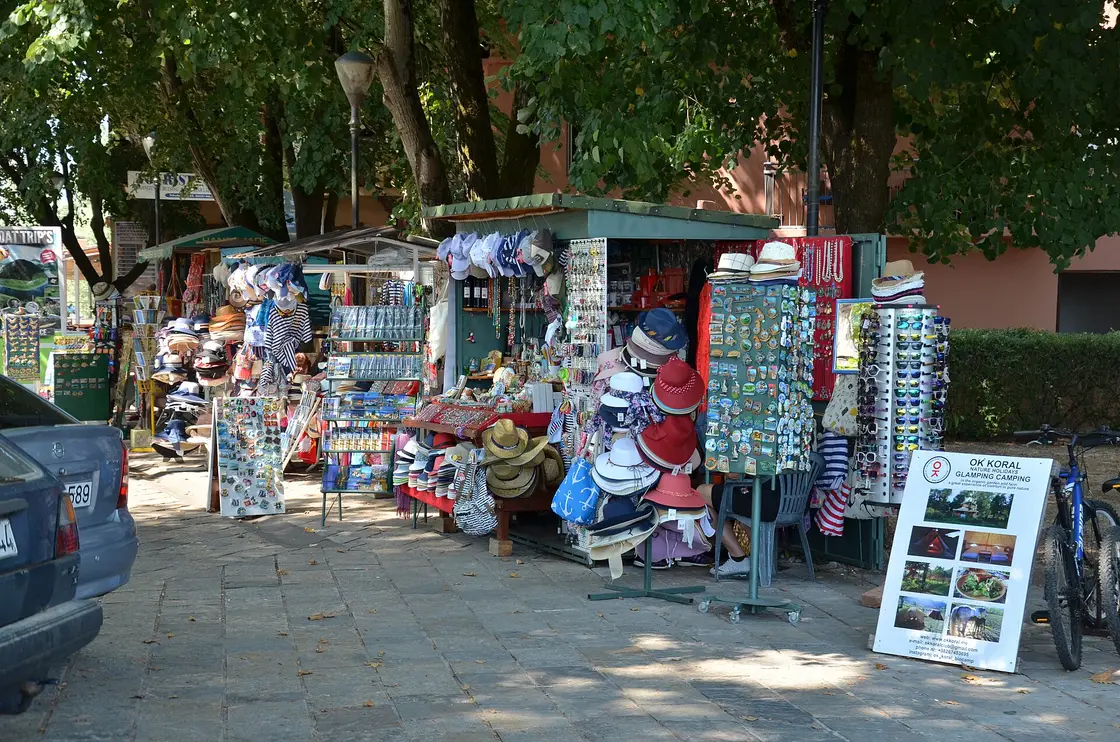
My rule of thumb: keep €50 to €100 in small notes on you once you head inland, and always carry enough for a taxi and a meal even in the towns. The further north you go - Durmitor, Kolasin, the mountain villages - the more the local economy simply runs on cash.
Do you need to exchange money?
Coming from any eurozone country, no. It is the same currency, so bring your euros and your card and walk straight past the exchange desk.
Coming from outside the euro (the UK, US, Serbia and so on), the cheapest route to euros is still almost always an ATM inside Montenegro rather than a bureau de change at home or at the airport - but budget about €5 a withdrawal rather than hunting for a free machine. Exchange offices within Montenegro are genuinely scarce and not worth building a plan around. Don’t turn up with a thick wad of dollars or pounds expecting to swap them easily - bring a card that doesn’t punish foreign withdrawals, and take euros out on arrival.
Tipping, and the “kuver” that isn’t a tip
First, clear up the thing that trips everyone up. Many sit-down restaurants add a “kuver” (couvert), a cover charge of roughly €1 to €2.50 per person for bread and cutlery. It’s normal, it’s not a scam, and it goes to the house. It’s not a tip, and it doesn’t mean you’ve already looked after your waiter.
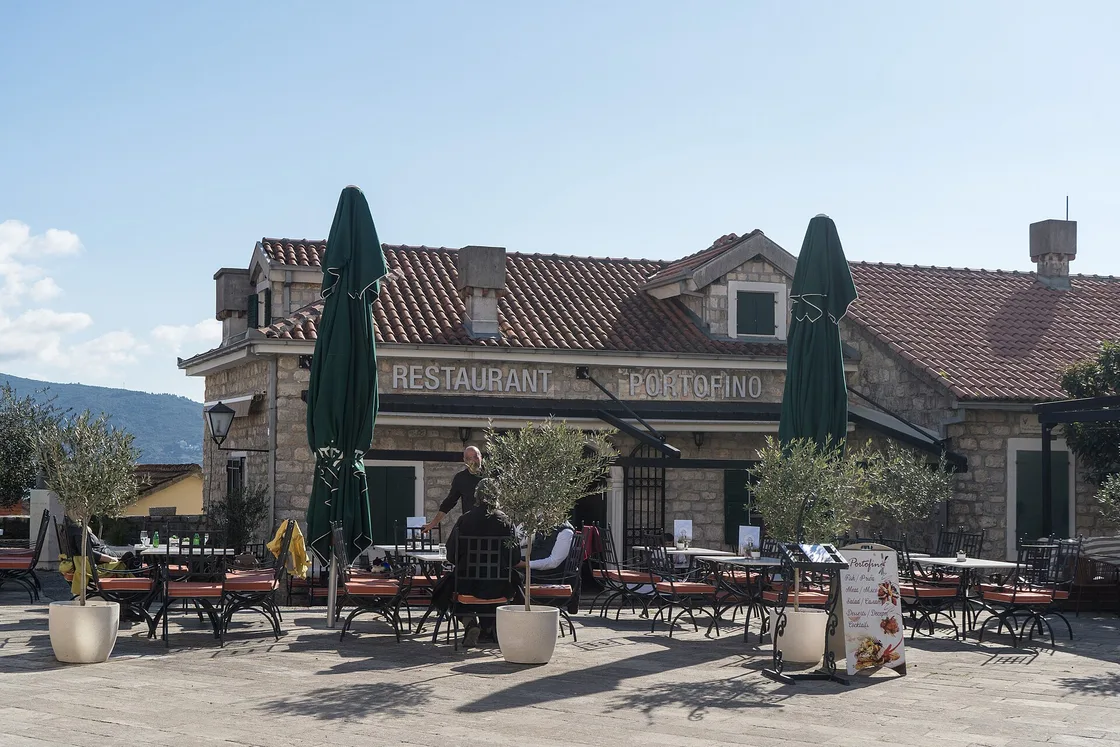
Tipping itself is relaxed and genuinely optional. In a restaurant, around 10 percent for good service is generous, and rounding up is normal - a €43 bill becomes €50, or you leave the change. In cafes and bars, people round up (a €1.70 coffee becomes €2). Taxis get the same treatment: a €9 fare, you hand over €10 and wave off the change.
One habit worth keeping: if you pay by card, leave the tip in cash and put it straight into the waiter’s hand. Card systems here often have no tip line, and cash makes sure the money reaches the person who served you rather than the till. For a tour guide, €5 to €10 for a good day is plenty; for hotel housekeeping, a euro or so a day if you like. None of it’s obligatory, and nobody will chase you down the street for skipping it.
A quick money plan for Montenegro
Pulling it together, here’s what actually works:
- Bring a card with low or no foreign-transaction and ATM fees, plus a backup card kept separately.
- Withdraw once, big to spread the €4.99-5.88 surcharge over more cash, and always decline DCC - take your cash in euros.
- Carry cash off the coast - taxis, markets, konobas and mountain stays often take nothing else.
- Skip the exchange if you come from the eurozone; if you don’t, use an ATM here rather than a bureau.
- Treat the kuver as a cover charge, not a tip, and tip in cash - 10 percent or rounding up is plenty.
Sort those out and money in Montenegro is refreshingly low-stress. Next, see what it all adds up to in our guide to the cost of living in Montenegro, check what you need at the border in Montenegro entry requirements, and if you plan to drive, read how card deposits and holds work in renting a car in Montenegro. Travelling without a car? Buses and taxis are covered in getting around Montenegro. And for the toll booths, ferry queues and park gates where these same cash habits matter most, see 13 Montenegro travel mistakes to avoid.
Read also

Before you go · 16 min read
Bay of Kotor Boating Rules: Licence, Speed Limits & Fines
Updated · September 5, 2026Montenegro boat rules 2026: certificate at 18 for self-drive, 6 knots within 300 m, 18-knot corridors, no motor boats in the Blue Cave, fines from €500.

Before you go · 12 min read
13 Montenegro Travel Mistakes to Avoid
Verified · August 29, 2026Concrete Montenegro travel mistakes with real numbers: toll lanes, ferry queues, ATM fees, park fees per day, and roads slower than the map admits.

Before you go · 10 min read
Kotor or Herceg Novi: Which Bay Town to Stay In
Updated · August 26, 2026Kotor or Herceg Novi as your Bay of Kotor base? Old towns, beaches, cruise crowds, Dubrovnik access and prices compared - who each town suits.

Before you go · 14 min read
All-Inclusive Montenegro: Resorts That Actually Exist
Updated · August 23, 2026Real all-inclusive hotels in Montenegro are rare - most listings are half board. The five that are genuine, and how to check before you book.