
Best eSIM for Montenegro: Plans Compared
Montenegro is outside EU roaming, so your home SIM racks up charges. The best eSIM plans for Montenegro in 2026 compared - Airalo, Yesim, Holafly.
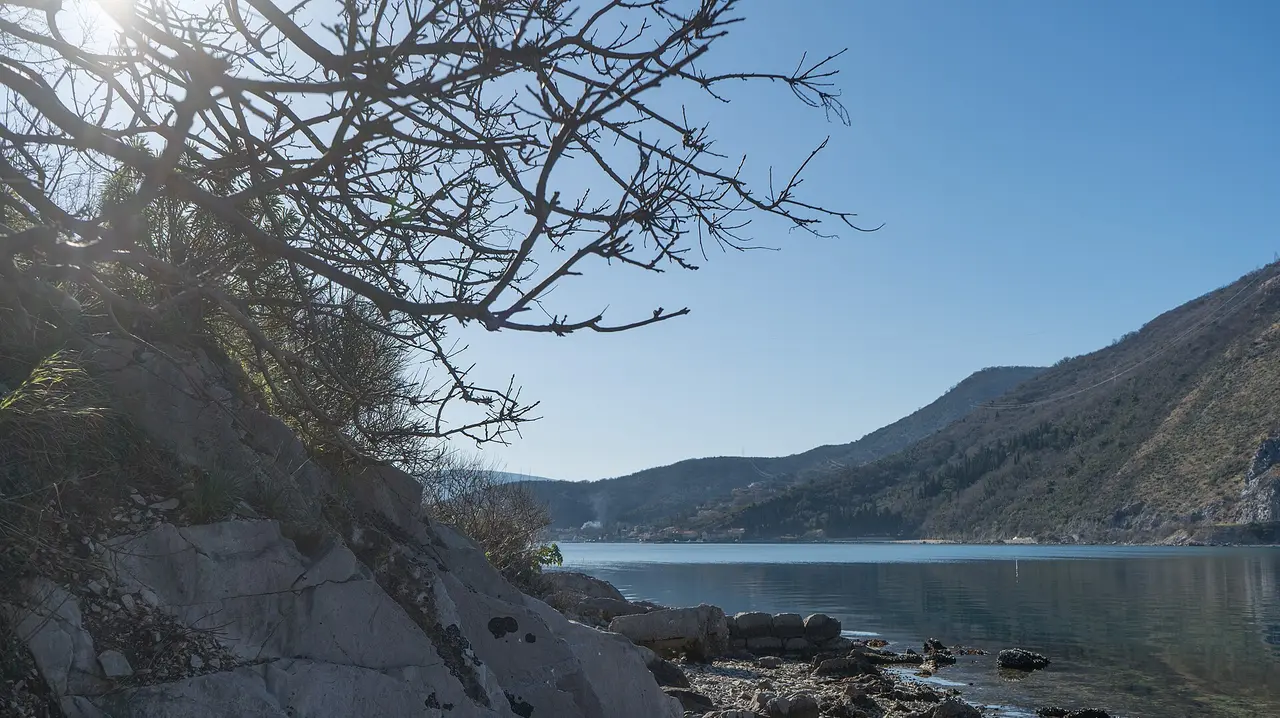
Here is the thing most people miss: Montenegro isn’t in the EU, so the “roam like at home” rules that keep your bill flat across Europe do not apply here. An EU or UK SIM will usually clock up roaming charges the moment you cross the border, and that is exactly why an eSIM is the smart fix. For most travellers a small data plan from Airalo or Yesim - a few euros for the week - does the job; only heavy streamers need an unlimited plan, and multi-country Balkan trips are better on a regional Europe eSIM. Below are the real options and prices for 2026.
Why you need an eSIM in Montenegro
Montenegro sits outside the EU and the EU/EEA roaming zone, so the surcharge-free roaming you get elsewhere in Europe stops at the border. Depending on your provider that can mean anything from a modest daily add-on to genuinely painful per-megabyte rates, and a US or UK plan is usually worse. Buying a local eSIM sidesteps all of it: you land, the plan activates on a Montenegrin network, and you pay a known price for a known amount of data. The EU and the Western Balkans are negotiating to scrap these roaming charges, possibly by late 2026, but for now an EU SIM still roams here with a surcharge, so check your own plan’s rate before you rely on it.
An eSIM is just a digital SIM you install from an app or a QR code - no plastic, no shop, no passport queue at the airport kiosk. You can buy and install it before you leave home, then switch it on when you arrive. The one catch is that eSIMs are data only: there’s no local phone number, so calls and texts run over WhatsApp, Signal or your usual apps rather than a normal cellular call.
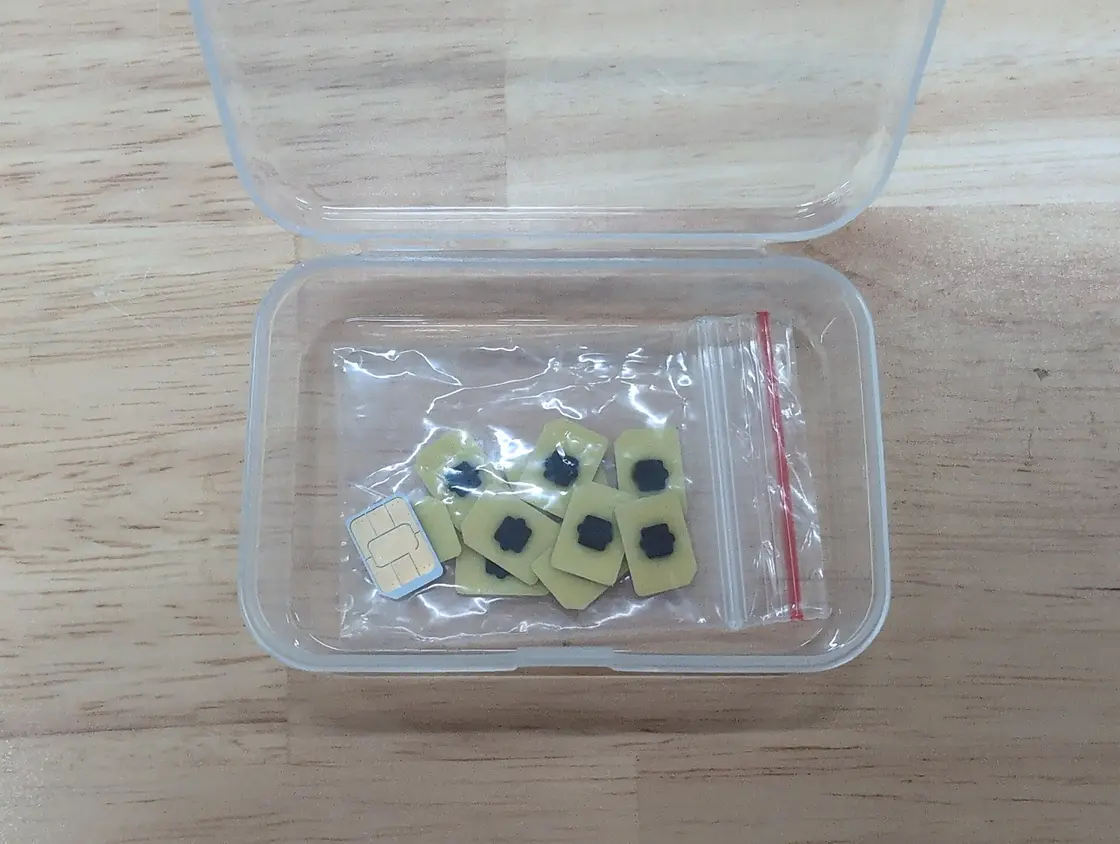
The networks your eSIM actually rides on
Every travel eSIM is really renting capacity on one of Montenegro’s three local operators: m:tel, One (formerly Telenor) and Crnogorski Telekom (the T-Mobile brand). Which one you land on depends on the provider - Airalo and Holafly typically use m:tel, Yesim rides on One (ex-Telenor). In practice all three give solid 4G, and increasingly 5G, along the coast and in the main towns: Podgorica, Kotor, Budva, Tivat and Herceg Novi are well covered.
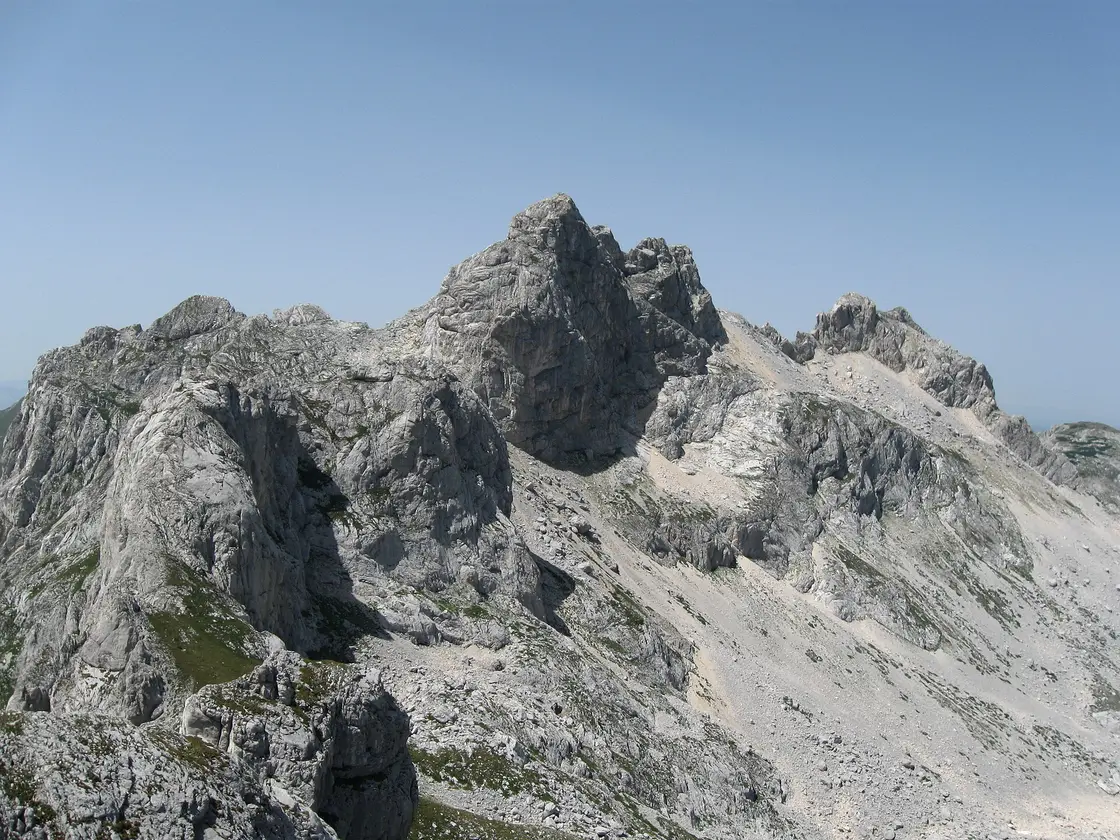
The weak spot is the mountains. Coverage thins fast once you leave the coast and the central corridor, and parts of Durmitor National Park, remote hiking trails and back roads in the north have patchy signal or none at all. If your trip includes serious hiking or driving the interior, download offline maps before you go and don’t count on data at the trailhead - no eSIM brand fixes a mast that’s not there.
The main eSIM options compared
Three providers cover the vast majority of travellers, and they split neatly by style. Prices below are a mid-2026 snapshot and move often - always check the current rate in the app before buying.
| Provider | Network | Plan style | Rough price (verify) |
|---|---|---|---|
| Airalo | m:tel | Fixed data + unlimited | From ~$4 for a small data plan; unlimited from ~$20.50 / 3 days, ~$37 / 10 days, ~$89 / 30 days |
| Yesim | One | Fixed data + unlimited | ~€2.50 / 1GB (7 days), ~€9.60 / 5GB (30 days), ~€16 / 10GB (30 days); unlimited from ~€24.50 / 7 days |
| Holafly | m:tel / One | Unlimited only | ~$19.90 / 3 days up to ~$106.50 / 30 days |
The pattern is easy to read. Airalo is the flexible default: a huge range from a cheap 1GB-ish plan up to unlimited, reliable app, good coast coverage. Yesim is the value pick if you want a specific amount of data - its fixed 3GB, 5GB and 10GB plans are cheap, and it even offers a pay-as-you-go “Pay & Fly” option billed by the day. Holafly only sells unlimited, which makes it the simplest choice for a heavy user who doesn’t want to watch a data counter, but the worst value if you barely use your phone.
How much data do you actually need?
This is the question that decides everything, and most travellers wildly overbuy. A realistic split:
- Light user (maps, WhatsApp, the odd browse): you’ll struggle to burn 500MB a day. A 3-5GB fixed plan covers a week or two comfortably and costs about the price of two coffees. Unlimited is money down the drain here.
- Medium user (social, photos to the cloud, some music): budget 1GB a day, so a 7-10GB plan for a week. Still cheaper as fixed data than unlimited.
- Heavy user (streaming, video calls, tethering a laptop): if you’re pushing past 2GB a day, an unlimited plan stops being a luxury and becomes the sane option - this is where Holafly or an Airalo/Yesim unlimited plan earns its price.
If in doubt, start with a small fixed plan and top up. Running out and buying a second small plan is cheaper than paying for unlimited data you never touch.
Doing more than Montenegro? Go regional
If Montenegro is one stop on a bigger Balkan or Europe trip - Dubrovnik one week, Kotor the next, maybe Albania after - don’t buy a separate eSIM per country. Airalo’s Eurolink regional plan covers around 40 countries on one eSIM, Montenegro included (on m:tel), so a single purchase carries you across borders without reinstalling anything. It costs a little more per gigabyte than a Montenegro-only plan, but far less than juggling three local eSIMs. For a single-country week, the country plan wins; for a multi-country hop, the regional plan wins.
eSIM or a local SIM card at the airport?
You can still buy a traditional plastic SIM on arrival: the kiosks at Podgorica and Tivat airports, and phone shops in every town, sell local tourist SIMs from m:tel, One and Crnogorski Telekom, and their prices are competitive with the eSIMs above. The trade-off is friction. You queue, you hand over your passport for registration, and you physically swap out your home SIM, which then lives loose in your wallet waiting to be lost. What the local card does give you is an actual Montenegrin phone number, handy if a booking or a local app insists on texting a code to a domestic mobile.
For most short trips, though, the eSIM wins on convenience alone: it’s live before you land, there’s nothing to misplace, and your home number stays in the phone for banking texts. Buy the plastic SIM only if you specifically need a local number, plan a long stay, or your handset doesn’t support eSIM. The local tourist packs - 500 GB for €15 at One, m:tel or Telekom - and when the airport kiosk is worth the queue live on our SIM cards and local operators page. The local tourist packs - 500 GB for €15 at One, m:tel or Telekom - and when the airport kiosk is worth the queue live on our SIM cards and local operators page.
Setting it up (do this before you fly)
Two things have to be true for an eSIM to work: your phone must be eSIM-compatible (iPhone XS/XR and newer, recent Google Pixel, Samsung Galaxy S20 and up) and carrier-unlocked. If you bought your phone outright or it is a few years old and unlocked, you’re almost certainly fine; a phone still tied to a carrier contract may not be.
The smooth way to do it: buy and install the eSIM at home on wifi a day or two before you travel, but don’t set it as your data line until you arrive. When you land in Montenegro, switch mobile data to the travel eSIM and leave your home SIM active for calls and bank verification texts - most phones happily run both at once. That dual setup keeps your normal number reachable for SMS codes while your data runs on the cheap local plan. For the rest of your arrival logistics, see our Montenegro travel guide, and for the cash side of things - ATMs, cards and avoiding conversion markups - our currency and money guide.
A connected phone is also your cheapest safety tool here: live maps on mountain roads, a working translation app and a way to call a licensed taxi. It pairs naturally with knowing how much a trip costs and whether Montenegro is safe before you go.
The short answer: which eSIM to pick
To save you scrolling back up, here’s the decision in one place:
- One week, ordinary use (maps, chat, browsing): a small Airalo or Yesim fixed-data plan of 3-5GB. Cheapest route, and more data than you’ll realistically use.
- You stream, video-call or tether a laptop: go unlimited - Holafly for its no-counter simplicity, or an Airalo or Yesim unlimited plan.
- Several countries in one trip: Airalo Eurolink regional, one eSIM across the Balkans and Europe.
- You want a local number or run an older phone: a physical SIM from the airport or a town shop.
Whichever you choose, buy it before you travel, keep your home SIM in for texts, and remember that the mountains will drop your signal no matter whose logo is on the plan.
Nearby / read also
- Is Montenegro expensive? Trip cost & daily budget - where connectivity fits your overall budget.
- Montenegro currency & money - cards, cash and ATM fees without the markup.
- Montenegro travel guide - the practical first steps on arrival.
- SIM cards in Montenegro - Telenor is now One; local packs versus a travel eSIM.
- SIM cards in Montenegro - Telenor is now One; local packs versus a travel eSIM.
Read also

What to see · 10 min read
Hiking Bobotov Kuk: Durmitor Highest Peak
Verified · September 4, 2026Bobotov Kuk hike at 2,523 m: Sedlo (~10 km RT) vs Lokvice from Black Lake, €5 park fee, cables, season and early-start tips.

What to see · 10 min read
Swimming in the Bay of Kotor: Beaches & Lidos
Updated · August 31, 2026Can you swim in Kotor? Yes - on Dobrota pontoons, Morinj and small Boka shores. Water quality, season and what to expect.

What to see · 11 min read
Rent a Boat in Kotor Bay: No Licence Needed
Updated · September 5, 2026Private boat rental in Kotor Bay 2026: skippered hire from €90/h, bareboat prices, licence rules, speed limits and where boats leave from.

What to see · 9 min read
Piva Lake & Canyon: Montenegro's Emerald North
Updated · August 27, 2026Piva Lake guide: the 45 km emerald reservoir, Mratinje Dam, boat trips from Plužine, the relocated Piva Monastery and how to pair it with Durmitor.