
Is Kotor Worth Visiting? Crowds, Walls & Verdict
Is Kotor worth visiting in 2026? An honest take on the cruise-day crowds, what is genuinely worth your time, and how to see it at its best.
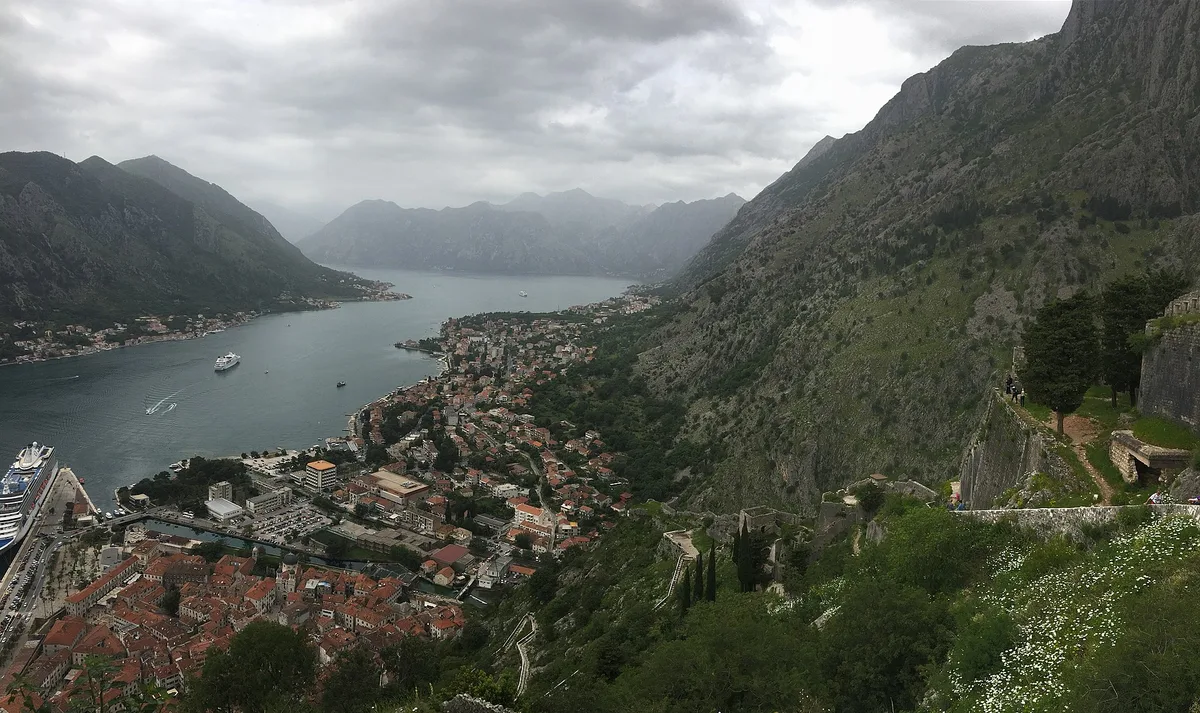
Yes - for most people Kotor is the single best stop on the Montenegrin coast, but how much you enjoy it depends almost entirely on when you show up. Get it right and you walk a car-free medieval town wrapped in Venetian stone, climb the walls to a fortress view over the fjord-like bay, and eat dinner on a floodlit square. Get it wrong and you shuffle through a tiny old town at noon in August with four cruise ships’ worth of people, wondering what the fuss was about.
So the real question isn’t whether Kotor is beautiful - it plainly is - but whether it is worth it for you, and how to dodge the version of it that disappoints. Here’s the honest breakdown, from someone who has done both the good day and the bad one.
What makes Kotor worth the trip
The pull of Kotor is its setting. The Bay of Kotor (the Boka) cuts deep inland between near-vertical grey limestone, and the town sits right at the far end, where the water is stillest and the cliffs press in hardest. It looks like a fjord, though geologically it’s a drowned river canyon. Whatever you call it, it’s one of the most dramatic corners of the Mediterranean, and the first sight of the town from the water or the wall does the heavy lifting for the whole trip.
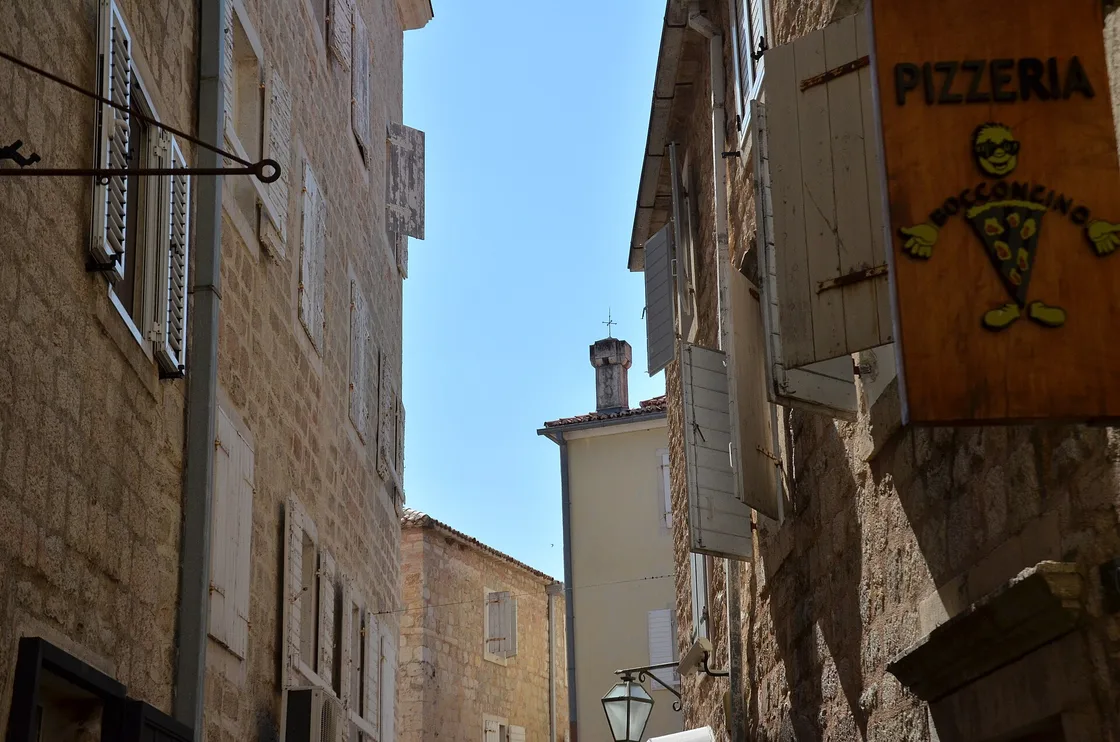
The Old Town itself is a UNESCO World Heritage Site (listed in 1979), and it’s genuinely medieval: no street plan to speak of, a tangle of marble lanes, small squares and churches inside about 4.5 km of walls. It’s small enough to cross in ten minutes, which is part of its charm and, on the wrong day, part of its problem. Add the walls climb, the bay boat trips and the villages up the shore, and Kotor earns its reputation. The catch is that reputation now brings a lot of company.
The crowd problem, and how bad it really is
This is the thing to understand before you go, because it decides everything. Kotor is a major cruise port, and in July and August the busiest days can see several large ships in the bay at once - up to around four, each carrying somewhere between 2,000 and 4,000 passengers. When they’re all ashore, a town of roughly 13,000 residents can be hosting a visitor crowd comparable to its own population, and it shows. If you are one of those passengers, our Kotor cruise port guide plans a day in port around the crush.
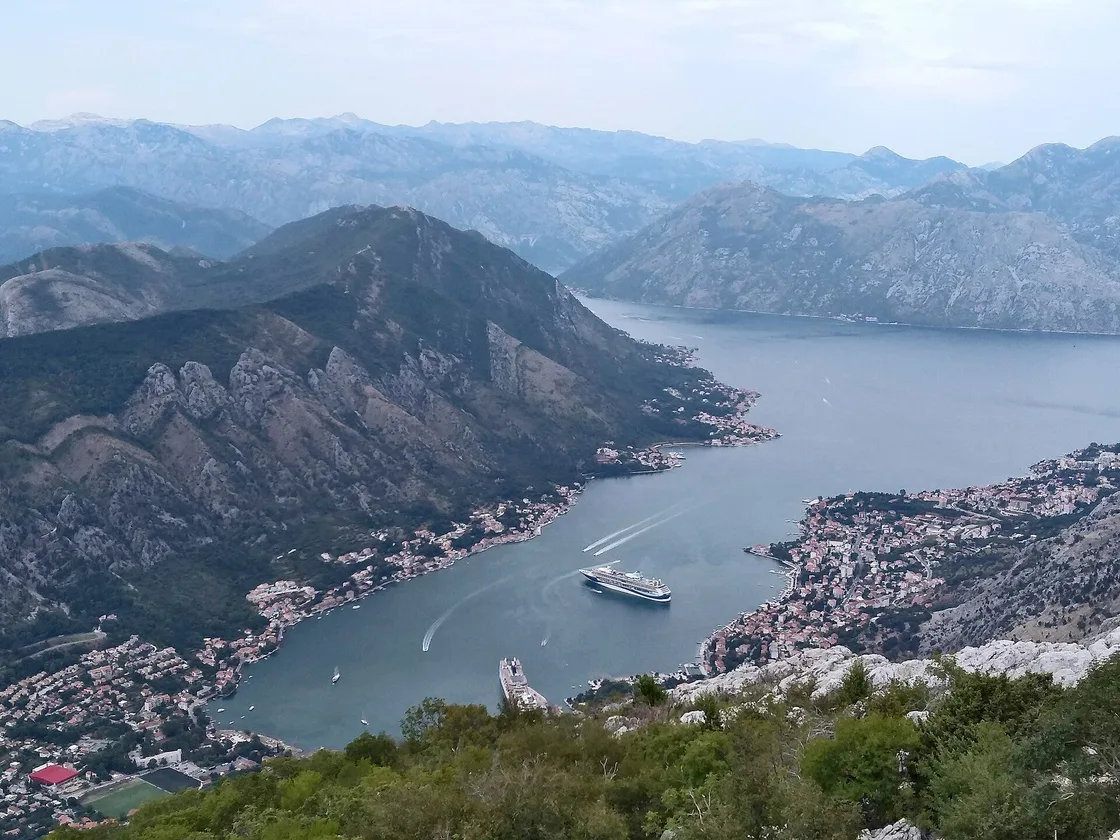
The crush is worst roughly between 9am and 4pm, when the ships are in and the day-trippers from the coast arrive too. Because the Old Town is so compact, it clogs faster than a bigger walled city like Dubrovnik: the main lanes go single-file, the good restaurants stop taking walk-ins, and the walls path turns into a slow queue in the heat. Kotor’s own council has been openly wrestling with the strain that cruise numbers put on water, waste and the fabric of the town, so this isn’t just a tourist grumble.
Here’s the good news, and it’s the whole trick to Kotor: the crowds are almost entirely time-bound. The ships leave in the late afternoon and the town deflates. If you see the Old Town before about 9.30am or after 5pm, and ideally sleep in or near town rather than day-tripping in, you skip most of the crush and get the atmospheric version everyone raves about. That single decision - stay overnight, tour early or late - is the difference between loving Kotor and leaving underwhelmed.
What is actually worth your time (and what to skip)
Kotor is small, so you don’t need long, but a few things genuinely earn their place.
The walls to the San Giovanni fortress are the headline. The stepped path zig-zags about 260 m up the mountain behind the town - roughly 1,350 steps - and takes most people 45 minutes to an hour each way. The reward is the classic view straight down over the terracotta roofs and the bay. Expect to pay around €15 in 2026 at the official entrances, charged roughly 8am to 8pm from May to September (prices change, so check locally); go before that and it’s free, cooler and far quieter. Take water and shoes with grip, and if the full climb is too much, the little church about halfway up is a fair turnaround.
A wander through the Old Town is worth an hour or two but no more - get pleasantly lost, see the 12th-century Cathedral of Saint Tryphon, sit on a square with a coffee. A boat trip on the bay is the other thing I would prioritise, especially to Perast and the island church of Our Lady of the Rocks, often combined with the Blue Cave; our guide to the Bay of Kotor boat tour covers what those trips include. What you can happily skip: the pricey, mediocre restaurants ringing the main square at peak times, and paying to queue for the walls at midday when you could go early for free. For the full run of sights and how to reach them, the complete Kotor travel guide has the detail.
Kotor vs Perast, Budva and a day trip
If crowds are your worry, know your alternatives before you commit your days.
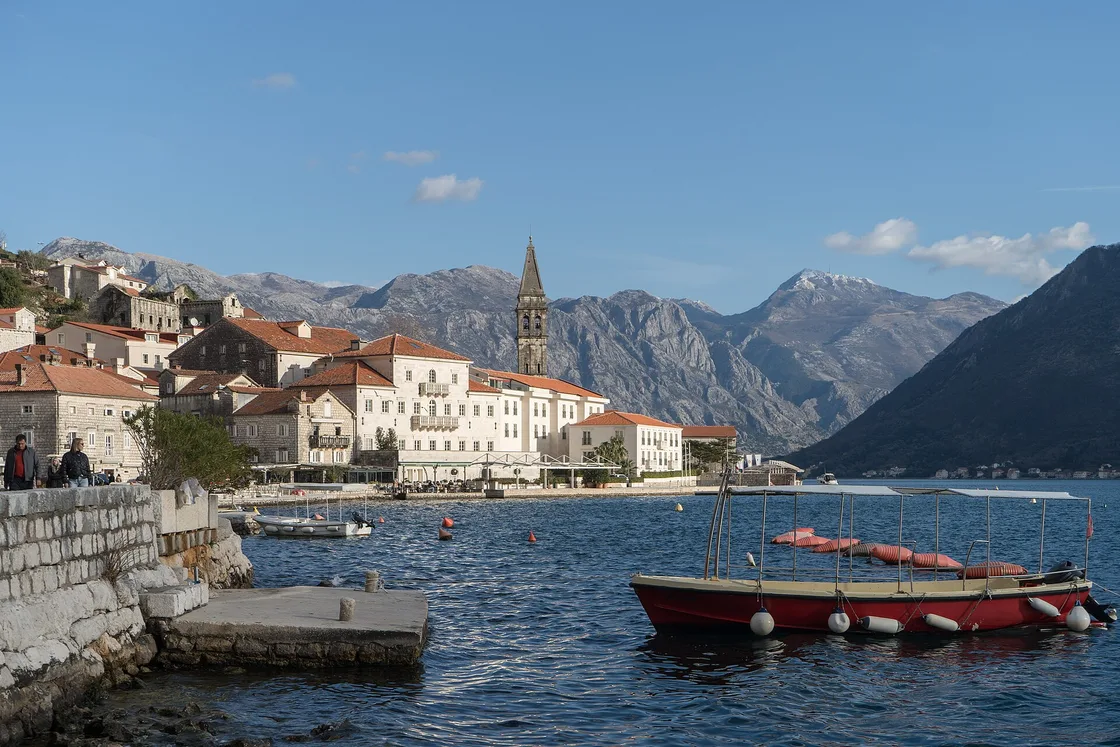
Perast is the quiet answer. A tiny Baroque town about 12 km up the bay, all sea-captains’ palazzi and churches with almost no modern building, it gets a fraction of Kotor’s crowds and is the launch point for Our Lady of the Rocks. Many people who find Kotor too busy end up happiest with an afternoon in Perast.
Budva is the opposite trade. If you want a sandy beach, a lively promenade and nightlife, Budva delivers what Kotor can’t - Kotor has no real beach, and the water by town is a working port. If you’re torn about where to base yourself, Kotor or Budva weighs them side by side. And on the day-trip-versus-stay question, the maths is simple: day-trippers and cruisers get Kotor at its most crowded, while anyone who stays the night gets its best hours almost to themselves. If you do stay, where to stay in Kotor breaks down the Old Town versus the quieter bay villages.
Who should visit Kotor - and who should skip it
You’ll probably love Kotor if you are drawn to history, architecture and dramatic scenery, you’re fit enough to enjoy the walls climb, you like photography, or you can shape your visit around the quiet hours. Couples, hikers and anyone building a wider Balkans or Adriatic route tend to rate it their favourite stop.
You might be underwhelmed if you are after a beach holiday (Kotor is not the place - head to Budva or the southern coast), you can’t stand crowds and can only come in the middle of a peak-summer day, or you’ve mobility issues, since the walls are steep and the lanes are uneven stone. And if your only window is a few midday hours off a cruise in August, temper the expectation: you’re seeing Kotor at its most hectic and least rewarding.
The verdict: yes, if you time it right
For most travellers Kotor is absolutely worth visiting, and it’s often the highlight of a Montenegro trip. The honest asterisk is all about timing. Come in the shoulder months of May, June, September or early October rather than the July-August peak; see the Old Town and climb the walls early in the morning or in the evening; and sleep in or beside town so you get the hours when the ships have gone and the stone lanes are yours.
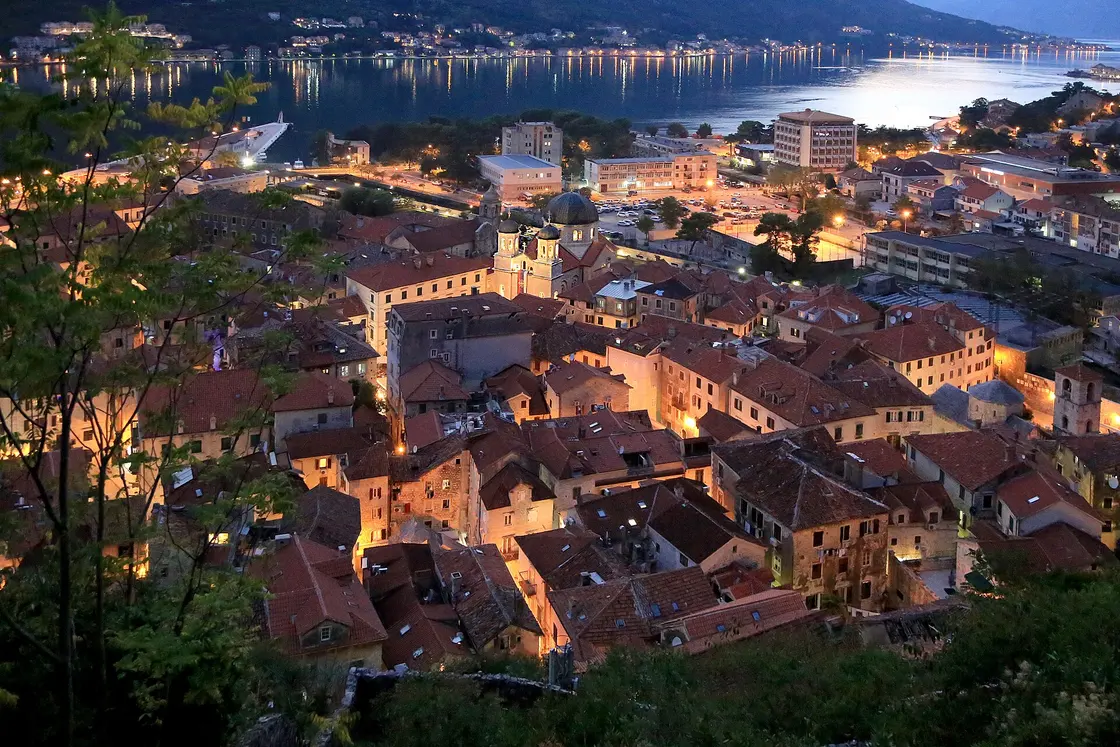
Do that, and Kotor lives up to every photo. Turn up at noon in August with the crowds and no plan, and it’ll not. If you are still weighing the wider trip, see our honest take on whether Montenegro is worth visiting overall, and read the full Kotor travel guide for everything to see once you’ve decided to go.
Read also

Before you go · 16 min read
Bay of Kotor Boating Rules: Licence, Speed Limits & Fines
Updated · September 5, 2026Montenegro boat rules 2026: certificate at 18 for self-drive, 6 knots within 300 m, 18-knot corridors, no motor boats in the Blue Cave, fines from €500.

Before you go · 12 min read
13 Montenegro Travel Mistakes to Avoid
Verified · August 29, 2026Concrete Montenegro travel mistakes with real numbers: toll lanes, ferry queues, ATM fees, park fees per day, and roads slower than the map admits.

Before you go · 10 min read
Kotor or Herceg Novi: Which Bay Town to Stay In
Updated · August 26, 2026Kotor or Herceg Novi as your Bay of Kotor base? Old towns, beaches, cruise crowds, Dubrovnik access and prices compared - who each town suits.

Before you go · 14 min read
All-Inclusive Montenegro: Resorts That Actually Exist
Updated · August 23, 2026Real all-inclusive hotels in Montenegro are rare - most listings are half board. The five that are genuine, and how to check before you book.