
Bay of Kotor & Coast Road Trip Itinerary
A 3-5 day Bay of Kotor road trip: Kotor, Perast, Budva, Sveti Stefan and the Lovćen mausoleum - stops, driving times and the Verige ferry.
The Bay of Kotor and the coast just south of it pack Montenegro’s headline sights into a small, drivable loop: a walled medieval port, a Baroque island town, the country’s busiest beach resort, its most photographed islet, and a mountain mausoleum with a view over half the nation. This itinerary covers it in three to five days - a relaxed pace of about 140 km in total, easily done with a hire car and two bases. The distances are short; the time goes on the sights, the swimming and the slow serpentine climb up to Lovćen, not on the road.
The plan below runs Kotor → Perast → Budva → Sveti Stefan → Lovćen (Njegoš Mausoleum) → Cetinje, with Kotor and Budva as the two overnight bases. You can compress it into a long weekend or stretch it with extra beach days. Either way, you drive the famous shore road around the Boka Kotorska, with the option of the Kamenari-Lepetane car ferry to cut the loop when you want to.
How long do you need: 3, 4 or 5 days?
Three days is the minimum to see the bay and the coast without rushing: a day for Kotor, a half-day for Perast, and a day for Budva and Sveti Stefan. Four days adds the trip up to Lovćen and the Njegoš mausoleum - the single best half-day in the region, and a complete change of scene from the coast. Five days lets you fold in Cetinje, the old royal capital below the mountain, plus a proper beach day or a Bay of Kotor boat tour.
| Pace | What you fit in | Bases |
|---|---|---|
| 3 days | Kotor, Perast, Budva, Sveti Stefan | Kotor + Budva |
| 4 days | + Lovćen & Njegoš Mausoleum | Kotor + Budva |
| 5 days | + Cetinje and a full beach/boat day | Kotor + Budva |
Read the mileage, days and budget on the summary card as a starting point rather than a fixed itinerary - how many stops you add, the season and where you sleep all push the numbers around. Figure €60 a day as the shoulder-season floor per person (a modest room, a shared car, simple meals); July and August on the coast cost noticeably more.
Day 1-2: Kotor and the head of the bay
Kotor anchors this whole loop, sitting where the bay narrows into its calmest, most enclosed corner. Leave the car outside the walls - the old town is fully pedestrian and UNESCO-listed - and give the city walls climb a proper morning: it’s a long stair-scramble, around 1,350 steps and closer to an hour if you stop for photos, up to the Fortress of San Giovanni, with the whole bay spread out below by the top. Time it for first light or the last hour before sunset to dodge both the heat and the cruise-ship rush, and stay the first night once the day-trippers have cleared out. Full details are in our Kotor guide.
From Kotor it’s just 12 km up the shore to Perast, a perfectly preserved Baroque town of stone palazzi strung along the water beneath Vrmac mountain. From its waterfront, short shuttle boats run out to Our Lady of the Rocks (Gospa od Škrpjela) - an artificial island built up over centuries on sunken ships and dropped stones, topped by a blue-domed church and a small museum. Beside it sits the natural islet of St George with its cypresses and monastery (closed to visitors). Half a day here pairs naturally with a wider bay boat tour.
Day 3: Budva and Sveti Stefan
From Kotor, the coast road takes under an hour to reach Budva (about 40 km), and the change of energy is immediate: Slovenska Plaža’s crowds, a walled Venetian peninsula guarding the old quarter, and bars that keep going long after Kotor’s lanes go quiet. Mogren and the wilder Jaz add two more beach options a short hop west if the town beach feels too busy. Given the nightlife, it earns its place as your second base for the trip; see our Budva guide for the old town, beaches and where to stay.
Ten kilometres on, Sveti Stefan is worth the brief stop even though you can’t set foot on it: the walled islet-village, now a private hotel, sits behind its causeway looking exactly like every brochure cover you’ve seen. Skip the entrance and head for the free roadside viewpoint instead, or drop down to either of the two beaches flanking the causeway for a swim with the same view. Half an hour covers it if you’re just there for the photo.
Day 4: Lovćen and the Njegoš Mausoleum
The best single excursion in the region leaves the coast behind. From Kotor or Budva, drive up into Lovćen National Park to the mausoleum of Petar II Petrović-Njegoš - Montenegro’s poet, prince-bishop and ruler - on Jezerski vrh, the park’s second-highest peak at 1,657 m. From the car park a tunnel and 461 steps lead up to the tomb, guarded by two granite caryatids, with a circular terrace behind it that on a clear day looks out over the bay, the coast, Skadar Lake and the mountains inland - said to take in much of the country.
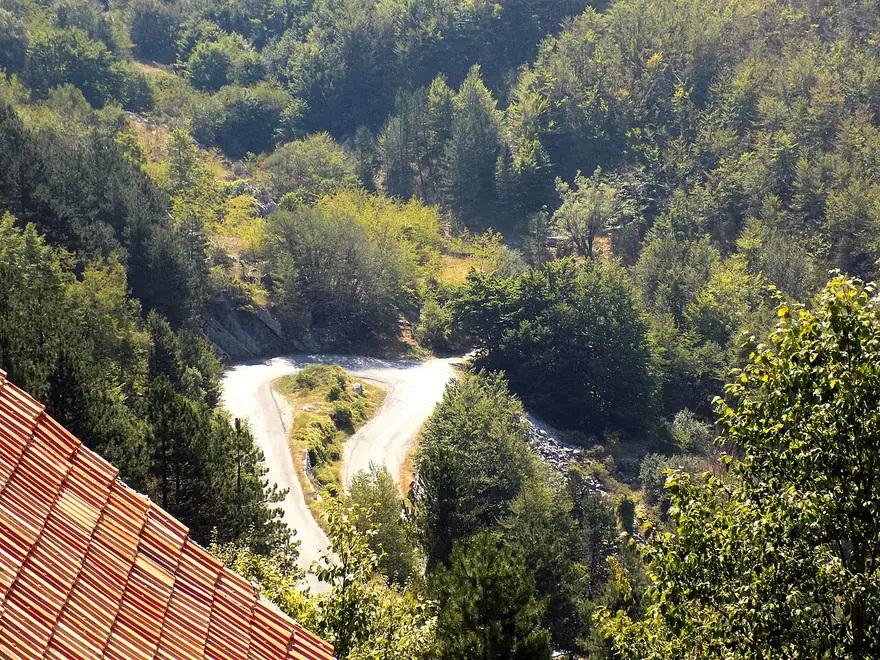
The drive up is part of the experience. The old road from Kotor to Njeguši climbs the mountain wall in a famous series of tight hairpin bends - often counted at around 25 - with the whole bay unfurling beneath you. It’s narrow, steep and slow, with passing places rather than two clear lanes, so take a small car, drive in daylight and don’t rush. An easier alternative is to approach Lovćen from the Cetinje side on the wider road. Njeguši itself, the ancestral village of the Petrović dynasty, is the place to try the local smoked ham (pršut) and cheese on the way.
Day 5 (optional): Cetinje
If you have a fifth day, drop down the far side of the mountain to Cetinje, the old royal capital that Montenegro’s rulers founded in the 15th century. It’s a low, walkable town of former palaces, foreign embassies and museums around the Cetinje Monastery, with the National Museum of Montenegro spread across several historic buildings. It makes an easy, history-heavy contrast to the beaches before you loop back to the coast - or carry on to Podgorica, about 40 minutes further on.
Driving the route: roads, the ferry and the serpentine
This is an easy self-drive, but a few coast-road quirks are worth knowing.
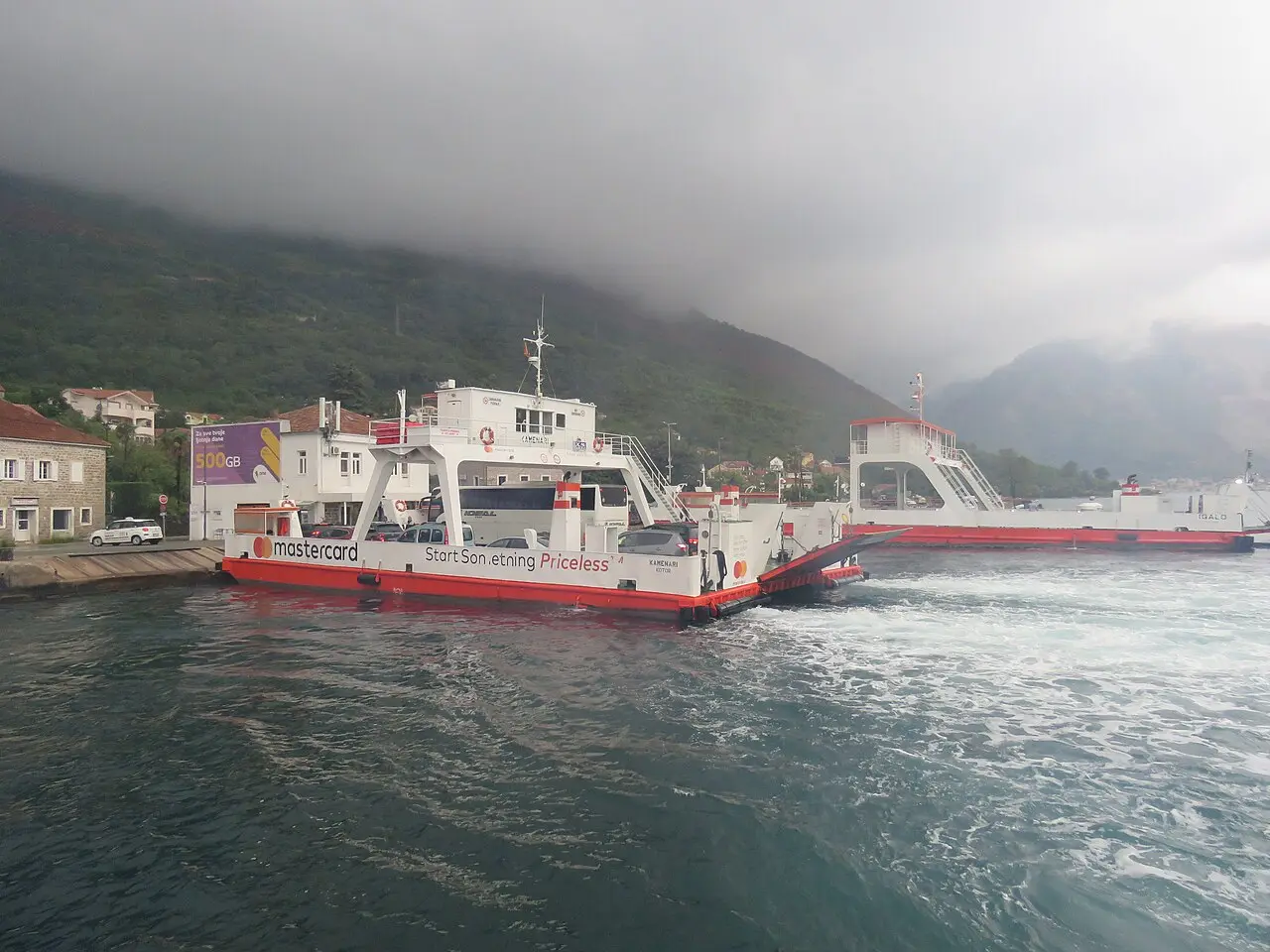
- The shore road and the Verige narrows. The main road loops the whole Bay of Kotor. To cut the long drive around the inner bay, the Kamenari-Lepetane car ferry crosses the Verige strait near the bay’s mouth; it runs very frequently, day and night, and the crossing takes only a few minutes - handy if you arrive from Herceg Novi or the Croatian border. Check the latest fares and timetable locally.
- The Lovćen serpentine. The old Kotor-Njeguši road is spectacular but demanding: tight hairpins, narrow width, steep drops and no barriers in places. Drive it in daylight, in a small or mid-size car, and yield carefully at the passing points. If that sounds stressful, use the longer Cetinje approach instead.
- Parking and the old towns. Kotor, Budva and Perast are pedestrian-only inside the walls; park in the lots just outside, which fill quickly in July and August. A hire car gives you the most freedom for this loop - see our guide to renting a car in Montenegro.
- When to go. Late spring (May-June) and early autumn (September-October) are the sweet spot: warm enough to swim, quiet enough to enjoy the old towns and the walls climb, and the mountain road is clear. Our best time to visit Montenegro guide has the month-by-month picture.
Montenegro uses the euro (€), even though it’s not in the EU; cards are widely accepted, but carry some cash for the boat shuttles, parking and small cafés. For where this loop fits into a longer trip across the country, see our Montenegro travel guide, and browse more ready-made routes for ideas further afield.
Nearby / read also
Route day by day
- Days on the road
- 4
- Distance
- ≈140 km
- Budget from
- 60 EUR
- Best season
- May, June, September, October
The route at a glance
-
Kotor
Route startstop ≈480 min
Walled UNESCO old town at the head of the bay; climb the city walls to the San Giovanni fortress, then base here for the first night.
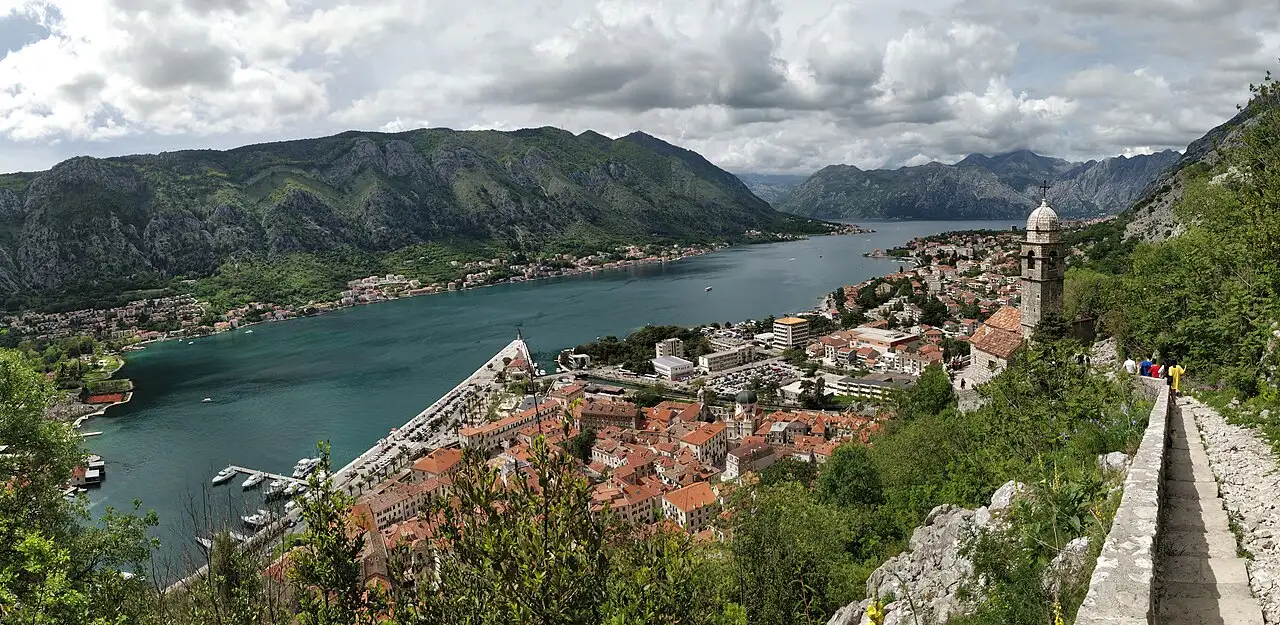
Photo: Jaakko Luttinen / Wikimedia Commons, CC BY-SA 4.0 ( source) -
Perast & Our Lady of the Rocks
12 km from the startstop ≈180 min
Baroque waterfront town 12 km up the bay; a short shuttle boat runs out to the man-made island church of Our Lady of the Rocks.
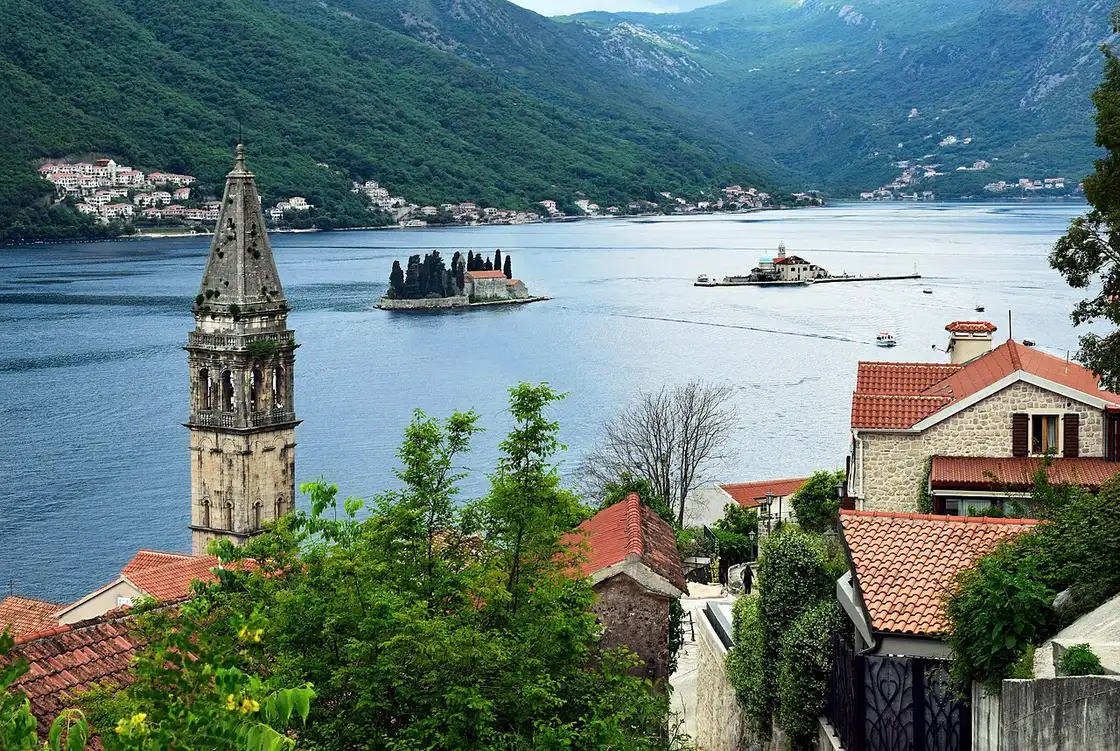
Photo: Jocelyn Erskine-Kellie / Wikimedia Commons, CC BY-SA 2.0 ( source) -
Budva
40 km from the startstop ≈300 min
The coast’s liveliest resort: a small Venetian old town, a string of beaches and the busiest nightlife in Montenegro. Good second base.
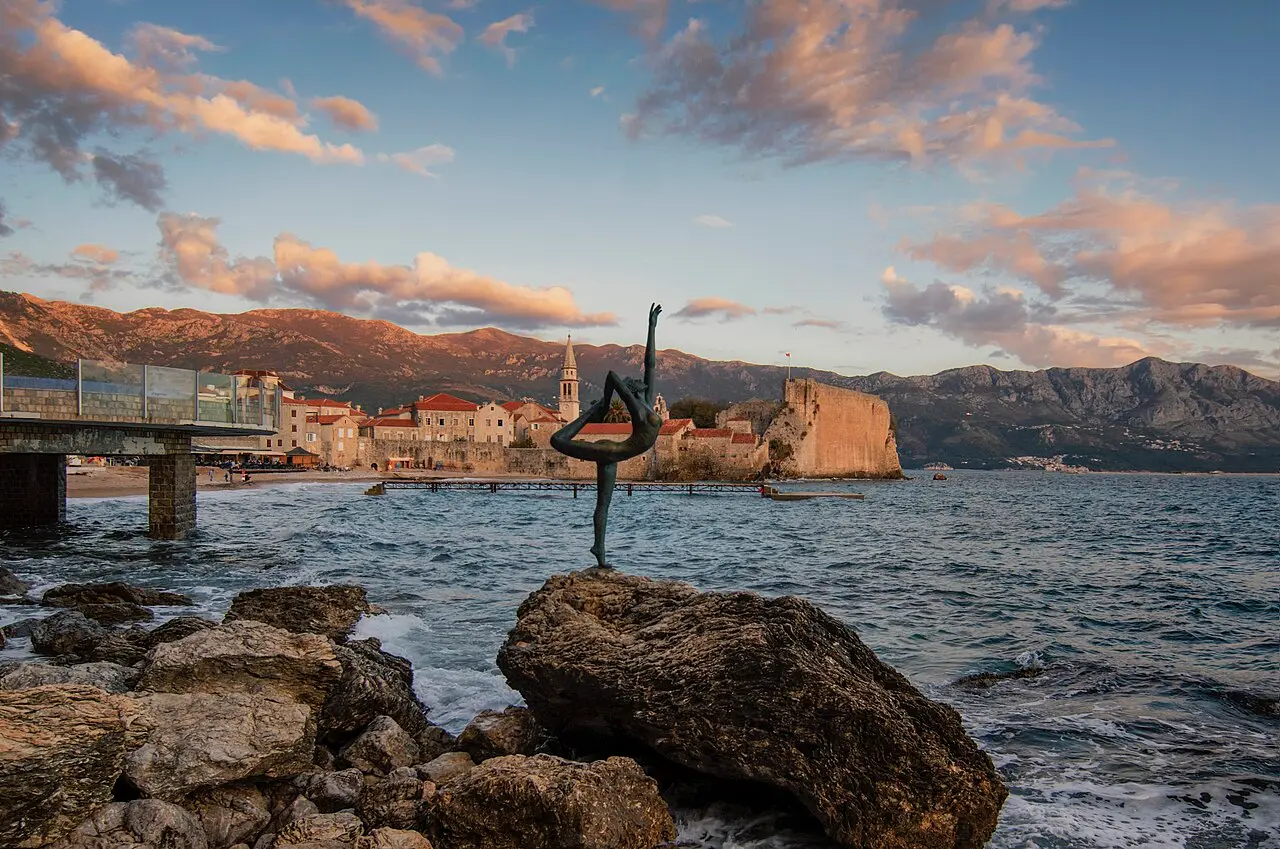
Photo: otrow_photography / Wikimedia Commons, CC0 ( source) -
Sveti Stefan
50 km from the startstop ≈90 min
The iconic islet hotel just south of Budva - a postcard view from the road; the island itself is a private resort.
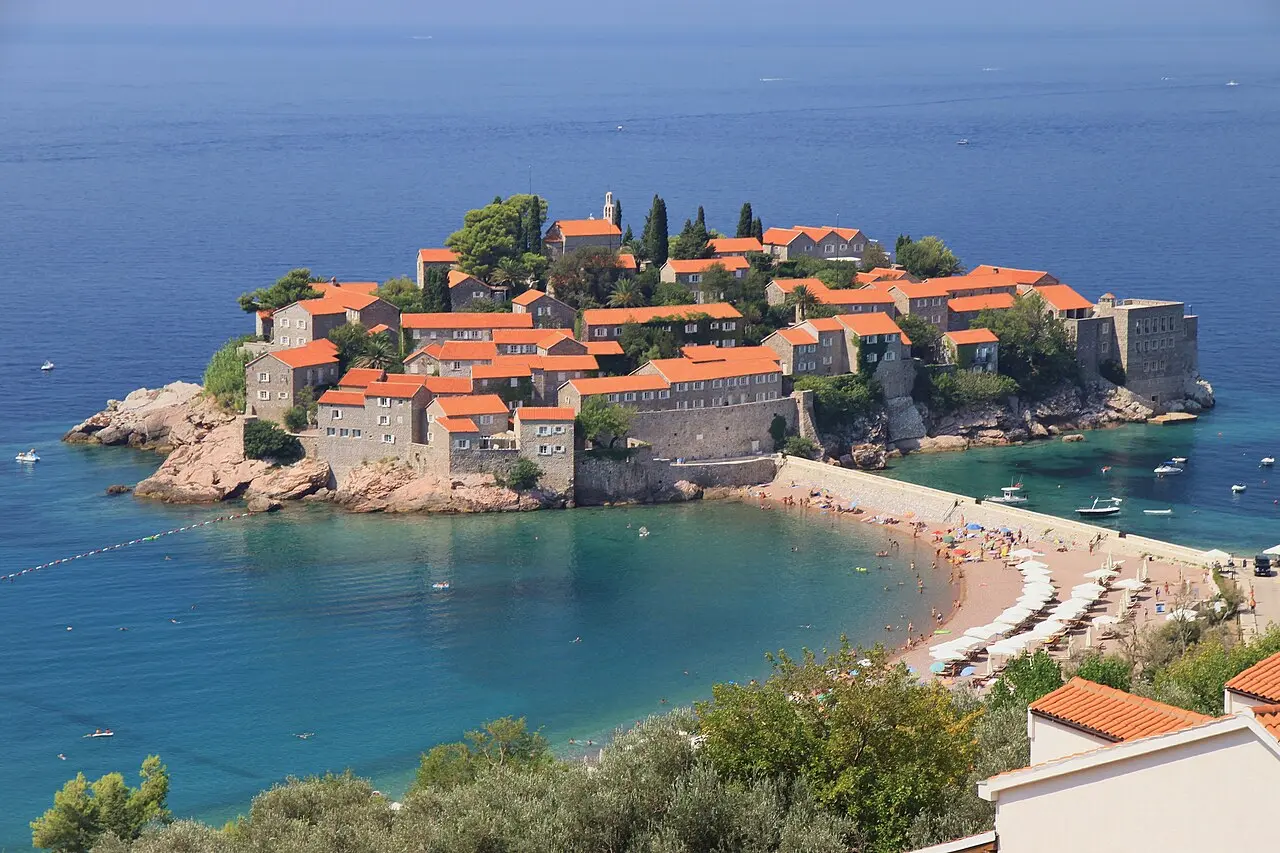
Photo: Oktoober / Wikimedia Commons, CC BY-SA 4.0 ( source) -
Lovćen & Njegoš Mausoleum
120 km from the startstop ≈180 min
Up the serpentine road into Lovćen National Park to the mausoleum of Petar II Petrović-Njegoš on Jezerski vrh (1,657 m) - 461 steps to the top and a view over half the country.
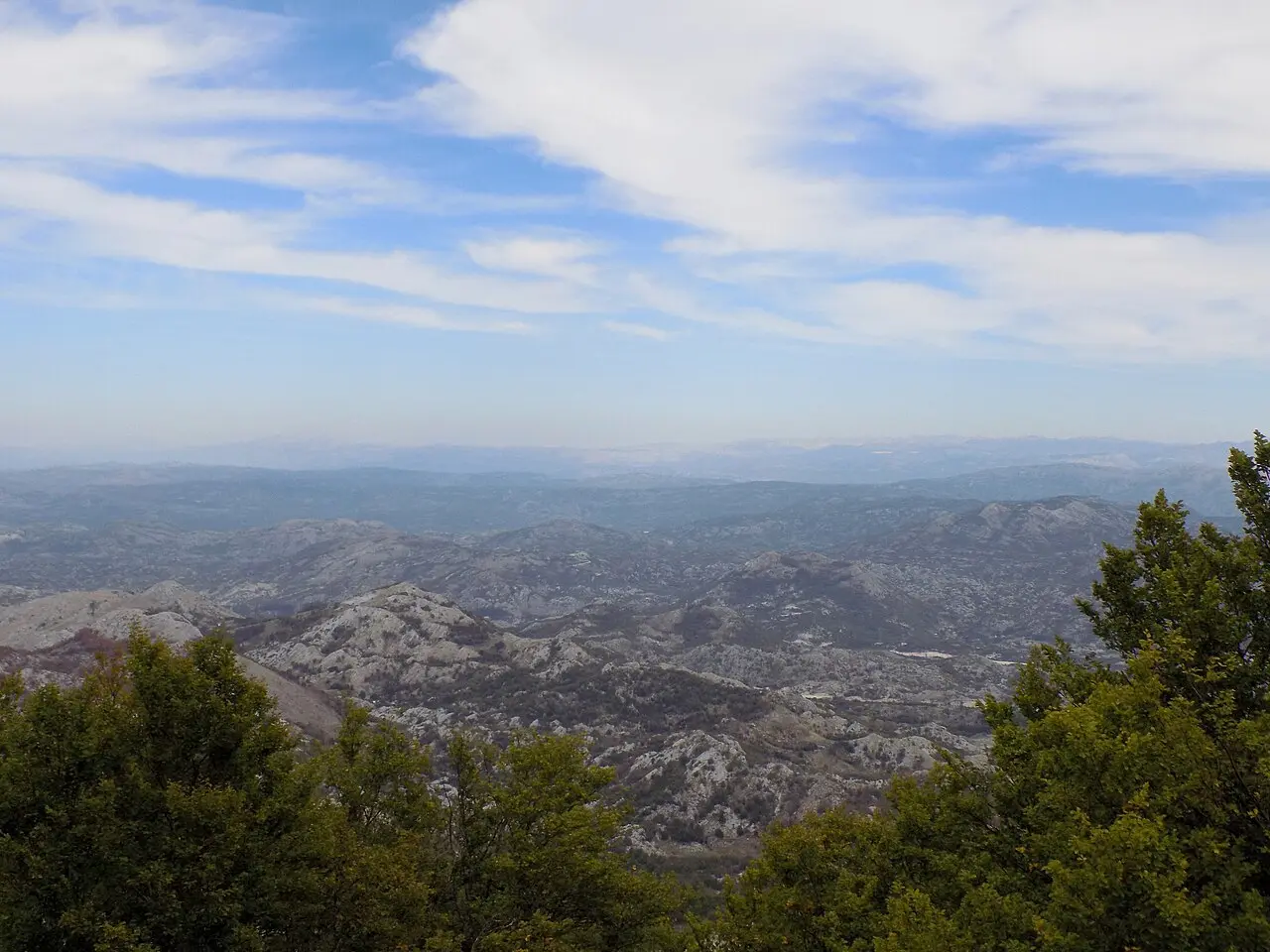
Photo: Milica Buha / Wikimedia Commons, CC BY-SA 4.0 ( source) -
Cetinje (optional)
140 km from the startstop ≈120 min
The old royal capital below Lovćen: museums, the monastery and former embassies. An easy add-on before the drive back to the coast or on to Podgorica.
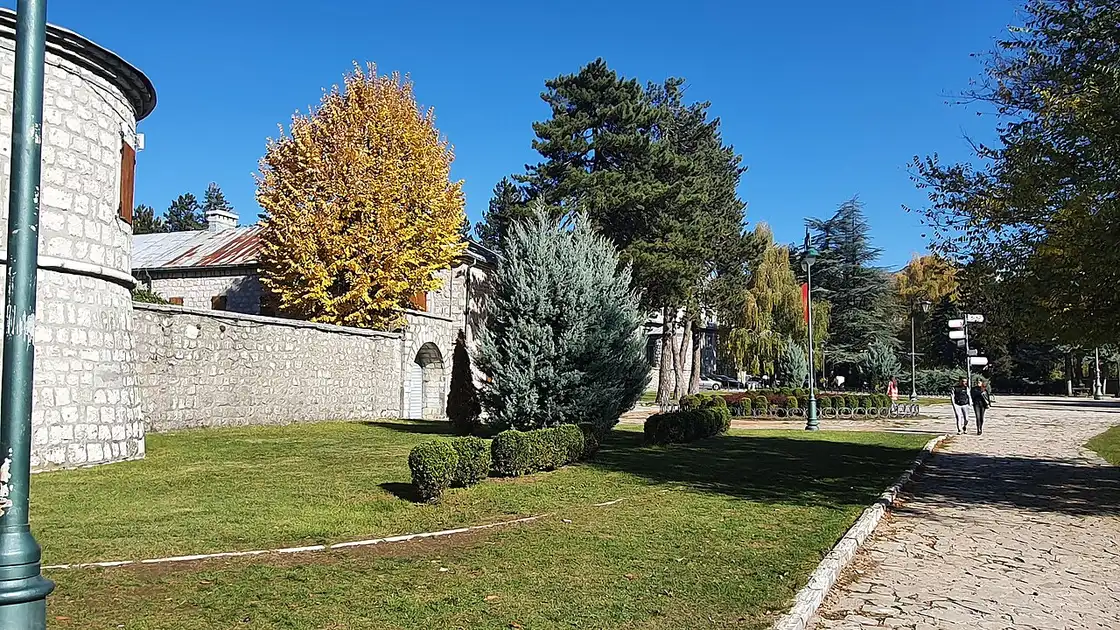
Photo: Юкатан / Wikimedia Commons, CC BY-SA 4.0 ( source)
Route map
The map with stops loads on click - to keep the page lightweight.
The map didn’t load. Check your connection and refresh the page.