
Is Montenegro Safe for Tourists? 2026
Is Montenegro safe to visit in 2026? Yes, broadly - but the real risk is the roads, not crime. Scams, petty theft, hazards and emergency numbers.
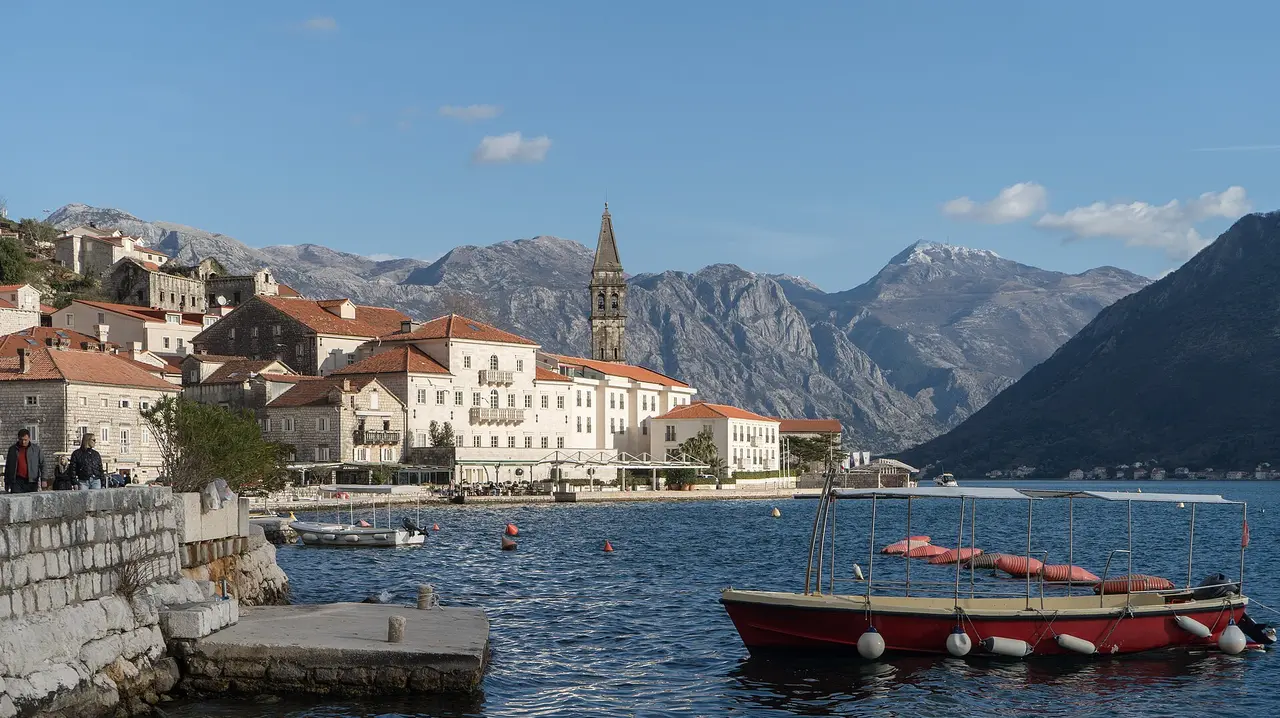
Yes, Montenegro is a safe place to visit, and by most measures a very safe one. Western governments broadly tell their citizens to take the same normal precautions they would at home, the country sits in the top quarter of the Global Peace Index, and serious crime against tourists is rare even in peak season. The honest catch is that the biggest danger here’s not people - it’s the roads. Below is a practical, no-scaremongering read on what to actually watch for, the handful of scams worth knowing, and the emergency numbers to save before you go.
Is Montenegro safe to visit? The honest answer
By the numbers, comfortably yes. The Government of Canada, for example, advises visitors to “take normal security precautions” - the mildest tier it uses, the same one it applies to travel within Canada itself - and other Western governments land in a similar place. Montenegro also ranked 30th of 163 countries in the 2026 Global Peace Index, ahead of several nations most people assume are safer. Despite millions of visitors a year, incidents involving tourists are uncommon.
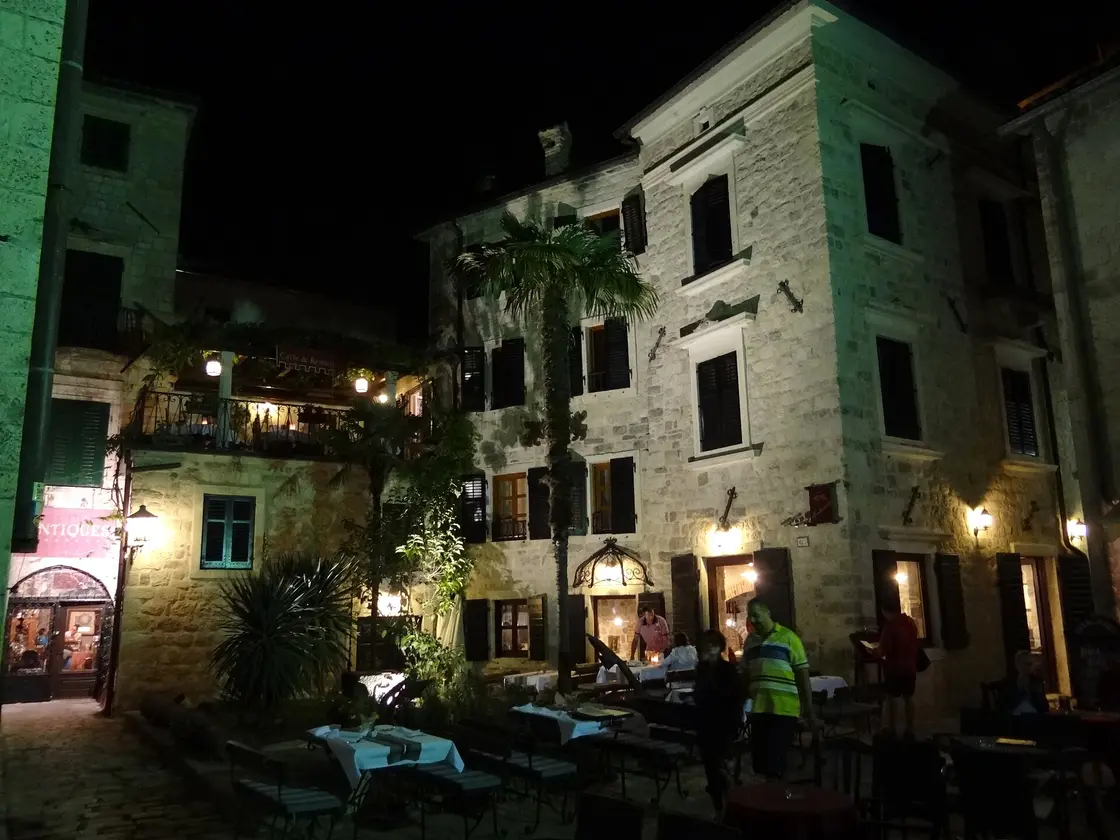
On the ground it feels that way too. The old towns of Kotor, Budva and Herceg Novi are walkable late into the evening, locals are relaxed and helpful, and there’s none of the edge you feel in some bigger European cities. There are no tourist no-go districts to memorise the way you might in a larger capital, and on the coast a little English gets you a long way. If you’ve travelled anywhere else in the Mediterranean, your instincts already transfer: Montenegro asks for the same street sense, no more. The caution below isn’t a warning to stay away - it’s the fine print that keeps a good trip from going wrong.
The real risk is the roads, not crime
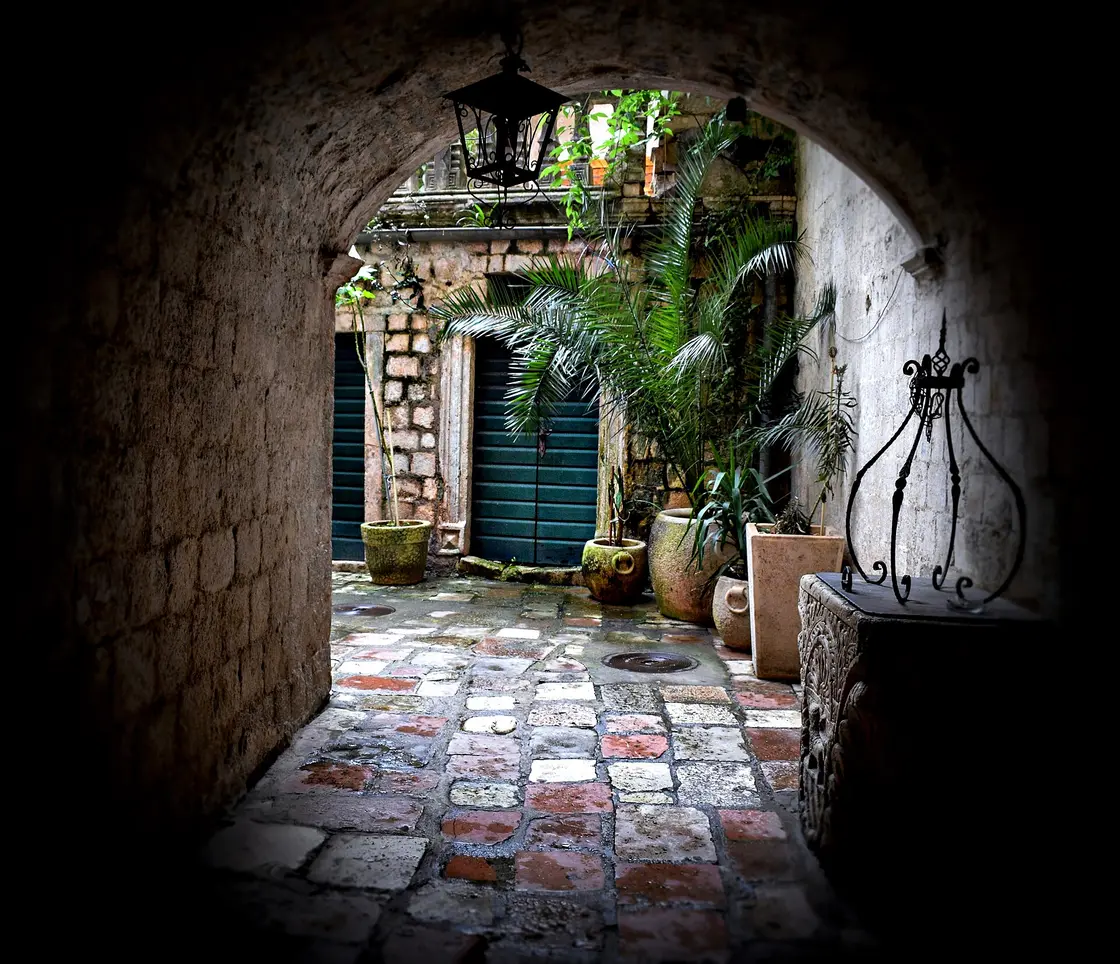
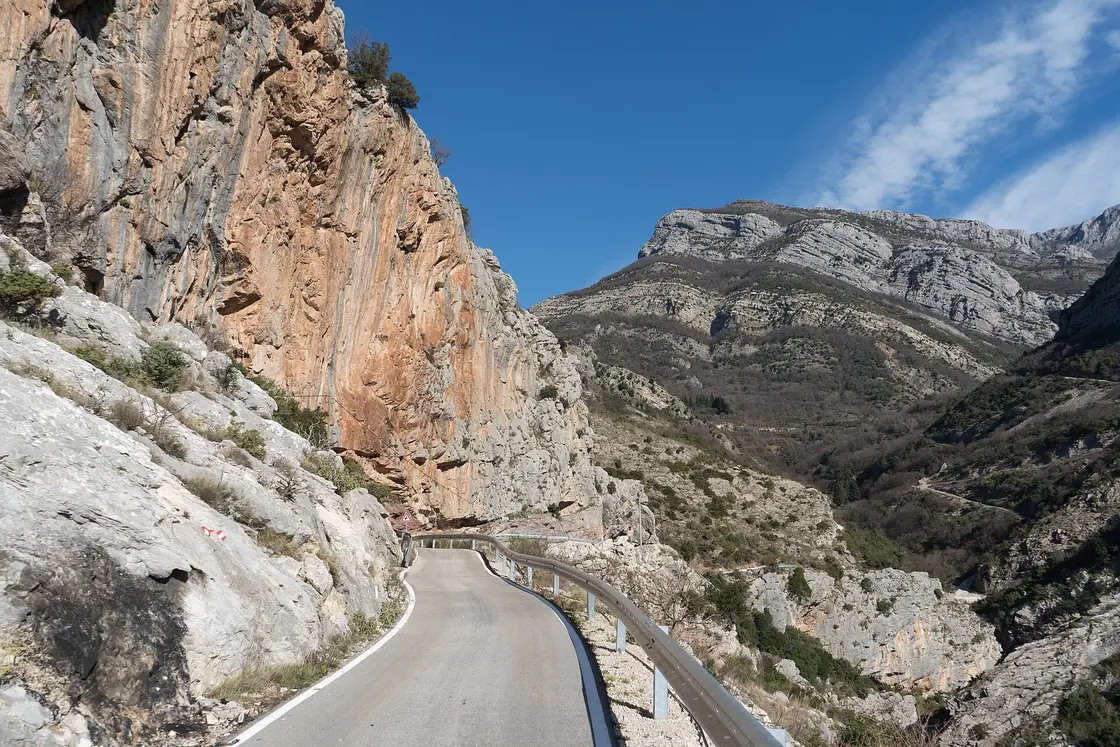
If something spoils a Montenegro trip, it’s far more likely to happen behind the wheel than at the hands of a criminal. Road safety is the genuine hazard: secondary roads are poorly maintained and narrow, some drivers treat the rules as suggestions, and mountain routes are unforgiving. The Government of Canada singles out the Moraca Canyon road as particularly dangerous because of poor conditions and heavy traffic, and winter adds snow and ice to the mix.
Two rules catch foreign drivers out. Montenegro uses priority to the right at unmarked junctions, and the drink-drive limit is a strict 0.03% blood alcohol - effectively don’t drink at all if you’re driving. If you plan to rent a car, read our full guide to driving in Montenegro first; it covers the tunnel toll, parking and what the mountain roads are really like. Drive to the conditions, not the locals, and the country opens up safely.
Petty crime and how to sidestep it
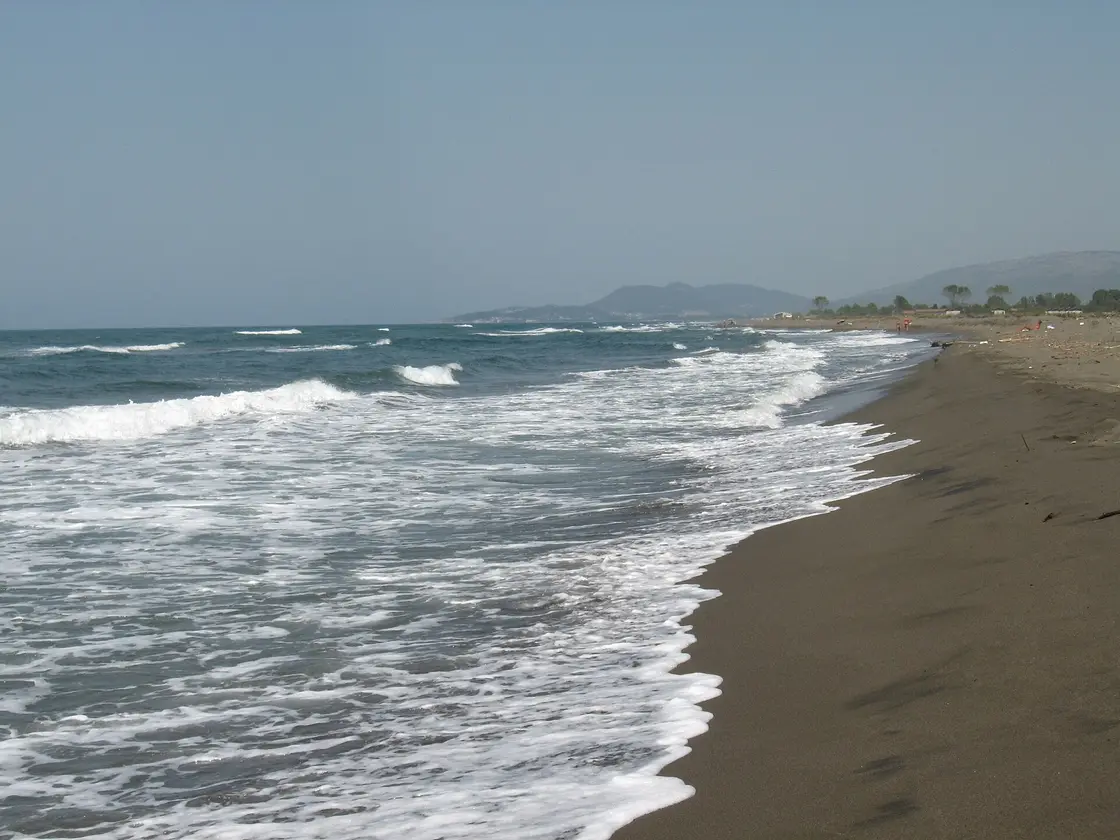
Everyday crime is low, but it’s not zero, and it follows the tourists. Pickpocketing, bag-snatching and the odd theft at ATMs pick up between May and September and concentrate in the busy coastal spots: Budva, Kotor, Tivat and Herceg Novi, plus crowded buses and beaches. This is opportunistic, not aggressive - the same street sense you would use in any Mediterranean resort covers it.
The basics do the job. Keep your phone and wallet in a front pocket or a zipped bag in a crowd, don’t leave valuables unattended on the beach while you swim, and keep your passport in the hotel safe with a photo on your phone as backup. None of this is Montenegro-specific paranoia; it’s simply the price of admission to any popular summer coast.
The scams worth knowing
The scams here are about your wallet, not your safety, and there are only a few:
- Unlicensed taxis. Drivers without a meter or a licence gather at the airports and the cruise terminal and quietly overcharge. Use a taxi with a company name and a working meter, or pre-book a transfer, and agree the fare before you get in.
- The seafood-by-the-kilo bill. A minority of coastal restaurants quote fish by weight and land you with a surprise total. Ask for a printed menu with prices and confirm what the plate will cost before you order.
- ATM “home currency” markup. When a machine offers to charge you in your own currency (dynamic currency conversion), always decline and pay in euros - the “convenience” rate is markedly worse. Our currency and money guide covers this and the fixed ATM fees in full.
- Open wifi in tourist cafes. Don’t enter card details or log into your bank on a random open network; use your mobile data or a VPN instead.
Natural hazards to keep in mind
Montenegro’s landscape carries a few natural risks, none of which should change your plans but all of which are worth knowing. The country sits in an active seismic zone - minor earthquakes happen and can cause damage. Wildfires are common in the summer heat and can foul the air near the coast. Heavy winter and spring rain brings flooding and landslides, particularly near rivers and Lake Skadar. And in the mountains, the weather turns fast even in summer: trails aren’t always marked, so solo hiking is discouraged, and you should carry layers, water and a downloaded offline map. A local data plan helps here - see our guide to the best eSIM for Montenegro for staying connected where the signal allows.
Politically the country is stable, but occasional demonstrations flare up near government buildings, mostly in Podgorica. They rarely spill into tourist areas, yet any protest can turn tense without warning, so give them a wide berth and keep half an eye on local news if one is planned during your stay.
Solo and female travellers
Montenegro is one of the easier European countries for solo travel, and that includes solo women. Reports of catcalling and street harassment are low, and most women say they feel comfortable walking in the coastal towns in the evening. The usual sensible habits apply everywhere: stick to licensed taxis at night, avoid isolated areas after dark, and keep someone posted on your plans if you’re hiking alone.
Tap water, food and health
Tap water in Montenegro’s main towns and cities is generally treated and considered safe to drink, and most visitors have no trouble with it. In remote mountain villages, play it safe with bottled water. Restaurant hygiene on the coast is good, and the local diet of grilled meat, fresh fish, bread and salads is easy on most stomachs; the usual advice about being careful with shellfish in the heat is the extent of it. Pharmacies, marked apoteka, are in every town, well stocked, and staffed by people who can usually advise on minor complaints in some English.
The thing to plan for is cost, not quality. Montenegro is outside the EU, so an EU-issued EHIC isn’t valid here. British visitors are the exception: the UK holds a reciprocal agreement, but free emergency treatment depends on a certificate of entitlement you apply for with your British passport and GHIC, and bills paid without it are not reimbursed (gov.uk, checked 1 August 2026). Everyone else pays up front. A private clinic visit for something small is affordable; a hospital stay or an evacuation is not, which is exactly why cover matters.
Emergency numbers and insurance
Save these before you travel. The general emergency line is 112; for police call 122, fire 123, and an ambulance 124. Roadside assistance is 19807. Operators in tourist areas generally speak some English, and 112 will route you to the right service.
One last practical point: healthcare for foreigners is paid up front, and a serious mountain-road accident or a rafting mishap can mean an expensive evacuation. Travel insurance isn’t a legal entry requirement (visa rules and the 24-hour registration step are covered in Montenegro entry requirements), but it is the sensible backstop for exactly the risks this page describes - our travel insurance for Montenegro guide explains what to look for.
Safety advisories change. This page was checked on 16 July 2026. Conditions and official travel advice can shift, so confirm the current guidance with your own government (for example gc.ca, the UK FCDO or the US State Department) before you travel, especially around demonstrations, weather events or regional developments.
Nearby / read also
- Driving in Montenegro - the roads are the real risk, so read this before you rent.
- Is Montenegro expensive? Trip cost & daily budget - plan the money side of the trip.
- Travel insurance for Montenegro - cover for accidents, evacuation and the unexpected.
- Montenegro entry requirements - visas, the 90-day rule and 24-hour registration.
Read also

What to see · 10 min read
Hiking Bobotov Kuk: Durmitor Highest Peak
Verified · September 4, 2026Bobotov Kuk hike at 2,523 m: Sedlo (~10 km RT) vs Lokvice from Black Lake, €5 park fee, cables, season and early-start tips.

What to see · 10 min read
Swimming in the Bay of Kotor: Beaches & Lidos
Updated · August 31, 2026Can you swim in Kotor? Yes - on Dobrota pontoons, Morinj and small Boka shores. Water quality, season and what to expect.

What to see · 11 min read
Rent a Boat in Kotor Bay: No Licence Needed
Updated · September 5, 2026Private boat rental in Kotor Bay 2026: skippered hire from €90/h, bareboat prices, licence rules, speed limits and where boats leave from.

What to see · 9 min read
Piva Lake & Canyon: Montenegro's Emerald North
Updated · August 27, 2026Piva Lake guide: the 45 km emerald reservoir, Mratinje Dam, boat trips from Plužine, the relocated Piva Monastery and how to pair it with Durmitor.