
Montenegro vs Albania: Which to Visit
Montenegro or Albania for your Balkan trip? Coast, prices, transport and atmosphere compared honestly - and who each country actually suits.
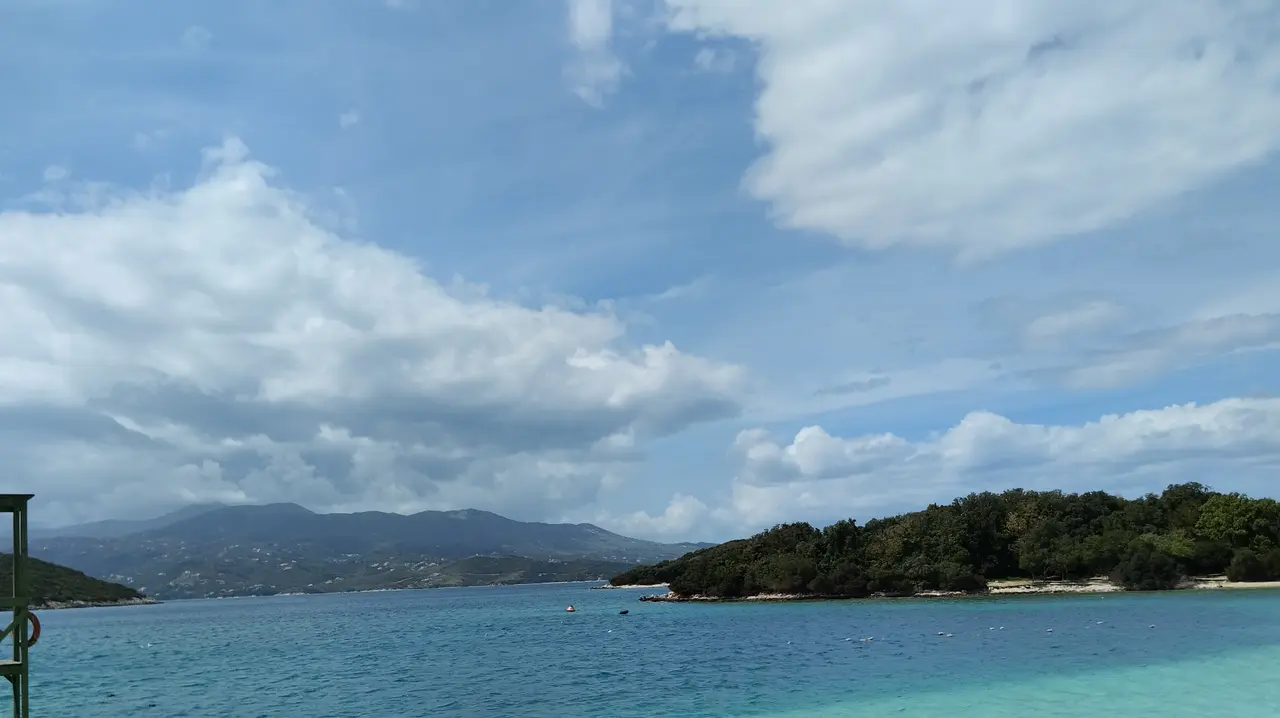
Montenegro and Albania sit side by side on the same coast, and they’re neither the same trip nor a case of one being better than the other. Montenegro gives you the Bay of Kotor - a mountain-ringed fjord with a medieval town on the water - plus a short, easy coast where beaches, old towns and peaks are all within a short drive. Albania gives you a longer, wilder, emptier coastline and prices that run roughly a third to a half lower, at the cost of rougher rural roads and a bit less polish. Go to Montenegro for compact scenery and smooth logistics; go to Albania for empty turquoise beaches and a tighter budget.
They also make a natural pair. The two share a land border near Ulcinj and Shkoder, and plenty of people drive both in one loop. But if you have a week and one country, the choice comes down to what you actually want out of the trip. There’s genuinely no obvious winner here - just two different sets of strengths, and the right call is whichever one fits the trip you’ve in mind.
The quick verdict
If you’re short on time, this is the gist:
- Choose Montenegro if the Bay of Kotor is the thing you came for, you want beaches and mountains close together on a short trip, you value reliable buses and good roads, or you’re pairing it with Croatia and Dubrovnik just to the north.
- Choose Albania if you want the longest, wildest, least-developed beaches with warm Ionian water, you’re on a tighter budget, you would rather road-trip a coastline than tick off a small country, or you like a lower-key, more local feel with strong food.
- Do both if you have around two weeks - the border near Ulcinj is quick, and the two coasts stitch together into one Balkan loop.
Everything below is the detail behind those calls.
Cost: Albania is cheaper, but both coasts have crept up
Albania is the cheaper country by a clear margin. On the Albanian Riviera a mid-range traveller tends to spend roughly 60 to 90 euros a day; on the Montenegrin coast that figure is closer to 110 to 170. The biggest gaps are in the two things you spend most on: a room runs about 50 to 80 euros a night in Albania against 100 to 180 in coastal Montenegro, and a main course is 5 to 12 euros versus 10 to 25. Across a week, a couple can easily come out several hundred euros lighter on the Albanian side. Treat those as ranges from aggregated 2026 trip data, not fixed prices - check current rates for your dates.
The averages hide the same twist you find everywhere on the Adriatic, though: the famous spots break the rule. Ksamil in August and the Bay of Kotor in July are the two priciest pockets on their respective coasts, and in peak week a lounger-and-lunch day in either can feel a long way from “budget”. The real saving in both countries is off the headline beaches - inland, or on the quieter stretches away from the cruise ports and the Instagram lagoons. For where the cheaper bases actually are in Montenegro, the where to stay in Montenegro guide breaks the coast down by area.
Coast and beaches
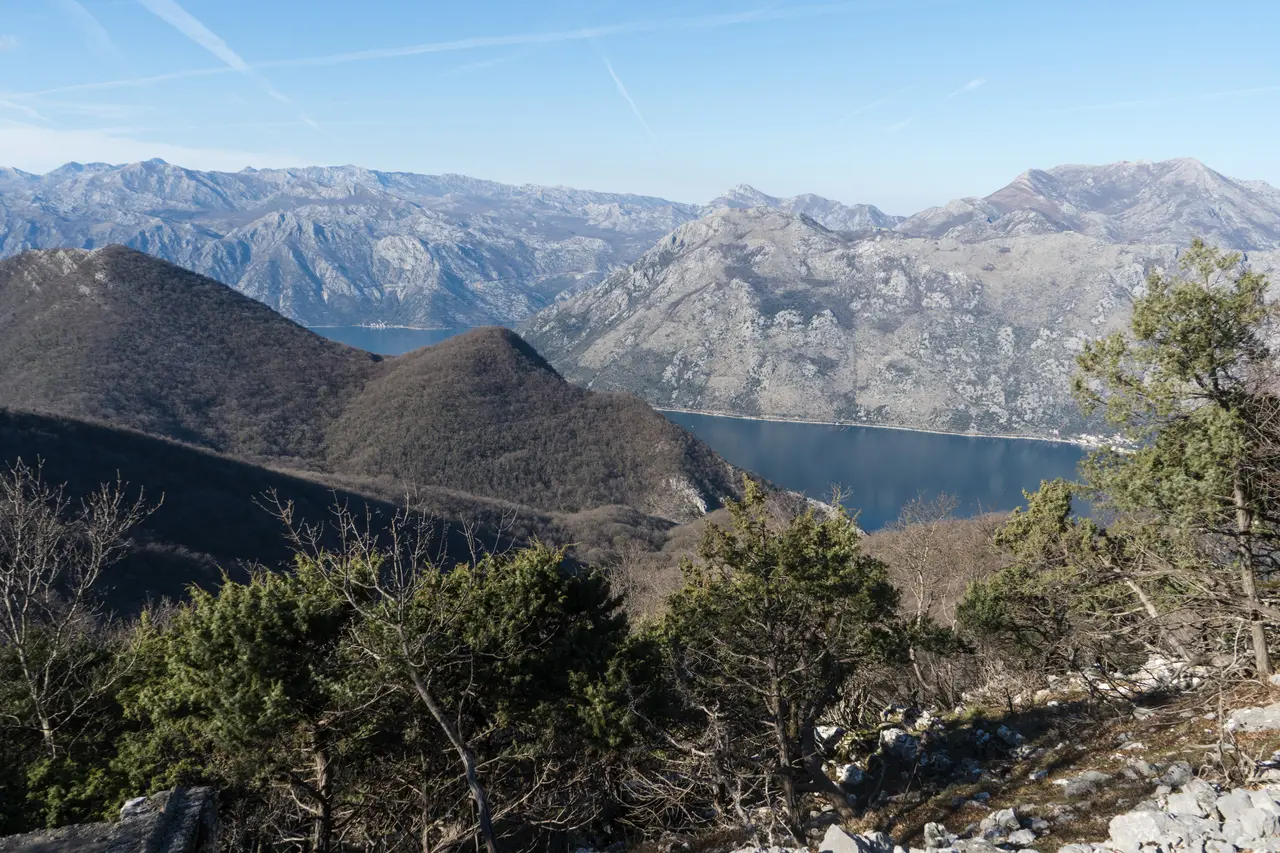
This is where the two really split, and it’s less “better or worse” than “different product”. Montenegro’s coast is short and built up - about 100 km as the crow flies - and its centre of gravity is the Bay of Kotor, where the water pushes deep inland between mountains and medieval Venetian towns sit right at the edge of it. The beaches themselves, clustered around Budva and south towards Ulcinj, are mostly pebble with a few sandy runs (Velika Plaza near Ulcinj is a genuine long sweep of sand). The appeal isn’t empty wilderness; it is scenery and convenience, with a swim, an old town and a mountain viewpoint all reachable in an afternoon. For the full rundown, see our guide to the best beaches in Montenegro.
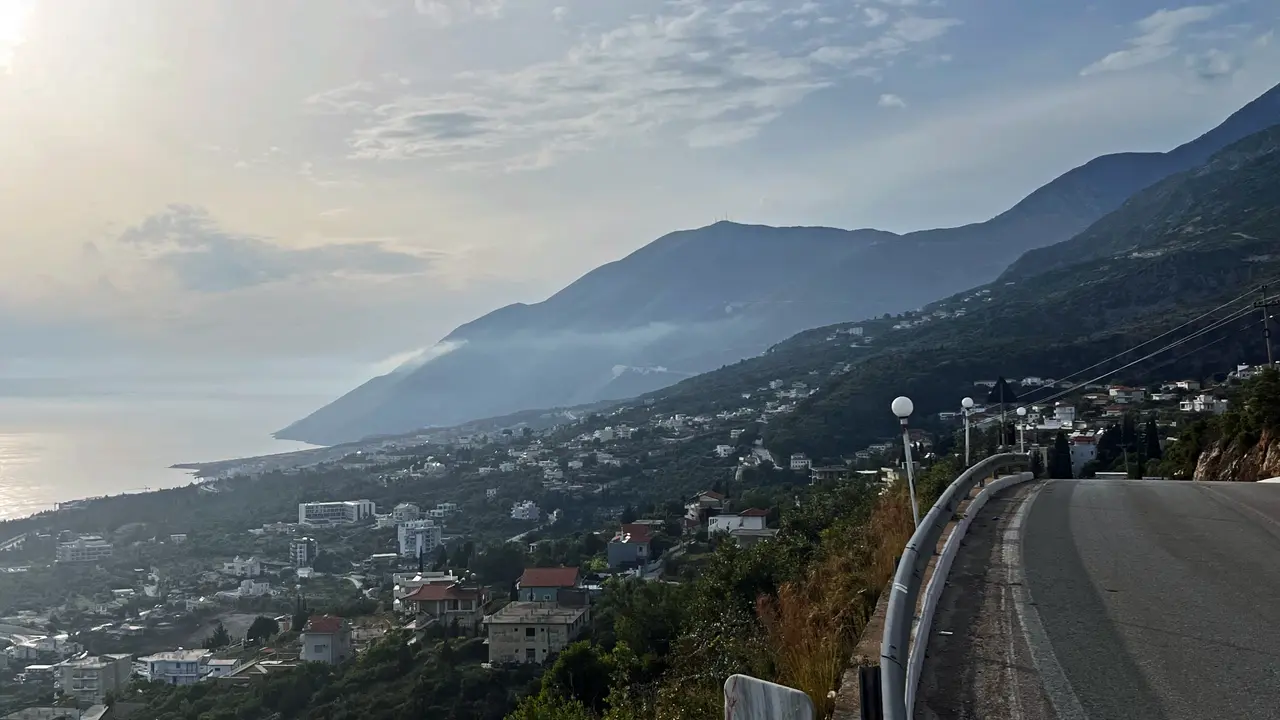
Albania’s coast is longer and far less developed, and it has two characters. The northern Adriatic stretch is flat and sandy; the star is the southern Ionian run known as the Albanian Riviera, roughly 110 km from Vlora down to Saranda, where the Ceraunian mountains drop almost straight into clear water. This is where you find Dhermi’s white pebbles, the turquoise lagoon at Ksamil that gets called the “Maldives of Europe”, and small wild coves like Gjipe that need a short hike to reach. The trade-off is real: some of the best beaches sit at the end of steep, narrow roads, and infrastructure is patchier. But for sheer emptiness and colour, Albania has more coast to give.
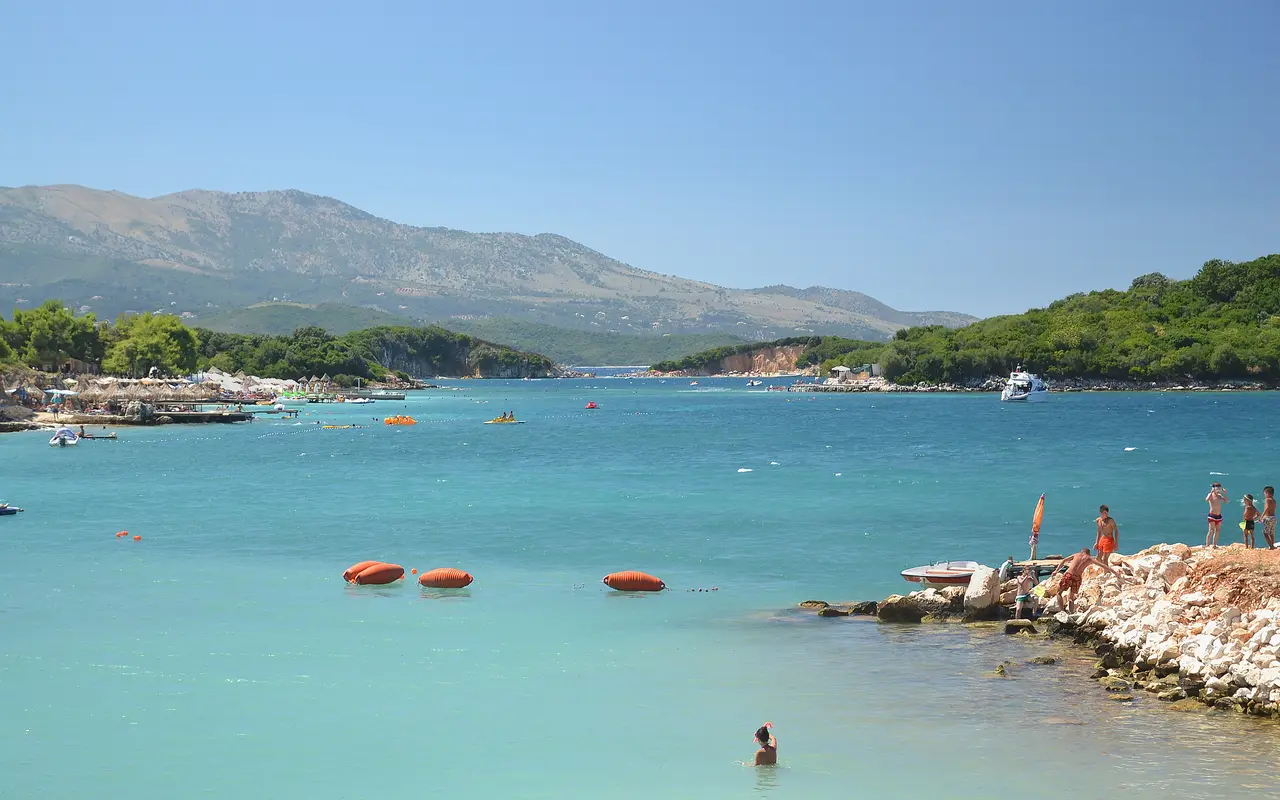
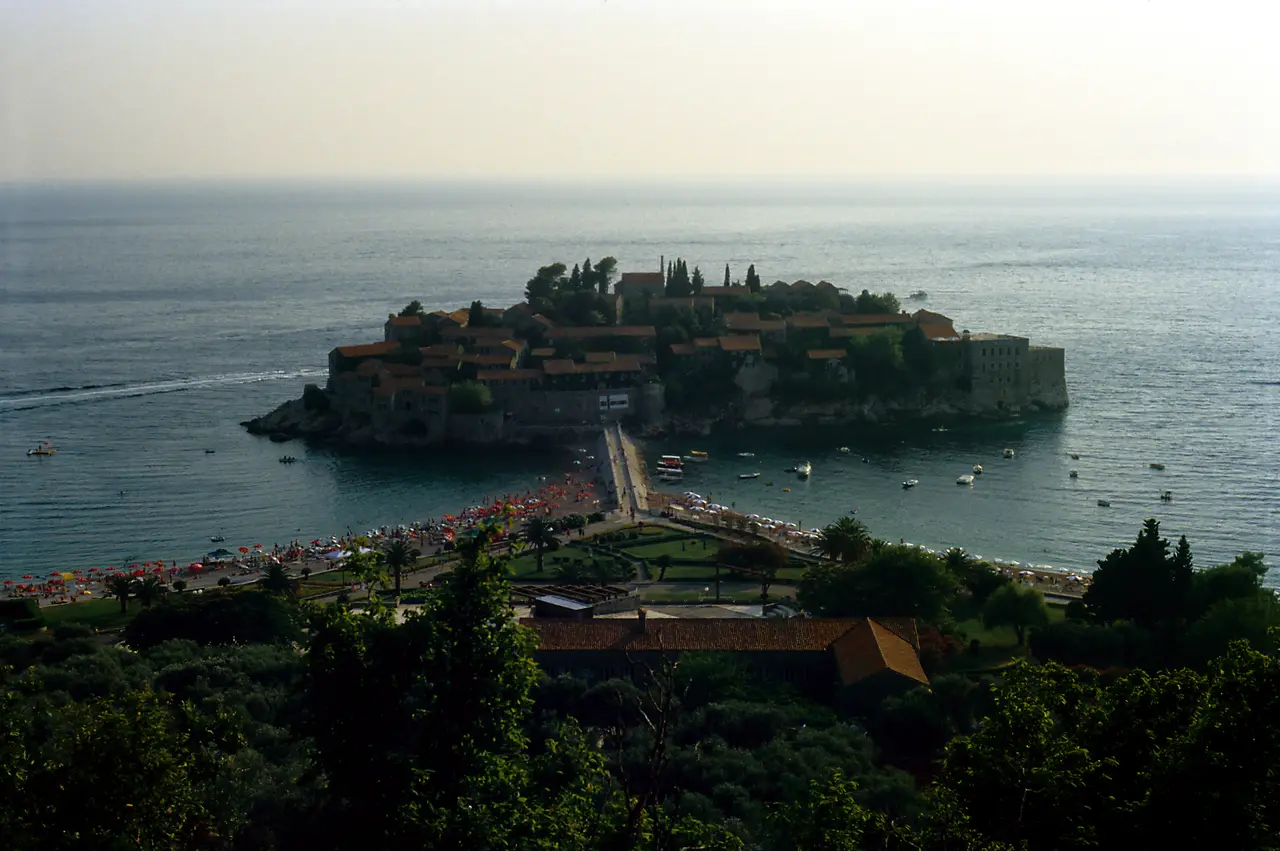
If your dream is one iconic view with a swim underneath it, Montenegro’s Sveti Stefan or the Bay of Kotor deliver that in a way Albania doesn’t. If your dream is finding a near-empty cove with water the colour of a swimming pool, Albania does that better, more often, and for less money. Montenegro stopped being the “undiscovered” one about fifteen years ago; on the wild-and-cheap axis, Albania is roughly where the Montenegrin coast was then.
Getting around: roads, buses and the border between them
Practicalities tilt towards Montenegro. Its intercity buses are cheap and reliable - a coastal hop like Kotor to Budva is about 2.50 euros, and even a long run inland to Zabljak is only 7 to 9 euros - and the roads, while narrow and traffic-choked around the Bay of Kotor in summer, are generally in good shape. English is widely spoken, cards work almost everywhere, and EU visitors keep their roaming. Our getting around Montenegro guide covers the bus network in detail.
Albania is cheaper to travel but rougher around the edges. Buses and shared minibuses (furgons) link Tirana, Shkoder, Berat, Vlore, Gjirokaster and Saranda frequently and for a few euros, and the main motorways near Tirana are excellent. But the older Riviera road over the Llogara pass and many rural routes are narrow, winding and occasionally rough, and you’ll want more cash in hand once you leave the tourist towns. If you’re driving, a rental in Albania is often the cheapest way to reach the wild beaches - just budget for the slow going.
On flights, Albania has a quiet ace: Tirana has become a major low-cost Balkan hub, and it’s common to find fares into Tirana far below what the same route costs into Podgorica or Tivat. Montenegro’s two airports - Tivat, a 15-minute transfer from Kotor, and year-round Podgorica - are convenient for the coast but usually pricier and more seasonal. Tirana sits only about 1.5 to 2 hours from the Montenegrin border, so it can even be the smart entry point for a trip that takes in both.
The border itself is easy, and there’s more of it than most guides let on. Four road crossings are open, and both governments list the same four: Bozaj/Hani i Hotit on the Podgorica-Shkoder highway, coastal Sukobin/Muriqan between Ulcinj and Shkoder, Zatrijebacka Cijevna/Grabom on the back road northeast of Podgorica, and small Grncar/Bashkim in the mountains above Plav. Two of them are joint posts, where officers of both countries work in one compound and clear you in a single stop: Sukobin/Muriqan since 2009 and Cijevna/Grabom since August 2021, so the coastal one is not the only one of its kind. Neither border service publishes opening hours for any of them, so treat a middle-of-the-night crossing as something to confirm locally rather than assume - Albanian law only requires a crossing that isn’t open around the clock to display its schedule at the barrier itself. Montenegro’s interior ministry streams live cameras from two of the four, Bozaj and Sukobin, which tells you where the traffic goes: expect a passport check on each side and a queue at those two on a July or August weekend. One money note that catches people out: Montenegro uses the euro, Albania uses the lek, so don’t change large sums at the border booths - pull lek from an ATM in Shkoder just after you cross. For coaches, day trips and which post to pick from Budva or Ulcinj, see Montenegro to Albania.
Cities, culture and atmosphere
Both countries have walled old towns and UNESCO sites, but they feel different. Montenegro’s cultural weight sits around the bay and just inland: Kotor’s Venetian old town and the sweaty climb up its fortress walls, the old royal capital of Cetinje with its palaces and museums, and the cliff-clinging Ostrog Monastery. It’s compact, well-signposted and firmly on the tourist trail, with a strong dose of cruise, casino and luxury polish, especially around Kotor, Budva and the Aman resort on Sveti Stefan.
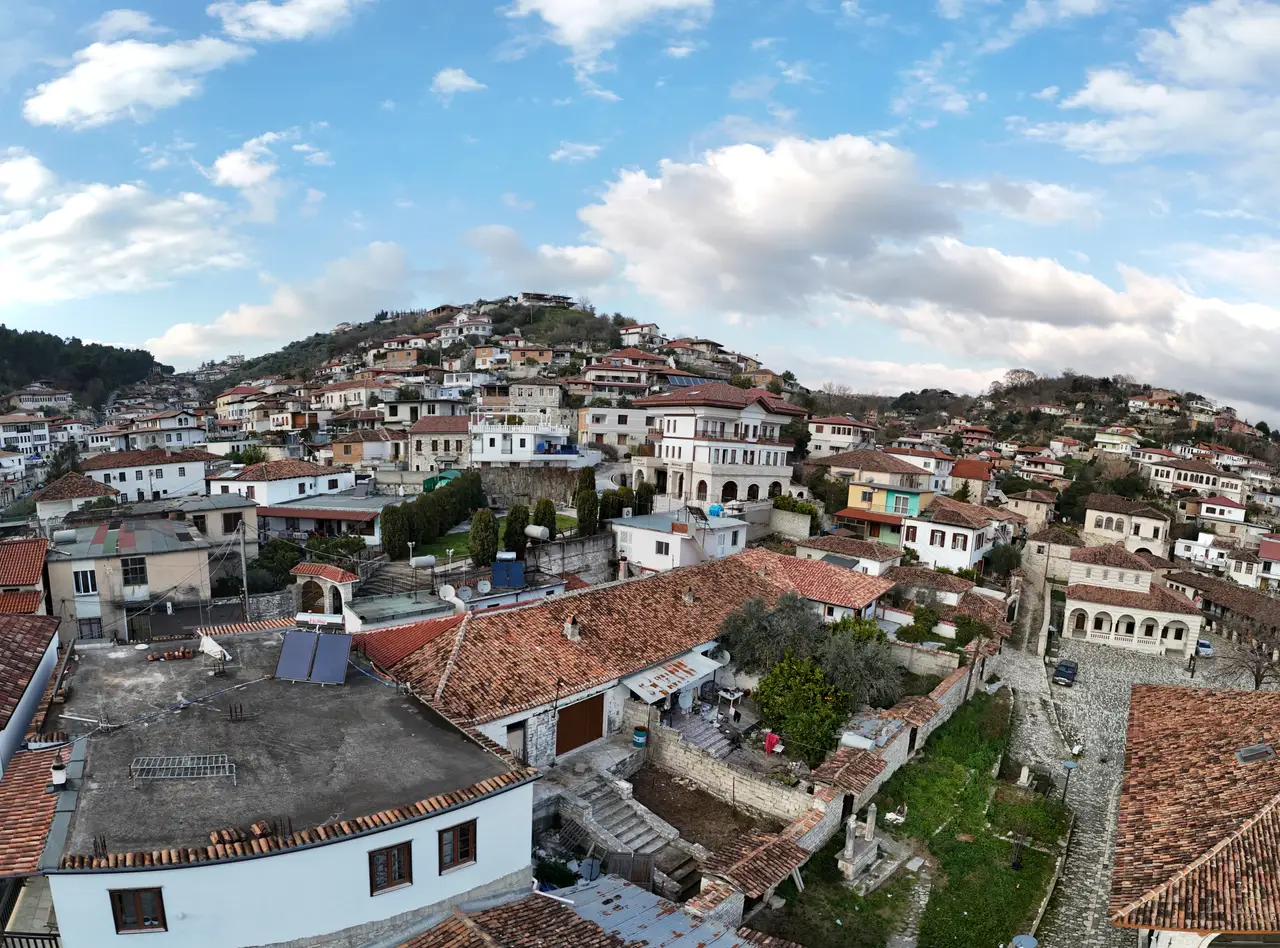
Albania’s headline heritage is inland and older-feeling. Berat, the “city of a thousand windows”, stacks Ottoman houses up a hillside above the Osum river; Gjirokaster, the “stone city”, spreads under a great castle; and near Ksamil the ancient ruins of Butrint sit in a quiet national park. Add in a genuinely strong food culture and a reputation for warm hospitality, and Albania feels less packaged - more like a place still figuring out its tourism than one that has perfected it. Which of those you prefer is really a question of temperament: curated and convenient, or raw and a little unpredictable.
Entry, money and the practical stuff
Both countries are straightforward to visit for most Western travellers, who typically get around 90 days visa-free - but rules depend on your nationality, so check your own before you book. Montenegro uses the euro (unofficially but universally) and leans cash-light: cards are accepted almost everywhere. Albania uses the lek and is more cash-reliant once you leave the resort towns, so carry more of it in the villages. For the Montenegro side of the paperwork, see our Montenegro entry requirements guide.
Beyond that, the calculus is simple. Montenegro is the smoother, more predictable country - better roads, more reliable transport, wider English, easier payments. Albania is the cheaper, wilder, more adventurous one, improving fast but still asking a little more patience of you. Neither is a downgrade; they are aimed at slightly different travellers.
So, which should you visit?
There’s no single winner - it comes down to the trip you want:
- Want the Bay of Kotor and a compact coast-and-mountains week - Montenegro.
- Want the longest, wildest, cheapest beaches with turquoise water - Albania.
- Value smooth logistics, buses and good roads on a short trip - Montenegro.
- Happy to road-trip rougher roads for empty coves and lower prices - Albania.
- Pairing the trip with Croatia and Dubrovnik - Montenegro, which sits right on that corridor.
- Two weeks and can’t decide - do both, and let the Ulcinj-Shkoder border tie the loop together.
If Montenegro is edging ahead, the next step is shaping the time you’ve - our notes on how many days in Montenegro and the things to do in Montenegro guide will help you build the trip around the coast, the bay and the mountains behind them.
Read also

What to see · 10 min read
Hiking Bobotov Kuk: Durmitor Highest Peak
Verified · September 4, 2026Bobotov Kuk hike at 2,523 m: Sedlo (~10 km RT) vs Lokvice from Black Lake, €5 park fee, cables, season and early-start tips.

What to see · 10 min read
Swimming in the Bay of Kotor: Beaches & Lidos
Updated · August 31, 2026Can you swim in Kotor? Yes - on Dobrota pontoons, Morinj and small Boka shores. Water quality, season and what to expect.

What to see · 11 min read
Rent a Boat in Kotor Bay: No Licence Needed
Updated · September 5, 2026Private boat rental in Kotor Bay 2026: skippered hire from €90/h, bareboat prices, licence rules, speed limits and where boats leave from.

What to see · 9 min read
Piva Lake & Canyon: Montenegro's Emerald North
Updated · August 27, 2026Piva Lake guide: the 45 km emerald reservoir, Mratinje Dam, boat trips from Plužine, the relocated Piva Monastery and how to pair it with Durmitor.