
Montenegrin Food: 15 Traditional Dishes to Try
Montenegrin food decoded: 15 traditional dishes with their local names, what actually arrives on the plate, where each one is worth ordering.
Montenegrin menus are short, cheap by western European standards and written in a language most visitors don’t read - so people default to grilled fish and pizza and go home having missed the country’s real cooking. Here are 15 dishes worth ordering, what each one really is, and where it belongs: the coast eats Venetian-influenced seafood, the mountains eat smoked meat, cornmeal and cream, and the two halves of the menu barely overlap.
The short version: order the way locals do and two of you can eat well for the price of one tourist main, because the best of this food is cheap, filling and hidden a few streets back from the seafront. For the two cuisines, the wines and how to read a konoba, our what to eat in Montenegro guide sets the scene; this page is the list you order from.
The mountain table
Everything on this half of the menu starts with preservation - smoking, salting, drying - because that’s how a mountain village ate through winter before refrigeration. The result is heavy, cheap and very good, and it tastes almost nothing like the food two hours away on the coast.
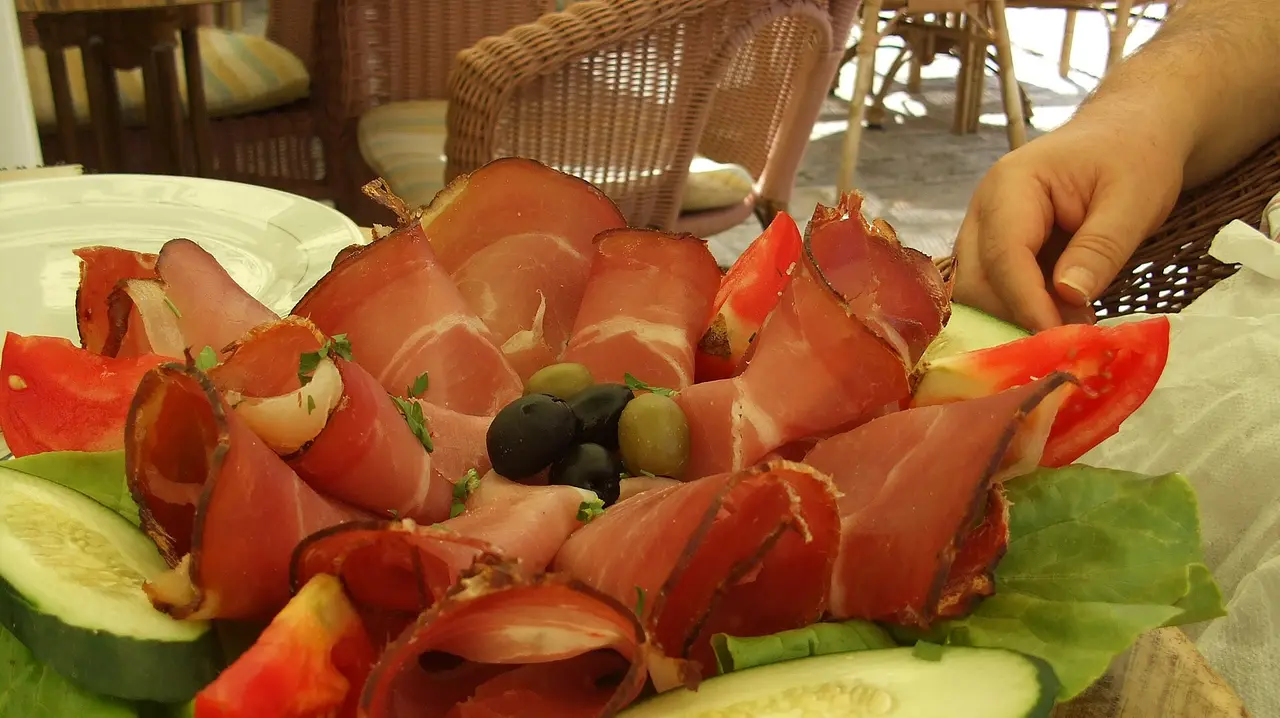
1. Njeguški pršut. Dry-cured ham from the village of Njeguši on the slopes of Lovćen, sliced paper-thin and served raw. It’s salted for about three weeks, pressed for another three, lightly smoked over beech and then dried and matured for months in air that’s half cold mountain, half salt Adriatic. Order it as a starter, ideally with cheese and olives. If you drive over Lovćen, buy it straight from the village smokehouses.
2. Njeguški sir. Made in the same village as the ham, this firm cheese is often stored in oil, which is exactly why it tastes saltier and richer than its looks suggest. Order pršut and sir together with bread and you’ve got the classic Montenegrin welcome plate - and enough food for two.
3. Pljevaljski sir. From Pljevlja in the far north, a salted, aged white cheese with a sharper, crumblier character. It turns up in pies and salads inland. Worth asking for by name if you have already had the Njeguši version and want the contrast.
4. Kajmak. Take fresh cream, salt it, press it, and you get something between clotted cream and a soft young cheese. Locals spread it on bread, melt it over grilled meat, or stir it into cornmeal - and a spoonful dissolving on a hot ćevapi is Balkan cooking summed up in one bite.
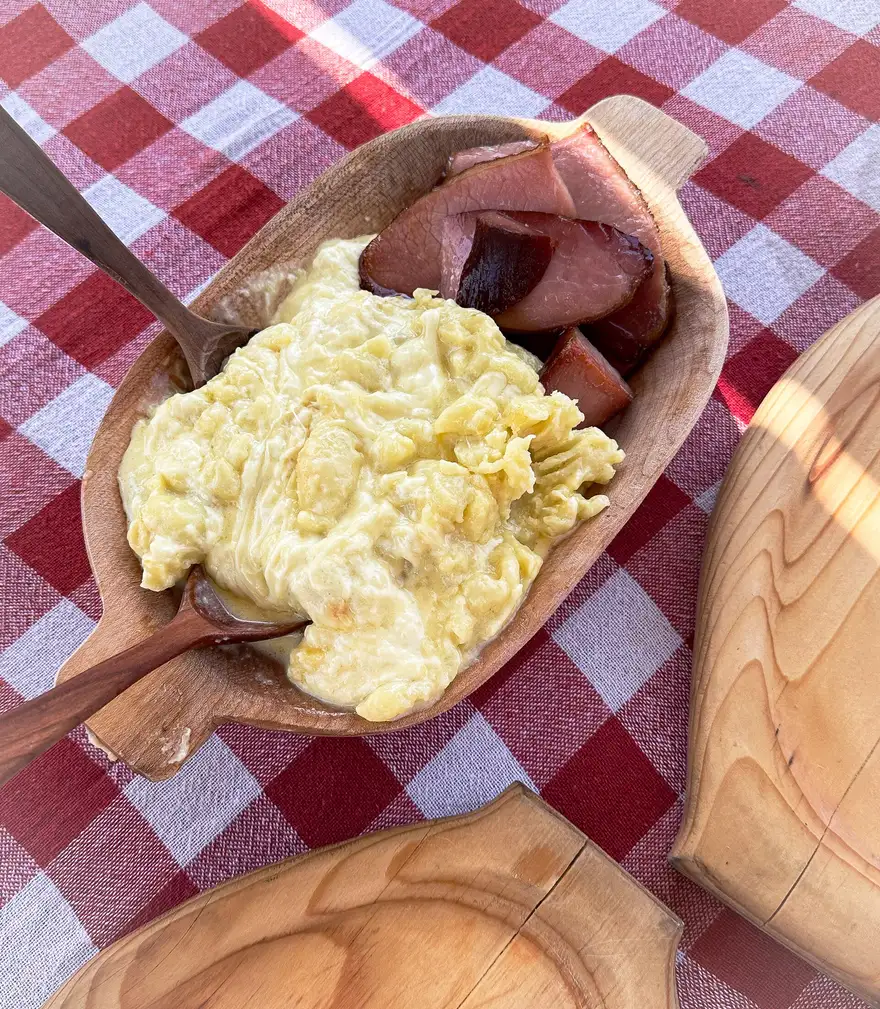
5. Kačamak. The dish people call the national one: cornmeal cooked with potato and beaten with butter and kajmak until it’s glossy and heavy, served with cold milk, buttermilk or yoghurt on the side to cut it. Treat a bowl as a meal, not a side. Its close cousin cicvara is the smoother, creamier version of the same idea.
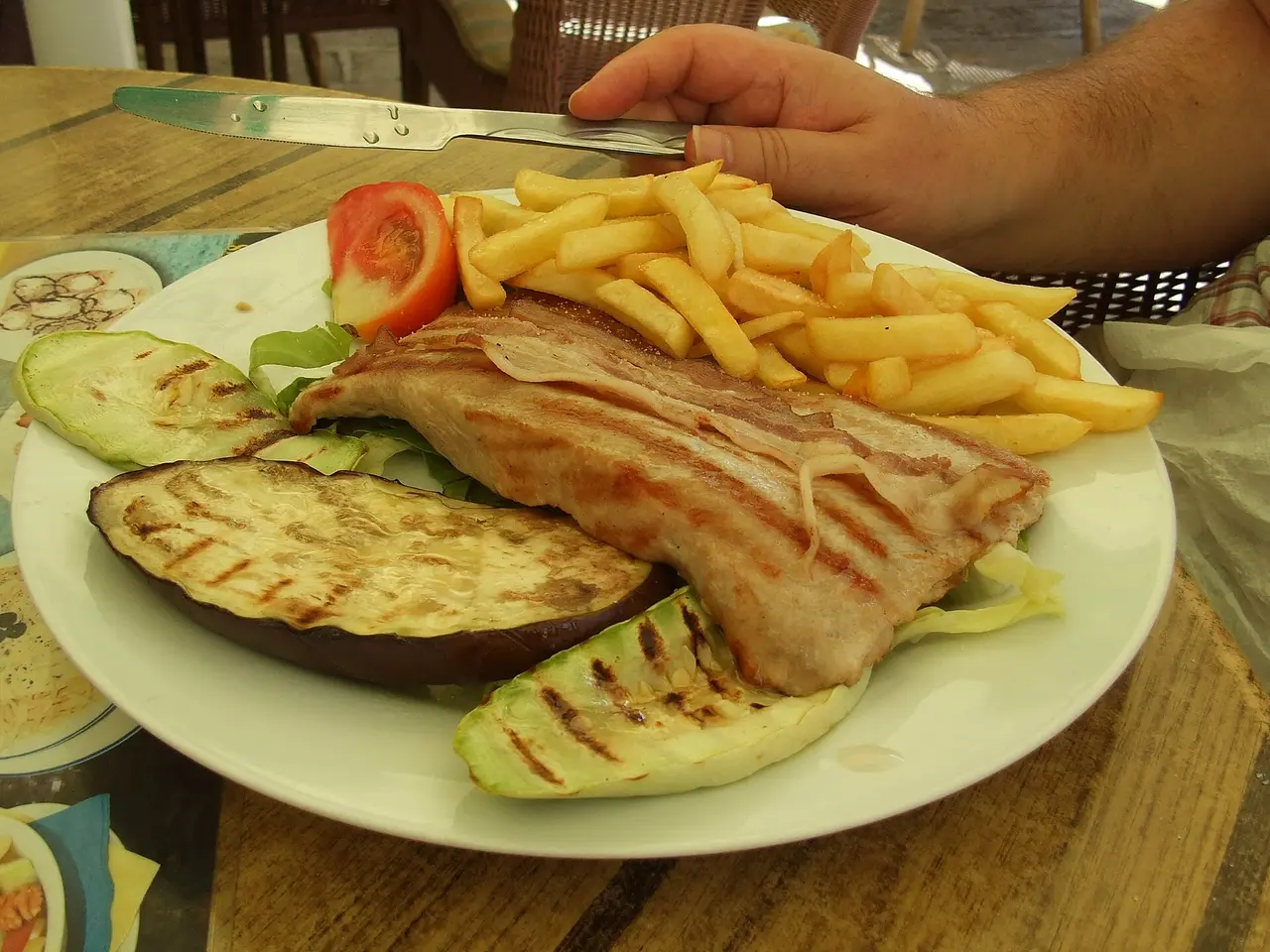
6. Popeci. Also called Njeguški steak or Podgorički popeci: a thin escalope, usually veal, beaten out and rolled around Njeguški pršut and cheese, then breaded and fried. It’s the Montenegrin answer to cordon bleu, and it’s enormous - a single one is a full dinner. Menus in the mountains and in Podgorica list it as a house speciality.
7. Jagnjetina ispod sača. Lamb (or veal, teletina) baked with potatoes and vegetables under a sač - a heavy metal bell buried in embers and ash. The slow, sealed cooking is the point: the meat falls apart and the potatoes taste of the lamb. It’s a celebration dish, usually cooked outdoors and often ordered ahead, so ask in the afternoon for dinner rather than expecting it on demand.
8. Japraci. Stuffed leaves, Montenegrin style: minced meat and rice rolled up and simmered slowly. Vine leaves are the common version; up in the highlands the leaf is raštan, the local collard, which gives a deeper, more cabbage-like flavour. If you like dolma, order these and see which leaf your konoba uses.
9. Raštan. The same collard, this time stewed on its own with smoked pork ribs or a ham hock until both go soft. Winter food, cheap, and one of those dishes that never appears on a tourist menu because nobody thinks visitors will order it. Do.
10. Čorbast pasulj. Bean stew with smoked ribs, sausage and salami, soupier than a cassoulet and thicker than a soup. The everyday lunch of inland Montenegro and the best-value hot meal in the country. Sarma - sauerkraut leaves rolled around pork and rice - belongs to the same cold-weather family.
The grill, which is everywhere
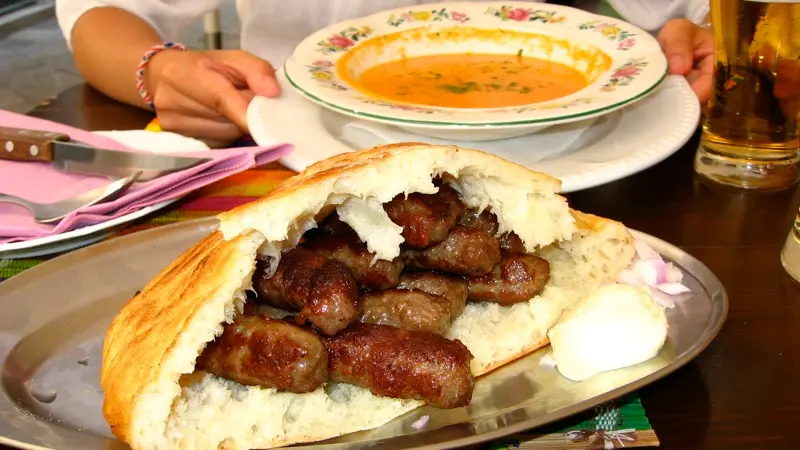
11. Ćevapi and pljeskavica. Not uniquely Montenegrin - the whole Balkans claims the roštilj - but this is what people actually eat. Ćevapi are small grilled rolls of minced meat, served in flatbread (lepinja) or on a plate with raw onion, ajvar and often kajmak; a portion is five or ten pieces. Pljeskavica is the same mince as one big patty. A grill house does both far better than a restaurant terrace, and it’s hard to spend much money on either.
Breakfast, and coffee that takes an hour
Hotel buffets aside, the local breakfast is bought at a pekara (bakery): burek or another coiled pita filled with cheese, meat, spinach or potato, eaten standing up with a bottle of drinking yoghurt. Like ćevapi it’s Balkan rather than strictly Montenegrin, but it is the real local breakfast, and it costs about as much as a coffee.
Speaking of which: coffee here’s a social occasion and not a caffeine delivery system. A domaća kafa is Turkish-style, served in a small copper pot with a glass of water, and it’s meant to be nursed for the best part of an hour. Nobody will hurry you out of the chair, in a cafe or a konoba.
The coast
Down on the water the cooking turns Venetian: olive oil, garlic, white wine, a little parsley and whatever came off the boat that morning. The trick everywhere is the same - keep it simple and buy it fresh - which is exactly why a mediocre kitchen can’t hide.
12. Buzara. This is a cooking method as much as a dish: shellfish - mussels, prawns, clams, squid - go into the pan with white wine, garlic, olive oil, parsley and a pinch of breadcrumb, simmered down into a broth you mop up with bread. Onion never goes near it. Order bijela for the plain white version, or ask for crvena when tomato sounds better; mussels are the cheap everyday order, prawns the splurge, and both move in price by season and by town, so trust the menu over any blog post - this one included.
13. Crni rižot. Black risotto, coloured and flavoured with cuttlefish ink. Jet black, glossy, gently briny, and it’ll stain your teeth for the rest of the evening. Order it anyway, ideally at lunch.
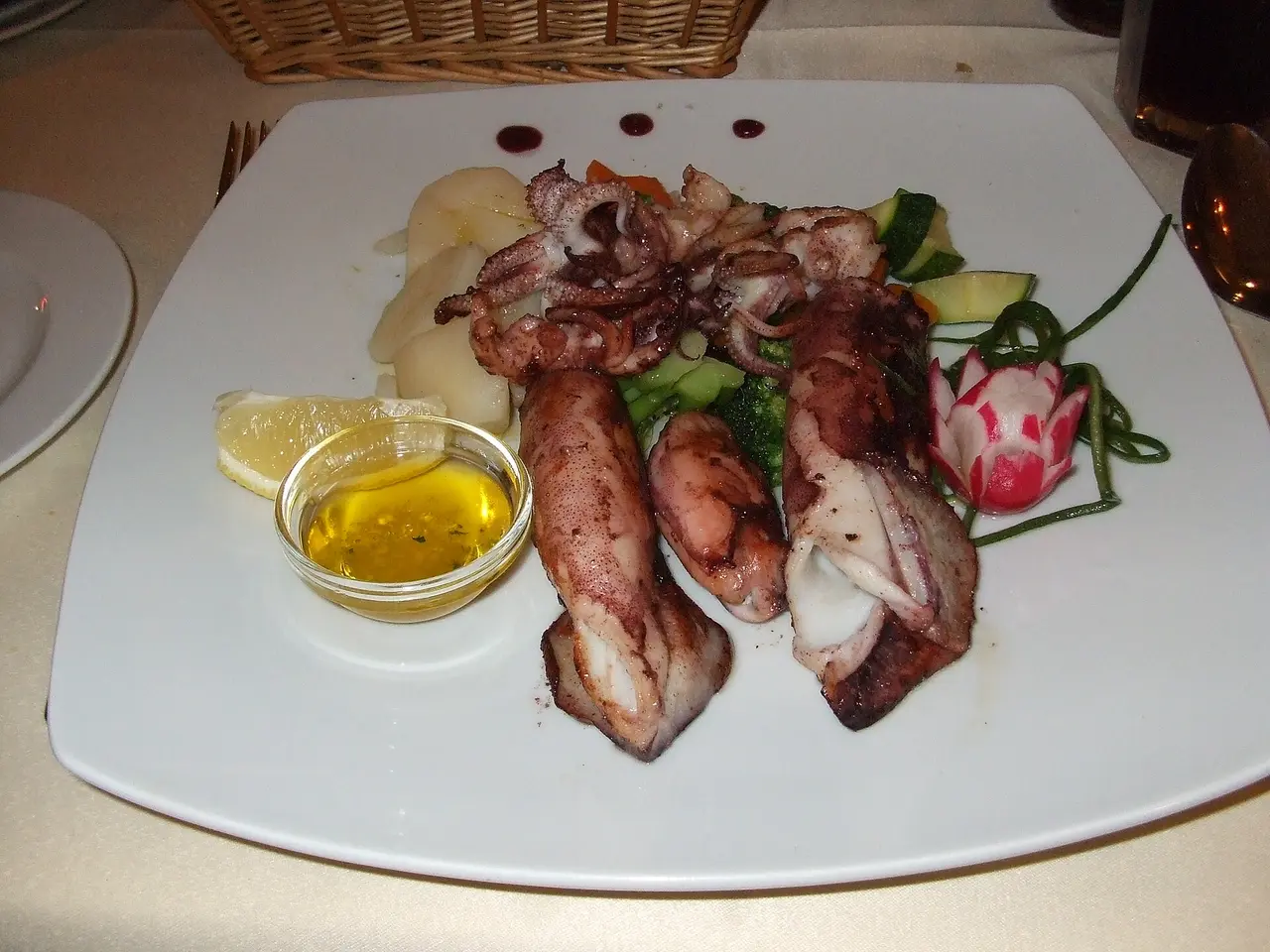
14. Lignje na žaru and hobotnica salata. Grilled squid and octopus salad, the two dishes that tell you whether a coastal kitchen is any good. Squid should be charred outside and tender inside, dressed with nothing more than olive oil, garlic and parsley; octopus salad is boiled octopus with potato, onion, olive oil and vinegar, served cold. Whole fish, meanwhile, is sold by weight - the waiter brings the catch to the table, so agree the size and the price before it goes on the grill.
15. Ukljeva and krap from Lake Skadar. The third, quieter tradition: freshwater fish from the big lake on the Albanian border. Ukljeva is bleak, smoked and dried; krap is carp, smoked or fresh off the grill; pastrmka is trout. Eat it in the lake villages where the boats land rather than on the coast - our Lake Skadar guide covers getting there.
How to order without over-ordering
Portions here are generous and the prices are low enough that people order like tourists and then leave half of it. Two adults do well with one shared platter of pršut and cheese, one main from the grill or the sea, and bread - that’s a full meal, and it’s usually cheaper than two mains. Kačamak, popeci and anything ispod sača are a dinner in themselves; ordering a starter in front of them is optimism. The one thing to skip is the fish-by-weight “catch of the day” at any place with a laminated photo menu - that is exactly where a cheap country stops being cheap.
Timing matters too. The bell-baked dishes need hours, so ask about ispod sača when you walk past at lunchtime for a dinner booking. Bean stew, raštan and sarma are cold-weather cooking and taste best from October onwards, when the coast quietens down and konobas move back to what the family cooks for itself.
The bread basket is worth a look rather than a shrug: alongside plain wheat bread you’ll meet barley (ječmeni), rye (ražani) and cornbread (rumetinov), and the darker ones go far better with kajmak and cured meat than white bread does.
Sweets, and the word that gets you the good stuff
Puddings here are homely. Priganice are little fried dough puffs served hot with honey, cheese or jam, and they double as breakfast. Tulumba is a ridged fried pastry soaked in syrup; krempita is a custard slice with a bad haircut and a good flavour; baklava turns up with walnuts and sometimes raisins. None of them will surprise you, and all of them are better than the tiramisu on the same menu.
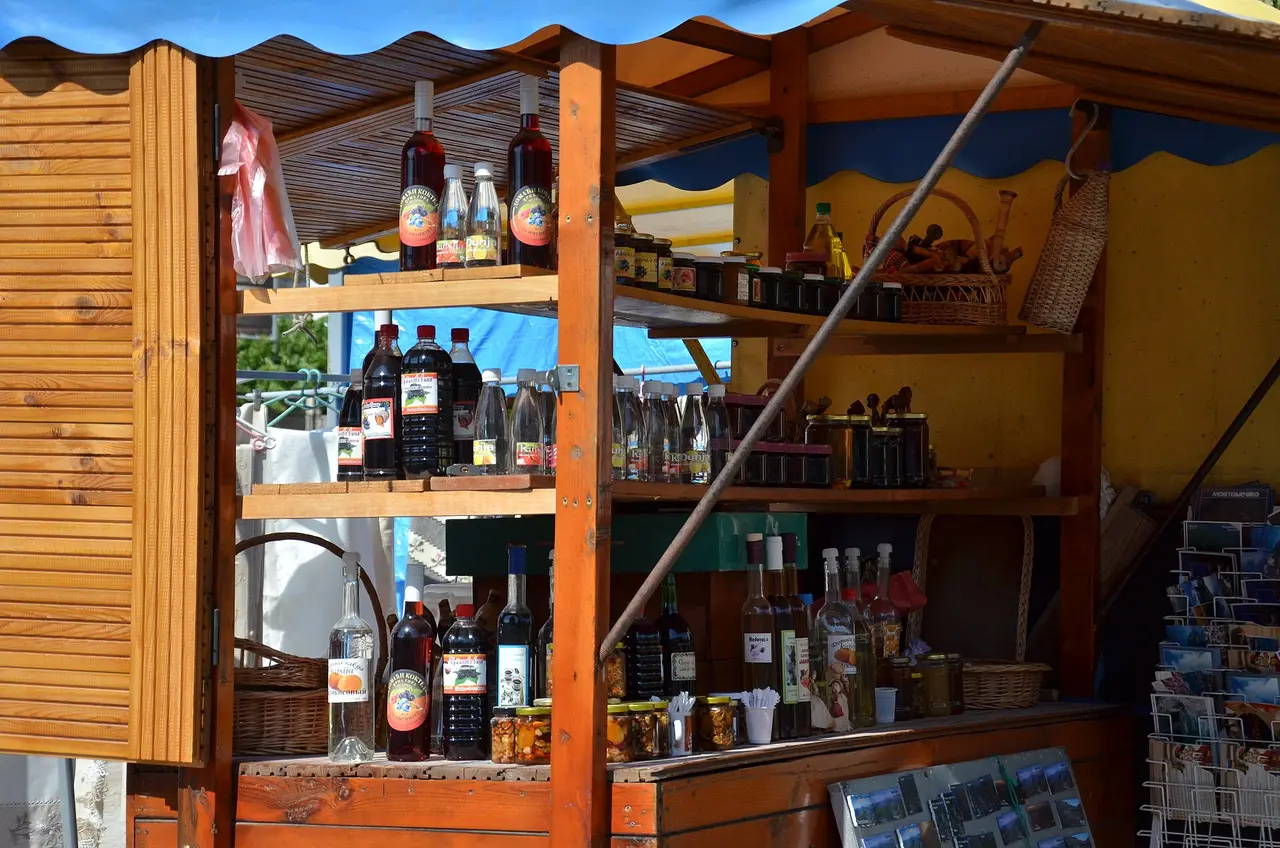
To drink, the shortlist is Vranac (the native red), Krstač (the native white, and genuinely rare), rakija in its various fruit forms, the bitter herbal pelinkovac, and Nikšićko beer. Non-drinkers should look for sok od šipka, syrup pressed from wild pomegranates. The wines get their own section in our what to eat in Montenegro guide.
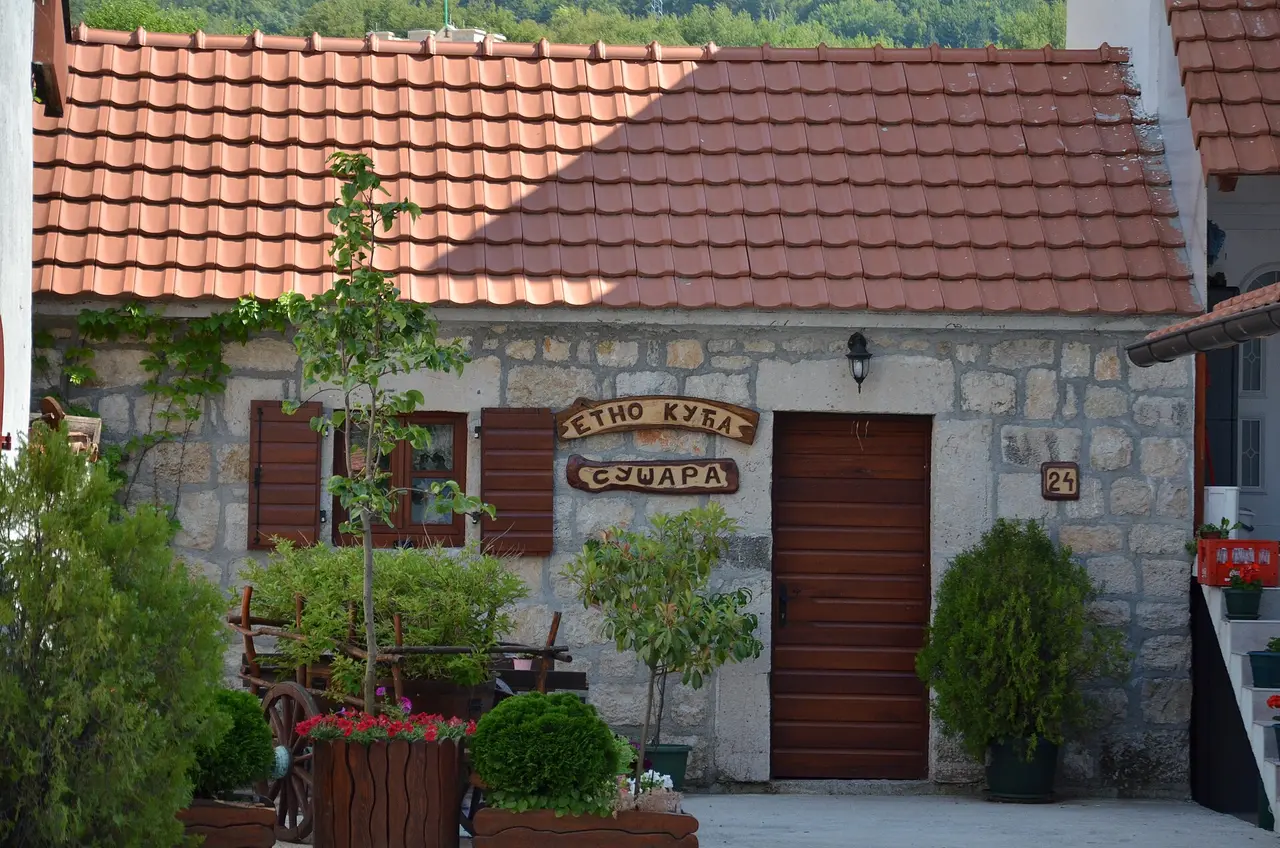
One word unlocks more of this list than anything else here: konoba. It’s a family-run tavern, usually the place where the actual cooking happens rather than a photo-menu for tourists, and the ones tucked a few streets from the seafront routinely beat the main-square terraces on both quality and price. Head inland and it’s often the only address serving raštan, japraci or a proper kačamak. Our best restaurants guide sorts Budva’s konobas from its tourist traps, and the food section has the vetted picks city by city.
Read also

Food · 9 min read
Where to Eat in Tivat: Porto Montenegro & Konobas
Verified · September 5, 2026Where to eat in Tivat: Porto Montenegro marina tables, Kalimanj konobas, and Luštica Italian menus with prices from restaurant sources.

Food · 9 min read
Best Restaurants in Herceg Novi: Riviera Dining
Verified · September 3, 2026Where to eat in Herceg Novi: Old Town konobas, Pet Danica seafood, Meljine marina and Žanjice beach tables - our shortlist, checked Sep 2026.

Food · 8 min read
Where to Eat in Ulcinj: Seafood on the Bojana
Verified · August 25, 2026Where to eat in Ulcinj: Bojana stilt fish houses, Old Town konobas, what to order (eel, black risotto) and how prices work on the southern coast.

Food · 8 min read
Best Restaurants in Podgorica: Where Locals Eat
Verified · August 11, 2026Named Podgorica restaurants locals actually use: Stara Varoš grills, central konobas, Capital Plaza evenings and lake fish at Plavnica - with addresses.