
Montenegro Wine Guide: Vranac, Plantaže Tours from €23
Montenegro wine: Vranac and Kratošija explained, Šipčanik cellar tastings from €23, family cellars around Lake Skadar, and what you can take home.
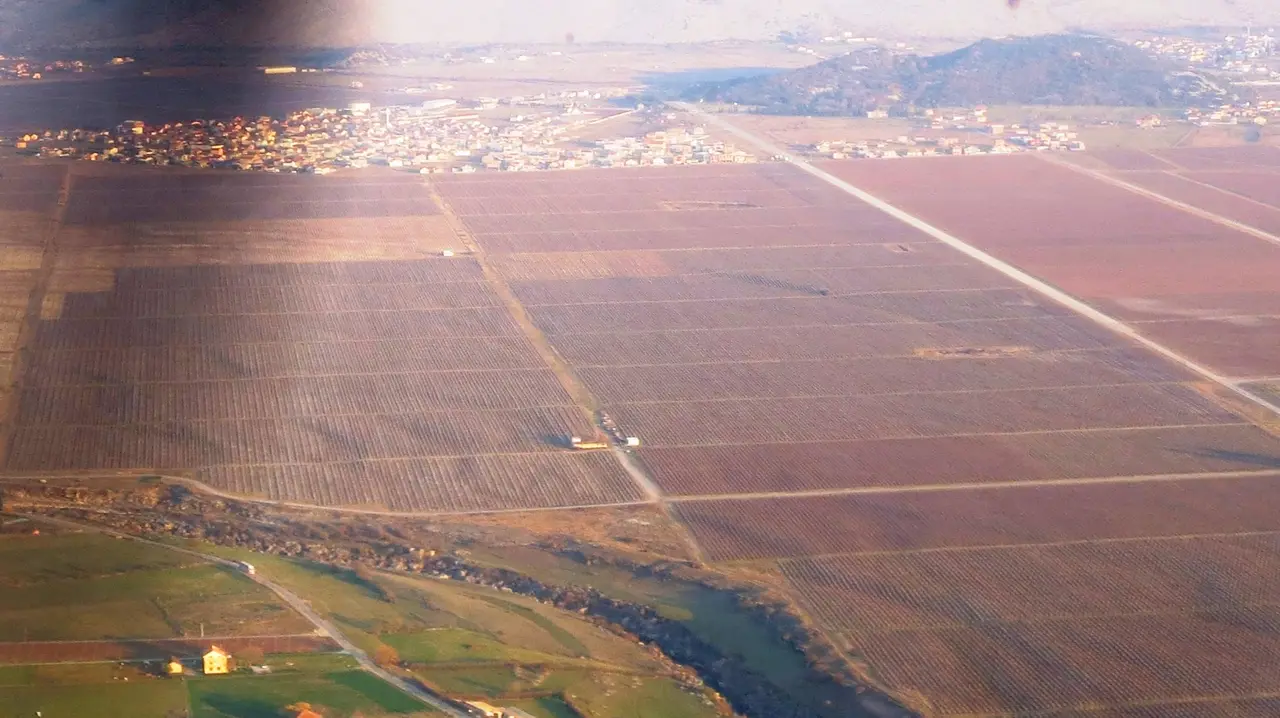
Montenegro drinks its own wine, and the one name that matters is Vranac, a dark native red planted on roughly two thirds of the country’s biggest vineyard. Tastings at the Šipčanik cellar outside Podgorica, a 356 m tunnel that used to hide military aircraft, start at €23 for an hour with three wines and food. The other half of the story is Crmnica, the hill villages by Lake Skadar where the wine comes out of a barrel in somebody’s house at whatever price they name that day. Prices and hours below were checked on 3 August 2026.
Here’s the part nobody tells you before booking: the drink-drive limit is 0.03% blood alcohol, so one glass ends your driving day. Half the planning below follows from that.
The short answer
| Where | What it costs | How long | Best for |
|---|---|---|---|
| Šipčanik cellar, Podgorica | €23-33 per person (~$26-38 / £20-28) | 1 hour | A proper cellar tour with a sommelier |
| Šipčanik, food and wine menu | €53-85 per person | 2 hours | Making it lunch or dinner |
| Plantaže Wine Treasures | €75 per person | about 4 hours | Vineyard, two cellars, premium pours, lunch |
| Crmnica village cellars | whatever the family asks | as long as you sit | Barrel wine, no tasting room, no script |
| Besac fort above Virpazar | entry fee, seasonal hours | a short stop | Several small producers in one place |
Conversions use €1 = $1.15 = £0.86; Montenegro is on the euro. Most wine drinkers want one of each: the industrial scale of Ćemovsko polje in the morning, a family cellar in the hills that afternoon.
Vranac, Kratošija and why your Primitivo habit matters
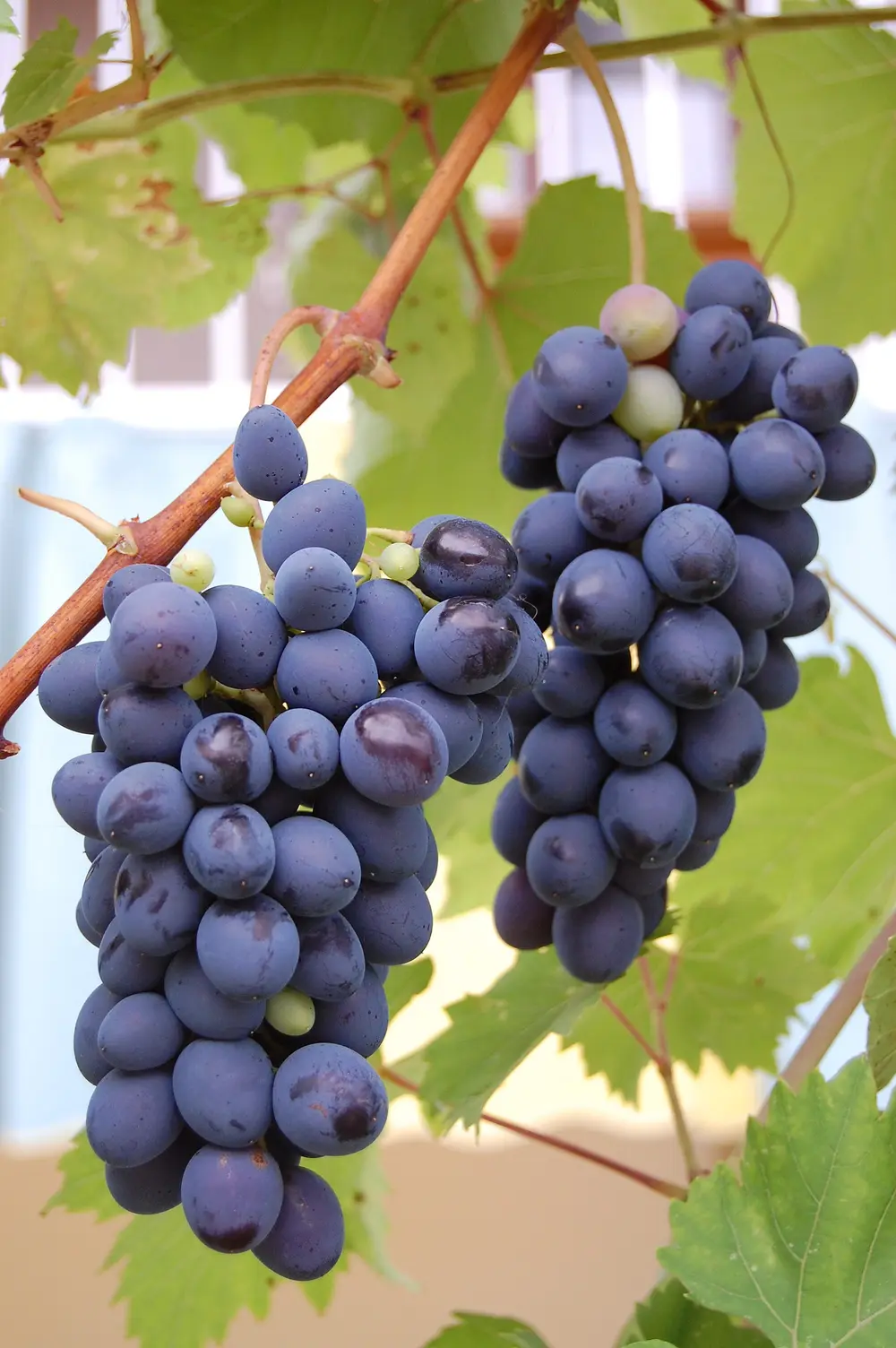
Vranac is the country’s most planted grape, protected as a Montenegrin geographical indication since 1977. Young, it’s purple and jammy with red-berry fruit; with a few years on it the colour goes dark ruby and the nose picks up cinnamon, chocolate, liquorice and oak. It has the tannin and weight for smoked ham, lamb from under the sač and anything off the grill - our guide to Montenegrin dishes covers what to put in front of it.
Kratošija is the interesting one. Its DNA profile is identical to Zinfandel in California, Primitivo in Italy and Crljenak Kaštelanski or Tribidrag in Croatia, a match confirmed by genetic testing in 2008, so if you drink Primitivo you already know this grape under another passport. Plantaže’s own research argues Montenegro is the likeliest place it came from; Croatian scientists make the same case for Dalmatia, and the argument isn’t settled.
The white to look for is Krstač, another native and genuinely scarce: Plantaže claims to be the only producer making it at any commercial scale. Fresh and gently fruity, it belongs with the seafood side of the Montenegrin table. Two more natives are worth spotting on a label: Žižak, from the big estate’s autochthonous block, and Lisičina, on under 1% of the Crmnica vineyard. Everything else - Chardonnay, Cabernet Sauvignon, Merlot, Marselan - is an international variety planted by Plantaže, not a village tradition.
Šipčanik: the tunnel cellar outside Podgorica
Most Montenegrin wine starts on one flat plain. Ćemovsko polje, on the edge of Podgorica, carries more than 2,000 hectares of vines in a single block - the producer calls it Europe’s largest single-complex vineyard, other counts put it nearer 2,300 hectares. Roughly two thirds is Vranac, harvest runs August to the end of September, and the company took 32 international medals in 2026.
The cellar under it’s the reason to come. Šipčanik is a 356 m tunnel covering 7,000 m² more than 30 metres underground, built as a military installation and converted to wine in November 2007. Over 2 million litres age down there with an archive of 18,000-plus bottles, at a steady 17-19°C. That last number is the one visitors get wrong: it is cellar-cold in August, so take a layer and walkable shoes.
Tastings are booked, not walked into:
- Bouquet, €23 per person, one hour: sommelier-guided tour, three wines (Crnogorski Krstač, Crnogorska Kratošija, Vranac Pro Corde) and homemade bruschetta with Njeguši cheese, prosciutto and figs.
- In vino veritas, €28, one hour: four wines including Epoha, with a cheese selection.
- Snaga podneblja (Power of Terroir), €33, one hour: four wines including Vladika, with the traditional meat or fish appetiser.
- Food and wine pairing, €53-85, two hours: a full menu built round the wines.
- Plantaže Wine Treasures, €75, about four hours: the vineyard, a viewpoint, the old Lješkopolje cellar, Šipčanik, premium barrique pours and lunch at the company restaurant. Book two days ahead, and note the catch: this one has a minimum of five people, so a couple can’t book it alone.
- Vineyard train, €5 per person, minimum 15 people.
Visits run daily 09:00-17:00, booking is asked at least a day ahead, tours are usually in English, and tastings are 18+. Two things to know before you pay: cancellations are wanted 48 hours ahead, and the cellar’s own rules state that once a visit is paid for, a refund isn’t possible. Bottles to take home are sold at the cellar shop.
The address is Tuzi bb, Karabuško polje, roughly 10 km southeast of central Podgorica - 15 to 20 minutes by car, and the winery lists car, taxi or organised transport as the ways to get there. Our Podgorica travel guide covers the city end.
The other Montenegro: Crmnica and the lake cellars
One producer makes over 95% of the country’s wine, so the other 112 registered wineries share what’s left. The sector figures come from Wine of Montenegro, an industry platform rather than a government statistics office, so read them as the trade’s own accounting: 2,850 hectares under vine, a bit over 500 growers, about 11 million litres a year, and a jump from 4 registered wineries in 2007 to 113 in 2024 after the country’s first wine law and a wine protocol with the EU. 83% of growers farm less than 2 hectares.
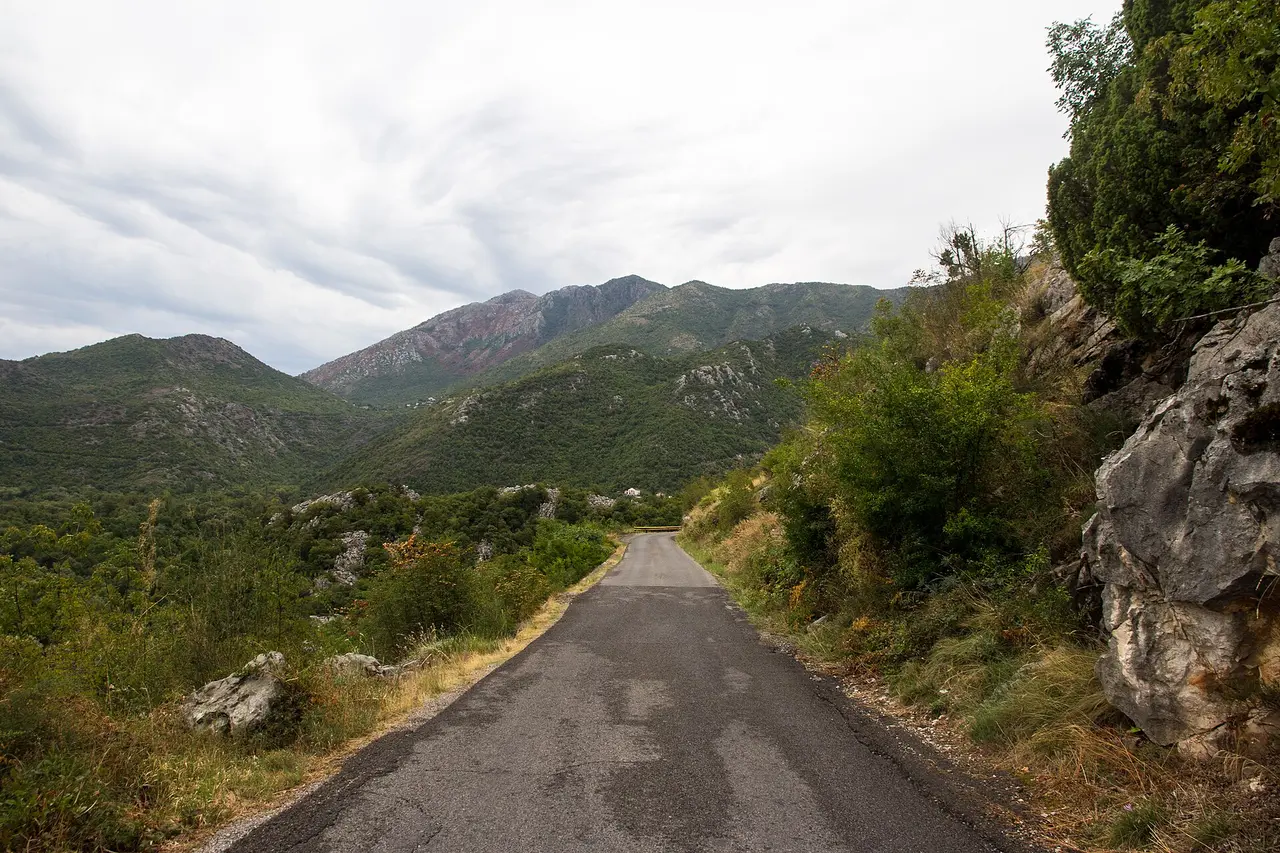
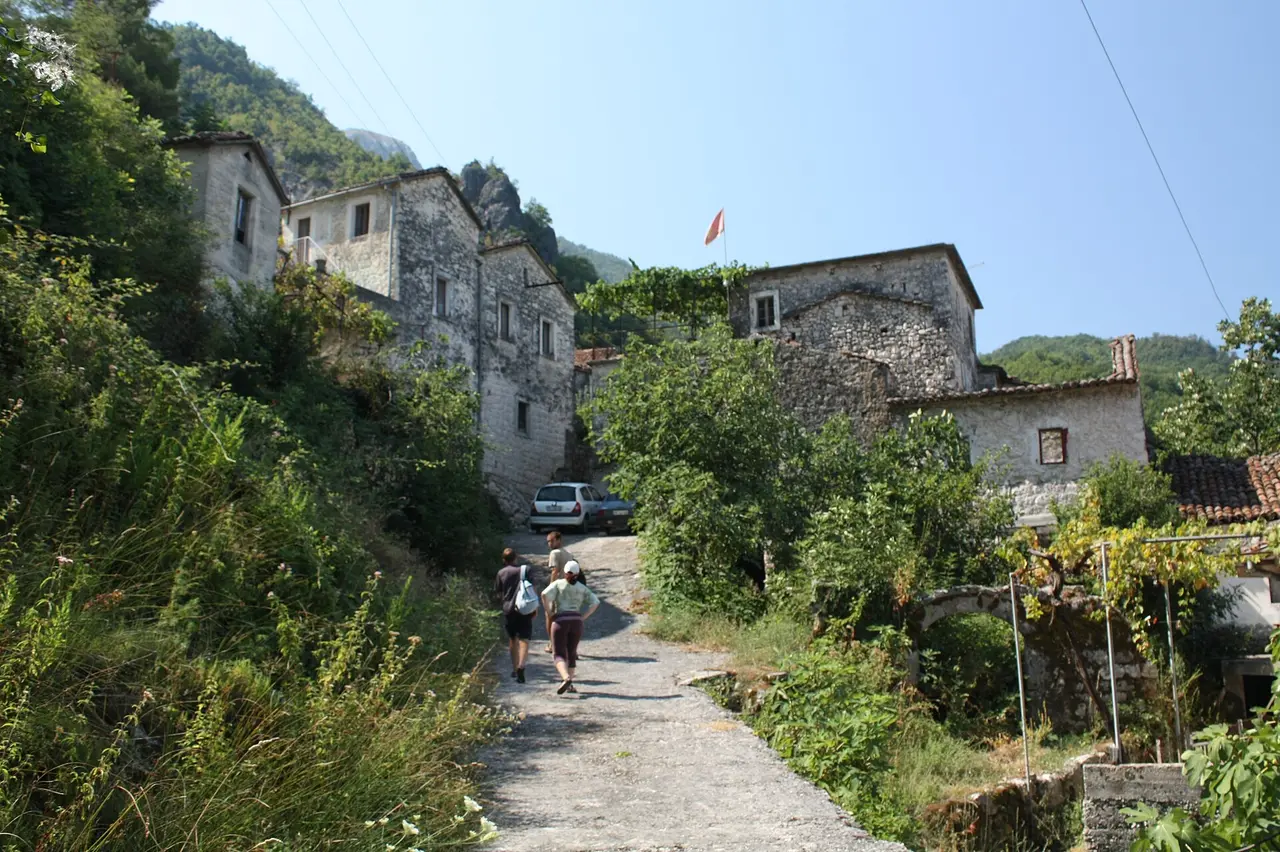
Nowhere shows that better than Crmnica, the hills behind the lake’s south-western shore and the home ground of Vranac. It holds 11.18% of all Montenegrin grape growers on 0.67% of the registered vineyard area - about 17.3 hectares, in plots averaging 0.18 hectares. Vranac covers roughly a third of that, Kratošija another 10%, and the lake’s microclimate is what makes any of it work, softening the temperature swings and stretching the growing season.
Carry that arithmetic with you, because it explains the visit. A plot of 0.18 hectares is a garden. A grower working two or three of them makes wine at a scale where a label, a booking system, a price list and fixed opening hours would all cost more than they could return - so none of that exists. The names for your notes are Godinje and Limljani, and the honest description is not “wine tourism” but “somebody’s grandfather has a barrel”. The history fits that scale rather than the marketing: a count attributed to the chronicler Nićifor Dučić put Crmnica’s 1863 output at 5,041 barrels, the signature of a great many tiny producers and not one large one. Our Lake Skadar guide has the village-by-village detail, the boats and the park entry fee.
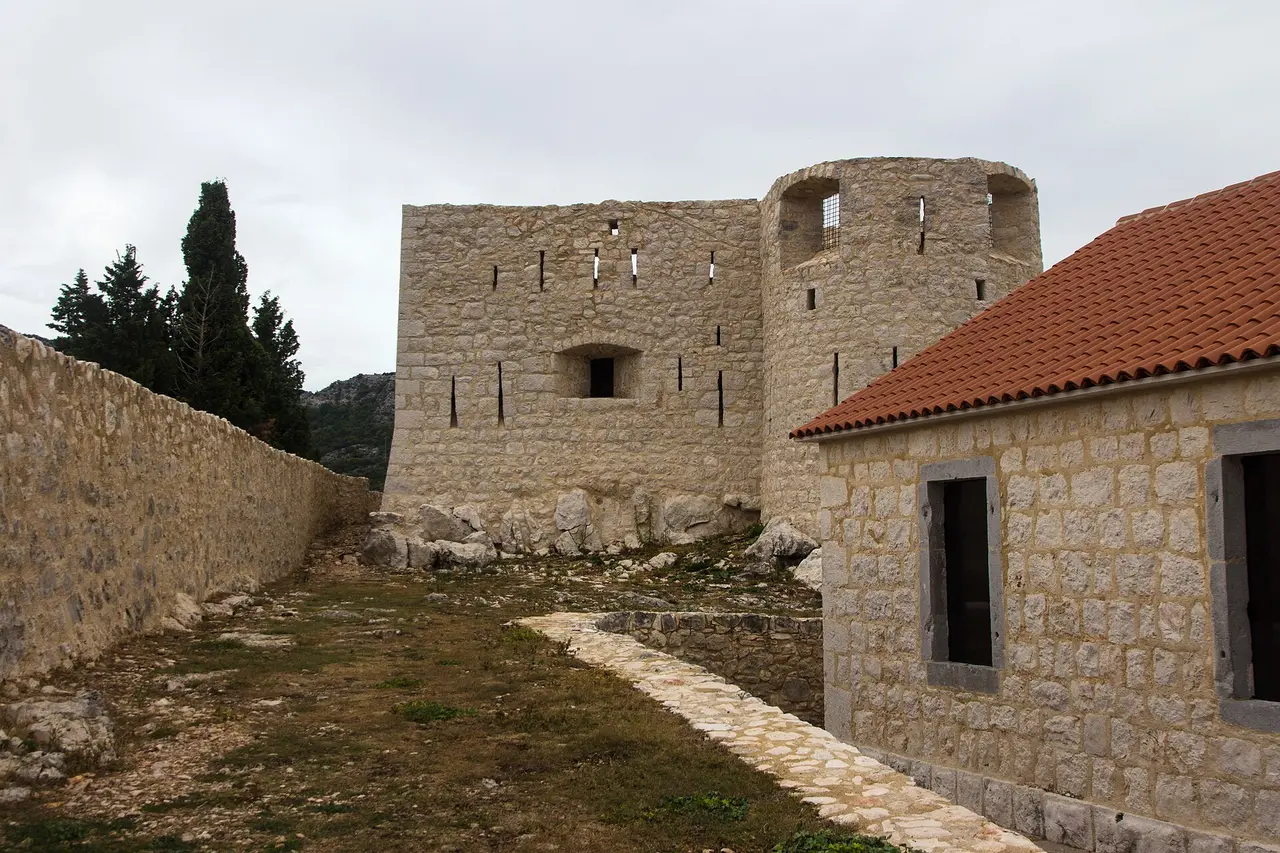
If you’d rather not gamble on a village door, Besac, the 15th-century fort above Virpazar, was restored with EU support and works as a wine showcase: small museum, shop, viewpoint over the lake, and tastings pouring several local producers rather than one estate’s bottles. It’s not itself a winery. Entry is charged and hours are seasonal, so check before building an evening around it.
Tasting without driving
Back to that 0.03% limit. It sits at the strict end in Europe without being the strictest - the Czech Republic and Hungary allow nothing at all - and the effect is the same: one glass of red puts a normal adult over. There’s no Uber or Bolt in Montenegro, and in the villages a taxi is something you phone for rather than flag down, so plan the ride before the wine. Three ways that work:
- A guided wine tour from Podgorica, Budva or Kotor: more per head than the cellar door, minus the afternoon spent hunting a taxi that isn’t there.
- A booked transfer or a taxi with a waiting fee, which suits two or three people doing one cellar and back.
- A designated driver, cheapest and the one that ruins somebody’s day. Rotate it across days.
If you’re driving to the region and stopping at the wine later, read our notes on driving in Montenegro first; the roads into Crmnica are narrow, unlit and full of blind corners.
Where to base yourself
Podgorica is the practical base for Šipčanik: the cellar is 15 to 20 minutes out of town, and the main year-round airport sits 11 km south of the centre, so the tasting fits onto an arrival or departure day rather than costing you one.
Virpazar puts you inside the wine country: 30 km from Podgorica, a 30-40 minute drive, small enough to walk back from dinner, which solves the driving problem outright. It’s also the only base here you can reach without a car - the village has its own halt on the Podgorica-Bar railway, a couple of euros from either end. Check that your train stops there; not all do.
The coast is the weakest option here: Budva is about 65 km from Podgorica through the Sozina tunnel, so two and a half hours of driving buys a one-hour tasting, with somebody sober both ways. Stay there and make it a full day with Virpazar in it.
When to come
September is the month if wine is the reason for the trip: harvest running, light softening, the coast emptying and new wine in every cellar. The flip side is that the families are working, so a car that turns up unannounced during picking is likelier to be waved on than in quiet early July. Phone first or go with a guide; September isn’t the month to improvise. May and June are the comfortable compromise, with the lake at its best and nobody mid-harvest.
The one event built entirely around Montenegrin wine is the Days of Wine and Bleak in Virpazar, and its date is the most-repeated error in English listings. It’s not a December festival: the national tourism organisation lists the 2026 edition for 28 February to 1 March, filed under winter events, and the 27th edition ran on 1-2 March 2025. Several pages, including the events listing of the town that sponsors it, still print “December, Virpazar” - which is how people plan a winter trip around a festival that finished nine months earlier. Two things before you build a weekend on it. The tasting is free - 200 kg of lake fish and 200 litres of local wine at no charge, 26 exhibitors, 66 wines in the competition. And in 2026 the ukljeva the festival is named for won’t be served - bleak is protected during the spawning ban, so the fish on the plate is other lake fish. Dates land only a few weeks ahead; our Montenegro events calendar tracks them.
Taking wine home
Montenegro isn’t in the EU, so the limits are tighter than most visitors expect. Coming home to the EU from a non-EU country you get 4 litres of still wine per adult, plus 16 litres of beer, plus either 1 litre of spirits over 22% or 2 litres of fortified or sparkling wine. Four litres is a little over five bottles, and that’s it before duty.
The UK is far more generous: 18 litres of still wine, plus 42 litres of beer, plus 4 litres of spirits or 9 litres of drinks up to 22% such as sparkling, fortified wine and cider.
The US is the tightest of the three. Customs and Border Protection allows one American litre (33.8 fl oz) per person aged 21 or over inside your personal exemption; above that you pay duty plus federal excise. The layer people miss is that the allowance must also satisfy the law of the state you land in, and where a state limit is tighter, CBP enforces the state’s number. Check your arrival state before you buy a case. Wine flies in checked luggage anyway, so a case means checking a bag.
So which one should you do?
Half a day and you want the story? Book Šipčanik: €23 buys a sommelier, a tunnel of barrels and three wines that explain the country. A full day and a driver? Do both - cellar in the morning, then down to Virpazar, Besac for the view and a village cellar in Godinje. And if your Montenegrin wine is only ever going to arrive in a restaurant, order the Vranac and ask what the house pours from the barrel: on most menus that’s the best-value line on the list.
Photos
Read also

Food · 9 min read
Where to Eat in Tivat: Porto Montenegro & Konobas
Verified · September 5, 2026Where to eat in Tivat: Porto Montenegro marina tables, Kalimanj konobas, and Luštica Italian menus with prices from restaurant sources.

Food · 9 min read
Best Restaurants in Herceg Novi: Riviera Dining
Verified · September 3, 2026Where to eat in Herceg Novi: Old Town konobas, Pet Danica seafood, Meljine marina and Žanjice beach tables - our shortlist, checked Sep 2026.

Food · 8 min read
Where to Eat in Ulcinj: Seafood on the Bojana
Verified · August 25, 2026Where to eat in Ulcinj: Bojana stilt fish houses, Old Town konobas, what to order (eel, black risotto) and how prices work on the southern coast.

Food · 8 min read
Best Restaurants in Podgorica: Where Locals Eat
Verified · August 11, 2026Named Podgorica restaurants locals actually use: Stara Varoš grills, central konobas, Capital Plaza evenings and lake fish at Plavnica - with addresses.