
Christmas in Montenegro: 25 Dec, Badnji Dan, 7 Jan
Christmas in Montenegro 2026/27: Catholic Christmas on 25 December in Kotor, Badnji Dan fires in Cetinje on 6 January, Orthodox Christmas 7-8 January.
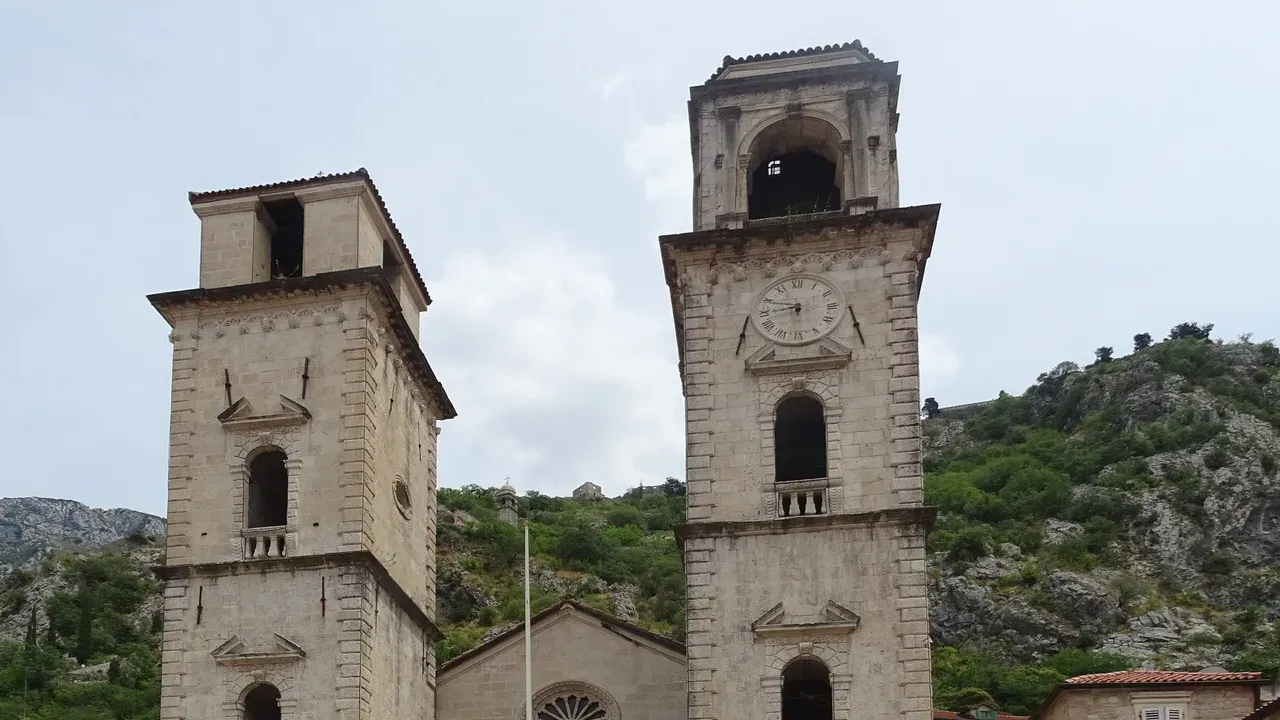
Montenegro has two Christmases a fortnight apart, and they feel nothing alike. Friday 25 December 2026 is Catholic Christmas, a family day that on the tourist map belongs mostly to the Bay of Kotor. The Orthodox one runs over three days: Badnji Dan on Wednesday 6 January 2027, with oak branches burned in front of churches that evening, then Christmas on 7 and 8 January. The ministry’s yearly notice for 2027 hasn’t appeared yet (checked 12 November 2026), so those three dates follow the pattern of every notice we found, 6 to 8 January. And the surprise for a visitor: Cetinje, the old royal capital, has held two separate lightings for more than 30 years.
The 2026/27 dates at a glance
| Date | Day in 2026/27 | What it is | Who it concerns |
|---|---|---|---|
| 25 December 2026 | Friday | Christmas Day, Gregorian calendar | Catholics, and Kotor’s open-air programme |
| 6 January 2027 | Wednesday | Badnji Dan, Christmas Eve | Orthodox believers; fires in the evening |
| 7 and 8 January 2027 | Thursday and Friday | Orthodox Christmas, two days | Orthodox believers (paid leave in the ministry’s notices) |
The Montenegro in winter guide places them in the wider season, and the events calendar lists the other dates of the year.
Christmas on 25 December in the Bay of Kotor
Christmas Day isn’t one of the holidays in the Law on State and Other Holidays: the ministry’s notices put Christmas under the separate Law on the Celebration of Religious Holidays, which gives believers paid leave. So 25 December is a religious occasion for believers, not a day the whole country stops. The same law gives Roman Catholics paid leave for Christmas Eve and two days of Christmas (Article 3), which on the Gregorian calendar means 24 to 26 December. Out on the coast that shows: where the Catholic community is strong, in and around Kotor, there’s a real celebration, and elsewhere it’s an ordinary Friday.
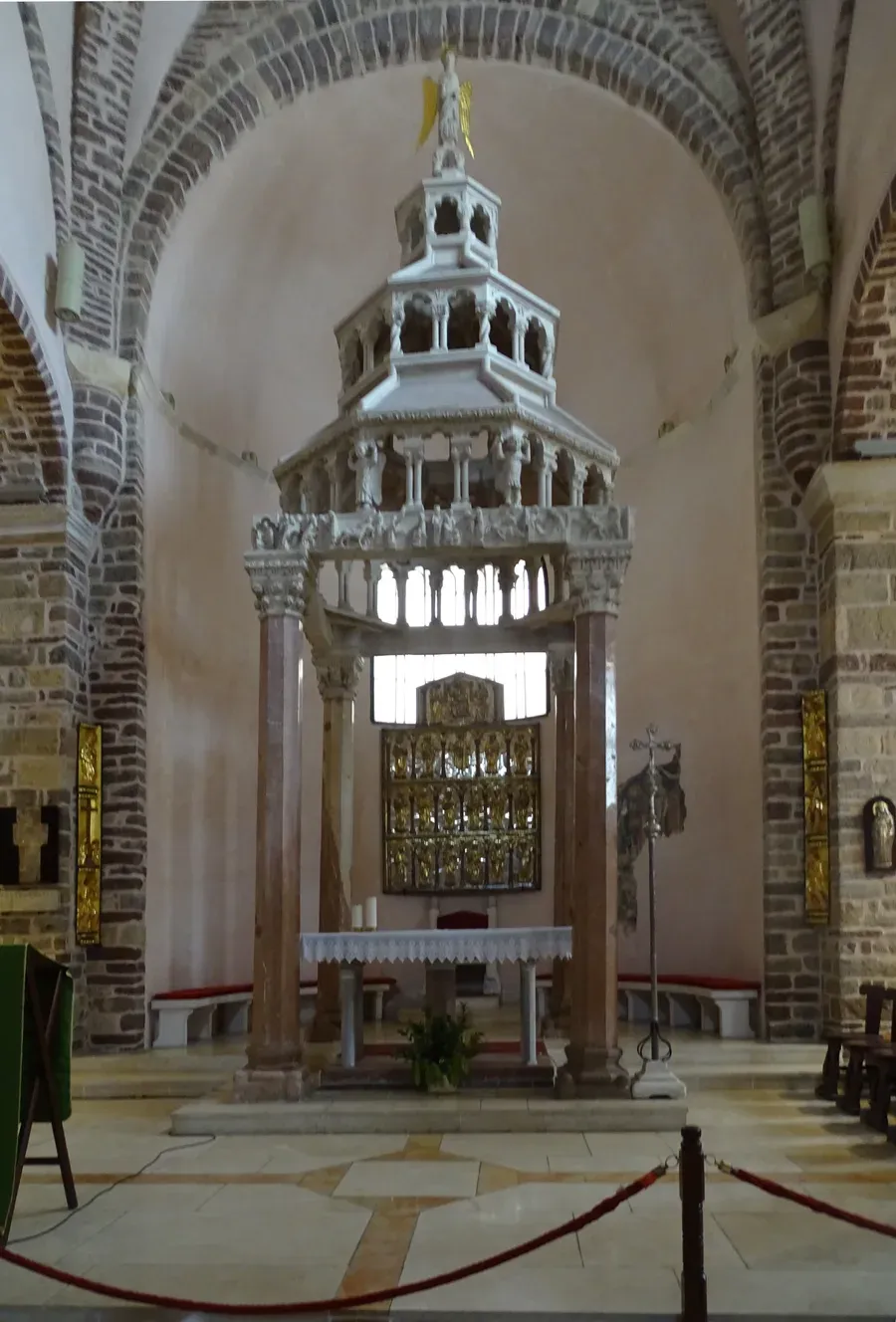
What Kotor’s tourist board has run in past years gives the pattern. In 2023, its Christmas programme “Od Božića do Božića” (from Christmas to Christmas) opened for the tenth time with a concert on the waterfront on 23 December. On the 24th the Karampane association served priganice, the local fried dough, at the main city gate, and on 25 December the board held a Christmas celebration for Roman Catholic believers. That year it already ran inside the wider Kotor Winter Fest (3 December 2023 to 3 February 2024), and the 2025/26 Winter Fest ran from 29 November 2025 to 31 January 2026 with over 30 performances. We couldn’t find the 2026/27 programme as of 12 November 2026, so don’t build a Christmas Day around a named concert: ask the tourist board in December. The same goes for church services; the Diocese of Kotor posts a schedule for Christmas Eve and Christmas on its site, and the one on display on 12 November 2026 was still the schedule for Christmas 2025.
The other dates on that 2023 programme show how Kotor spreads the season out rather than packing it into one night: a concert on 27 December, a New Year bazaar for children on the 28th and a children’s play on the 29th. The Kotor Winter Fest of 2025/26 kept that spirit, with a ceremonial lighting of the lamps on 29 November, a December billed as the month of music and a January billed as the winter afterglow. A similar pattern is likely again, but the line-up is for the organisers to announce.
On the day itself the plan can stay loose: a service, a walk through the lanes of the old town, and a table you’ve phoned ahead for.
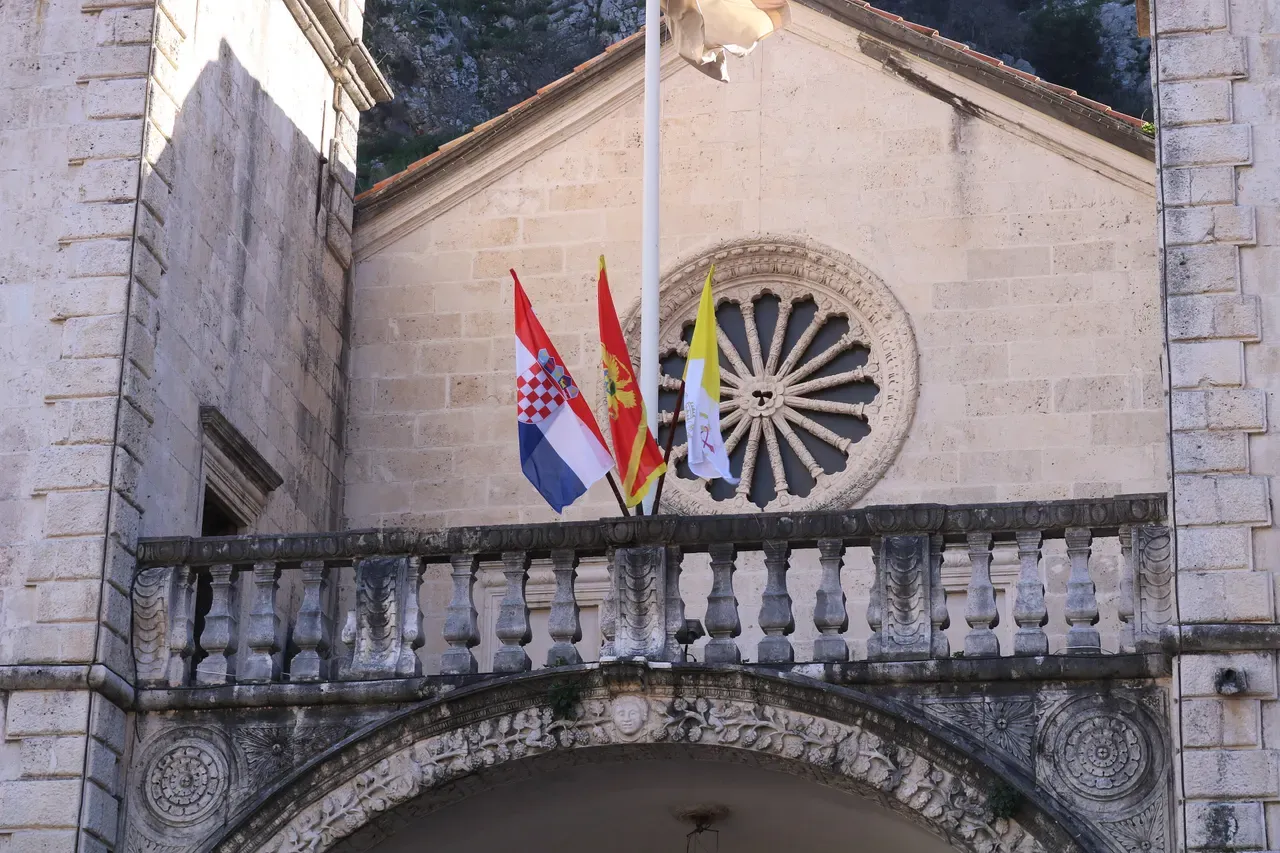
Badnji Dan in Cetinje
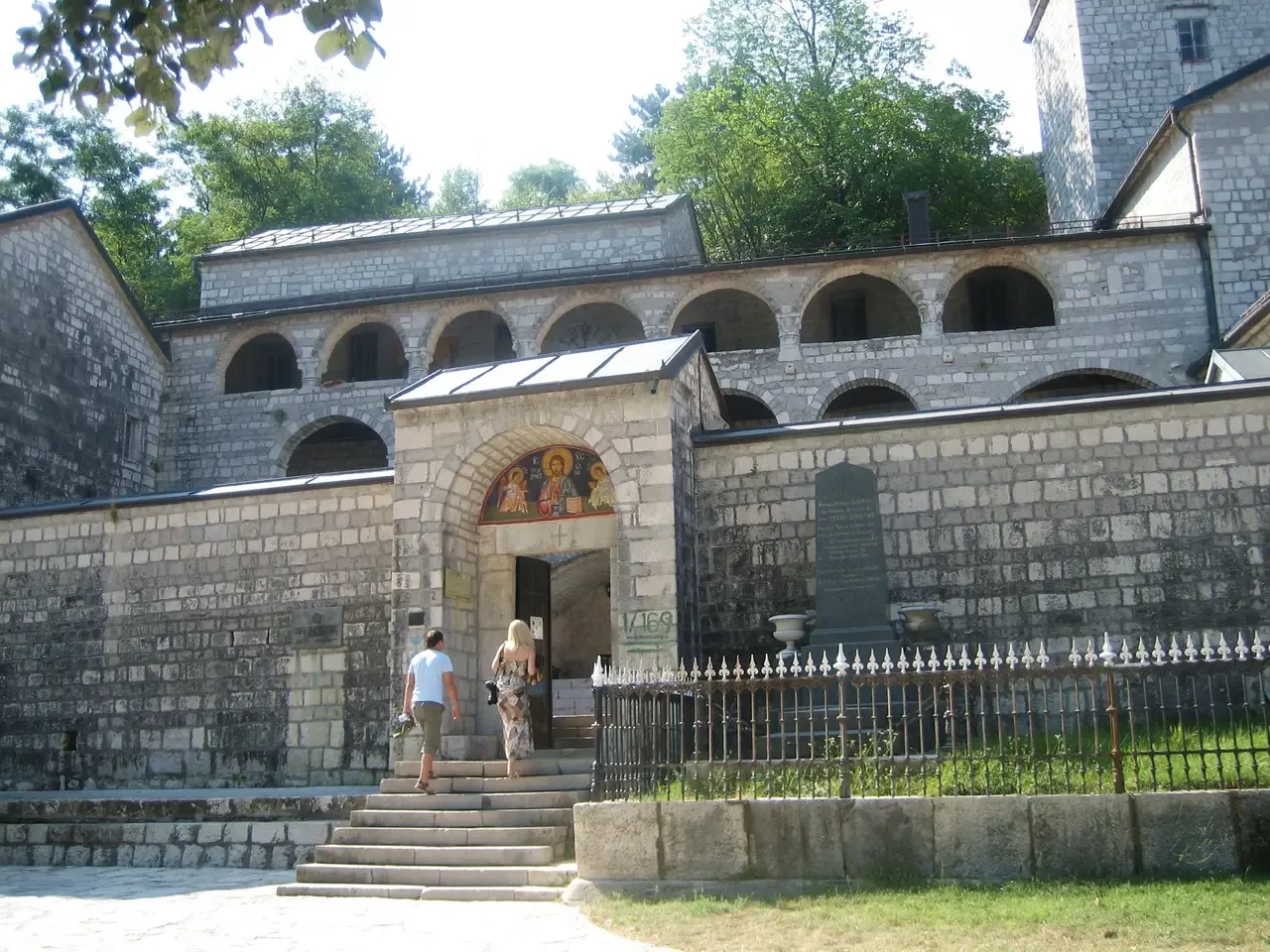
On 6 January the Orthodox tradition is the badnjak, an oak branch burned on Christmas Eve, usually in front of a church after the evening service. The old royal capital of Cetinje is where visitors tend to go to see it.
There’s a complication. Two Orthodox churches exist in the country and have marked Badnji Dan separately since 1994: on 6 January 2023, Radio Slobodna Evropa reported, the Serbian Orthodox Church lit its badnjak in front of Cetinje Monastery and the Montenegrin Orthodox Church a short walk away, in front of King Nikola’s Palace. On 6 January 2024 the same outlet reported that police on the palace square in Cetinje had separated supporters of two rival leaders of the Montenegrin Orthodox Church, which had split the year before. That doesn’t mean 2027 will repeat it; no programme for 2027 is public yet. What it means in practice: go for the atmosphere, not for a front-row spot, arrive early, keep an eye on police instructions, and don’t take sides out loud.
The fires burn in the evening, after dark and in the cold, so bring a warm layer. If you’re driving back to the coast afterwards, read the winter-tyre and road rules in our Montenegro in winter guide first, and the equipment rules in driving in Montenegro.
If you’re travelling from the coast, remember that the 6th to the 8th are paid-leave days for Orthodox believers, so buses and local services may run to a holiday pattern. Ask your hotel the day before. A pre-booked transfer back to the coast avoids the question; a Cetinje day tour shows the town by daylight but check whether it stays for the evening fires.
In 2026/27 the Orthodox dates land on Wednesday, Thursday and Friday, which means the believers around you get a run from the 6th to the weekend of the 9th and 10th if they take the paid leave the notices describe. Catholic Christmas lands on a Friday, so it opens an ordinary weekend.
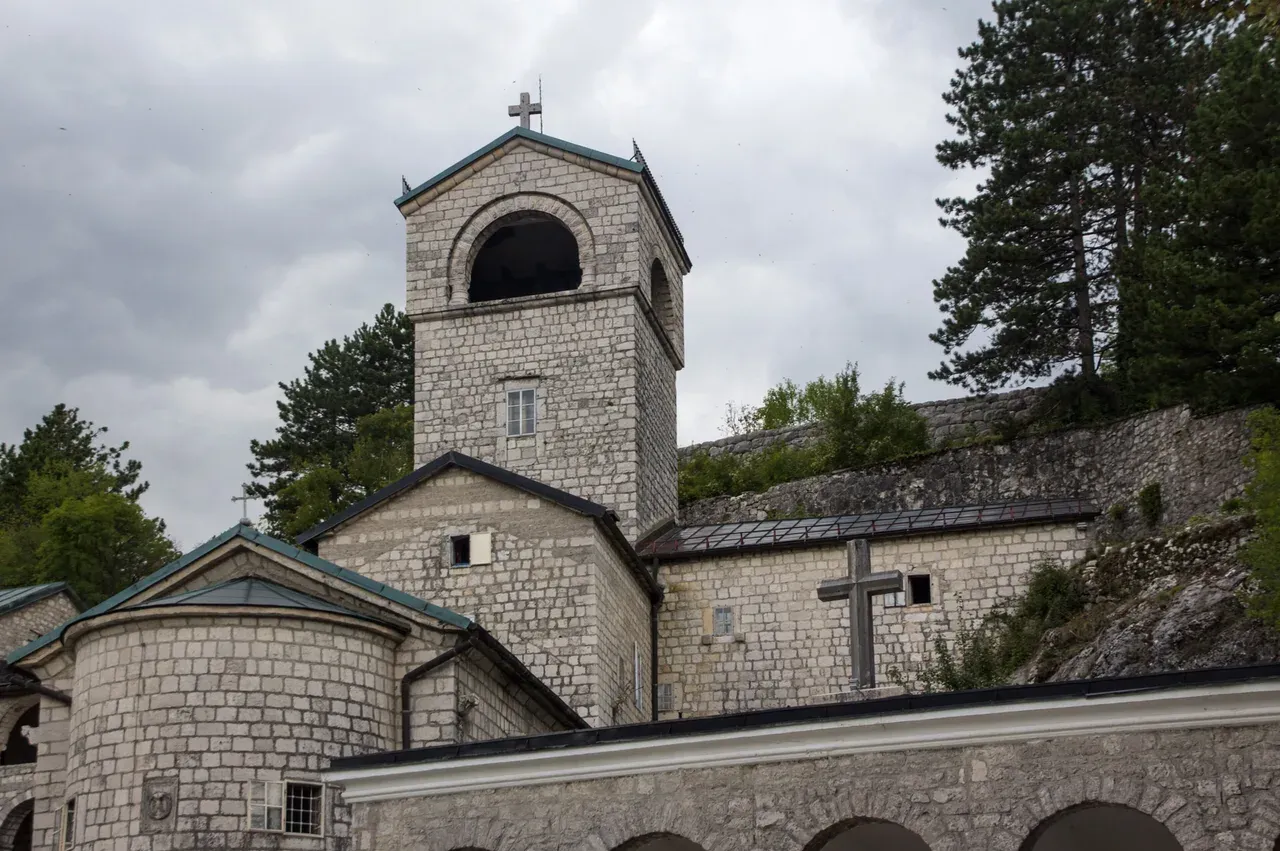
Christmas Day itself, 7 January
The evening before is the street event; the 7th is the church day. N1 reported Christmas liturgies in January 2020 at the Montenegrin Orthodox Church in Cetinje and at the Serbian Orthodox Church’s Sabor cathedral in Podgorica, both held without incidents. As of 14 November 2026 we found no service times for January 2027, so ask your hotel or the church on the 6th, and don’t plan a tight timetable around a morning liturgy. After the liturgy the practical question is what’s open, and the next section answers it as far as the sources allow.
Which days are days off by law
The rules are less dramatic than a visitor might fear. Holidays under the Law on State and Other Holidays, 1 January among them, run two days and are non-working by law (Articles 2 and 3), so on 1 and 2 January offices and public bodies are shut, and a business may open only if its work has to run without a break and it holds a ministry permit (Article 5). Religious holidays work differently: under the Law on the Celebration of Religious Holidays, the ministry’s notices give Orthodox believers paid leave for Badnji Dan and Christmas, 6 to 8 January, which affects the staff who can take the days, not every shop and restaurant. State bodies and public services must keep essential work going on any holiday.
We found no rule that closes tourist businesses on 25 December or on 7 January, and no list of what’s open. So treat opening hours for those days as a question for the place itself, and phone ahead for a restaurant on 25 December and 7 January. For the nights in between, see New Year’s Eve in Montenegro.
Picking your fortnight
Choose by what you want from the trip, not by the date alone: the Orthodox dates feel more local and unstaged, while 25 December plus the New Year days gives you the lit square and the stage.
- Kotor on 24-25 December: a small-town Christmas; in 2023 that meant priganice at the city gate, a klapa concert on the evening of the 24th and a band on the 25th, and the 2026 line-up is for the tourist board to announce. Book early, because the dates are close to New Year demand.
- Cetinje on the evening of 6 January: the badnjak and the crowd, then dinner in town; check which church’s lighting you’re walking to.
- Both, 25 December to 8 January: the same bed on the coast for a fortnight, with New Year in the middle. It’s the plan the winter calendar is built around, and it’s the one that needs the earliest booking.
Read also

Entertainment · 8 min read
New Year's Eve in Montenegro: Where to Spend It
Updated · November 7, 2026New Year's Eve in Montenegro: Budva's three nights, line-ups out in Herceg Novi and Tivat, Kotor, Podgorica or the mountains for 31 December 2026.

Entertainment · 12 min read
Montenegro Events Calendar: Month by Month 2026-2027
Verified · August 24, 2026What is on in Montenegro month by month: Kotor Carnival and Mimosa Festival in February, EXIT2 Budva in August 2026, and how far ahead dates are confirmed.

Entertainment · 9 min read
Budva Nightlife 2026: Best Bars, Clubs & Beach Parties
Updated · August 21, 2026Budva nightlife in 2026: Old Town cocktail bars, the Slovenska beach strip, the open-air Top Hill club, summer beach parties and safety tips.

Food · 8 min read
Where to Eat in Kolašin: Mountain Kitchens by the Ski Road
Verified · November 15, 2026Where to eat in Kolašin: konobas on the square, Viline Vode and its own prices, Troglava at the 1600 lifts and Tara-road stops. Checked 15 Nov 2026.