
Car Rental at Tivat Airport (TIV): Prices, Queues & Tips
Renting a car at Tivat Airport (TIV): where the desks are, peak-season queues, deposits and excess, cross-border rules and what it costs in summer.
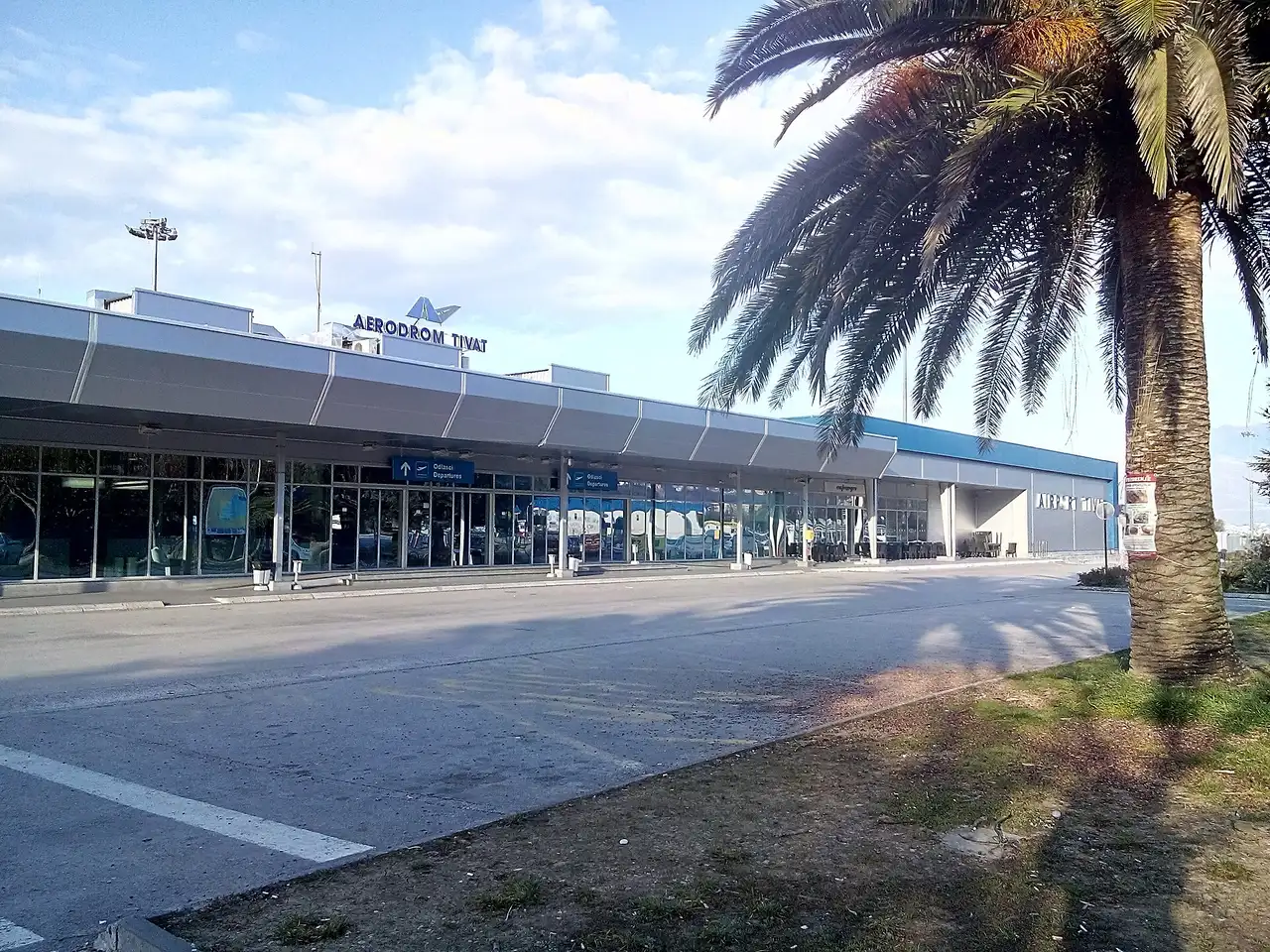
Picking up a hire car at Tivat (TIV) is the fastest way onto the Montenegrin coast: the desks sit in the little arrivals hall, Kotor is about 15 minutes away and Budva around half an hour. The catches are all seasonal. TIV is a tiny, summer-heavy airport, so in July and August you can queue 30-45 minutes at the counter, prices spike, and you will need a credit card in the main driver’s name for a deposit of roughly €300-600 that gets blocked, not charged. Book ahead, understand the excess, and know the cross-border rules before you drive to Dubrovnik, and the rest is easy. Here’s how it actually works (figures checked July 2026, so reconfirm your exact dates).
Where you pick the car up
TIV has one small terminal, and the rental desks are in the arrivals hall - you clear passport control, collect your bag, and the counters are right there. You’ll see a row of the big names (Hertz, Sixt, Budget, Europcar, Carwiz) alongside a string of Montenegrin agencies.
Here’s the part first-timers miss: with the local agencies and most broker bookings, there’s often no manned counter. Instead it’s meet-and-greet - an agent waits in arrivals holding a board with the company name or your surname, then walks you to the car in the lot outside to do the paperwork there. It’s normal and perfectly fine; just look for your name rather than hunting for a desk. Staffed hours run roughly 08:00-20:00, and for late or early flights most agencies will still meet you out of hours if you flag the flight time when you book. Confirm the pickup method in your confirmation email so you’re not standing in the wrong place after a late landing.
Queues and timing
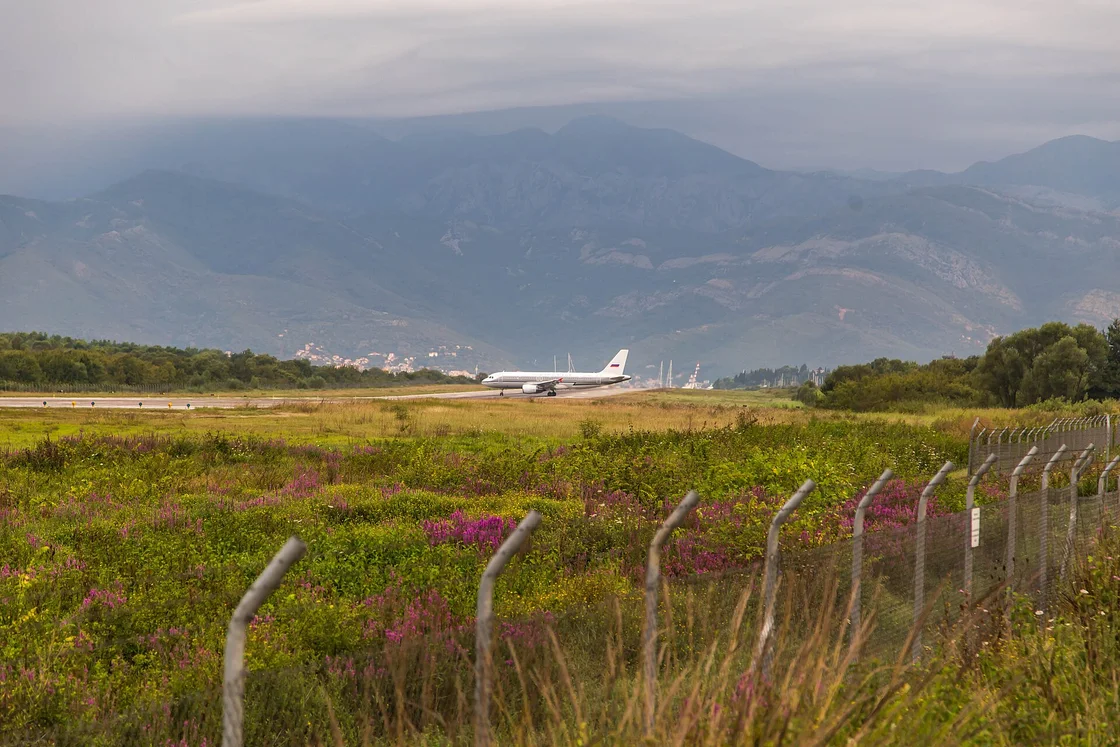
TIV handles around 1.3 million passengers a year, but about 80% of them arrive between May and September, and the terminal was built for far fewer. When two or three holiday flights land within the same hour, passport control and the rental desks both back up. Budget for a 30-45 minute wait at the counter in peak summer; off-season it’s more like 15-20.
Three things keep the wait down. Pre-book so your car is reserved and priced before you fly - walking up to rent on the spot in August is how you end up with the last, dearest car or none at all. Favour a meet-and-greet booking, which skips the counter scrum entirely. And allow time: if you’re catching the last ferry or checking into a place that locks reception at 10pm, don’t assume you’ll be off the tarmac and driving within 20 minutes in high season.
What it costs: prices, deposit and excess
Rates are quoted in euros and swing hard with the season. Off-peak you can find small cars from around €20 a day; in July and August the cheapest cars go first and daily rates climb well beyond that, with aggregator averages often sitting around €50 a day or more. There is no single fixed price, so compare live quotes for your exact dates rather than trusting any headline number.
Two money points matter more than the headline rate:
- The deposit. Expect roughly €300-600 to be blocked (held, not charged) on a credit card in the main driver’s name, released 10-30 days after you return the car. Debit cards, prepaid, Maestro and Electron are widely refused for the deposit; a handful of local firms offer “no deposit” deals, but read what you trade for it. Turn up without a real credit card and you can lose the booking at the desk.
- The excess. Basic cover (CDW) is usually included, but the excess you’re liable for if anything happens is high - commonly €800-2,000. The desk will offer an excess reduction (“Super CDW”) for about €10-25 a day that drops it to near zero. Decide in advance: buy it, accept the risk, or arrange standalone excess insurance before you travel, which is often cheaper than the desk upsell.
Also watch for an airport/premium-location surcharge baked into airport pickups, and one-way fees if you plan to drop the car at Podgorica or Dubrovnik instead of bringing it back to Tivat. For the wider rundown on roads, fuel policy and driving habits, see our guide to renting a car in Montenegro.
Whatever cover you take, do one thing before you drive off: walk around the car, photograph every existing scratch and the fuel gauge, and make sure the damage is noted on the sheet. It takes two minutes and it’s the simplest way to protect that blocked deposit when you hand the keys back at the end - the meet-and-greet handover in a dim car park is exactly where an unlogged scuff turns into a charge.
Where you will actually drive
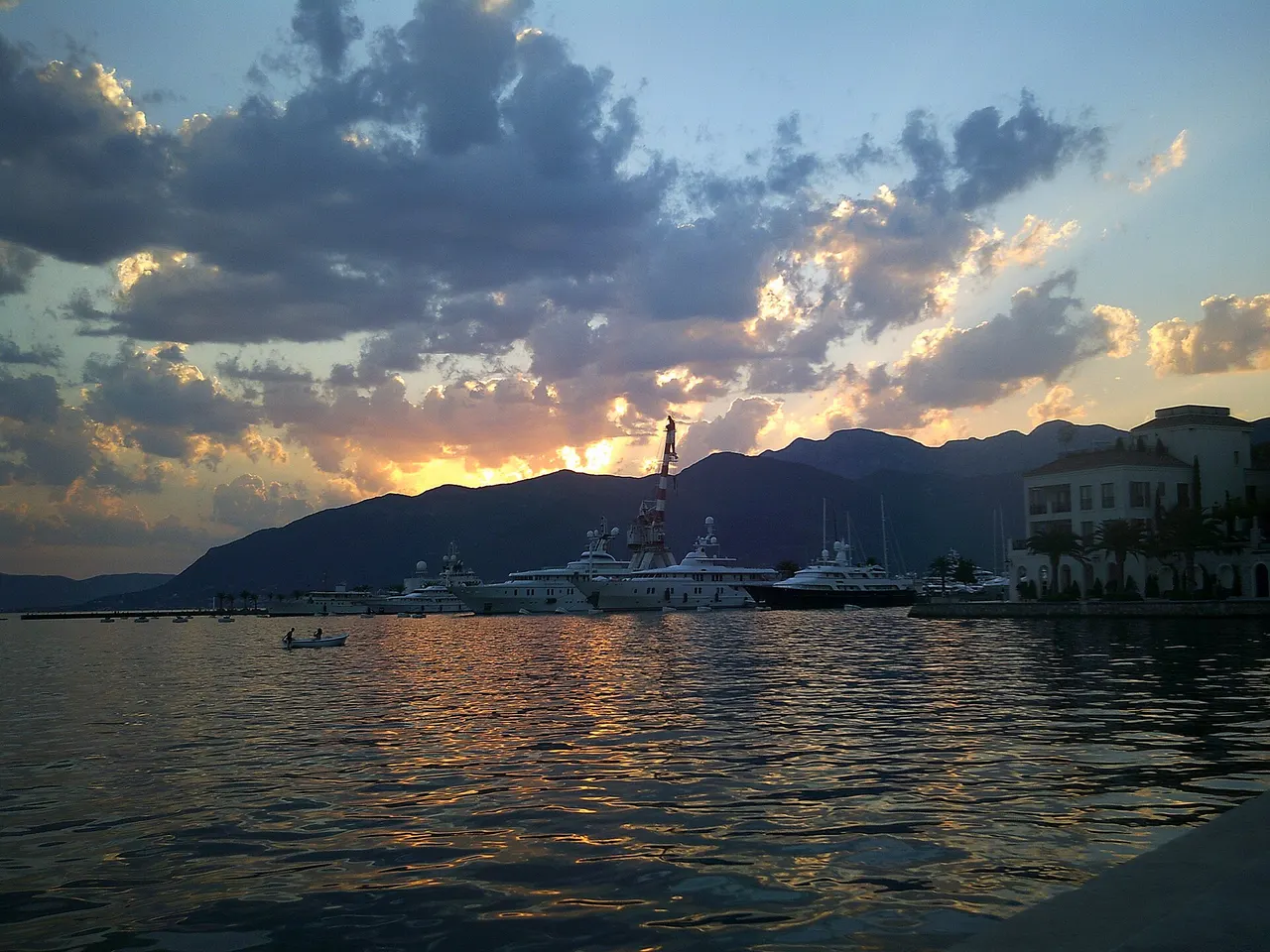
The appeal of TIV is that the coast starts at the gate. Kotor is about 8 km (15 minutes), Budva roughly 20 km (25-30 minutes) - though in peak-season traffic around the bay both take longer. Our Tivat Airport to Kotor guide covers that first hop in detail, and Tivat Airport to Budva does the same for the riviera if you’d rather skip the rental desk.
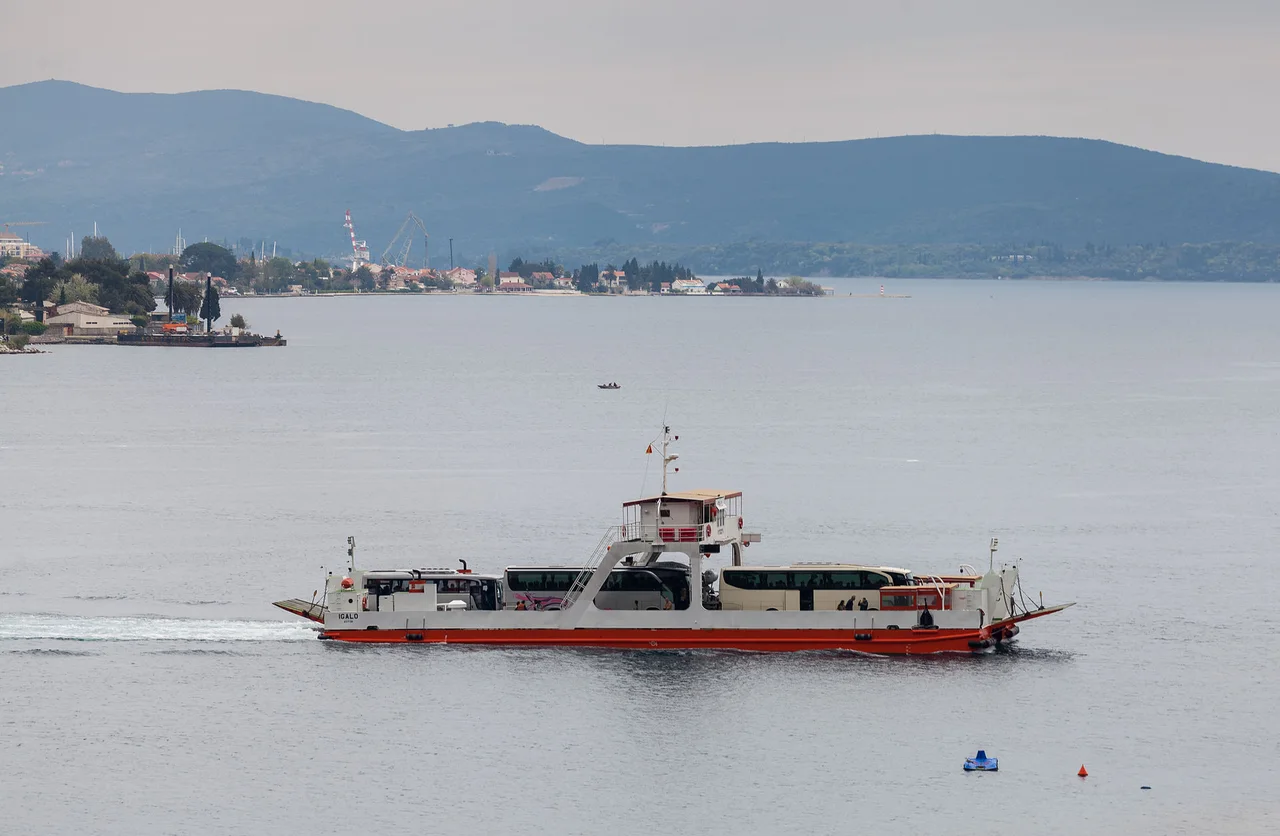
One local trick is worth knowing on day one: the Kamenari-Lepetane ferry. This little roll-on ferry crosses the narrowest point of the Bay of Kotor in about five minutes for €5 a car (2026 rate, the same year-round), running every 15-20 minutes day and night through the summer season. It saves 28 km of driving around the head of the bay through Kotor and Perast, and it’s the shortcut to take from Tivat toward Herceg Novi, Croatia and Dubrovnik - the fares by vehicle and the queue picture are in our Kamenari-Lepetane ferry guide.
When you arrive, remember the old towns of Kotor and Budva are car-free - you park outside the walls and walk in. Paid lots in Kotor run about €0.80-2.50 an hour, Budva’s main lots around €2-5, and both fill by mid-morning in July and August, so arrive early or stay a little further out. Read up on the bay tunnels and summer jams in our driving in Montenegro guide before you set off, and see the Kotor guide for where to leave the car.
Crossing borders from the coast
Because Dubrovnik is so close, plenty of people rent at Tivat specifically to drive into Croatia, and some push on to Bosnia or Albania. Two rules apply. First, you must declare cross-border travel in advance and list every country - this isn’t something to spring on the agent at the barrier. Second, you need the green card (the international insurance certificate) covering those countries, which the company issues with the car.
The details vary a lot by company, so get it in writing on the rental agreement. Most international brands allow Croatia, Bosnia and Serbia within the region; some local agencies are stricter, and Albania (and Kosovo) are the most often restricted or surcharged. Expect a one-time cross-border fee in the region of €50 per rental where it applies, though some firms waive it on longer bookings and others charge more. Never assume the car is cleared to leave Montenegro - confirm it before you pay.
TIV or Podgorica for the car?
For a coast-based trip, renting at Tivat almost always wins on convenience: you’re minutes from Kotor and Budva instead of an hour-plus inland. The trade-off is that TIV is seasonal, so choice narrows and prices firm up in winter, while Podgorica (TGD) runs year-round, often with more cars and sometimes cheaper rates. If you’re touring the north or arriving off-season, price both. That’s a flight-and-airport decision as much as a rental one, so weigh it with our Tivat vs Podgorica airport comparison, and see our Podgorica Airport car rental guide for the desks, deposit and the border crossing to Albania from there.
The bottom line
Rent at Tivat if your trip is the coast: book ahead for July and August, pick a meet-and-greet to skip the queue, and turn up with a credit card in the driver’s name plus an International Driving Permit if you’re from outside the EU. Sort the excess before the desk does it for you, declare any border crossing when you book, and use the Kamenari ferry as your shortcut west. Do that and you are on a Kotor terrace within the hour.
Read also

Car rental · 10 min read
Car Rental at Podgorica Airport (TGD): Prices & Tips
Updated · August 24, 2026Car rental at Podgorica Airport (TGD): nine rental companies, deposit and excess, and the short drive to Albania that Tivat can't match.

Car rental · 7 min read
Renting a car in Montenegro: tips, roads & costs
Updated · June 21, 2026Practical guide to renting a car in Montenegro: where to pick one up, what the roads are really like, parking, tolls and how to keep costs down.

Before you go · 16 min read
Bay of Kotor Boating Rules: Licence, Speed Limits & Fines
Updated · September 5, 2026Montenegro boat rules 2026: certificate at 18 for self-drive, 6 knots within 300 m, 18-knot corridors, no motor boats in the Blue Cave, fines from €500.

Food · 9 min read
Where to Eat in Tivat: Porto Montenegro & Konobas
Verified · September 5, 2026Where to eat in Tivat: Porto Montenegro marina tables, Kalimanj konobas, and Luštica Italian menus with prices from restaurant sources.