
Where to Eat in Bar: Old Town Konobas, Seafront, Market
Where to eat in Bar: Stari Bar konobas below the ruins, the modern town, the local market and food for the Belgrade train. Dated 15 Nov 2026.
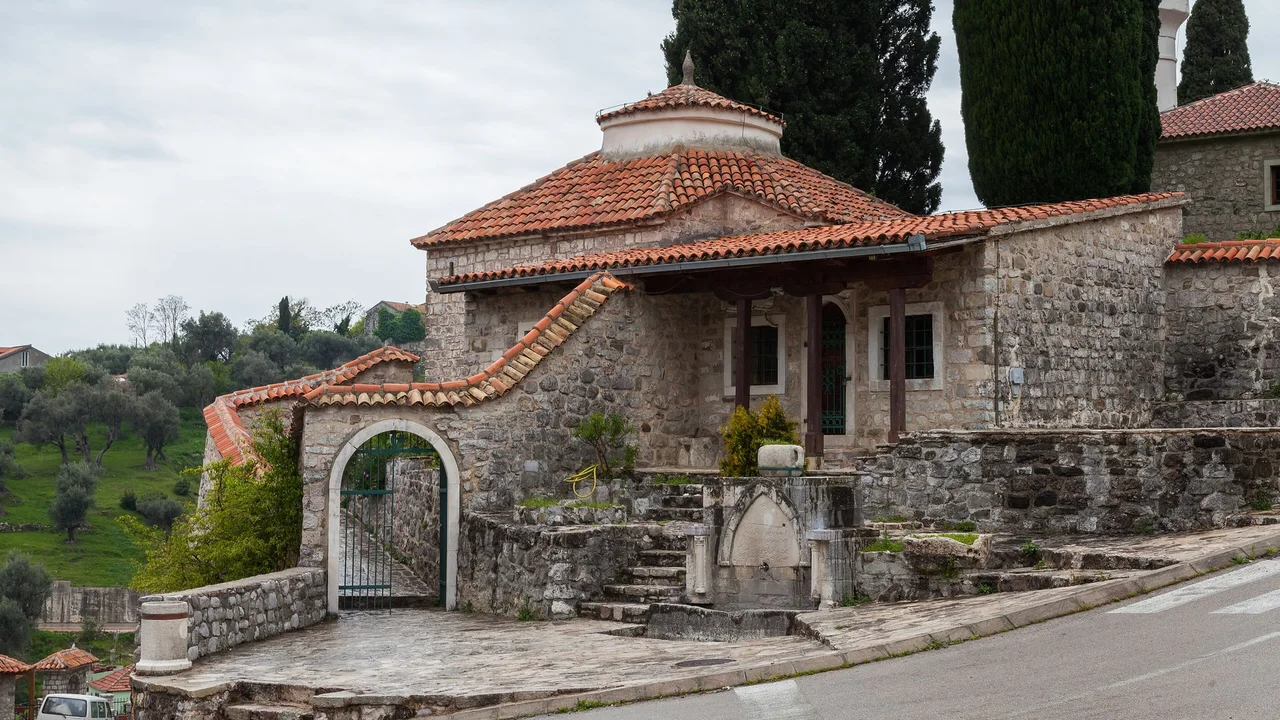
Many travellers meet Bar from a train window and eat wherever the first sign says “restoran”. There’s a better rule: eat in Stari Bar if you have an evening, on the seafront if you have an hour, and from the market if you have a bag. Bar is a working port city, not a resort, and its good meals are split between three places that sit several kilometres apart.
Stari Bar: the konobas below the ruins
The ruined medieval old town sits inland on a hill, and its lower street, the Starobarska Čaršija, is where the konobas cluster. A directory of Stari Bar restaurants lists seven konobas: Akvadukt, Bedem, Kula, Špilja, Citadela, Kaldrma and Tajana, all at the same “Stari Bar bb” address and several with phone numbers.
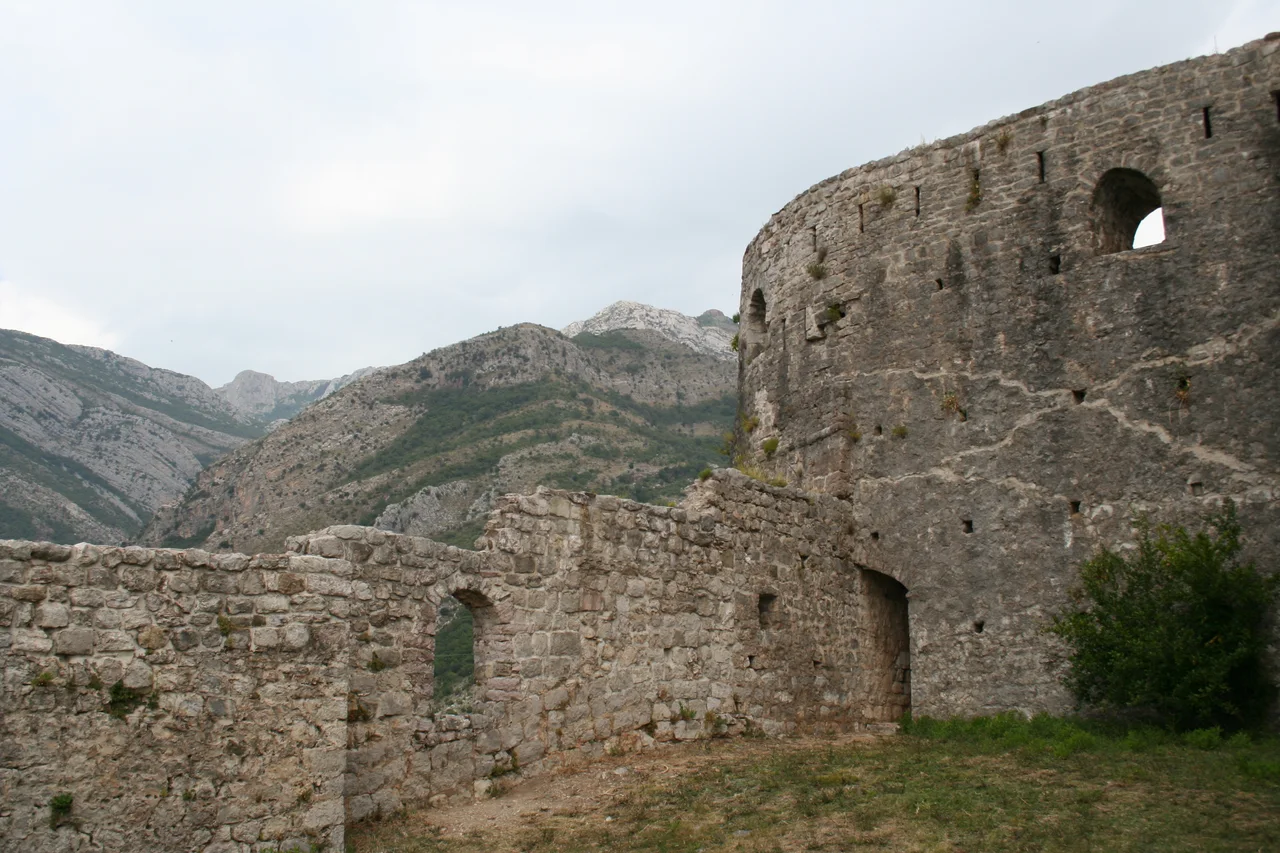
Two of them have enough detail to describe. Konoba Bedem shows up in an aggregator as a Mediterranean-and-local kitchen with a terrace, hours of 09:00-23:00 across the week in its listing, a large vegetable platter that can be made vegan, and pomegranate wine and beer on offer. The directory gives a phone, +382 69 666 336. Kaldrma is described as a slow-food place with a Middle Eastern accent, on Ulica 9. Januar in the Čaršija, with a terrace looking at the old town and a listed 09:00-22:00 schedule; the directory lists +382 30 304 208. Treat those hours as a listing, since they read like a default.
Kula is a family guest house next to the old town; one guide says the menu runs in several languages and mixes traditional dishes with international ones. The other four (Akvadukt, Špilja, Citadela and Tajana) are names to ring about, not dishes to plan around.
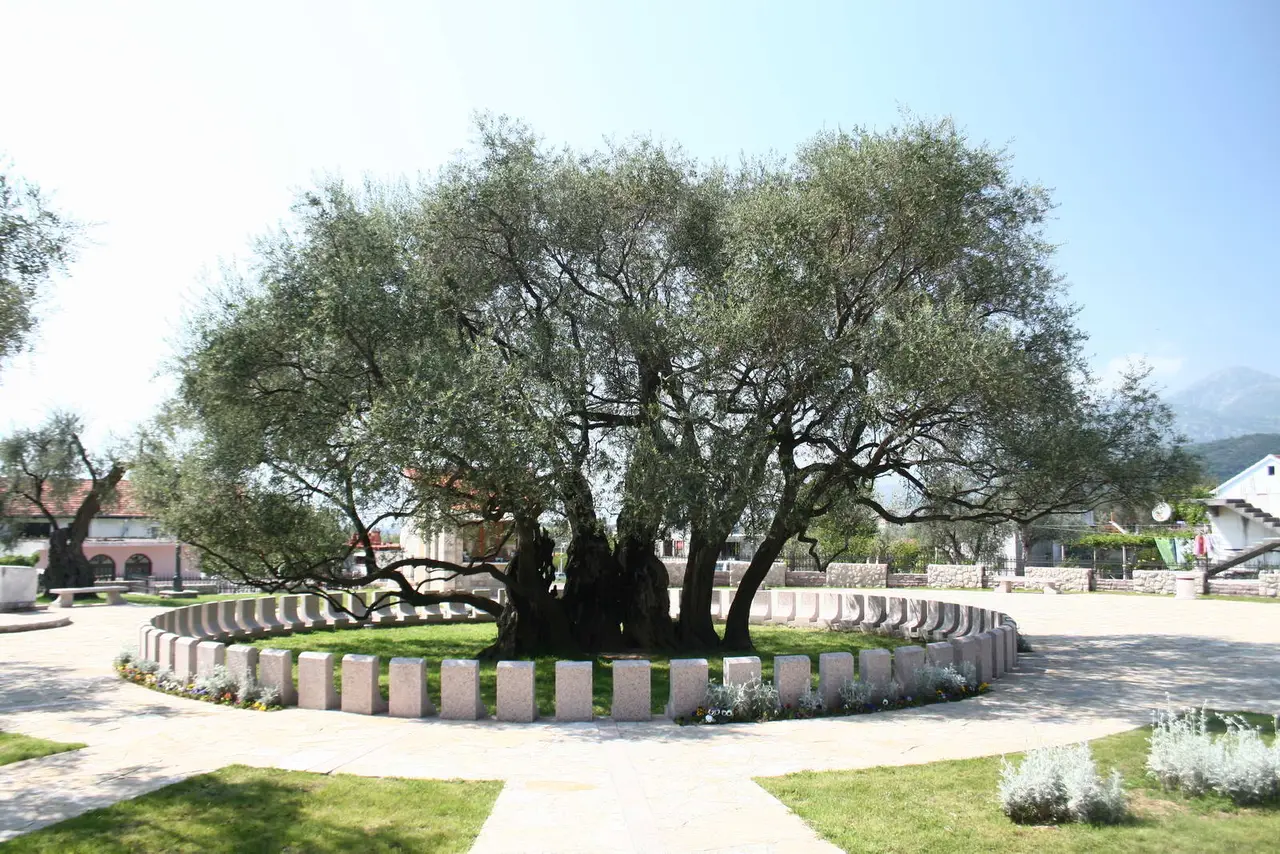
Practical logic: Stari Bar sits about 3 km inland from the seafront, so it’s a bus or taxi ride, and the way back at night needs a plan. Go in the late afternoon, walk the ruins while there’s light, and eat last. The fortress itself, the aqueduct and the old olive tree have their own coverage in the Bar city guide.
If you don’t eat meat or fish
The old-town kitchens make this easy. Guests on the aggregator pages for Bedem and Kaldrma mention a large vegetable platter, stuffed peppers, aubergine with tomato, baked onions, dolma and beetroot salads, and both pages say dishes can be made vegan if you ask, though the same aggregator rates Kaldrma “outstanding” for vegans and Bedem “poor”. The usual warning applies: say “vegan” out loud, because a vegetarian dish may still carry cheese or cream, and some plates arrive cold or lukewarm by design. One reviewer also warns that the olives served alongside are very strong.
The modern town: sit-down and sweet
Down in the modern town, the listings that keep surfacing are Pino Del Mar Restaurant & Beach Bar (listed in Bar, seafood and Mediterranean), Knjaževa Bašta and Le Petit Macaron, a pastry café that a Montenegro guide site describes with a French-patisserie interior. Treat all three as starting points: this guide found no current menu online for any of them, so ring before you walk down.
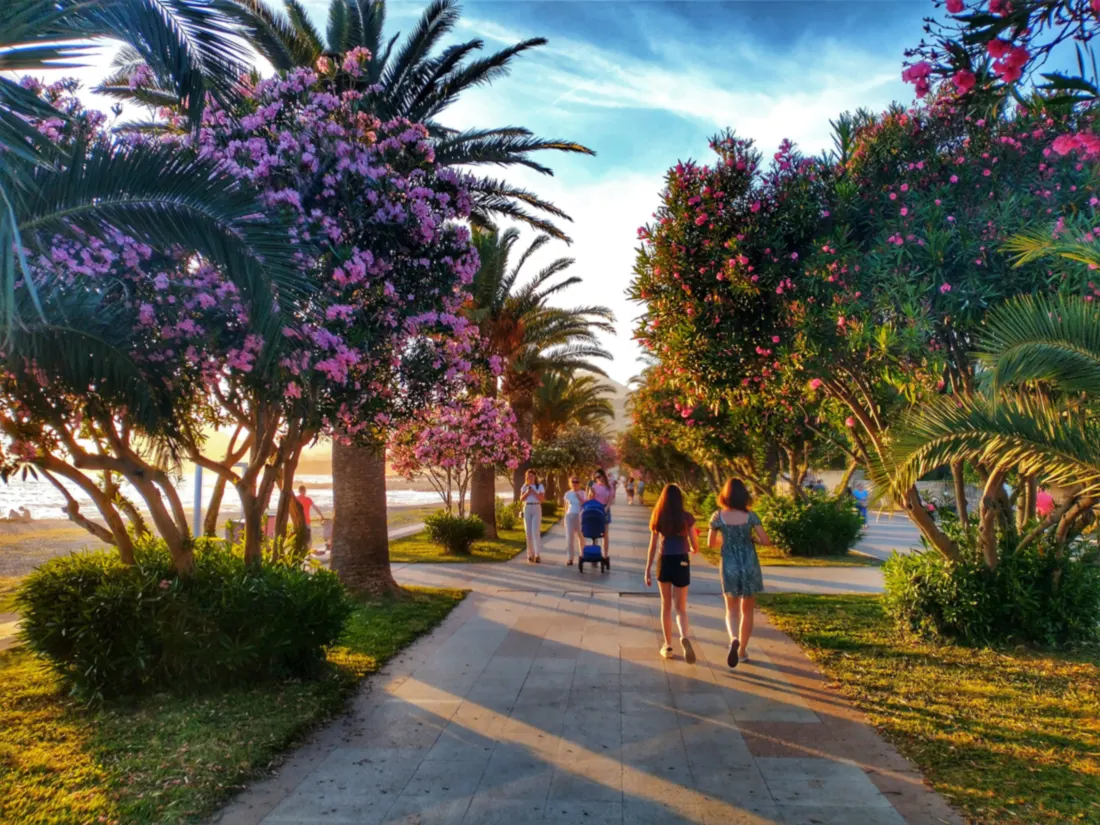
What the seafront does reliably is give you a late table, a sea view and a menu that doesn’t change by the hour. If your train from Belgrade is behind schedule, this is where you’ll land.
What Bar’s market sells
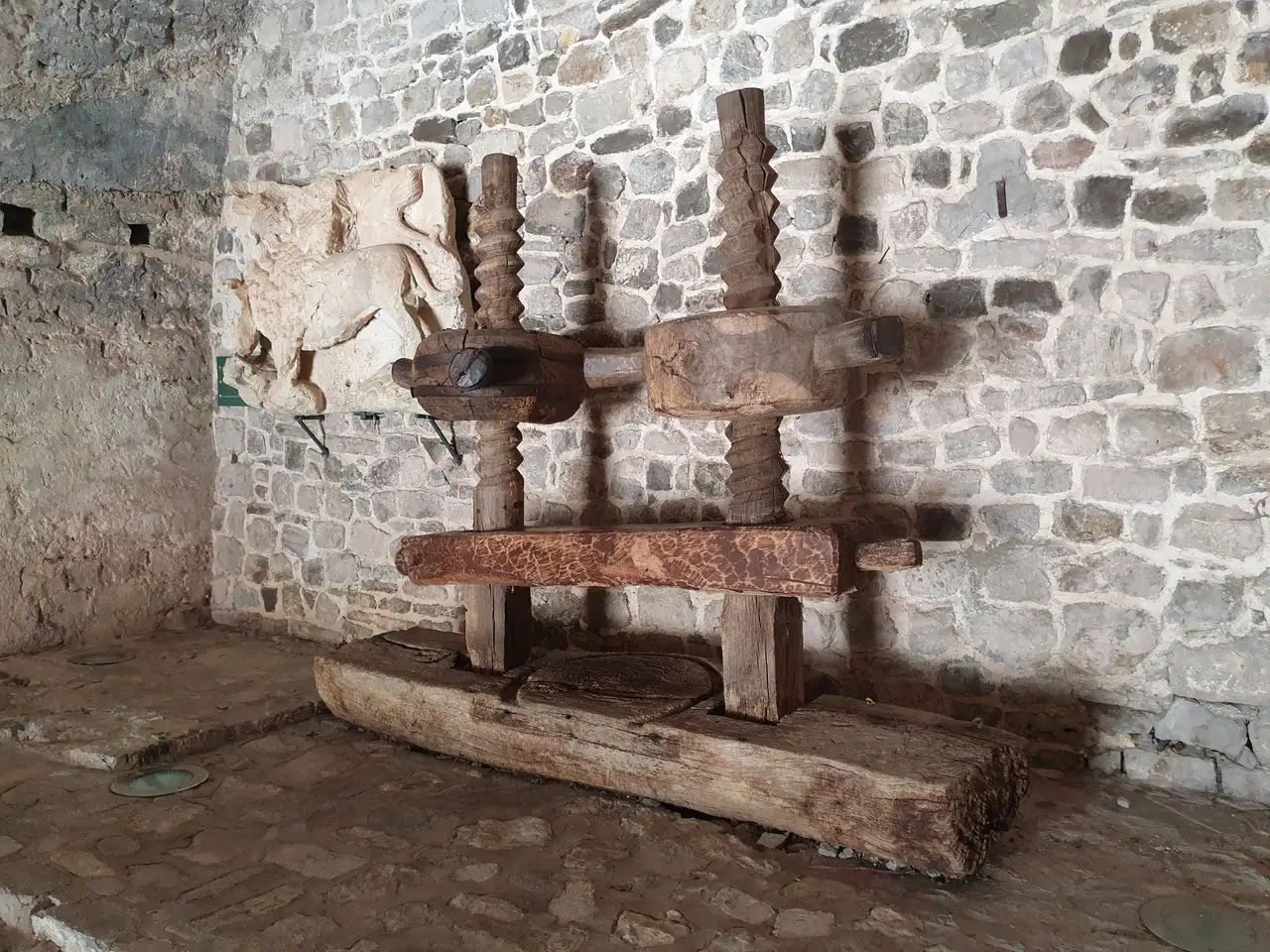
The municipality’s tourist board describes its own food in specific terms, and it works as a map of what to taste. More than 100,000 olive trees feed the olive oil, Lake Skadar supplies fish and wine, and the villages of Mrkojevići and Ostros send organic produce, chestnuts, the “famous Bar pomegranate” and citrus to the main market in the town centre and to the main street of the old town. The same page says the local honey takes a dark colour and aroma from wormwood and chestnut, and that farmers sell it there with wreaths of dried figs. Dishes it names include japraci (vine-leaf rolls), štufada, tespišta, Skadar smelt, smoked carp and eel on rice, plus albasan tava, okra stew (bamije), raštan greens, pies of all kinds, halva and olives prepared “in a dozen ways”, with Crmnica Vranac as the wine.
That list tells you what to ask for in a konoba, and a market stall gets you dried figs, honey and olives for the train. For a bag-and-picnic day it beats any seafront table.
Wine, olive and honey routes
The tourist board’s gastronomy page ends by pointing to two themed trails, Wine Trails & Tales and Olive and Honey Trails. They’re the municipality’s own way of sending you to producers rather than to restaurants, and they suit anyone with a car and a free afternoon. Crmnica, the wine area behind Bar, is where the Vranac on the konoba list comes from, and the olive groves are a short drive from the old town. Ask at the tourist office in Bar for current maps and opening days, and whether a producer receives visitors on your dates, since small cellars and mills may not in November.
Bar is the coastal end of the railway from Belgrade, so the “meal” is often really a gap between timetables. There is no Bar-Bari ferry in 2026; what runs to Italy instead is in the Bar-Bari ferry guide.
For the ride out, buy water, bread, cheese and olives at the market in town and carry them on board; the Belgrade to Bar train guide also advises bringing food and water, since catering isn’t reliable. Save the sit-down meal for a Stari Bar evening. If you arrive in Bar rather than leave it, the seafront is the nearest table.
A guided food-and-rakija tour is a packaged way to taste several of these in one afternoon. A listing on a Montenegro guide site describes a five-hour outing from Bar with a licensed guide, a panoramic drive, a stop at the 2,000-year-old olive tree and tastings of local food and rakija; check the operator’s current schedule, what’s included and whether it runs in winter before booking.
If you only have one evening
Spend it in Stari Bar, and if you have a morning too, give it to the market: one gives you the municipality’s produce, the other the cooked dishes its own tourist page names. Keep the seafront for the day the timetable squeezes you.
What to order once you’re seated
Order what the municipality itself is proudest of: olives and oil from its groves, smoked carp and eel on rice from Lake Skadar, japraci if the konoba has them, pomegranates in whatever form the cook has found, and a glass of Crmnica Vranac. Hours are the weakest data on this page, since the listed times read like defaults, so ring the konoba on the day and ask prices before you order (for a ballpark, the trip cost guide has the usual dinner range). If you’re carrying on down the coast, where to eat in Ulcinj picks up the same fish logic.
Read also

Food · 8 min read
Where to Eat in Kolašin: Mountain Kitchens by the Ski Road
Verified · November 15, 2026Where to eat in Kolašin: konobas on the square, Viline Vode and its own prices, Troglava at the 1600 lifts and Tara-road stops. Checked 15 Nov 2026.

Food · 7 min read
Where to Eat in Perast: Tables Facing Our Lady of the Rocks
Verified · November 15, 2026Where to eat in Perast: waterfront konoba and Conte, Rosmarino up the steps, oysters at Pescatore, and how to time lunch around the island boat.

Food · 7 min read
Where to Eat in Žabljak: Durmitor Kitchens by Season
Verified · November 15, 2026Where to eat in Žabljak: kačamak and lamb kitchens in town and at Savin Kuk, what a tourist portal says about seasons, and what to confirm in winter.

Food · 9 min read
Where to Eat in Tivat: Porto Montenegro & Konobas
Verified · September 5, 2026Where to eat in Tivat: Porto Montenegro marina tables, Kalimanj konobas, and Luštica Italian menus with prices from restaurant sources.